
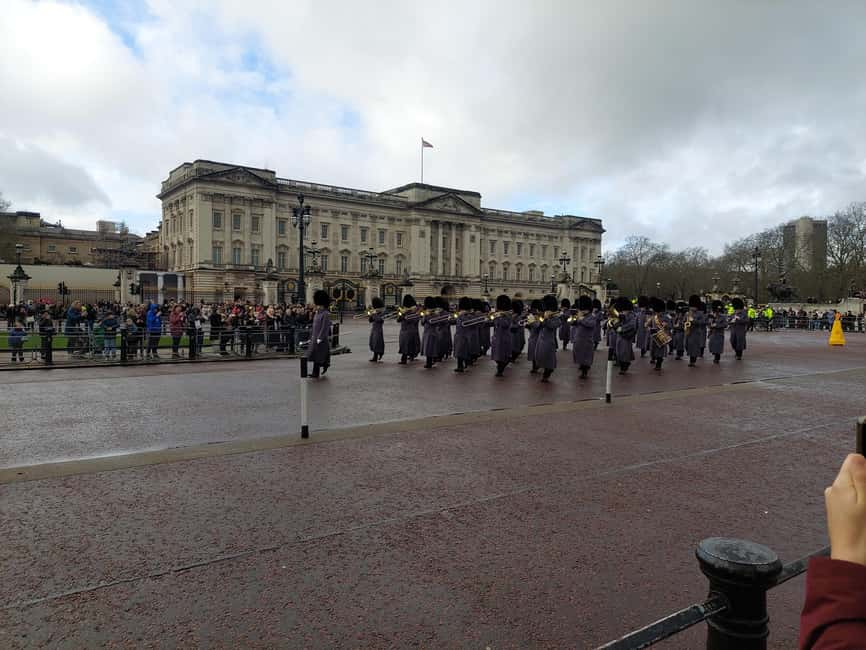
Reviewed · BUCKINGHAM PALACE TOURS
London Buckingham Palace: Changing of the Guard Walking Tour
The Changing of the Guard is better when you move. This small-group walk guides you through the full ceremony arc, with photo chances at the right moments instead of waiting in the wrong place. I especially like the way the tour covers St James’s Palace/Horse Guards Parade and then connects it to the Mall and St James’s Park, so you understand what you are seeing instead of just watching people march. One thing to keep in mind: the pace is brisk, with some quick walking and a little stair navigation, so it is not ideal if you tire easily.
I also love that you are not stuck camped at the front gates of Buckingham Palace, where crowds often block the action until the ceremony is already changing shape. When you do get a look at the Palace area, you are there for the payoff, not the long wait. A possible drawback: the ceremony can change at the discretion of British authorities, so the exact lineup at Buckingham Palace may vary, especially with weather.
The tour is led in English by a live guide, and the best part is how personality and history combine. Guides like John get called out for being patient, funny, and very strong on context, while Ian (a substitute on one departure) is described as handling a start-of-tour meeting hiccup quickly so everyone still gets moving on time. If you prefer a super-silent, free-floating sightseeing stroll, this is more structured than that.
In This Review
- Key highlights you can plan around
- Why the Changing of the Guard is more than a crowd spectacle
- Getting oriented at Charing Cross and starting on the right foot
- St James’s Palace and Horse Guards Parade: where the ceremony’s energy builds
- The Mall walk: understanding the parade corridor
- St James’s Park: the in-between views that make it feel like London
- Buckingham Palace outside: great photos without the forecourt trap
- How the pace and group size affect your day
- What the guides add: why commentary can be half the value
- Price and value: is $20 for two hours a smart deal?
- When the ceremony changes: planning for the real-world version
- Who this tour suits best (and who should skip)
- Should you book? My straight answer
- FAQ
- Where do I meet for the London Buckingham Palace Changing of the Guard walking tour?
- How long is the tour?
- What time should I arrive?
- Is this tour viewing from inside Buckingham Palace or standing at the forecourt?
- What should I bring?
- What if the Changing of the Guard is changed due to weather?
- Is the tour suitable for everyone?
Key highlights you can plan around
- See more than the last minutes: you are not waiting all morning just for the tail end at the gates.
- Get the full route logic: you walk through the parade corridor along The Mall and understand how the ceremony pieces connect.
- Smart vantage points for photos: the guide times where you stand so your camera has a real chance.
- St James’s Palace and Horse Guards Parade included: you are not only focused on Buckingham Palace.
- Good guide energy: John is repeatedly praised for history + humor, and Ian for getting the group sorted fast.
- Still a classic tradition, with flexible outcomes: you will still do a royal walking tour even if plans change.
Other mornings at the Changing of the Guard
- Buckingham Palace: The State Rooms Entrance Ticket
★ 4.6 · 7,395 reviews - London: Buckingham Palace & Changing of the Guard Experience
★ 4.3 · 2,971 reviews - London Sightseeing Tour: Guard Change with Tower of London Option
★ 4.5 · 2,672 reviews - London: Changing of The Guard Tour
★ 4.8 · 2,510 reviews
Why the Changing of the Guard is more than a crowd spectacle
The Changing of the Guard sounds like one fixed, repeatable moment. In reality, it is a sequence, with different buildings and commands involved. That matters because the ceremony’s meaning is about duty switching: the Queen’s Guard hands off responsibility for protecting Buckingham Palace and St James’s Palace to the New Guard.
You also get useful historical context to frame what you are watching. The tradition dates back to the reign of King Henry VII, and it is performed at Buckingham Palace since Queen Victoria took up residence in 1837. Once you know that, the march and the formations feel less like theatre for tourists and more like a living protocol that still has rules, rhythms, and roles.
And here is a practical truth: in London, the fastest way to waste a morning is to pick the wrong spot and then stare at the back of someone’s head for an hour. This tour is built around the idea that you will get a better experience by moving with the guide and hitting multiple key viewpoints as the ceremony unfolds.
Getting oriented at Charing Cross and starting on the right foot
The meeting point is outside Charing Cross Station, next to the Clermont Hotel. That is a great choice because you are near a major transport hub, and you can usually plan your morning without drama.
You are asked to arrive at 9:45am, about 15 minutes before the start time. I like this kind of buffer. London crowds can be unpredictable, and you want time to locate your group before you are pressured by the march schedule.
From the first steps of the tour, you learn one of the most important habits for this ceremony: stay flexible with where you stand. The point is not to get a perfect still shot from one exact angle. The point is to see the ceremonial flow, understand what is happening at each stage, and collect photos when the guard actually presents a clean view.
And yes, you’ll be walking. The guidance is to wear comfortable shoes and carry water. You may also experience around 5 minutes of quick walking and a small amount of stairs during the full route, so treat this as an active sightseeing plan, not a sit-and-watch event.
St James’s Palace and Horse Guards Parade: where the ceremony’s energy builds
Most first-timers only think about Buckingham Palace. The tour does the smarter thing: it gives you St James’s Palace/Horse Guards Parade as part of the core experience. That helps because these areas are tied to the wider pageantry of royal ceremonial life. You start to see the ceremony as a system, not a single photo moment.
In practical terms, this section of the route sets you up for the parade mentality. The formations, the route choreography, and the guard’s movement start to make sense before you even reach the most famous building exterior.
This is also where a strong guide makes a difference. In recent departures, John has been repeatedly praised for being patient and engaging, with history delivered in an easy, story-based way. One review notes he offered more than just “where to look,” adding extra time and historical facts, including fun scandal stories. That kind of commentary can turn a short, intense ceremony segment into something you actually remember later.
London on foot, a few more ways




The Mall walk: understanding the parade corridor
After the St James’s area, you move onto The Mall. This is the ceremonial corridor that connects the grand spaces and frames the visual spectacle. Walking it with a guide is valuable because you’re not just passing landmarks—you’re learning how they fit into the procession.
The Mall also gives you time to reset your camera strategy. If you only think about photos at Buckingham Palace, you end up chasing angles at the worst moment. With The Mall in the plan, you can test settings, find a stance that works for you, and anticipate where the action will likely pass next.
Here’s another realistic benefit: crowds tend to bunch tightly around the biggest “must-see” gate. By traveling along the wider route, you get a more distributed experience. You still see plenty of people, but you’re less likely to get trapped in the densest crush.
St James’s Park: the in-between views that make it feel like London
At some point, the body needs a break from full-on marching intensity. St James’s Park helps with that. It gives you a calmer setting inside the same royal circuit, and it makes the whole thing feel less like a frantic photo mission.
This is also where you can appreciate how the guard’s pageantry sits inside real urban space. You get a sense of scale—how the Palace complex fits into the city, how the route reads from a human walking perspective.
I like that the tour doesn’t treat the ceremony like a single point. It treats it like a moving story with pauses, viewpoints, and transitions. That approach tends to make the experience feel more “London” and less like a timed theme-park stop.
Buckingham Palace outside: great photos without the forecourt trap
Yes, you will get to Buckingham Palace (outside). And no, you will not be waiting at the forecourt. This is a big deal.
The tour specifically avoids the forecourt of Buckingham Palace because crowds often mean you see very little. Instead, the plan is to move so you can take amazing snapshots without spending hours in a blocked-view bottleneck.
This is where the tour’s concept pays off. Most people do the same thing when they show up: they assume the front gates are the best place. But that usually turns into a long wait and a short, partially obscured payoff. Here, the guide focuses on timing and repositioning, so your attention lands when the ceremony is most photogenic.
Also, even if your exact view depends on crowd flow and how the ceremony is executed that day, you still get the core satisfaction: you see the guard elements clearly enough to remember them, and you can follow the ceremony logic from earlier stops.
How the pace and group size affect your day
This is a 2-hour walking tour with a small group. That matters. With a larger group, you spend more time compressing and re-forming your position around other spectators. With a smaller group, you generally get more control over where you stand and when you move.
The “fast moving” note is worth respecting. The tour moves pretty fast to keep up with the guards, with quick walking and small steps. If your plan for the rest of the day is “sit in a café for hours,” you’ll still be fine. If your plan is “walk five miles after this,” you might feel it.
That said, the tour’s effort is purposeful: it is the only way to cover multiple ceremony stages without turning it into an all-day stand-in-one-place event.
What the guides add: why commentary can be half the value
With any famous public ceremony, you can either:
1) just watch, or
2) learn the why behind the choreography.
This tour leans hard into option two. And that is where the reviews consistently land.
John is described as extremely knowledgeable, humorous, and patient, with a strong ability to answer questions. One reviewer specifically mentions he provided extra time and went beyond the basics, even adding historical facts and fun scandal stories. Another mentions he guided through crowds and included little-known facts about people who lived in the buildings you pass.
There’s also an example of continuity: in one departure, there was confusion about the meeting arrangement, and the substitute Ian stepped in and organized the group quickly. That kind of competence matters because the start can set the tone. If the group gets sorted and moves, you keep the “timed ceremony” advantage instead of losing it in the first 15 minutes.
Price and value: is $20 for two hours a smart deal?
At about $20 per person for a 2-hour guided walk, you are paying for two things: a live guide and a method. The guide helps you understand the tradition and the buildings you pass. The method helps you avoid the biggest beginner mistake: waiting in a spot that gives you a poor view.
If you were doing this on your own, you could absolutely walk around on your own schedule. But you would spend more time guessing:
- where to stand,
- when to move,
- how the ceremony’s different parts connect,
- and what to expect if plans change.
So the best way to think about the cost is not just “$20 for a walk.” It is “$20 to reduce wasted time and increase the chance you see the ceremony clearly, with context.” For many people, that is a good trade.
When the ceremony changes: planning for the real-world version
Changing of the Guard is subject to changes in date, time, and cancellation by British authorities. The important practical note is that cancellation due to bad weather is not announced until the morning of the ceremony.
If that happens, you will still receive a royal walking tour, and sometimes the lineup at Buckingham Palace may differ. For example, instead of the usual foot soldiers, you might experience the household cavalry change.
This matters for your expectations. You are not buying a guarantee of one specific formation at one specific minute. You are buying a structured tour that keeps the experience royal and meaningful even if the day’s details shift.
Who this tour suits best (and who should skip)
This is a strong fit if you:
- want the classic ceremony experience but hate wasting time in a blocked-view crush,
- like history and stories, not just sightseeing photos,
- enjoy walking tours that move actively,
- want to cover multiple locations in the same royal circuit, not just Buckingham Palace exterior.
It’s not a great match if you have mobility impairments or low fitness. The walking pace and the mention of stairs means you may struggle with the day’s rhythm.
Families can sometimes make it work. One review mentions a baby in the group, and the guide handled crowd movement with care. Still, you should assume the experience is crowded and active, so plan accordingly.
Should you book? My straight answer
Book it if you want a smarter way to see a famous moment. This tour is built for the reality that the best views often require movement, not just patience at the most famous gate. You also get real value from the guide’s explanations and story-style context, especially if you’re the kind of visitor who wants to leave with a clearer picture than you arrived with.
Skip it if you want a slow, low-effort “stand and watch” morning, or if stairs and quick walking would be a problem for you. And if you hate any uncertainty at all, remember the ceremony can change day-of, with weather being the big factor.
If you fit the first group, you’ll likely appreciate how the tour manages crowds, timing, and viewpoints so you get both the spectacle and the meaning.
FAQ
Where do I meet for the London Buckingham Palace Changing of the Guard walking tour?
You meet outside Charing Cross Station, next to the Clermont Hotel.
How long is the tour?
The tour lasts 2 hours and typically ends around 12:00pm.
What time should I arrive?
Please arrive at 9:45am, 15 minutes before the start time.
Is this tour viewing from inside Buckingham Palace or standing at the forecourt?
No. You will not stand at the forecourt of Buckingham Palace, because crowds often block views there.
What should I bring?
Bring comfortable shoes and water. The tour can include a bit of quick walking and a small amount of stairs.
What if the Changing of the Guard is changed due to weather?
If cancellation happens due to bad weather (not announced until the morning), you will still receive a royal walking tour. Sometimes the ceremony may involve household cavalry instead of foot soldiers at Buckingham Palace.
Is the tour suitable for everyone?
It is not suitable for people with mobility impairments or low level of fitness.
More Tour Reviews in London
- From London: Harry Potter Warner Bros Studio Tour
★ 4.7 · 26,588 reviews - London: Westminster to Greenwich River Thames Cruise
★ 4.5 · 22,836 reviews - Magical London: Harry Potter Guided Walking Tour
★ 4.7 · 22,044 reviews - London: Madame Tussauds London
★ 4.6 · 20,915 reviews - London: Warner Bros. Studio Harry Potter Tour & Branded Bus
★ 4.7 · 19,194 reviews
More London Walks Worth the Shoe Leather
- Magical London: Harry Potter Guided Walking Tour
★ 4.7 · 22,044 reviews - London: The Original Jack the Ripper Walking Tour
★ 4.7 · 7,833 reviews - Tour for Muggles The Ultimate Harry Potter Walking Tour in London
★ 5.0 · 4,684 reviews - London Jack The Ripper Guided Walking Tour
★ 5.0 · 3,131 reviews - London: Harry Potter Movies Walking Tour (Kids Go Free)
★ 4.7 · 3,071 reviews
The Palace, a Few More Ways
- Buckingham Palace: The State Rooms Entrance Ticket
★ 4.6 · 7,395 reviews - London: Buckingham Palace & Changing of the Guard Experience
★ 4.3 · 2,971 reviews - London Sightseeing Tour: Guard Change with Tower of London Option
★ 4.5 · 2,672 reviews - London: Changing of The Guard Tour
★ 4.8 · 2,510 reviews - London: The Changing of the Guard Tour and Buckingham Palace
★ 4.5 · 2,426 reviews
Just reviewed around London





Buckingham Palace Tours, compared.
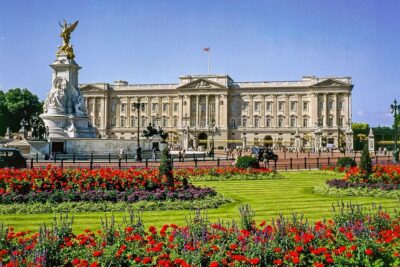 ★ 4.6Buckingham Palace: The State Rooms Entrance TicketFrom $447,395 reviews
 ★ 4.3Buckingham Palace & Changing of the Guard ExperienceFrom $262,971 reviews
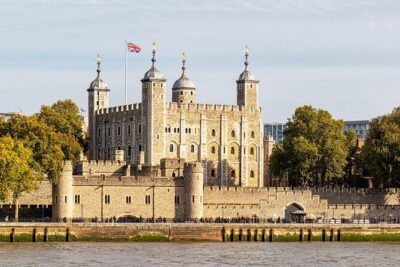 ★ 4.5London Sightseeing Tour: Guard Change with Tower of London OptionFrom $952,672 reviews
 ★ 4.8Changing of The Guard TourFrom $152,510 reviews
 ★ 4.5The Changing of the Guard Tour and Buckingham PalaceFrom $242,426 reviews
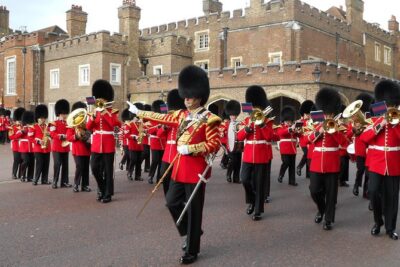 ★ 5.0Changing of the Guard Guided Walking Tour in LondonFrom $251,793 reviews
 ★ 4.3Buckingham Palace: The Royal Mews Entrance TicketFrom $221,759 reviews
 ★ 4.0Buckingham Palace Entrance Ticket & Changing of the Guard TourFrom $981,720 reviews
Browse the lists this tour appears in