
Reviewed · BRITISH MUSEUM TOURS
London: British Museum Archaeology Course and Guided Tour
London runs on big museums, but this one comes with a guide. This 5.5-hour British Museum archaeology course turns the collections into a story you can actually follow, from early tools to writing and empires. I especially liked how Rossa keeps the pace moving across major galleries, and how the tour focuses on how archaeologists figure things out, not just what’s behind glass.
Two standout wins for me: first, you get the big-name artifacts (like the Rosetta Stone and the Parthenon Marbles) with real context. Second, you’ll learn the practical side of archaeology, including how ancient languages were deciphered and how objects are dated. That mix made it feel like a field lesson inside one of the world’s most packed museums.
One possible drawback: the British Museum is huge, and you only have 5.5 hours to cover a selected route. If you want to wander slowly at your own pace, plan extra time after the tour for the galleries you fall for.
In This Review
- Key highlights to look forward to
- Getting Oriented Fast at the British Museum (and Why That Matters)
- What an Archaeology Course Adds Beyond a Usual Museum Walk
- The 5.5-Hour Route: A Timeline You Can Actually Follow
- Neanderthal Tools to Ancient Worlds: Starting With Origins
- Ancient Egypt and Assyria Galleries: Writing and Power in One Line
- Greece and Rome, Then the Aftermath: What Survives After Empires
- Writing Decoded: The Rosetta Stone to Cuneiform Rules
- Vikings, Aztecs, and Cross-Culture Connections
- The Science Bit: How Objects Get Dated and Interpreted
- The Royal Game of Ur: A Break That Feels Like History, Not a Rest Stop
- Price and Value for $81: What You’re Really Paying For
- Logistics Tips That Make the Tour Easier on Your Body
- Who This Tour Fits Best (and Who Might Want a Different Plan)
- Should You Book This British Museum Archaeology Tour?
Key highlights to look forward to
- Qualified archaeologist-led approach that explains what objects mean, and how we know
- A timeline from Stone Age origins in Africa through Mesopotamia, Egypt, Assyria, Greece, and Rome
- Deciphering writing systems such as Egyptian hieroglyphs and Sumerian cuneiform
- Artifact-first storytelling featuring items like the Sutton Hoo Helmet and Lewis Chessmen
- Hands-on break with The Royal Game of Ur, an ancient board game tied to deciphered rules
- Museum flow you don’t have to fight thanks to a separate entrance and a focused route
More among the marbles and mummies
- London: British Museum Guided Tour
★ 4.3 · 1,182 reviews - British Museum London Guided Tour Semi-Private 8ppl Max
★ 5.0 · 984 reviews - London: British Museum Guided Tour with Entrance Tickets
★ 4.9 · 748 reviews - London: Tour of the British Museum
★ 4.1 · 678 reviews
Getting Oriented Fast at the British Museum (and Why That Matters)
The British Museum can feel like a maze on first arrival. Rooms multiply. Labels blur. You end up walking faster than you’re really seeing. This tour helps you get bearings fast by giving you a guided route with a clear “human history” thread, from early origins through empires and their aftermath.
You start at Russell Square Station, meeting your guide outside the station. The guide holds an iPad with the local partner name on the screen, so it’s straightforward to find the group. From there, you walk to the museum together. One nice practical touch is that you’ll use a separate entrance to skip the line, which matters when the museum is crowded.
The result: you spend your energy on thinking and asking questions, not queuing and guessing where to go next. For a museum this big, that alone is a strong value.
What an Archaeology Course Adds Beyond a Usual Museum Walk
A typical museum visit gives you dates and descriptions. This one adds the “how.” You’re not only looking at artifacts; you’re learning the methods archaeologists use to interpret the past.
That means you’ll hear how ancient sites end up buried, how objects are dated, and why some questions still don’t have a neat answer. It also means that famous artifacts stop being just impressive objects and start being evidence in a larger argument about how civilizations developed.
I also liked the way the course frames the museum like a living lesson plan. The tour doesn’t try to cover everything. Instead, it gives you the tools to notice patterns as you move: changes in technology, shifts in power, and the rise of writing.
The 5.5-Hour Route: A Timeline You Can Actually Follow
The core structure is chronological, which helps your brain do what your feet can’t—keep track. You’ll move across key parts of the museum’s story, starting from early human technology and building forward through the civilizations that shaped the Mediterranean and the Near East.
Along the way, the guide ties galleries together around themes:
- Where people came from
- When cities and complex societies formed
- How empires expanded
- What happened after major collapses
You’ll see how the museum’s collection connects across regions, too. The tour isn’t limited to one culture. It ranges through Ancient Egypt and Assyria, then across Greece and Rome, and it continues into other cultural storylines the museum highlights, including the Vikings and the Aztecs.
This “world timeline” format is especially useful if you’re visiting for the first time and you don’t want to spend your day picking random exhibits.
Still deciding? A handful more London outings we rated




Neanderthal Tools to Ancient Worlds: Starting With Origins
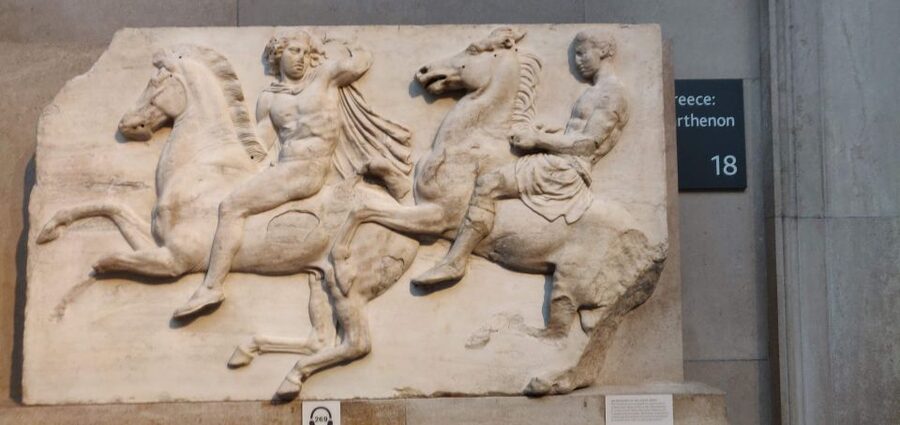
The tour kicks off by anchoring the story with early human life—think Neanderthal tools and the idea that human history doesn’t start when writing begins. That’s a smart opening because it resets expectations.
Instead of jumping straight into pyramids and emperors, you start with how people survived, adapted, and created. From there, the tour leads you toward the emergence of larger communities and more specialized knowledge.
If you like “before the famous stuff,” this starting point is one of the reasons people fall hard for this tour. It gives you a foundation so later galleries click faster.
Ancient Egypt and Assyria Galleries: Writing and Power in One Line
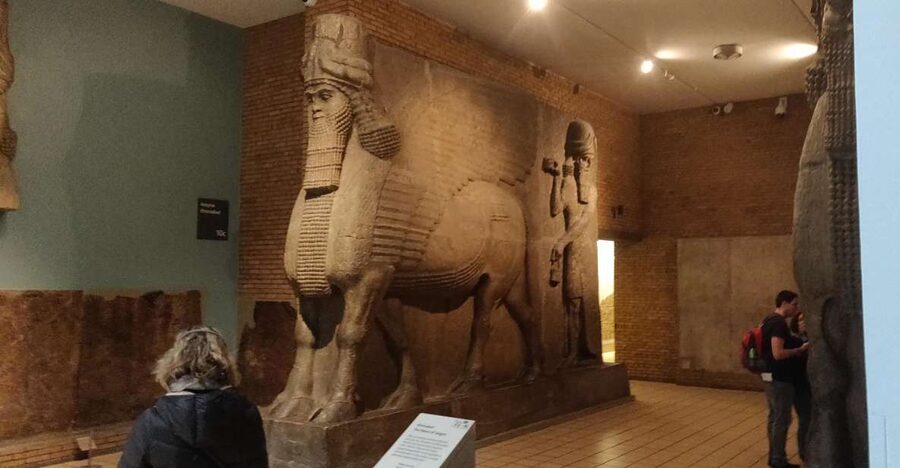
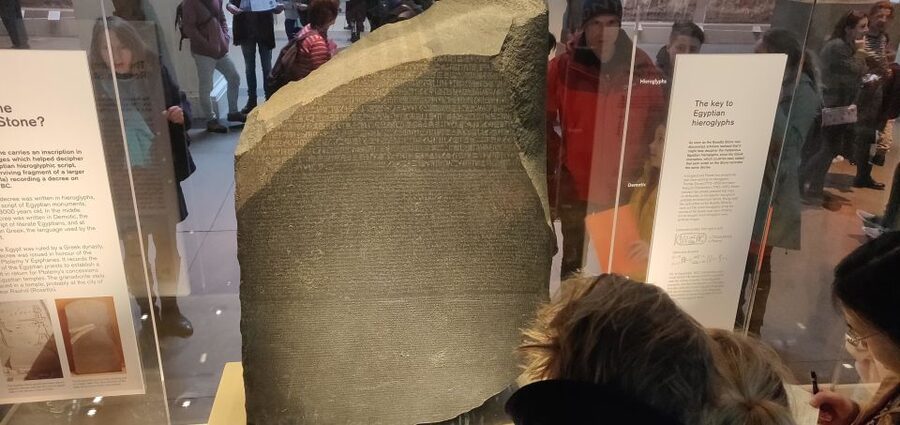
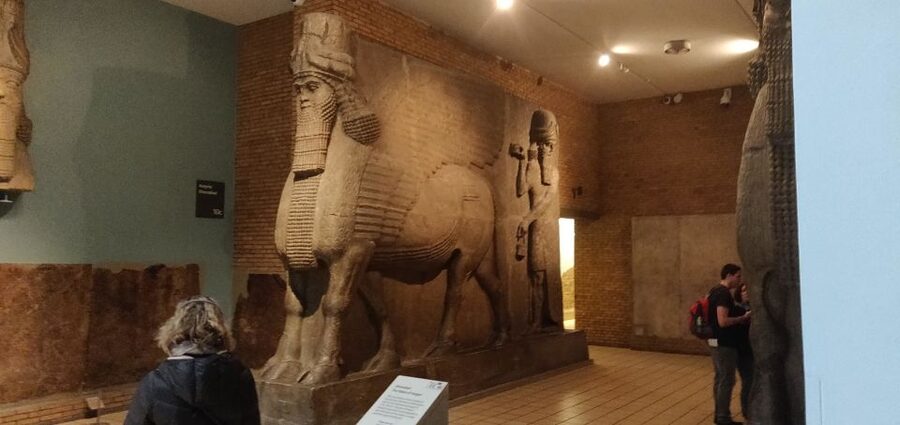
When the tour reaches Ancient Egypt and Assyria, it focuses on more than stone and gold. You’ll learn how hieroglyphs were decoded—what made the breakthrough possible, and why decipherment changed what historians thought they knew.
You’ll also connect writing to administration and authority. When governments can record taxes, laws, and events, power becomes easier to organize and harder to hide.
This is also where the famous artifacts start to feel less like museum trophies and more like “missing pieces” in a puzzle. The guide’s explanations make you pay attention to things you might otherwise skim over, like specific symbols, naming systems, and the idea of messages surviving through time.
Greece and Rome, Then the Aftermath: What Survives After Empires
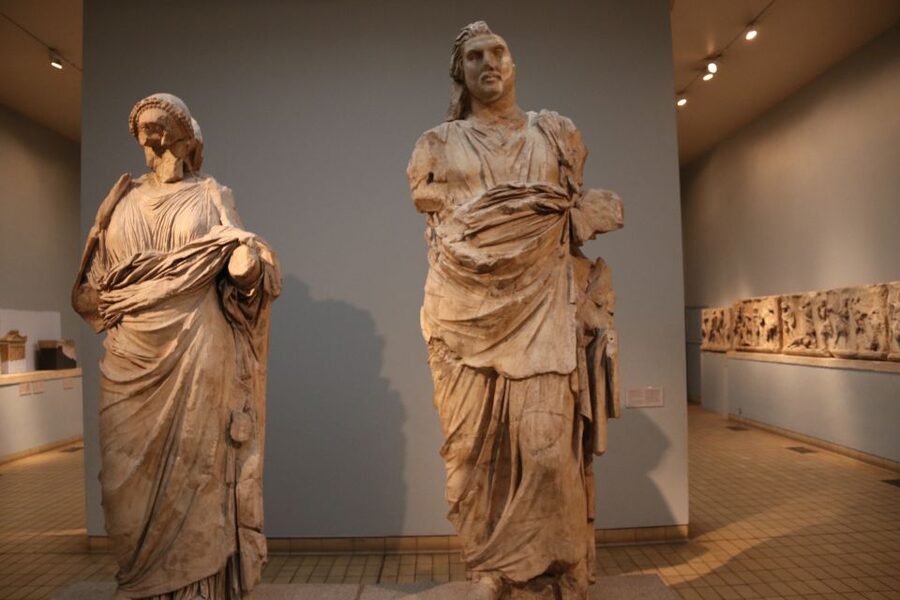
Next comes the classic sweep of Ancient Greece and Rome, including big iconic objects such as the Parthenon Marbles. The tour treats this era as more than a single peak; it explores what structures and ideas carried forward.
Then it turns toward the story of what happened after major systems collapsed. That part matters because it helps you understand why the museum still feels full of continuity instead of sudden time-travel jumps.
You’ll also get a sense of how the museum’s collection reflects both prestige and loss. Many objects survive because of excavation, collecting history, or preservation conditions—so you’ll learn to think about survival as part of the story.
Writing Decoded: The Rosetta Stone to Cuneiform Rules
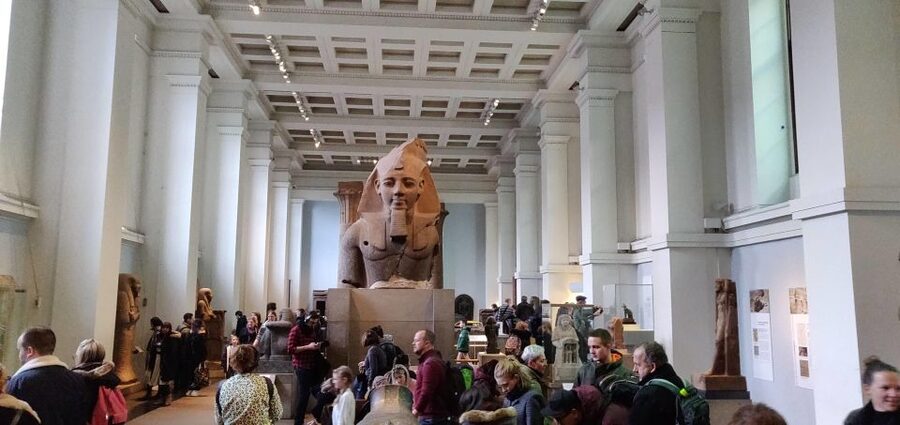
One of the tour’s main attractions is the focus on the invention and decipherment of writing.
You’ll hear about the role of Egyptian hieroglyphs and Sumerian cuneiform—and how British Museum scholars helped crack the rules needed to read them. This isn’t just trivia. It’s the backbone of why whole civilizations became legible to modern historians.
As a visitor, it changes how you read labels. When you understand that writing systems can be systematic codes (not random symbols), you start seeing the logic behind inscriptions instead of just the appearance.
If you’ve ever wondered how historians translate ancient worlds, this is the part that answers it.
Vikings, Aztecs, and Cross-Culture Connections
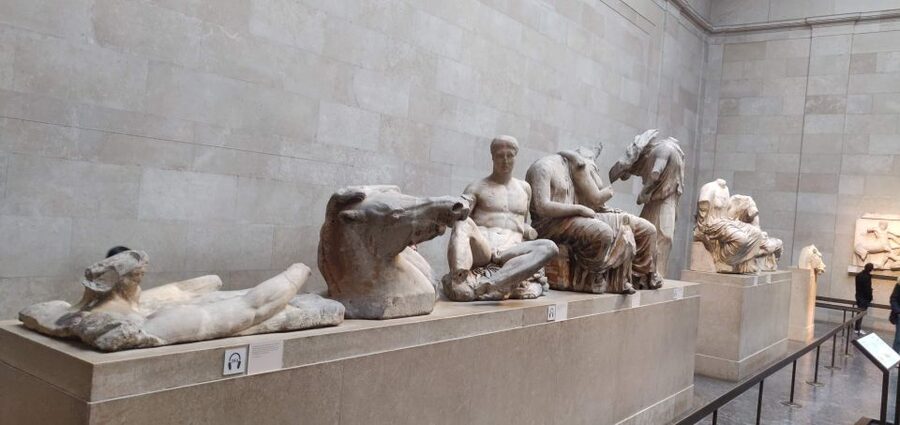
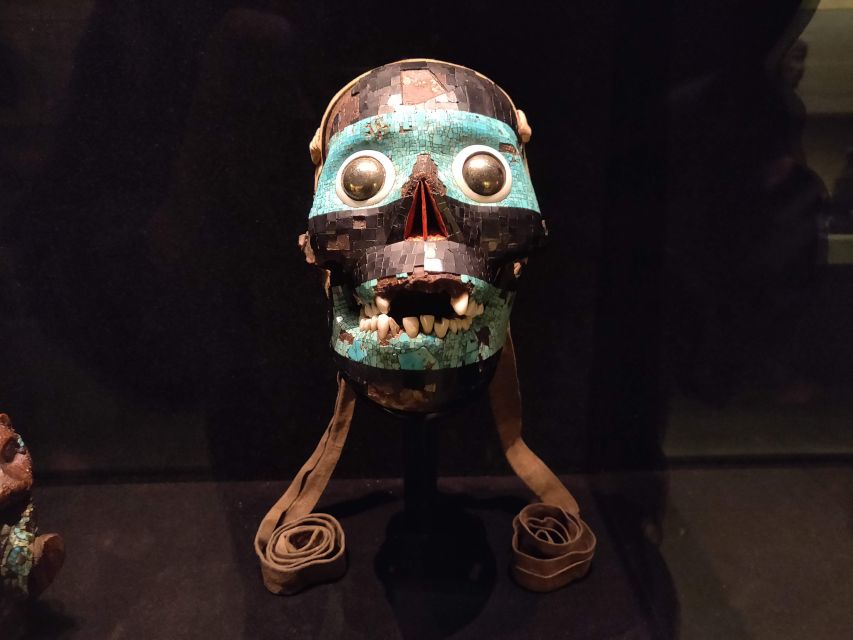
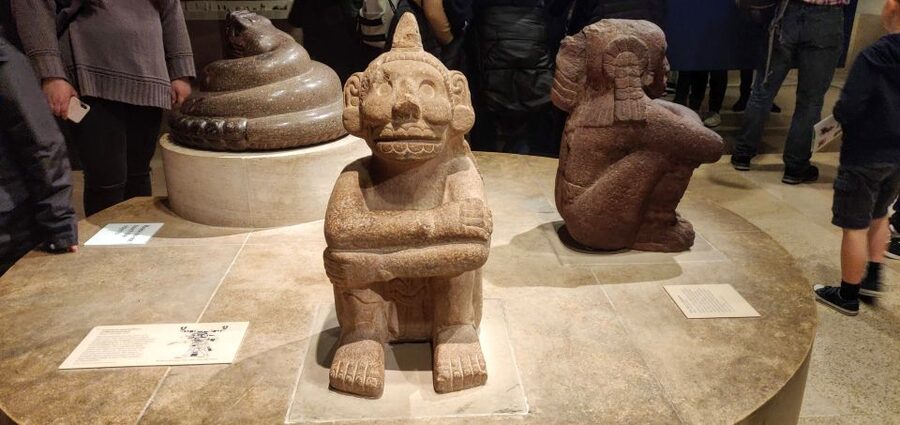
The tour doesn’t stop at the usual “Mediterranean only” route. It includes galleries like the Vikings and Aztecs, which helps you avoid the trap of thinking human history is one long line of European empires.
This portion is great for people who like comparisons:
- How societies organize technology
- How cultural beliefs show up in objects
- How trade and contact shape what survives
You’ll also encounter other standout items linked to the museum’s collection, including the Sutton Hoo Helmet and Lewis Chessmen. The point isn’t to recite every fact. It’s to understand why these objects mattered in their original context and what archaeologists look at when interpreting them.
The Science Bit: How Objects Get Dated and Interpreted
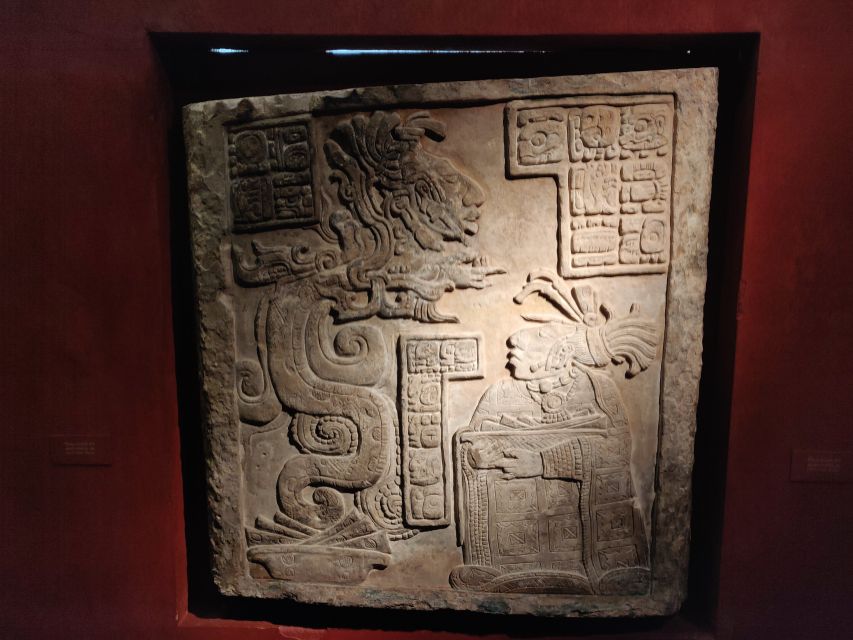
A big reason people love this tour is that it treats archaeology like a science with tools—not like a treasure hunt with lucky guesses.
You’ll learn how ancient sites become buried, why excavation context matters, and how dating helps anchor objects in time. Even without getting lost in lab terms, the guide explains enough to make you more skeptical—in a good way—about simple stories.
That skepticism is powerful for museum visits. It helps you appreciate the work behind each identification and why some mysteries remain open.
The Royal Game of Ur: A Break That Feels Like History, Not a Rest Stop
The tour ends with a fun, very on-theme activity: playing The Royal Game of Ur. This ancient board game is connected to deciphered rules from the British Museum’s scholars.
What I like about this stop is that it turns learning into participation. Instead of only watching and listening, you get a chance to handle the idea of daily life—games, routines, and cultural pastimes—through something that survived.
It’s also a great way to reset your brain near the end of a long museum day. One tip: if the group goes quickly through the game, you’ll still leave with enough energy to wander after.
Price and Value for $81: What You’re Really Paying For
At around $81 per person for a 5.5-hour guided archaeology-focused visit, the “value” question is fair.
Here’s the honest breakdown: the British Museum entrance is free, so your money isn’t buying entry. You’re paying for the guided archaeological interpretation—someone making the collection legible by connecting the dots between artifacts, languages, and dating methods. You’re also getting the practical advantage of skipping the line with a separate entrance, plus a planned route that saves you from spending your limited time guessing.
If you were planning a self-guided visit, you’d likely spend hours reading labels and still feel like you missed the bigger story. This tour aims to do what good teachers do: give you the framework, so the museum becomes easier to navigate and more satisfying to explore afterward.
Logistics Tips That Make the Tour Easier on Your Body
This tour is long enough that your comfort affects your experience. Here’s what will help:
- Wear comfortable shoes. You’re walking from Russell Square Station and moving between galleries.
- Avoid luggage or large bags. The tour rules say they’re not allowed.
- Plan for a break. The tour includes guided pauses, and one review noted the day works well even when the museum is busy.
- If you want to reduce standing, look for seating options inside the museum area. One tip from past participants is to grab portable stools available at the entrance, or even a folding chair.
Also grab a free museum map at the entrance if you like having a visual backup. And bring enough water. With a lot of time on your feet, hydration matters more than you think.
Who This Tour Fits Best (and Who Might Want a Different Plan)
This British Museum archaeology course is a strong match if you:
- Like ancient history but want more than surface-level facts
- Care about how we know what we know (decipherment, dating, context)
- Prefer a guided route through a massive museum
- Enjoy interactive extras, like The Royal Game of Ur
It may be less ideal if you:
- Want a completely unstructured day with lots of roaming
- Are mainly after the broadest possible “greatest hits” list without deeper interpretation
Still, even if you plan to wander afterward, the tour helps you do it smarter.
Should You Book This British Museum Archaeology Tour?
If your goal is to understand the British Museum, not just see it, I’d book this. The best part is the combination: you get famous objects plus the reasoning behind them—how languages were decoded, how artifacts are dated, and how buried sites turn into evidence.
Go for it if you’ll be happy following a timeline and listening for the “why” behind the displays. Bring comfy shoes, skip the big bag, and plan to add extra wandering time after the tour so you can linger where the story grabs you.
If you want a museum day that feels like a guided lesson you’ll remember later, this one earns its place.
More Tours in London
- From London: Harry Potter Warner Bros Studio Tour
★ 4.7 · 26,588 reviews - Magical London: Harry Potter Guided Walking Tour
★ 4.7 · 22,044 reviews - London: Warner Bros. Studio Harry Potter Tour & Branded Bus
★ 4.7 · 19,194 reviews - London Big Bus Hop-On Hop-Off Tour with Optional River Cruise
★ 3.5 · 10,803 reviews - London Small Group Tour of Historical Pubs
★ 5.0 · 10,422 reviews
More Tour Reviews in London
- From London: Harry Potter Warner Bros Studio Tour
★ 4.7 · 26,588 reviews - London: Westminster to Greenwich River Thames Cruise
★ 4.5 · 22,836 reviews - Magical London: Harry Potter Guided Walking Tour
★ 4.7 · 22,044 reviews - London: Madame Tussauds London
★ 4.6 · 20,915 reviews - London: Warner Bros. Studio Harry Potter Tour & Branded Bus
★ 4.7 · 19,194 reviews
The British Museum, Continued
- London: British Museum Guided Tour
★ 4.3 · 1,182 reviews - British Museum London Guided Tour Semi-Private 8ppl Max
★ 5.0 · 984 reviews - London: British Museum Guided Tour with Entrance Tickets
★ 4.9 · 748 reviews - London: Tour of the British Museum
★ 4.1 · 678 reviews - London: British Museum Audio Tour & Priority Entrance Ticket
★ 4.5 · 631 reviews
Just reviewed around London





British Museum Tours, compared.
 ★ 4.3British Museum Guided TourFrom $231,182 reviews
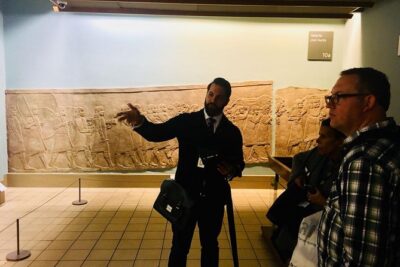 ★ 5.0British Museum London Guided Tour Semi-Private 8ppl MaxFrom $108984 reviews
 ★ 4.9British Museum Guided Tour with Entrance TicketsFrom $39748 reviews
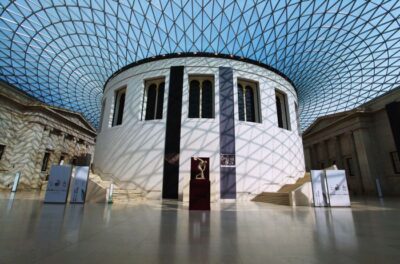 ★ 4.1Tour of the British MuseumFrom $14678 reviews
 ★ 4.5British Museum Audio Tour & Priority Entrance TicketFrom $9631 reviews
 ★ 5.0The British Museum London – Exclusive Guided Museum TourFrom $108555 reviews
 ★ 4.2Afternoon Tea at the British MuseumFrom $58511 reviews
 ★ 4.0British Museum Guided TourFrom $18470 reviews
Browse the lists this tour appears in