
Reviewed · BRITISH MUSEUM TOURS
London: British Museum: Ancient Magic and Art – Private Tour
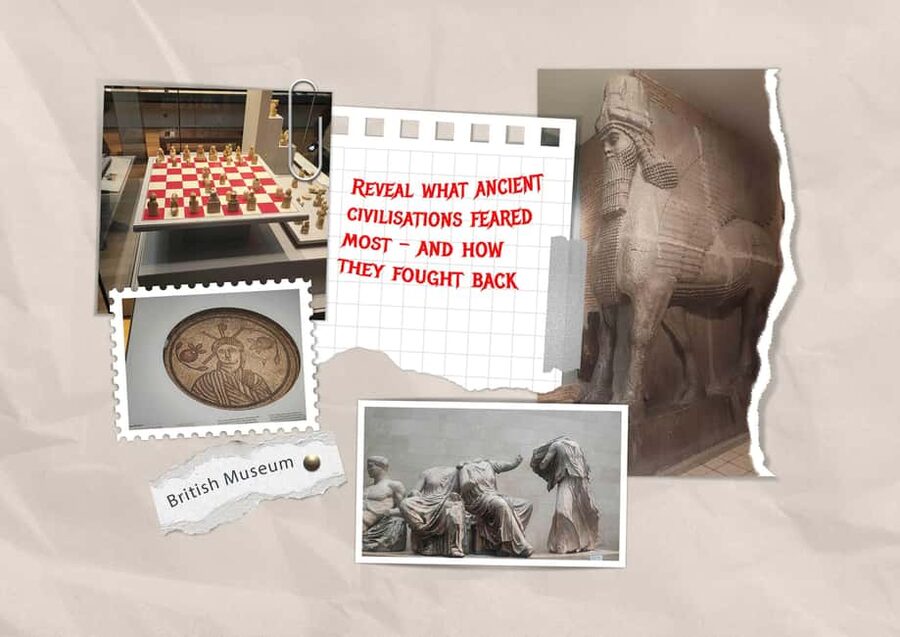
Ancient magic and museum art can sound like a gimmick, but this private tour makes it feel oddly natural. You’ll walk into the British Museum with a storyteller guide and a clear mission: connect mythology and medieval superstition to the objects that shaped how people explained the world.
What I like most is the focus. You get big hitters—the Rosetta Stone, the Parthenon Marbles, and Egyptian mummies—but you’re not pushed through them like stock photo stops. You’re led through themes: how cultures read symbols, how beauty gets defined, and how people tried to control life and death with stories and rituals.
One thing to weigh: it’s about 2 hours of moderate walking, and it’s not suitable for wheelchair users or people with mobility impairments. Also, no flash photography and no backpacks, so plan light.
In This Review
- Key things you’ll notice on this tour
- Why the British Museum works so well for a magic-and-myth theme
- The 2-hour flow: how a private tour keeps you from getting lost
- Rosetta Stone: how lost languages became readable
- Parthenon Marbles: beauty you can actually explain
- Egyptian mummies: the museum’s most human kind of fear
- Medieval comic books and Jesus Christ: secret childhood as a theme
- How the guide ties Greece, Egypt, Mesopotamia, India, and England into one story
- What to do before you arrive: shoes, photos, and bag rules
- Who this private British Museum tour suits best
- Price and value: $129 per group is only meaningful if you maximize it
- Final verdict: should you book this London private tour?
- FAQ
- Where is the meeting point?
- How long is the tour?
- Is this a private tour?
- What does the fast track include?
- Is flash photography allowed?
- Can I bring a backpack or large bag?
- Is food or drinks provided?
- What should I bring with me?
- Is the tour suitable for wheelchair users or mobility impairments?
- Can I cancel for a full refund?
Key things you’ll notice on this tour
- Fast track entry through an express security check to help you start faster
- Rosetta Stone explained as the breakthrough that made hieroglyphs readable
- Parthenon Marbles framed as an ongoing lesson in what people call beauty
- Egyptian mummies used to talk about life, death, and the “dance” between them
- Medieval superstition and Jesus comics that add a surprising, human angle to a famous story
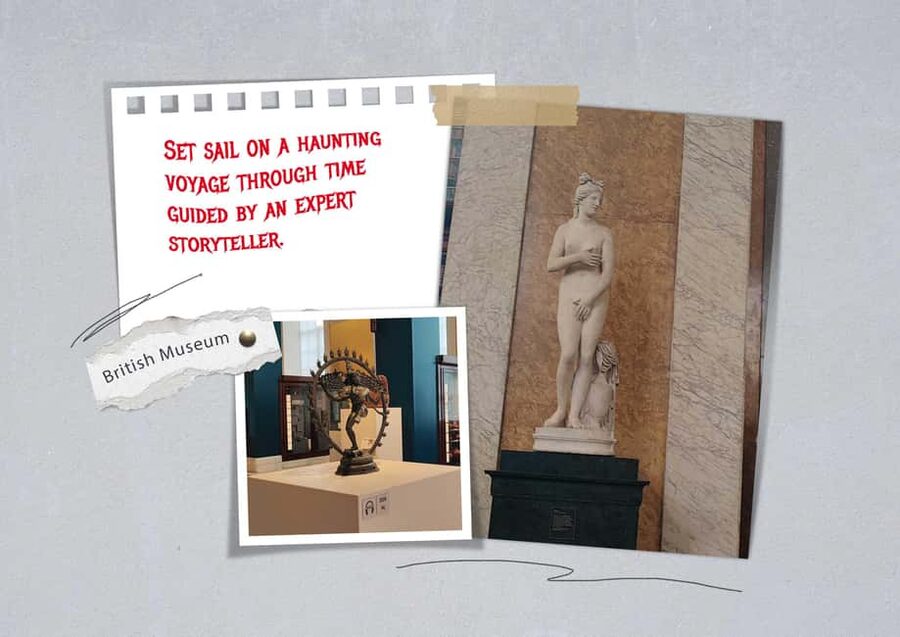
- A guide who ties ancient civilizations to later myths instead of treating them like separate worlds
More among the marbles and mummies
- London: British Museum Guided Tour
★ 4.3 · 1,182 reviews - British Museum London Guided Tour Semi-Private 8ppl Max
★ 5.0 · 984 reviews - London: British Museum Guided Tour with Entrance Tickets
★ 4.9 · 748 reviews - London: Tour of the British Museum
★ 4.1 · 678 reviews
Why the British Museum works so well for a magic-and-myth theme
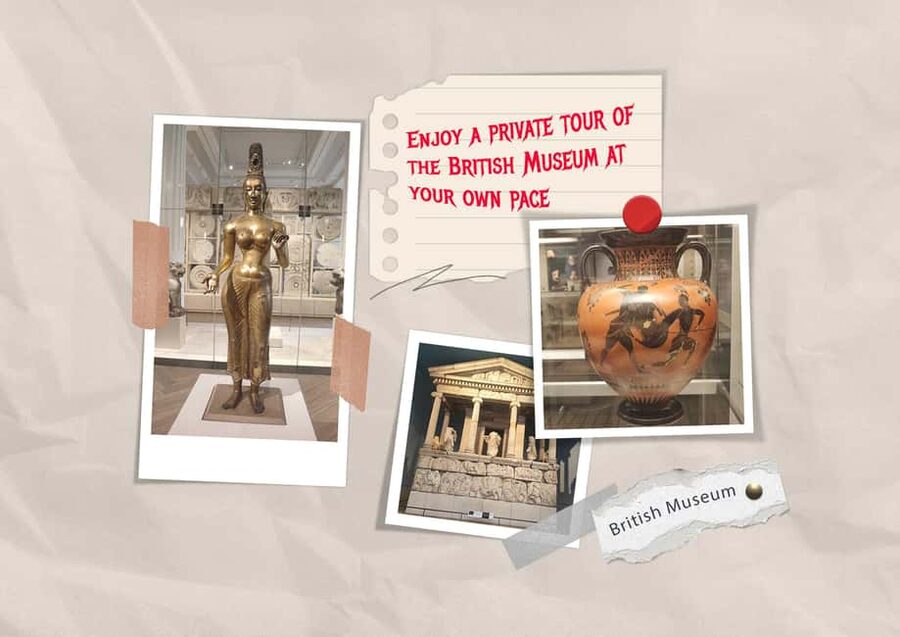
The British Museum is huge. That’s the problem. Left on your own, you’ll see a lot and understand less. This tour solves that by giving you a narrative spine—ancient magic, mythology, and the medieval beliefs people used to explain the unknown.
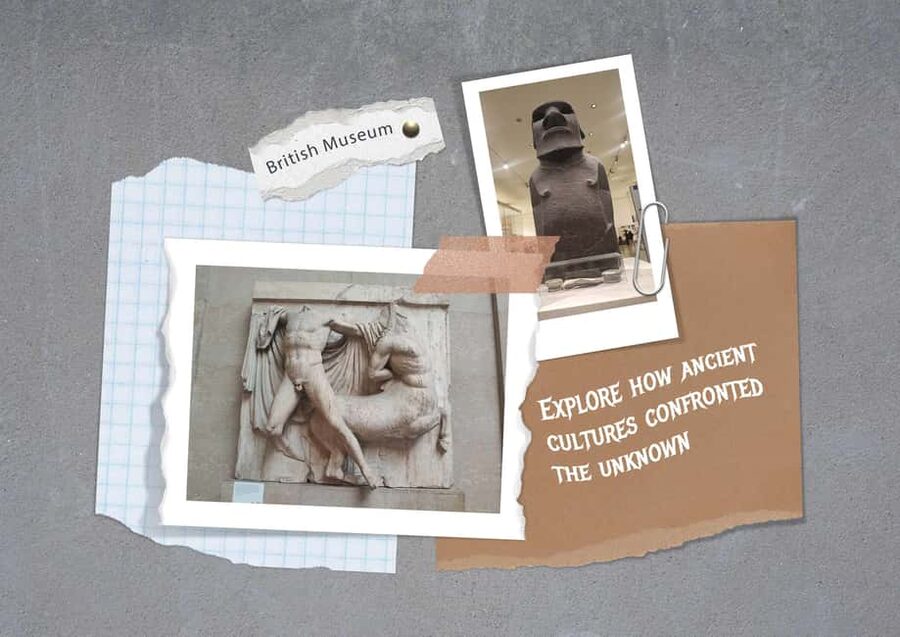
Instead of treating ancient artifacts as frozen “culture trophies,” you’re shown how they were part of real thinking. People wanted answers: why the sky looks like that, why sickness happens, why death feels so final, why beauty matters, and why certain symbols carried power. That’s what the tour leans into.
I also like how it covers more than one civilization without turning into a textbook. You’ll hear about Greece’s ideas, Egypt’s writing and medical knowledge, Mesopotamia’s inventions, India’s spiritual concepts, and England’s contributions. The best part is that those aren’t just named—they’re connected back to what you’re actually looking at in the galleries.
The 2-hour flow: how a private tour keeps you from getting lost
This is a private group experience, priced per group up to 8 people, and it runs for about 2 hours. That matters, because with the British Museum, time disappears fast. A tight private format helps you see the right objects and still get the story behind them.
You’ll meet at the group entrance of the British Museum at Edward VII’s Entrance, and your guide will be holding a sign that says My London Guide. The “meet at the entrance” part is underrated—when you’re standing inside the museum, it’s too easy to drift off-course.
The other practical win is the express security check. You skip the usual friction at the start. Once you’re inside, the guide keeps the pace readable: enough walking to feel like a real tour, but not so much that you end up rushing through everything just to stay upright.
A small note from experience with museums: there can be entry hiccups. For example, one guide named Richard handled an access issue smoothly during a recent booking. The point for you: if something odd happens at the entrance, don’t panic—your guide should be ready for it.
Rosetta Stone: how lost languages became readable
The Rosetta Stone is one of those objects that gets described constantly, but it still lands differently when you hear the meaning explained in plain language.
You’ll be shown why it matters: it’s the artifact that made hieroglyphs readable again. That’s not just a trivia win. It’s a shift in power. When a culture’s writing becomes accessible, you suddenly get access to stories, administration, beliefs, and daily life that were otherwise locked away.
What you’ll take away from this stop is how writing systems work as cultural tools. Ancient Egypt didn’t just use hieroglyphs as decoration. The tour frames them as a system tied to knowledge, status, and communication—exactly the kind of “magic” people often mythologize later. In other words: translation is treated like a kind of spell-breaking.
If you love decipherment stories, this is the moment. It also sets up the tour’s bigger theme: how humans try to make the world legible—whether through writing, symbols, or ritual stories.
Still deciding? A handful more London outings we rated

Parthenon Marbles: beauty you can actually explain
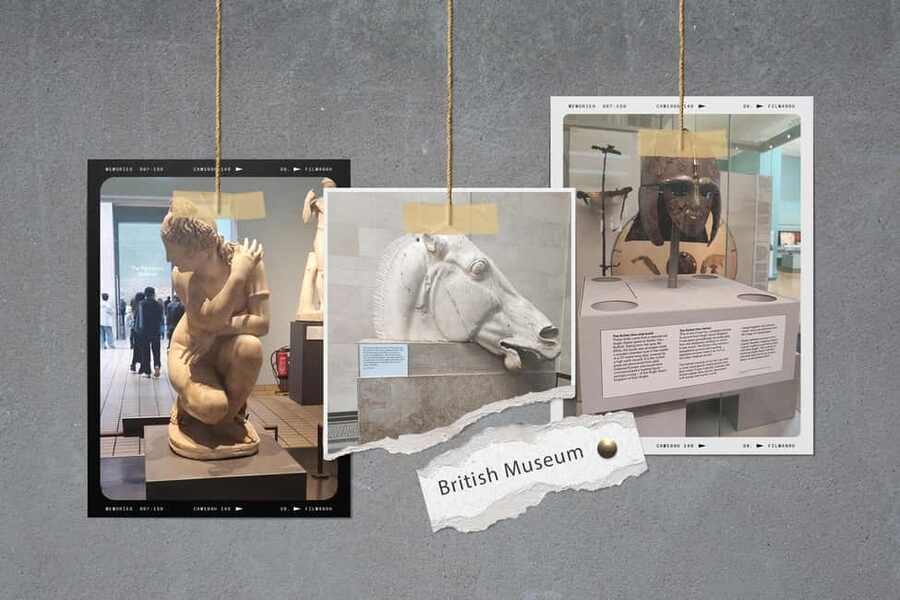
The Parthenon Marbles are often discussed like they’re just gorgeous. This tour adds something better: language for what you’re looking at.
You’ll witness the evolution of beauty, not as a modern opinion, but as a historical argument. The idea is that beauty doesn’t appear randomly. It follows rules—proportion, style, storytelling through form—and those rules influence how later societies decide what matters.
This stop works because the guide connects art to thinking. You’ll start noticing how representations of people and gods are built to communicate ideals. Even if you don’t know art history, you’ll understand the logic behind the design: they weren’t only trying to make something pretty. They were trying to create meaning that felt true.
Practical tip: at this point, take a slow look before you start listening intensely. Let your eyes do the first job. Then the guide’s framing makes those choices feel obvious.
Egyptian mummies: the museum’s most human kind of fear
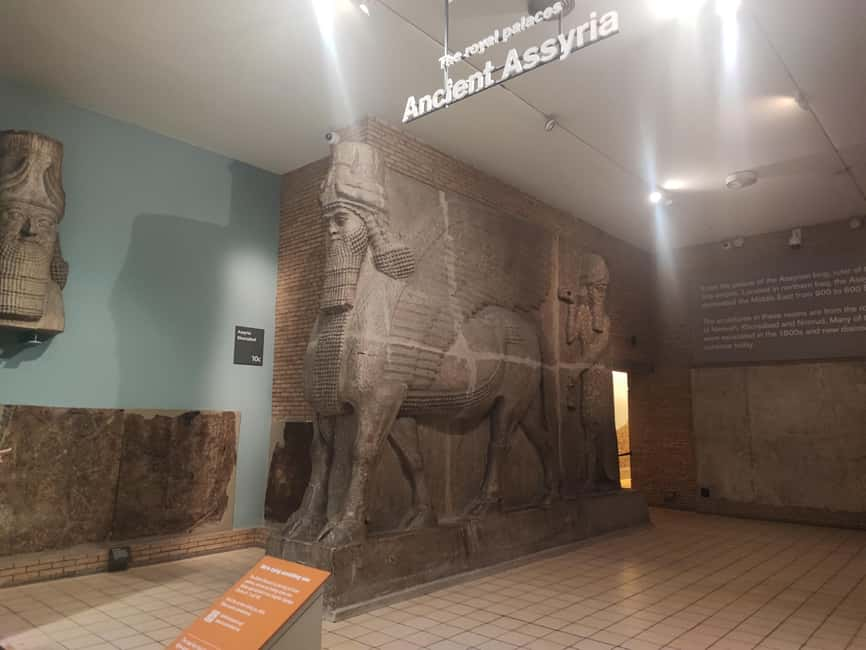
Egyptian mummies can feel like spectacle from a distance. Up close, they’re something else: evidence of how seriously people treated life’s limits.
You’ll contemplate the dance of life and death alongside the mummies. That phrasing isn’t just poetic. It matches how Egyptian beliefs are often described in big picture terms: death wasn’t treated as an ending without consequences. It was part of a longer story, and preparation mattered.
What I like is how this stop stays respectful without turning spooky. The tour ties mummies to ideas people used to manage uncertainty. That’s where the “ancient magic” theme becomes concrete. When you’re staring at a person’s preserved remains, you start to feel why people used ritual, symbols, and stories to gain control over something as final as death.
It also gives you a clearer lens for the rest of the tour. Once you’ve seen how cultures acted on beliefs, the medieval superstition pieces later feel less random and more like a continuation of human behavior—just in different clothing.
Medieval comic books and Jesus Christ: secret childhood as a theme
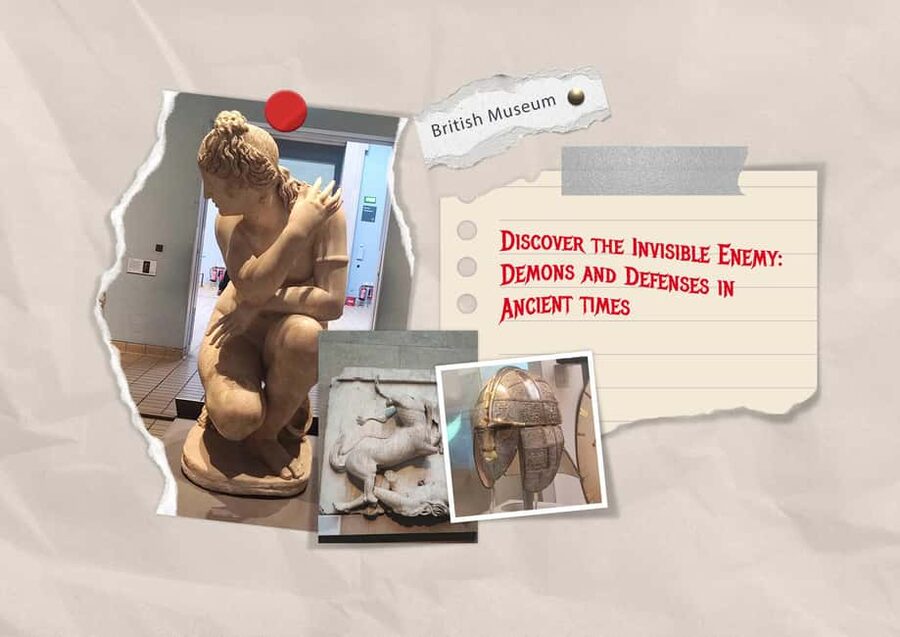
This is the part that surprised me most, and it’s also why the tour doesn’t feel like a standard “top objects” run.
You’ll uncover a thread around Jesus Christ through medieval comic-style books, framed as a secret childhood angle and tied to medieval superstition. The exact details of the story mode aren’t spelled out in the tour notes you’re given, but the theme is clear: medieval audiences consumed religious stories in ways that weren’t always the same as what you’ll hear in modern retellings.
The value here isn’t shock value. It’s understanding that stories travel and change. People reshape famous narratives to reflect what their society fears, hopes, and needs. That’s the heart of “alternative narratives beyond the traditional accounts,” said in a way that makes sense inside a museum setting.
If you’re curious about how belief systems are expressed through art formats—especially when those formats are playful or dramatic—this stop is a great fit. It also balances the weight of Egypt and ancient death with something more human: family, childhood, and the way people explain wonders.
How the guide ties Greece, Egypt, Mesopotamia, India, and England into one story
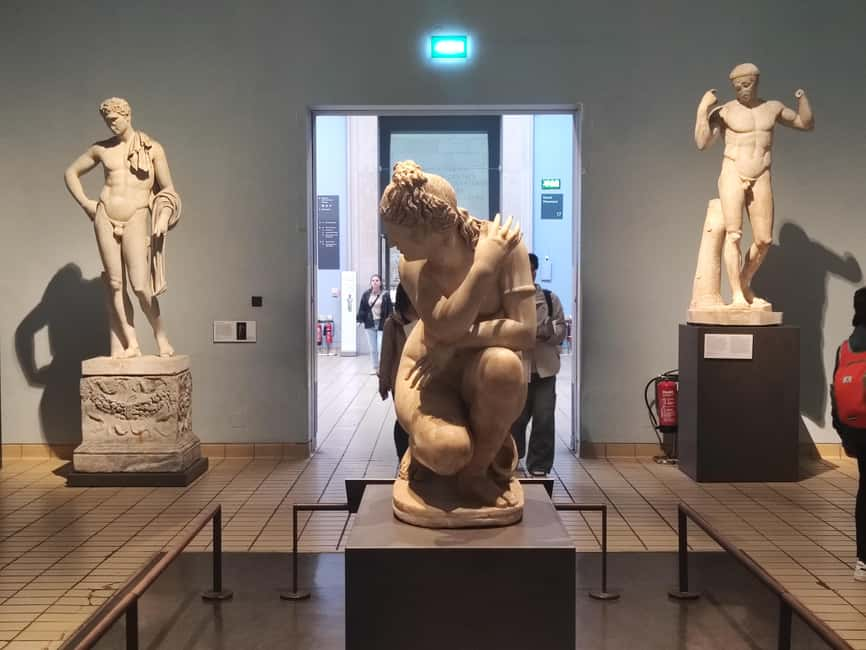
The tour isn’t only about objects. It’s about connections.
You’ll get a guided theme that traces how civilizations left their marks:
- Ancient Greece gave ideas like philosophy, democracy, and theatre—and those ideas still shape how we define art and beauty.
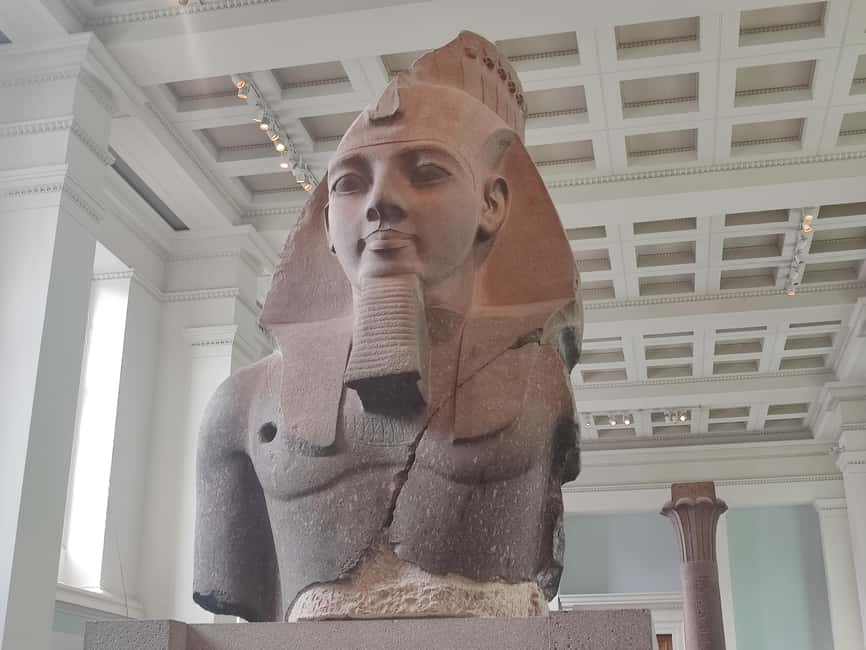
- Ancient Egypt brought hieroglyphs and remarkable medical knowledge, which matters because it shows how “magic” can sit next to real technical learning.
- Mesopotamia invented major tools and systems, from the wheel to farming foundations and siege engines—practical power that also feeds legend.
- India introduced yoga and concepts related to rebirth and spiritual enlightenment—belief translated into daily practice and worldview.
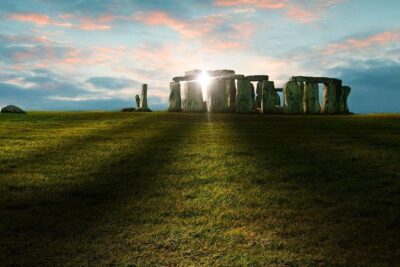
- England’s legacy connects to Stonehenge and craftsmanship, plus the roots of the English language.
You might expect those points to become a lecture. Instead, the structure keeps pulling you back to what you’re seeing: the museum objects become evidence for the story. That’s the difference between “information” and understanding.
One more smart touch: the tour explicitly focuses on ancient magic, mythology, and medieval superstitions. So you’re not just learning names and dates. You’re seeing why stories persist—because they help people interpret life, even when the facts change.
What to do before you arrive: shoes, photos, and bag rules
This is where the British Museum can trip you up if you show up wrong. You’ll be walking moderately, so comfortable shoes are the main “bring” item. You’ll also want water, plus a camera if you like photos.
Rules are clear:
- Flash photography is not allowed.
- Backpacks are not allowed inside the museum, and large bags are restricted.
- Food and drinks are not permitted inside exhibition halls.
- Photography is allowed without flash.
Plan for a light pack. If you’re traveling with a big bag, you’ll waste time sorting yourself out at the wrong moment. Keep it simple: camera/phone, water, and what you can carry comfortably.
Also, since this is a private tour, you’ll likely be near your guide. If you’re slowed down by bag logistics, it affects everyone’s flow—so get that sorted early.
Who this private British Museum tour suits best
This experience is best for you if you:
- Want a guided art and history story that feels like it belongs together, not like separate facts.
- Enjoy mythology, superstition, and the way cultures explain the unknown.
- Like seeing major museum highlights with enough context to make them click.
- Travel in a group of up to 8 and would rather pay for a private pace than compete with crowds.
It may not be your match if you need wheelchair access. The tour is listed as not suitable for mobility impairments or wheelchair users, likely due to the walking and gallery layouts.
If you’re a casual museum visitor, you’ll still get a lot. The guide is described as an expert storyteller, and the tour is in English. If you’re very deep into art history already, you’ll still appreciate the narrative approach, but you might wish you had extra time for independent reading after the tour wraps.
Price and value: $129 per group is only meaningful if you maximize it
At $129 per group up to 8, the math works out to about $16 per person if you’re at the top group size. That’s the kind of pricing that can feel like a bargain—if you actually use the private format properly.
Here’s why it’s good value:
- You get a live guide with a specific storytelling angle, not just a generic overview.
- The tour includes fast track through an express security check, which saves time at the beginning. Time is money at major London sites.
- A private group format helps you ask questions and follow a coherent theme without getting split up or shuffled.
The only caveat is shared planning. If you’re going alone, the group price might still make sense, but it depends on whether you’d otherwise spend money on multiple paid entrances, taxis, or time-saving measures. If you’re traveling with friends, it’s easier to justify—and you’ll also benefit from hearing your group’s reactions as the story unfolds.
Final verdict: should you book this London private tour?
If you want the British Museum highlights with a human story stitched through them, I’d book it. The combination of Rosetta Stone, Parthenon Marbles, and Egyptian mummies is already strong, and the medieval superstition angle adds a twist that keeps it from feeling like a standard checklist tour.
I’d think twice if you can’t manage moderate walking, or if you strongly prefer museums that let you wander silently without a guide’s structure. And do remember the simple rules: no flash, and keep your bag situation light.
If your goal is to leave the museum understanding how people used symbols, art, and beliefs to explain life—this is a smart way to do it in about 2 hours.
FAQ
Where is the meeting point?
You meet at the group entrance to the British Museum at Edward VII’s Entrance. The guide will be holding a sign that says My London Guide.
How long is the tour?
The tour lasts about 2 hours.
Is this a private tour?
Yes, it’s a private group tour.
What does the fast track include?
It includes fast track entry to the British Museum, including an express security check so you can skip the standard security queue.
Is flash photography allowed?
No. Flash photography is not allowed.
Can I bring a backpack or large bag?
No backpacks are allowed inside the museum, and large bags are not permitted.
Is food or drinks provided?
Food and drinks are not included, and food and drinks are not permitted inside the exhibition halls.
What should I bring with me?
Bring comfortable shoes, a camera, and water.
Is the tour suitable for wheelchair users or mobility impairments?
No. It is listed as not suitable for people with mobility impairments and wheelchair users.
Can I cancel for a full refund?
Yes. Free cancellation is available up to 24 hours in advance for a full refund.
More Tours in London
- From London: Harry Potter Warner Bros Studio Tour
★ 4.7 · 26,588 reviews - Magical London: Harry Potter Guided Walking Tour
★ 4.7 · 22,044 reviews - London: Warner Bros. Studio Harry Potter Tour & Branded Bus
★ 4.7 · 19,194 reviews - London Big Bus Hop-On Hop-Off Tour with Optional River Cruise
★ 3.5 · 10,803 reviews - London Small Group Tour of Historical Pubs
★ 5.0 · 10,422 reviews
More Tour Reviews in London
- From London: Harry Potter Warner Bros Studio Tour
★ 4.7 · 26,588 reviews - London: Westminster to Greenwich River Thames Cruise
★ 4.5 · 22,836 reviews - Magical London: Harry Potter Guided Walking Tour
★ 4.7 · 22,044 reviews - London: Madame Tussauds London
★ 4.6 · 20,915 reviews - London: Warner Bros. Studio Harry Potter Tour & Branded Bus
★ 4.7 · 19,194 reviews
The British Museum, Continued
- London: British Museum Guided Tour
★ 4.3 · 1,182 reviews - British Museum London Guided Tour Semi-Private 8ppl Max
★ 5.0 · 984 reviews - London: British Museum Guided Tour with Entrance Tickets
★ 4.9 · 748 reviews - London: Tour of the British Museum
★ 4.1 · 678 reviews - London: British Museum Audio Tour & Priority Entrance Ticket
★ 4.5 · 631 reviews
Just reviewed around London





British Museum Tours, compared.
 ★ 4.3British Museum Guided TourFrom $231,182 reviews
 ★ 5.0British Museum London Guided Tour Semi-Private 8ppl MaxFrom $108984 reviews
 ★ 4.9British Museum Guided Tour with Entrance TicketsFrom $39748 reviews
 ★ 4.1Tour of the British MuseumFrom $14678 reviews
 ★ 4.5British Museum Audio Tour & Priority Entrance TicketFrom $9631 reviews
 ★ 5.0The British Museum London – Exclusive Guided Museum TourFrom $108555 reviews
 ★ 4.2Afternoon Tea at the British MuseumFrom $58511 reviews
 ★ 4.0British Museum Guided TourFrom $18470 reviews
Browse the lists this tour appears in