
Reviewed · HISTORICAL TOURS
London Blitz Tour – Explore City of London Wartime History
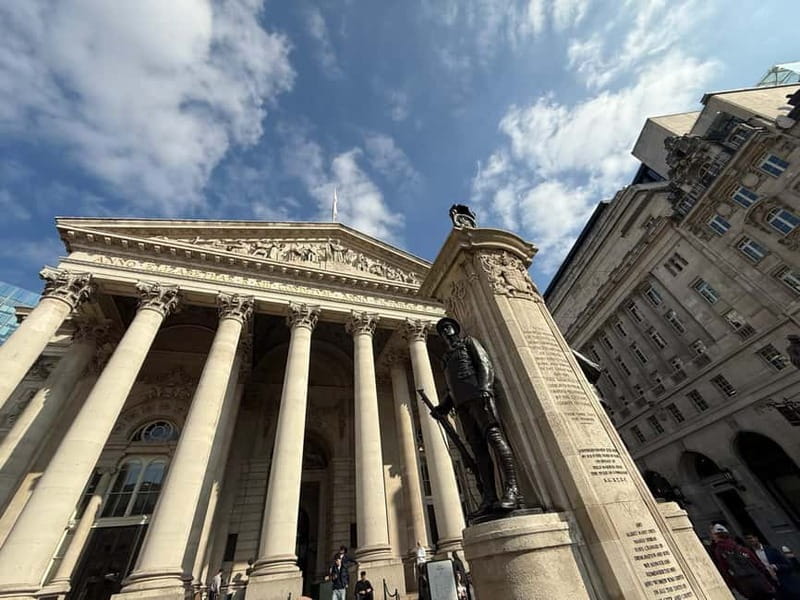
Bombs changed London, but the city fought back. On this London Blitz walking tour, I like how St. Paul’s Cathedral becomes a frontline story, and you’ll also see how small memorial spaces turn big wartime events into something you can actually picture. It’s a tight, two-hour route through the City of London, where the past sits right on street level.
Another reason I’m a fan is the way the tour connects headline moments to ordinary people, including the dark account of the bombing raid on Bank Station. One drawback to note: this is a proper walking tour focused on outdoors sites and remains, so it’s not suitable for wheelchair users or people with mobility impairments.
In This Review
- Key things you’ll notice on this London Blitz walk
- Why this London Blitz tour feels real fast
- Where you start: get oriented before the stories get heavy
- St. Paul’s Cathedral: more than a landmark after the bomb hits
- Bank Station raid: civilian danger in the City’s core
- Christ Church Greyfriars: ruins that become a peaceful memorial garden
- St. Dunstan-in-the-East remains: where quiet tells the story
- All Hallows by the Tower: sanctuary and survival
- Prisoner stories near the Tower: Josef Jakobs and the human edge
- A note on guides: why the delivery feels consistent
- Price and value: $39 for a 2-hour walk
- What the route is like in practice (and what to watch for)
- Who should book this Blitz tour (and who might not)
- Should you book the London Blitz Tour?
- FAQ
- How long is the London Blitz Tour?
- How much does it cost?
- Is the tour guided, and what language is it in?
- Is food or drink included?
- Where does the tour start?
- Is this tour suitable for wheelchair users or people with mobility impairments?
- What should I bring, and are there any rules?
Key things you’ll notice on this London Blitz walk
- St. Paul’s Cathedral as a survival story, including the role firemen played when it took hits
- Bank Station raid context, focused on civilian loss in the financial heart of London
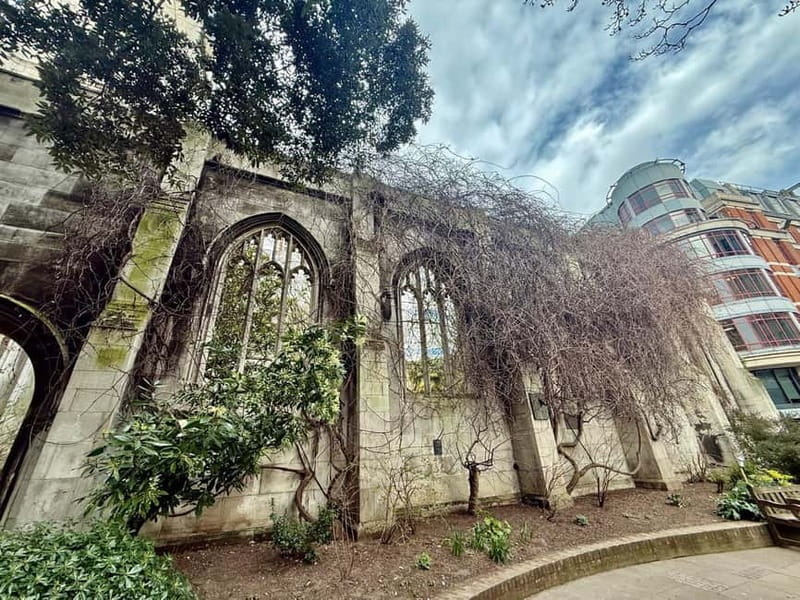
- Christ Church Greyfriars ruins turned into a calm memorial garden you can slow down in
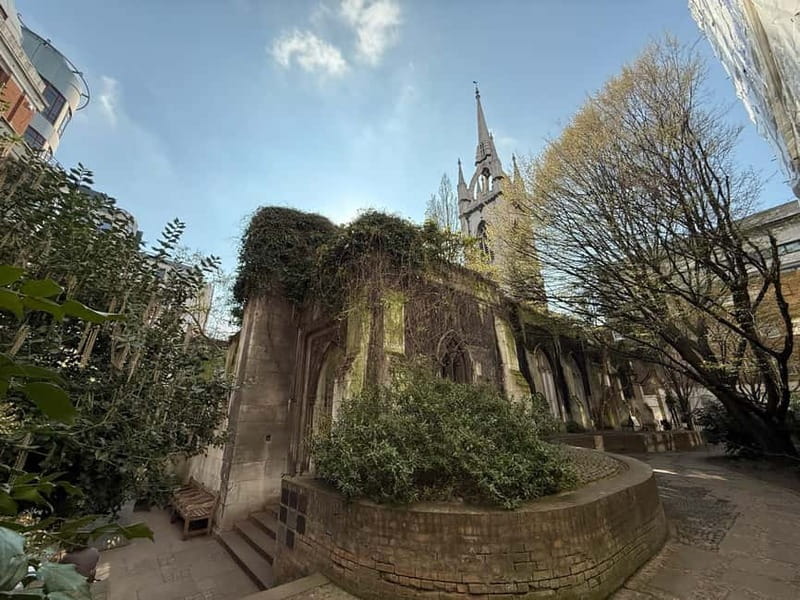
- St. Dunstan-in-the-East remains in a tranquil setting, where silence does the talking
- All Hallows by the Tower as wartime sanctuary, not just another church stop
- Josef Jakobs and other prisoner tales near the Tower, adding a human edge to the history
Still deciding? A handful more London outings we rated
- City Sightseeing London Hop-On Hop-Off Bus & Bookable Extras
★ 4.4 · 7,374 reviews - City Sightseeing London Hop-On Hop-Off Bus Tour & Bookable Extras
★ 4.0 · 1,224 reviews - London: Go City Explorer Pass® – Tickets for 2-7 Attractions
★ 4.3 · 1,111 reviews - Private Windsor Castle, Stonehenge, The City of Bath Day Tour
★ 5.0 · 468 reviews
Why this London Blitz tour feels real fast
This tour works because it keeps your feet on the ground while your mind fills in the smoke. The Blitz isn’t taught here as distant dates and damage reports. It’s told as a sequence of places—City of London landmarks, church remains, and memorial gardens—where you can look around and feel how close everything was.
You get a strong balance too: the resilience of Londoners, the destruction of air raids, and the quiet parts of memory. And because it’s only two hours, you don’t have to sit through long lectures to get the point. I also appreciate that the story stays anchored to what you can see in front of you.
Finally, the guide matters. Past groups praised guides including Nathan, Babs, Jo, and Francis for keeping momentum, answering questions, and making the details stick without turning it into a textbook.
Where you start: get oriented before the stories get heavy
The meeting point can vary depending on the option you book, so plan to show up a few minutes early and confirm the exact location. You’ll want a clear start because the tour moves through the City at a walking pace.
Before you begin, I’d treat this like a weather check for your own comfort. Bring comfortable shoes and water, and dress for the conditions. This is an outdoor route with periods where you’ll be standing, looking, and listening—so you’ll enjoy it more if your body feels good.
St. Paul’s Cathedral: more than a landmark after the bomb hits
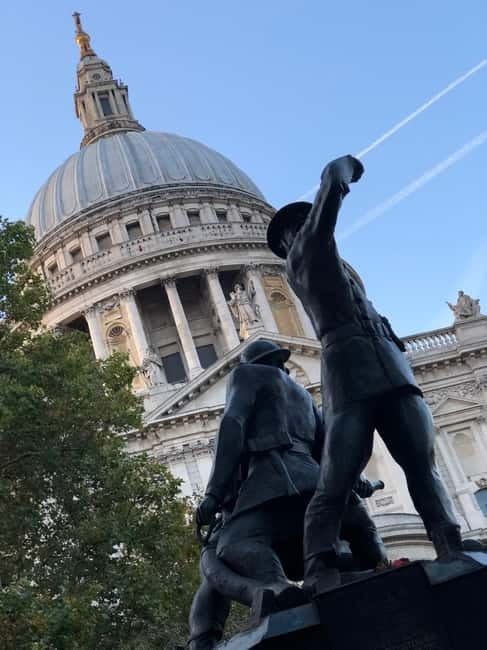
St. Paul’s Cathedral is the big emotional center of the walk. The story focuses on how it survived bomb hits and became a symbol of strength for a city under attack. That alone is powerful, because it turns a world-famous building into something closer to home for people living through the Blitz.
One of the best parts is the emphasis on the firemen who protected the cathedral. It’s not just about the structure standing; it’s about people doing urgent work while everything around them was burning. When you’re standing near the cathedral, it helps to imagine the chaos the tour is describing—so even if you know St. Paul’s already, you’ll likely see it in a new way.
There’s also a practical value here: St. Paul’s is an easy visual anchor. When the tour moves from survival to tragedy and back to quiet remembrance, that earlier cathedral story helps you mentally reset.
Still deciding? A handful more London outings we rated
Bank Station raid: civilian danger in the City’s core

Then the tour turns darker with the bombing raid on Bank Station, where dozens of civilians perished. This section matters because it shifts the conversation away from damage to buildings and toward the people caught in the middle of everyday life.
The City of London feels orderly today. The contrast is the point. By focusing on Bank Station, the tour highlights how vulnerable Londoners were, even in places associated with commerce and routine. It’s a reminder that wartime fear didn’t only live in the outskirts; it hit the heart of the city.
If you’re the type who likes context, you’ll appreciate how this stop is framed as an event, not just a label on a map. You’ll leave with a clearer sense of why the Blitz is remembered the way it is.
Christ Church Greyfriars: ruins that become a peaceful memorial garden
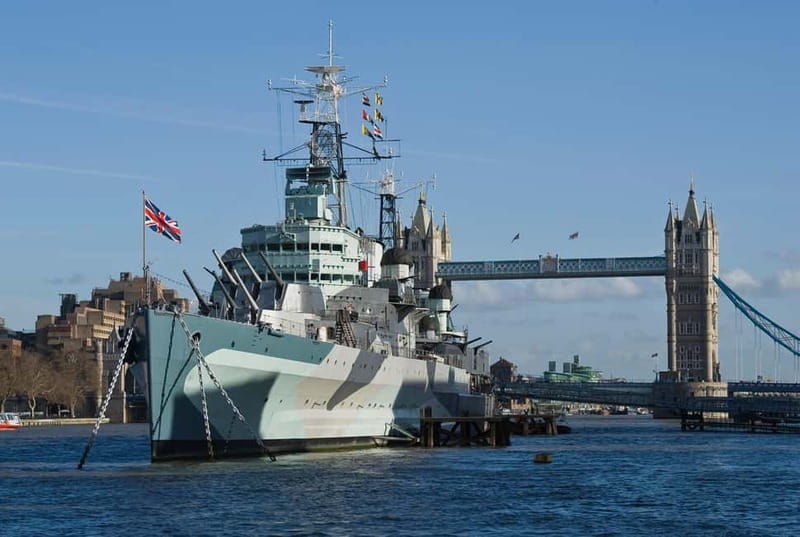
One of the most uplifting stops is Christ Church Greyfriars’ remains, now a memorial garden. You get to see the kind of space where history doesn’t demand attention in a loud way. Instead, it gives you a place to pause and take in what was lost.
This part of the tour works especially well after the intensity of the Bank Station story. The garden setting changes your pace. You can look at the remains and let the symbolism land: damage doesn’t always become permanent trauma that shouts. Sometimes it becomes a place for reflection.
I like that the tour treats the garden as part of the message, not an afterthought. The calmer environment makes it easier to absorb what the guide is connecting to the wider Blitz narrative.
St. Dunstan-in-the-East remains: where quiet tells the story
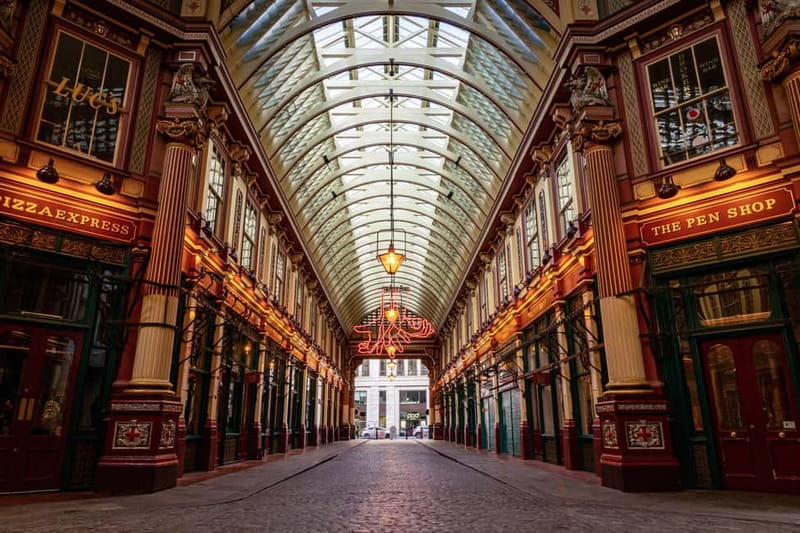
Next up is St. Dunstan-in-the-East’s remains, which are now a tranquil garden. This stop gives you another angle on the Blitz: survival isn’t only about buildings being repaired or rebuilt. Sometimes it’s about what remains and how a community chooses to remember it.
The wording around this site is simple, but the effect isn’t. Standing in a garden built from remnants makes the past feel less like a chapter in a book and more like something that shaped the lives of real people. If you’ve ever wished a tour would slow down at the right moment, this is that moment.
It’s also a helpful listening stop. Because the space is calmer, you can focus on what you’re being told, rather than trying to fight the noise of the street.
All Hallows by the Tower: sanctuary and survival
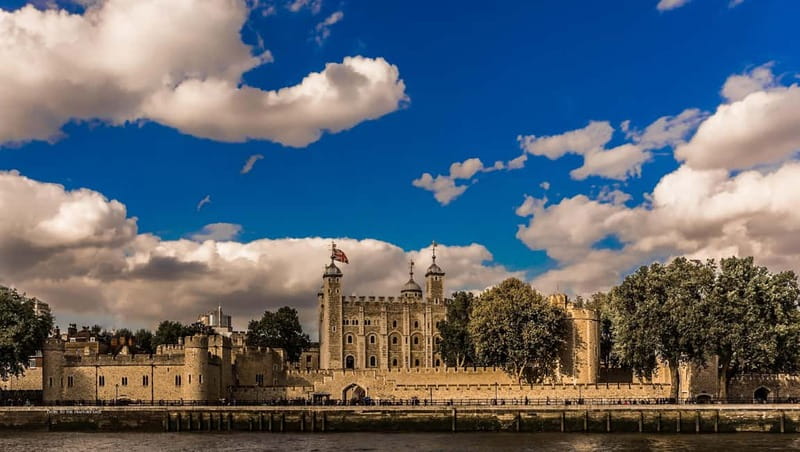
All Hallows by the Tower is included because it survived and offered sanctuary. That’s a crucial part of the Blitz story that’s easy to miss if you only focus on destruction and headline raids. Places of worship and refuge show how people tried to protect one another when safety was uncertain.
When you’re standing near the church, you can connect this to the broader theme of resilience. It’s not just grit as a slogan. It’s practical care—shelter, comfort, and a sense of order when the city didn’t feel ordered anymore.
This stop also complements the memorial gardens. The tour doesn’t only say, Remember what happened. It also shows how people coped in the moment.
Prisoner stories near the Tower: Josef Jakobs and the human edge
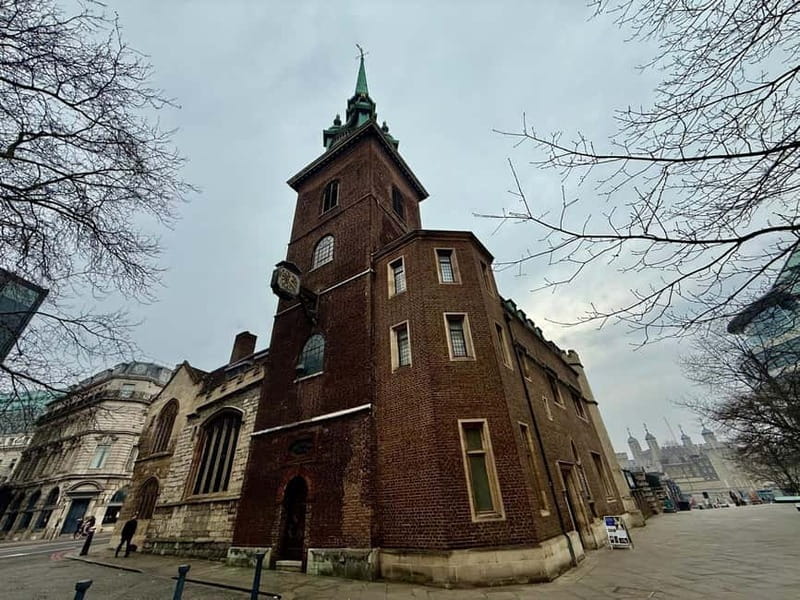
Outside the Tower, the tour shares wartime prisoner tales, including Josef Jakobs. This is where the history gains an extra layer of human scale. Up to now, you’ve heard about raids and public spaces. Here you get a different lens on how the war affected individuals beyond the immediate blast zone.
Even if you don’t know the names already, you’ll likely find this section memorable because it adds consequences that go beyond destruction. It also broadens the story past the Blitz nights and into the wider wartime system.
If you’re curious about how one war connects to many kinds of suffering—civilians, responders, and prisoners—this is the segment that will satisfy that need.
A note on guides: why the delivery feels consistent
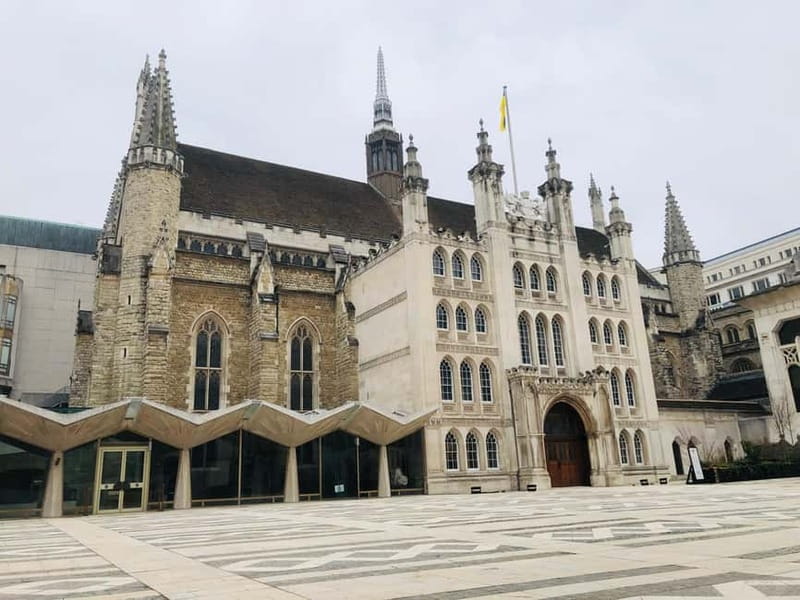
The tour’s quality isn’t just in the places. People have praised the guides for turning the story into something you can track step by step. Past groups called out Nathan for keeping things entertaining and flowing, while Babs, Jo, and Francis were praised for bringing the Blitz to life with strong storytelling and for answering questions.
What you should take from that: if you like tours where your questions feel welcome, this one is built for that. And because the guide is the link between the landmarks and the meaning, choosing a well-run group matters.
Price and value: $39 for a 2-hour walk
At $39 per person for a 2-hour walking tour, the value comes from three things: focus, locations, and interpretation. You’re not paying for a long day or multiple transit legs. You’re paying for a dense slice of WWII City of London history delivered in a way that helps you remember it.
Is it a bargain if you want purely scenic sightseeing? Maybe not. But if your goal is understanding what the Blitz meant on the ground—where people gathered, where they hid, and where tragedy struck—this price makes a lot of sense. It’s short enough to fit on a busy trip day, yet substantial enough to leave you with a real storyline.
The lack of included food also keeps the cost down, and it’s easy to handle. Just plan to grab a drink or snack before or after, depending on your schedule.
What the route is like in practice (and what to watch for)
This is a walking experience, and it’s designed for you to keep moving. That’s good for energy and attention. It’s also why comfort matters: comfortable shoes and weather-appropriate clothing aren’t optional if you want to enjoy the pacing.
You’ll spend time at stops that involve remains and memorial gardens. That means you’ll likely stand to listen more than you’d do at a museum with chairs. Bring water, especially if your day is warm.
One more small rule: smoking isn’t allowed. It’s a normal site rule, but it does help keep the experience more pleasant for everyone.
If you’re traveling with limited mobility, you should know the tour isn’t listed as suitable for wheelchair users or people with mobility impairments. In that case, you may want to look for a different format or a shorter, less step-intensive option.
Who should book this Blitz tour (and who might not)
This tour is a great fit if you want WWII history without heavy homework. You’ll get the resilience theme, the key bombing stories, and the calm memorial spaces that help the story land. It also suits people who enjoy walking tours that explain what you’re actually looking at.
It’s especially good for visitors who:
- want the City of London’s WWII story connected to major landmarks
- enjoy listening tours with time for questions
- prefer a short, high-impact outing over a long museum day
You might skip it if you need a fully seated experience, if walking long outdoor stretches is difficult, or if you only want a general overview with no focus on tragic events like Bank Station.
Should you book the London Blitz Tour?
If your trip includes the City of London and you like history you can see in real places, I’d book it. For $39 and two hours, you get a tightly connected set of stops: St. Paul’s Cathedral, the Bank Station raid story, quiet memorial gardens at Christ Church Greyfriars and St. Dunstan-in-the-East, All Hallows by the Tower, and a human add-on with Josef Jakobs.
My biggest nudge: wear good shoes and come ready to listen. This is the kind of tour that rewards attention, not speed. Do that, and you’ll walk away with a clearer picture of how Londoners endured—loudly, quietly, and on every street in between.
FAQ
How long is the London Blitz Tour?
The tour runs for 2 hours.
How much does it cost?
The price is $39 per person.
Is the tour guided, and what language is it in?
Yes. It includes an expert English-speaking guide.
Is food or drink included?
No. Food and drink aren’t included.
Where does the tour start?
The meeting point may vary depending on the option booked.
Is this tour suitable for wheelchair users or people with mobility impairments?
No. It isn’t suitable for wheelchair users or people with mobility impairments.
What should I bring, and are there any rules?
Bring comfortable shoes, water, and weather-appropriate clothing. Smoking isn’t allowed.
More City Tours in London
- City Sightseeing London Hop-On Hop-Off Bus & Bookable Extras
★ 4.4 · 7,374 reviews - City Sightseeing London Hop-On Hop-Off Bus Tour & Bookable Extras
★ 4.0 · 1,224 reviews - London: Go City Explorer Pass® – Tickets for 2-7 Attractions
★ 4.3 · 1,111 reviews - Private Windsor Castle, Stonehenge, The City of Bath Day Tour
★ 5.0 · 468 reviews - London: Speedboat Tour Through Heart of the City
★ 5.0 · 387 reviews
More Tours in London
- From London: Harry Potter Warner Bros Studio Tour
★ 4.7 · 26,588 reviews - Magical London: Harry Potter Guided Walking Tour
★ 4.7 · 22,044 reviews - London: Warner Bros. Studio Harry Potter Tour & Branded Bus
★ 4.7 · 19,194 reviews - London Big Bus Hop-On Hop-Off Tour with Optional River Cruise
★ 3.5 · 10,803 reviews - London Small Group Tour of Historical Pubs
★ 5.0 · 10,422 reviews
More Tour Reviews in London
- From London: Harry Potter Warner Bros Studio Tour
★ 4.7 · 26,588 reviews - London: Westminster to Greenwich River Thames Cruise
★ 4.5 · 22,836 reviews - Magical London: Harry Potter Guided Walking Tour
★ 4.7 · 22,044 reviews - London: Madame Tussauds London
★ 4.6 · 20,915 reviews - London: Warner Bros. Studio Harry Potter Tour & Branded Bus
★ 4.7 · 19,194 reviews
Just reviewed around London





Historical Tours, compared.
 ★ 5.0London Small Group Tour of Historical PubsFrom $4010,422 reviews
 ★ 5.0Soho Music & Historic Pubs TourFrom $441,993 reviews
 ★ 4.9Historic Pubs of Central London Walking TourFrom $391,065 reviews
 ★ 4.9Soho Music and Historic Pubs Walking TourFrom $39836 reviews
 ★ 5.0Royal Historic Pubs Walking Guided Tour in LondonFrom $44803 reviews
 ★ 5.0Private Group: Historical Pub Walking Tour of LondonFrom $173660 reviews
 ★ 4.6Rock ‘n’ Roll History TourFrom $74645 reviews
 ★ 4.7Westminster Abbey Tour with a Royal Heritage GuideFrom $93614 reviews
Browse the lists this tour appears in