
Reviewed · MUSEUMS
London: 3 Most Famous Art Galleries Tour
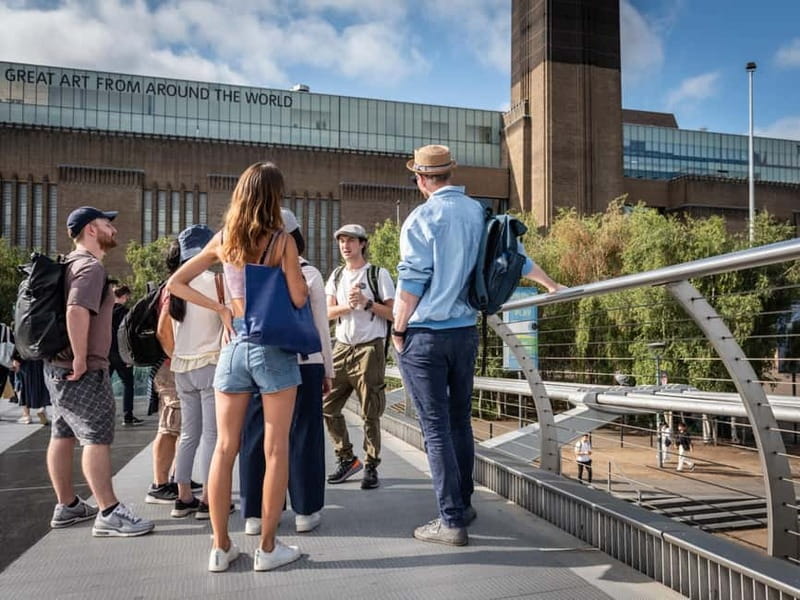
One brilliant way to understand London’s art fast. This 3-gallery tour turns big-name masterpieces into stories you can actually follow, starting at the National Gallery and ending at Tate Modern’s famous Turbine Hall. I like that you get a guide to connect what you’re seeing to what it meant, not just a list of famous paintings.
I also like the range: you’ll move from classics like Botticelli, Leonardo da Vinci, Rembrandt, Turner, Renoir, and Van Gogh, to portraits across centuries at the National Portrait Gallery, and then into modern and contemporary art at Tate Modern with artists such as Dalí, Pollock, and Rothko. One possible drawback: with a total duration of 3 hours, you’ll cover a lot, so you may want a longer visit afterward if you fall in love with one room or one painter.
In This Review
- Quick Hits I’d Prioritize
- Why This 3-Gallery Loop Works in One Afternoon
- National Gallery: Botticelli, da Vinci, Van Gogh, and the Stories Between
- Why the guide-driven approach helps here
- The one practical consideration
- National Portrait Gallery: Faces, Power, and Britons Through Time
- What I find most satisfying about this stop
- A small reality check
- Tate Modern and the Turbine Hall: Modern Art With Clearer Eyes
- Who you’ll see (and why it’s a good mix)
- One thing to know before you go
- Cost and Value: Is $91 Worth It for 3 Hours?
- Getting There and Moving Between Stops Without Stress
- Who This Tour Is Best For (and Who Might Want to DIY)
- Should You Book This London 3 Most Famous Art Galleries Tour?
- FAQ
- Where do we meet for the tour?
- What’s the nearest Tube station?
- How long is the tour?
- Is entry to the galleries free?
- What’s included in the tour price?
- What should I bring for getting around?
- Is the tour wheelchair accessible?
- What’s not allowed during the tour?
Quick Hits I’d Prioritize
- National Gallery stories that connect famous works by Botticelli, Leonardo da Vinci, Rembrandt, Turner, Renoir, and Van Gogh to the bigger picture
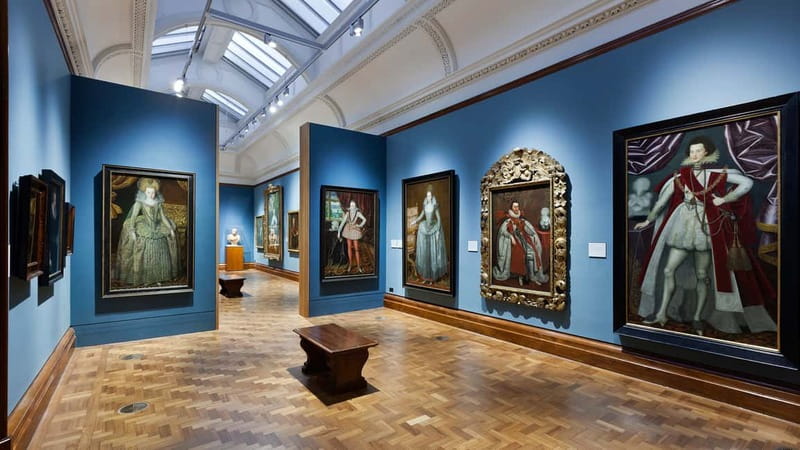
- World’s largest portrait collection vibe, spanning faces from the late Middle Ages to today, including British Monarchy
- Tate Modern’s Turbine Hall as a built-in wow moment, plus major names from Cézanne to Bourgeois
- A real local art guide, so you’re not stuck staring and guessing what you’re looking at
- Free entry to the galleries (you can donate at the door), which makes the tour cost mostly about the guide and planning
Still deciding? A handful more London outings we rated
- Tower of London and Crown Jewels Exhibition Ticket
★ 4.5 · 6,677 reviews - London: Chelsea Football Club Stadium and Museum Tour
★ 4.8 · 4,576 reviews - Chelsea FC Stadium Tours and Museum
★ 5.0 · 1,908 reviews - London: British Museum Guided Tour
★ 4.3 · 1,182 reviews
Why This 3-Gallery Loop Works in One Afternoon
If you’re short on time, London can feel like art overload. This tour keeps it sane by stacking three big targets—National Gallery, National Portrait Gallery, and Tate Modern—into a single walkable-in-your-planning day. The timing is 3 hours, so you’re getting momentum without committing to a full museum marathon.
What makes it especially useful is the guiding approach. Instead of bouncing randomly, the tour is structured around themes and context: history, meaning, and the story behind well-known paintings. That matters because the best galleries reward more than your eyeballs. You start noticing details—composition choices, symbolism, and what an artist was trying to communicate—once someone gives you the “why.”
Another smart part: each stop has a different “art job.” The National Gallery helps you understand painting history. The Portrait Gallery reframes art as identity and power. Tate Modern throws you into modern ideas—sometimes challenging ones—without leaving you to figure it out alone. If you’re the type who wants to leave with a few clear takeaways, this format does that.
National Gallery: Botticelli, da Vinci, Van Gogh, and the Stories Between
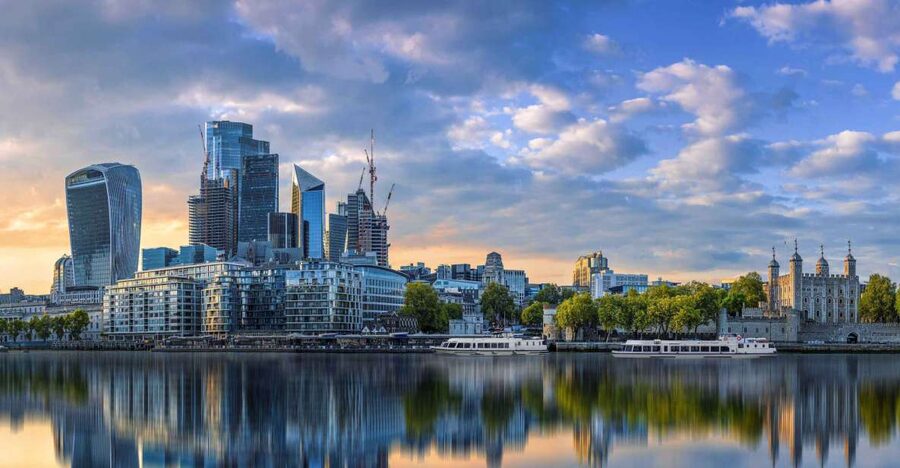
The tour begins at the National Gallery Sainsbury Wing, with a meeting point outside that entrance. If you’re arriving by Tube, the nearest underground stations are Charing Cross or Leicester Square. Starting here is practical: you’re already anchored in one of London’s most visitor-friendly museum setups.
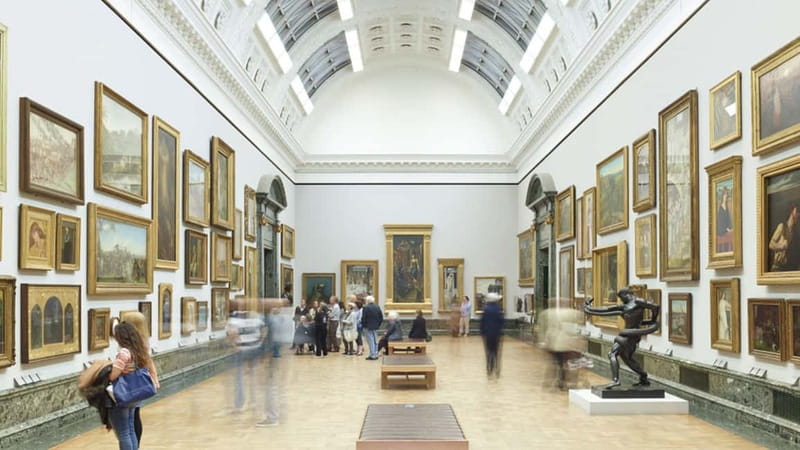
At the National Gallery, you’ll explore paintings by Botticelli, Leonardo da Vinci, Rembrandt, Gainsborough, Turner, Renoir, and Van Gogh. You’re not just looking at famous names; you’re learning what the paintings are doing and why they became “must-see” works. That’s the real value. When you hear the story behind a piece—where it fits in an artist’s career, what was happening historically, and what details matter—you tend to see more than you would on your own.
Why the guide-driven approach helps here
Classic galleries can quietly punish impatience. You get ten minutes in front of a masterpiece, then you feel you should move on, even if you’re still soaking it in. With this tour, the guide keeps you moving with purpose—so you don’t just see “a painting,” you see a painting with context.
I love when the guide points out meaning and history without turning it into a lecture. You start noticing patterns: how artists used light and gesture, how portrait-like scenes differ from religious or mythological storytelling, and how styles shifted across centuries. It also helps you avoid the common trap of only chasing the loudest masterpieces. A good guide makes less-obvious choices feel just as relevant.


The one practical consideration
Even with guidance, the National Gallery is big. In a 3-hour tour, you’ll see selected works rather than everything. If you’re the type who wants to spend a long time with just one Van Gogh or one da Vinci, you’ll likely want to return later on your own. For a first taste, though, this start is excellent.
National Portrait Gallery: Faces, Power, and Britons Through Time
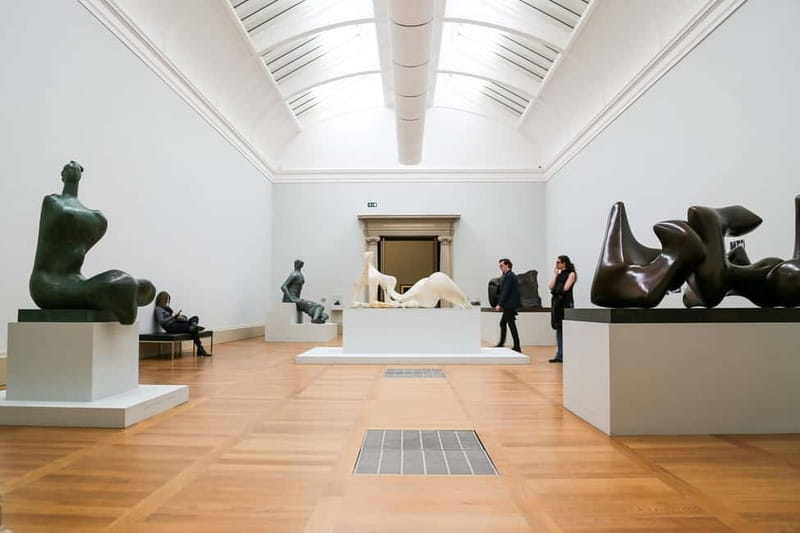
Next stop: the National Portrait Gallery. This is where the tour changes gears. Instead of painting schools and eras, you’re looking at faces, personalities, and how people wanted to be remembered.
The Portrait Gallery holds the world’s largest collection of portraits, stretching from the late Middle Ages to the present day. You’ll see artists such as Holbein to Hockney. And yes, the British Monarchy is on display here. That combination—royal history plus changing portrait styles—makes the gallery feel like a visual timeline of who mattered and how they presented themselves.
What I find most satisfying about this stop
Portraits are personal, even in a museum. A landscape or still life can be enjoyed quietly. A portrait asks questions. Who is this person? How are they being shown? What does their expression (or lack of expression) suggest? In a guided visit, those questions get answered in a way that helps you decode what you’re seeing without stealing the fun.
This stop also gives you an easy “bridge” from the National Gallery. After spending time with paintings that often rely on symbols and storytelling, portraits bring you back to human identity. You start to understand art not only as technique, but as messaging.
A small reality check
Because you’re moving through three galleries, you won’t linger on every portrait. If portraits are your thing, you might feel the urge to slow down. The tour is still worth it because it helps you find the parts you’d want to return to—especially once you’ve seen the range from Holbein-era formality to later styles.
Tate Modern and the Turbine Hall: Modern Art With Clearer Eyes
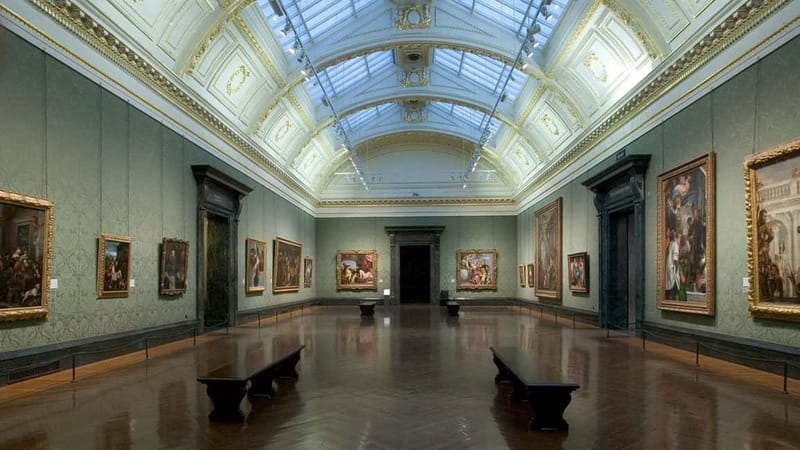
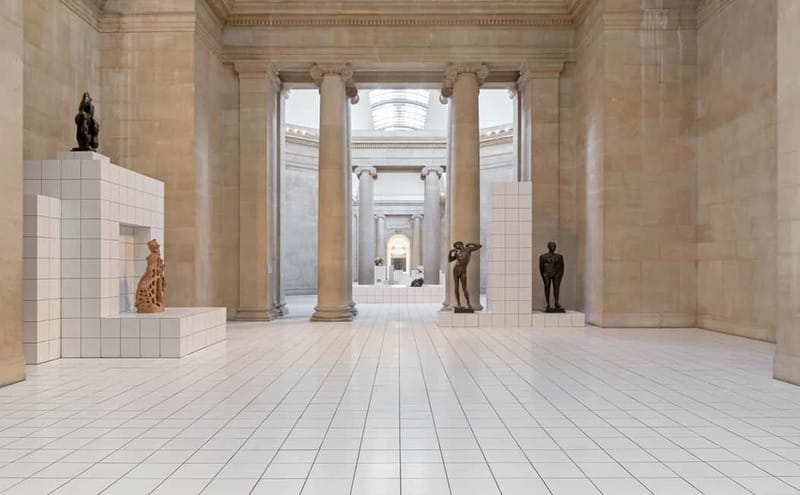
The last stop is Tate Modern, Britain’s national museum of modern & contemporary art from around the world. Tate’s layout can be a bit intimidating at first because it’s not organized like a single-file history book. That’s exactly why the guided part matters here.
The tour includes the awe-inspiring Turbine Hall, which runs the length of the building. Even if you’re not a die-hard modern art fan, seeing that space makes the building feel like part of the experience. It changes how you move and how you look.
Who you’ll see (and why it’s a good mix)
You’ll encounter works by Cézanne, Bonnard, Matisse, Picasso, Rothko, Dalí, Pollock, Warhol, and Bourgeois. That’s a strong mix: early modern painters, then the big headline-makers of mid-century, then the pop and conceptual names that many people recognize even if they don’t fully understand.
In practical terms, this mix is a win because it covers multiple types of modern thinking:
- Paint as structure (think Cézanne / Matisse)
- Paint as distortion or emotion (think Picasso / Dalí)
- Paint as color fields or atmosphere (think Rothko)
- Art as idea and culture (think Warhol / Bourgeois)
- Art as motion, risk, and process (think Pollock)
When a guide gives you the story behind what you’re seeing, modern art becomes less like a puzzle box and more like a set of decisions. You start asking better questions: Why this shape? Why this color choice? Why this subject? Why now?
One thing to know before you go
Tate Modern can feel like a lot in a short time. That’s not a flaw in the tour; it’s just the nature of contemporary collections. If you like taking photos and spending long stretches in one gallery, you may leave wanting more time. For getting oriented and leaving with a sharper reading of modern art, though, this ending is hard to beat.
Cost and Value: Is $91 Worth It for 3 Hours?
At $91 per person for a 3-hour tour, you’re paying for three things: guided interpretation, itinerary planning, and the time-saving benefit of seeing three top-tier London museums in one go.
Here’s the important value angle: entry to the galleries is free of charge. You can also choose to make a small donation at the door to support upkeep, but there’s no pressure. That means your money isn’t buying museum admission—it’s buying the guide and the structure.
So the real question is: do you want someone to help you read the art? If you’re comfortable walking through museums and figuring things out by yourself, you might not need a guided tour. But if you’d rather spend your energy understanding what matters—especially at Tate Modern—then paying for a guide is a smart trade.
Also, the tour doesn’t include food and drinks, and it doesn’t include transport between galleries. You’ll want to plan transit yourself, and you’ll need a contactless credit/debit card or Oyster card. If you already use Oyster/TfL often, that’s easy. If you’re visiting from outside London and aren’t used to the system, you may want to budget extra time to get your transit ready.
Getting There and Moving Between Stops Without Stress
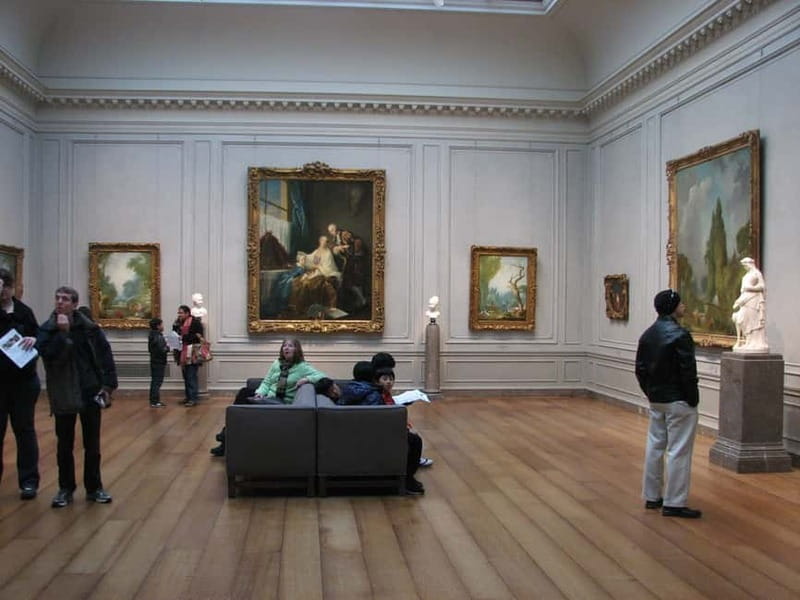
Meeting point is outside the National Gallery Sainsbury Wing, with Tube access from Charing Cross or Leicester Square. That’s helpful because you can pick the Tube line that gets you closest without overthinking it.
Transport between the galleries is on you. The tour specifically suggests you bring a contactless card or Oyster card. This matters because you’re moving fast. If you’re fumbling with ticket machines or cash, you’ll lose time and energy in a tour where the entire experience is only three hours.
A few tips from what’s allowed on the tour:
- Wear comfortable shoes. You’ll be on your feet across multiple sites.
- Weather changes fast in London. Bring weather-appropriate clothing so you don’t spend the tour wishing you dressed differently.
- Don’t bring luggage or large bags, and avoid flash photography.
If you want the smoothest experience, travel light and keep your photo habits on a normal, non-flash setting. You’ll enjoy the pacing more.
Who This Tour Is Best For (and Who Might Want to DIY)
This tour fits best if:
- You want a guided introduction to three of London’s top art stops without planning a full day.
- You like learning the story behind masterpieces—what’s going on, and why the artist choices matter.
- You’re curious about modern art but would rather get help reading it than guess on your own.
- You’re traveling with mixed art interests and want something that has something for everyone.
It might be less ideal if:
- You want to spend long hours inside one gallery and go deep on your favorite artist.
- You strongly prefer self-guided museum time with total freedom over pacing.
The sweet spot is a first-time visitor, or someone who’s seen London’s main sights and now wants high-value cultural time. It’s also a good choice for visitors who like their “top famous” experiences but don’t want them to feel shallow.
Should You Book This London 3 Most Famous Art Galleries Tour?
I’d book it if you want a structured, story-led art day that hits the National Gallery, Portrait Gallery, and Tate Modern in 3 hours. The biggest reason is the guide: you’re paying for interpretation, and that’s where you’ll likely get the most lift—especially at Tate Modern.
Book it if you’re curious about the masterpieces listed and you want help connecting names like Van Gogh, Leonardo da Vinci, Dalí, Pollock, Rothko, and Bourgeois to what you’re actually looking at. Also, the fact that museum entry is free is a real plus. You get professional guidance without paying extra admission fees.
Skip it (or consider a self-guided plan) if you already know you want to linger for hours or if you only want one gallery. This tour is designed for coverage and clarity, not maximum time in any single room.
If you want the fast, smart version of London art—this is a solid pick.
FAQ
Where do we meet for the tour?
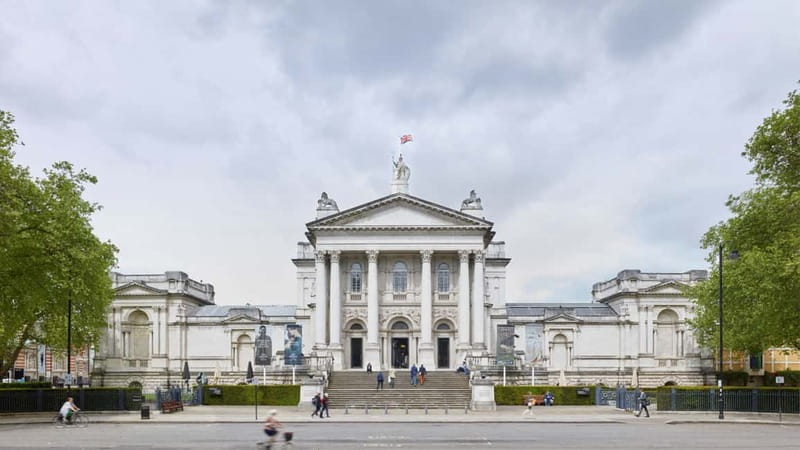
You meet outside the National Gallery Sainsbury Wing.
What’s the nearest Tube station?
The nearest underground stations are Charing Cross or Leicester Square.
How long is the tour?
The tour lasts 3 hours.
Is entry to the galleries free?
Yes. Entry to the National Gallery, National Portrait Gallery, and Tate Modern is free of charge. You can make a small donation at the door if you’d like.
What’s included in the tour price?
You get guided tours of the National Gallery, National Portrait Gallery, and Tate Modern, plus a local art guide.
What should I bring for getting around?
Transport between galleries isn’t included, so bring a contactless credit/debit card or an Oyster card for travel.
Is the tour wheelchair accessible?
Yes, the tour is wheelchair accessible.
What’s not allowed during the tour?
Luggage or large bags aren’t allowed, and flash photography isn’t allowed.
More Museums in London
- Tower of London and Crown Jewels Exhibition Ticket
★ 4.5 · 6,677 reviews - London: Chelsea Football Club Stadium and Museum Tour
★ 4.8 · 4,576 reviews - Chelsea FC Stadium Tours and Museum
★ 5.0 · 1,908 reviews - London: British Museum Guided Tour
★ 4.3 · 1,182 reviews - Official tickets: Moco Modern & Contemporary Art Museum
★ 4.5 · 1,157 reviews
More Tours in London
- From London: Harry Potter Warner Bros Studio Tour
★ 4.7 · 26,588 reviews - Magical London: Harry Potter Guided Walking Tour
★ 4.7 · 22,044 reviews - London: Warner Bros. Studio Harry Potter Tour & Branded Bus
★ 4.7 · 19,194 reviews - London Big Bus Hop-On Hop-Off Tour with Optional River Cruise
★ 3.5 · 10,803 reviews - London Small Group Tour of Historical Pubs
★ 5.0 · 10,422 reviews
More Tour Reviews in London
- From London: Harry Potter Warner Bros Studio Tour
★ 4.7 · 26,588 reviews - London: Westminster to Greenwich River Thames Cruise
★ 4.5 · 22,836 reviews - Magical London: Harry Potter Guided Walking Tour
★ 4.7 · 22,044 reviews - London: Madame Tussauds London
★ 4.6 · 20,915 reviews - London: Warner Bros. Studio Harry Potter Tour & Branded Bus
★ 4.7 · 19,194 reviews
Just reviewed around London





Museums, compared.
 ★ 4.5Tower of London and Crown Jewels Exhibition TicketFrom $496,677 reviews
 ★ 4.8Chelsea Football Club Stadium and Museum TourFrom $434,576 reviews
 ★ 5.0Chelsea FC Stadium Tours and MuseumFrom $441,908 reviews
 ★ 4.3British Museum Guided TourFrom $231,182 reviews
 ★ 4.5Official tickets: Moco Modern & Contemporary Art MuseumFrom $361,157 reviews
 ★ 5.0British Museum London Guided Tour Semi-Private 8ppl MaxFrom $108984 reviews
 ★ 4.2Jack the Ripper Museum TicketsFrom $18894 reviews
 ★ 4.9British Museum Guided Tour with Entrance TicketsFrom $39748 reviews
Browse the lists this tour appears in