
Reviewed · WALKING TOURS
Jack the RIPPERS Walk: How MANY RIPPERS Were There?
A solved case it isn’t, and that’s the fun. This private walk with Sam’s Walks takes you through the East End’s key 1888 stops while keeping the discussion lively, grounded, and question-friendly. I love the focus on specific locations like Brick Lane Market and Mitre Square, and I like that you set the pace on a private route instead of being herded like luggage. One possible drawback: if you want a strictly factual, no-speculation-only experience, this one clearly leaves room for theories about whether there may have been more than one killer.
You’ll start near Tower Hill TramTrinity Square at 5:00 pm and finish in Whitechapel near Aldgate East. The whole thing is about 2 hours, with a mobile ticket and stops built around short, easy walks and plenty of time to ask questions.
The headline question is simple: How many Rippers were there? Sam builds the standard story, then lets you work through the evidence and the arguments that have kept this case open in people’s minds for generations.
In This Review
- Key things you’ll notice on this walk
- Entering the 1888 trail from Tower Hill to Whitechapel
- Price and value: what $27.53 buys you
- Who this tour is for (and who may not love it)
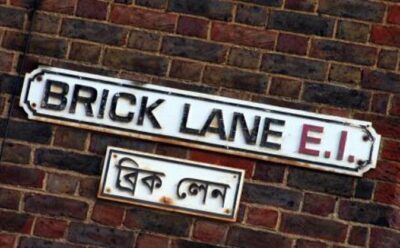
- Stop 1: Brick Lane Market and the names you can place
- Stop 2: Spitalfields Market and the city routine of 1888
- Stop 3: Mitre Square in the City and the Double Event
- What Sam brings to the story: questions, clarity, and visuals
- How the route and timing feel in real life
- Value for your money: the parts that make it more than a checklist
- Quick practical tips so you get the most out of it
- Should you book this Jack the Ripper walk?
- FAQ
- How much does the Jack the RIPPERS walk cost?
- How long is the tour?
- Is this tour private or shared?
- What time does the tour start?
- Where do I meet and where does it end?
- Is there an admission fee for the stops?
- What’s included in the tour?
- Is transportation included?
- Is it easy to reach using public transit?
- What if plans change—can I cancel?
Key things you’ll notice on this walk
- A private pace so you can ask questions without shouting over a big crowd
- Brick Lane Market tied to Emma Smith, Martha Tabram, and Mary Ann Nichols
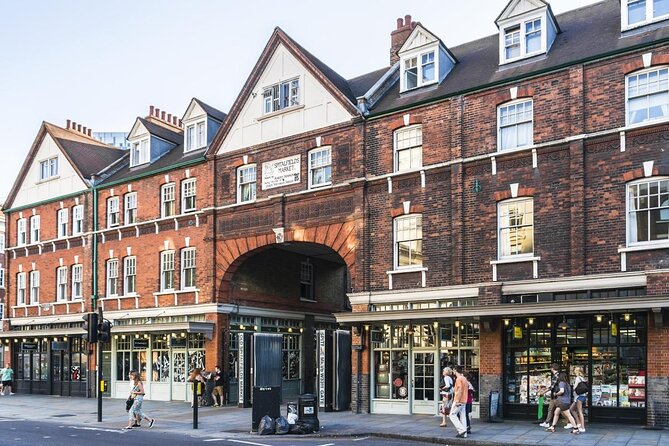
- Spitalfields Market with pub, bar, cafe, and lodging-house context around 1888
- Mitre Square (City of London) connected to Catherine Eddowes and the Double Event
- Media images and data used to reinforce the story as you walk
- A guide named Sam who’s animated, passionate, and easy to follow at street level
Still deciding? A handful more London outings we rated
- Magical London: Harry Potter Guided Walking Tour
★ 4.7 · 22,044 reviews - London: The Original Jack the Ripper Walking Tour
★ 4.7 · 7,833 reviews - Tour for Muggles The Ultimate Harry Potter Walking Tour in London
★ 5.0 · 4,684 reviews - London Jack The Ripper Guided Walking Tour
★ 5.0 · 3,131 reviews
Entering the 1888 trail from Tower Hill to Whitechapel
If you’ve ever tried to read about Jack the Ripper and thought, Yes, but where was everything in real life—this tour answers that problem fast. You get a route that connects major street-level places in a way that’s easy to picture, not just a list of famous names.
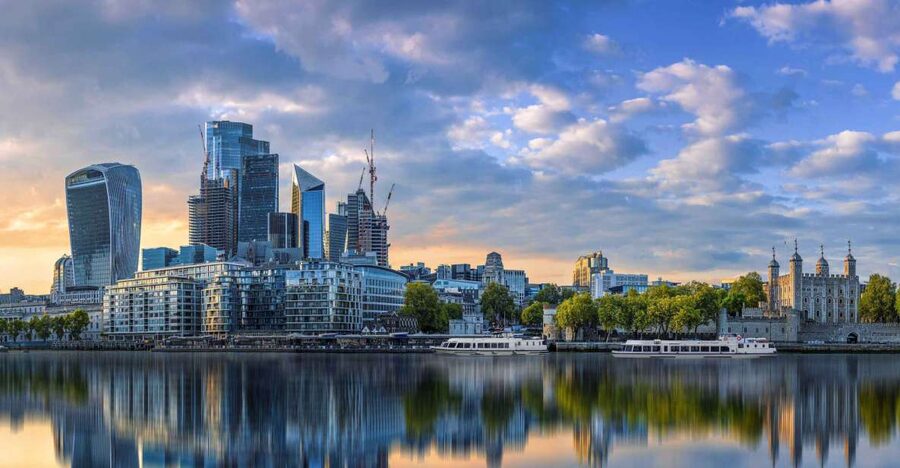
Logistically, it’s simple. You meet at Tower Hill TramTrinity Square, London EC3N 4TH around 5:00 pm. You finish at Aldgate East, Whitechapel High St, London E1 7PT. That end point matters: it puts you close to the broader Whitechapel area if you want to keep exploring after the tour, instead of dropping you back in the middle of nowhere.
The private format is a real value add. Even though the walk is only about 2 hours, being in a group just of your party changes the vibe. You can ask follow-ups as they occur to you, rather than waiting your turn.
And yes, it’s designed for street-level walking. You’ll be moving through London neighborhoods where the story is tied to everyday places—markets, pubs, and squares—rather than inside a museum with rope barriers.
Price and value: what $27.53 buys you
At $27.53 per person, this is priced like a mid-range walking tour, not a luxury experience. The key question is what you get for that money—and you do get several practical things.
You’re paying for:
- A private 2-hour walk (so you’re not just buying a route; you’re buying guidance)
- A Q-and-A style of storytelling where questions are actively encouraged
- Media images and data that support the narrative beyond spoken words
- Stop timing that keeps the tour moving without feeling rushed—around 40 minutes, 30 minutes, and 50 minutes across the three main areas
Also, the tour doesn’t ask you to pay extra to enter the specific sites you visit. The stops are listed as admission ticket free, which keeps your total cost predictable.
The one thing not included is private transportation—which, honestly, doesn’t matter much here because the route is built for walking and the start and end points are near public transit.
Who this tour is for (and who may not love it)
This walk fits best if you:
- Enjoy crime-case style history told through places you can actually stand in
- Like comparing theories, not just memorizing facts
- Want a guide who can explain the mainstream storyline clearly and then talk through the “what if” questions
You might not love it as much if you’re strict about one-track interpretation. The title question—how many Rippers—isn’t a tease. The tour is set up to discuss why some evidence points toward the possibility of more than one killer.
In other words, it’s for people who enjoy thinking. If that’s your thing, you’ll probably have a great time.

Stop 1: Brick Lane Market and the names you can place
The first stop is Brick Lane Market, and it’s a strong opener because it gives you an immediate sense of where key events happened. You’re looking at the area where Emma Smith was attacked, where Martha Tabram was killed, and where Mary Ann Nichols had her last drink before meeting the Ripper.
What makes this stop valuable isn’t just the names. It’s the way it turns “Victim X” into something you can picture: a street corner, a market setting, a place where a person could have been moving through daily life. That change from abstract to concrete is often what helps things click when you’re new to the case.
Time here is about 40 minutes, which is enough to:
- Hear the story in a clear sequence
- Pause and ask questions
- Take in the street reality without feeling like you’re sprinting to the next location
A practical tip: wear shoes you trust. Brick Lane is the kind of place where your legs will do most of the learning, so comfy footwear buys you a better tour.
Stop 2: Spitalfields Market and the city routine of 1888
Next you head to Spitalfields Market (E1) for about 30 minutes. This part shifts from the most famous moments to the broader daily environment. You’ll see multiple locations tied to 1888, including bars, pubs, and cafes connected with the victims and the Ripper(s). You’ll also see where lodging houses used by the victims were located.
Why this stop matters: it helps you understand the case as something happening inside a living neighborhood, not a set of isolated scenes. Places where people ate, drank, socialized, or slept tend to tell you more about patterns than a lone headline event. Even if you’re not a “pattern person,” standing in a market area helps you grasp why the debate can drift toward motivations and methods rather than just one-off tragedies.
One consideration here is pacing. Since the stop is shorter, you’ll get a guided sense of the places, but you won’t have hours to wander on your own. If you want to linger, ask Sam early whether there’s time after the main explanation to take a couple photos and step back into the scene for your own context.
Also, if you’re the type who likes to connect history to modern London, Spitalfields makes that easy. Markets have a continuity that makes the 1888 references feel less like a faraway story.
Stop 3: Mitre Square in the City and the Double Event
Your last major stop is in the City of London, focused on what was Mitre Square—linked to Catherine Eddowes on the night of the Double Event.
This is the part of the walk where the case narrative tightens. “Double Event” is one of those case terms that can sound abstract until you understand why two major incidents clustered in time mattered to how people talked about the threat and the mystery.
Time here is about 50 minutes, which tells you the tour expects this segment to take more explanation and more questions. If you enjoy the logic of connecting dots—time, location, and the way details were described—this is where you’ll likely spend the most mental energy.
A practical note: since you end near Aldgate East rather than back at the start, you can plan your next step right away. Grab a drink or food in Whitechapel if you want to keep the case mood going, or head to something lighter after the walk.
What Sam brings to the story: questions, clarity, and visuals
The standout theme across this experience is the guide. Sam isn’t just reading the story. He’s animated and passionate, and he communicates in a way that stays clear even when the material is heavy.
You can also expect two things that make a difference on a case tour:
- You can ask as many questions as you like. This isn’t a rigid lecture. If something doesn’t match what you expected, you’re meant to bring that up.
- Media images and data are used to support what’s being said. That’s helpful because it gives your brain a visual anchor while you walk, especially when the story includes names, locations, and disputed interpretations.
This “standard story plus room for speculation” approach is exactly what the tour title is signaling. You’re not only hearing what people think happened; you’re also hearing why some people argue for more than one killer and why it’s hard to settle the debate definitively.
A balanced way to look at it: if you treat it like a living discussion rather than a court verdict, the tour becomes more fun. You get to weigh ideas without pretending the case is solved beyond doubt.
How the route and timing feel in real life
The total duration is about 2 hours, with three main segments: roughly 40 minutes, 30 minutes, and 50 minutes. That structure keeps it from dragging. It also gives you a good rhythm: you get a strong opening stop, then a context-building mid stop, then a heavier closing stop.
Because it’s private, the tour can flex to your group’s questions. That flexibility matters more than people think. Two groups can take the same route and leave with totally different impressions depending on how much they stop to ask why certain arguments exist.
One small reality check: it’s outdoors walking in London. If the weather turns, you’ll feel it. The good part is that the tour’s stops are short enough that you can handle minor discomfort without it turning into a total slog.
Value for your money: the parts that make it more than a checklist
Plenty of tours can list locations. This one tries to do something better: connect the places to the case details in a way that helps you build a mental map.
You’ll also notice the tour is built around:
- Victim-linked locations (Emma Smith, Martha Tabram, Mary Ann Nichols, Catherine Eddowes)
- Neighborhood-linked context (markets, lodging houses, pubs and cafes)
- Debate-linked framing (the possibility of more than one killer)
That combination is why the experience can feel worth the ticket price. You’re not paying just to say you saw Brick Lane or Spitalfields. You’re paying for someone to help you see those places as part of the 1888 story.
And since it’s admission ticket free for the listed stops, you avoid surprise costs that can quietly inflate the total price of similar tours.
Quick practical tips so you get the most out of it
- Bring a charged phone for the mobile ticket, just in case you need it at check-in.
- Wear shoes built for standing and walking—this is a street tour.
- Have at least a couple questions ready. If you’re new to the case, ask why people argue about multiple killers. That’s literally part of the tour theme.
- If you’re the note-taking type, consider bringing a small notebook. Sam’s visuals and the pace make it easy to write down names and locations you want to follow up on later.
Should you book this Jack the Ripper walk?
I’d book it if you like place-based storytelling and you’re open to discussing the case as an ongoing debate. The private format, the chance to ask lots of questions, and the use of media images and data all point to a tour that respects your attention span and invites your curiosity.
I wouldn’t prioritize it if you want a strictly one-authority, no-theory tour. This experience leans into the question of how many Rippers, so you’ll spend time on arguments and interpretations rather than only a single definitive conclusion.
If you want an East End walk where the story is tied to real streets—Brick Lane Market, Spitalfields Market, and Mitre Square—this one is a strong fit.
FAQ
How much does the Jack the RIPPERS walk cost?
It costs $27.53 per person.
How long is the tour?
The tour runs for about 2 hours.
Is this tour private or shared?
It is a private tour/activity. Only your group participates.
What time does the tour start?
The start time is 5:00 pm.
Where do I meet and where does it end?
You start at Tower Hill TramTrinity Square, London EC3N 4TH, UK and end at Aldgate East Underground Ltd, Whitechapel High St, London E1 7PT, UK.
Is there an admission fee for the stops?
The stops listed are admission ticket free.
What’s included in the tour?
It includes media images and data.
Is transportation included?
Private transportation is not included.
Is it easy to reach using public transit?
Yes, the meeting point is near public transportation.
What if plans change—can I cancel?
You get free cancellation, and you can cancel up to 24 hours in advance for a full refund.
More Walking Tours in London
- Magical London: Harry Potter Guided Walking Tour
★ 4.7 · 22,044 reviews - London: The Original Jack the Ripper Walking Tour
★ 4.7 · 7,833 reviews - Tour for Muggles The Ultimate Harry Potter Walking Tour in London
★ 5.0 · 4,684 reviews - London Jack The Ripper Guided Walking Tour
★ 5.0 · 3,131 reviews - London: Harry Potter Movies Walking Tour (Kids Go Free)
★ 4.7 · 3,071 reviews
More Tour Reviews in London
- From London: Harry Potter Warner Bros Studio Tour
★ 4.7 · 26,588 reviews - London: Westminster to Greenwich River Thames Cruise
★ 4.5 · 22,836 reviews - Magical London: Harry Potter Guided Walking Tour
★ 4.7 · 22,044 reviews - London: Madame Tussauds London
★ 4.6 · 20,915 reviews - London: Warner Bros. Studio Harry Potter Tour & Branded Bus
★ 4.7 · 19,194 reviews
Just reviewed around London





Walking Tours, compared.
 ★ 4.7Magical London: Harry Potter Guided Walking TourFrom $2022,044 reviews
 ★ 4.7The Original Jack the Ripper Walking TourFrom $257,833 reviews
 ★ 5.0Tour for Muggles The Ultimate Harry Potter Walking Tour in LondonFrom $234,684 reviews
 ★ 5.0London Jack The Ripper Guided Walking TourFrom $03,131 reviews
 ★ 4.7Harry Potter Movies Walking Tour (Kids Go Free)From $203,071 reviews
 ★ 5.0Changing of the Guard Guided Walking Tour in LondonFrom $251,793 reviews
 ★ 4.9The Great British Rock and Roll Music Walking TourFrom $361,783 reviews
 ★ 4.8Harry Potter Walking Tour in GermanFrom $201,505 reviews