
Reviewed · JACK THE RIPPER TOURS
Jack the Ripper and Victorian London Beyond the Shadows
Jack the Ripper walks sound spooky. This one keeps it grounded in Victorian London and the real, human struggles behind the 1888 murders as you move through the East End.
I like that the tour leans hard into the victims’ lives and conditions, not just who did or didn’t do it. And I also like how it ties fear and violence to everyday neighborhood change you can still see today.
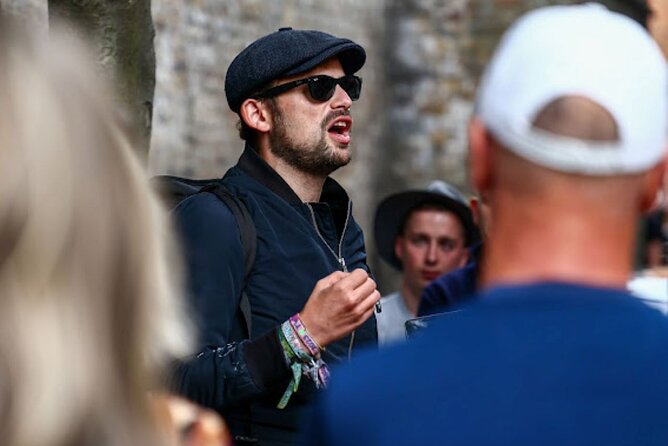
My favorite stops are the ones you can actually stand on: Ten Bells pub and the walk that reaches Goulston Street. With guide Nick running the show, the storytelling stays factual and respectful, with room to ask questions and keep up with a clear timeline.
One consideration: this is a walking tour at night, so plan for steady time on foot even though the pace feels well managed.
In This Review
- Key highlights that make this tour worth your time
- Starting at Braham Street and keeping up with the 7:30 pm rhythm
- Brick Lane: seeing 1888 pressures in today’s street life
- Spitalfields Market: modern London life between heavy stories
- Ten Bells pub: why this site matters for a correct, respectful story
- Goulston Street and the 1888 riots: walking the edge of tragedy
- Guide Nick: storytelling that stays local, factual, and interactive
- Price and value: getting a lot for $24.98
- What to expect on the ground: pace, walking, and comfort
- Who should book this Jack the Ripper and Victorian London tour?
- Should you book Jack the Ripper and Victorian London Beyond the Shadows?
- FAQ
- How long is the tour?
- What time does the tour start, and where does it begin?
- Where does the tour end?
- What major stops are included?
- Is this a walking tour?
- What language is the tour offered in?
- How big is the group?
- Can I cancel for a full refund?
Key highlights that make this tour worth your time
- Victim-focused storytelling that treats the women as people, not plot devices
- Ten Bells pub as a central, well-known reference point for the case
- Goulston Street links that connect the murders to the 1888 riots
- Brick Lane and Spitalfields Market stops that show how the area has changed over time
- Nick’s style: interactive, funny in the right spots, and heavy on historical context
More of the East End after dark
- London: The Original Jack the Ripper Walking Tour
★ 4.7 · 7,833 reviews - London Jack the Ripper Guided Tour with Ripper-Vision
★ 4.5 · 4,840 reviews - London: Jack the Ripper Small Group Tour
★ 4.7 · 3,159 reviews - London Jack The Ripper Guided Walking Tour
★ 5.0 · 3,131 reviews
Starting at Braham Street and keeping up with the 7:30 pm rhythm
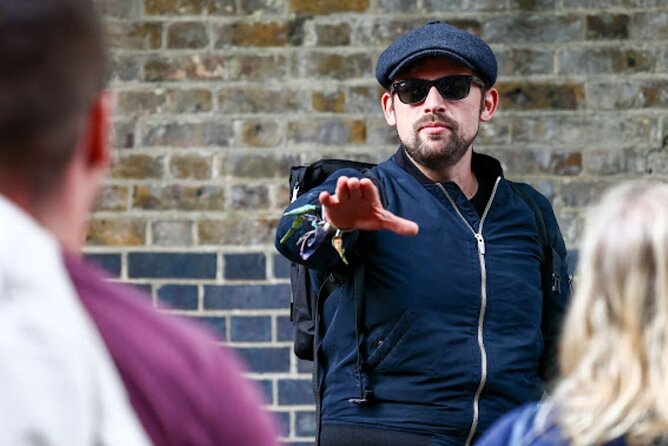
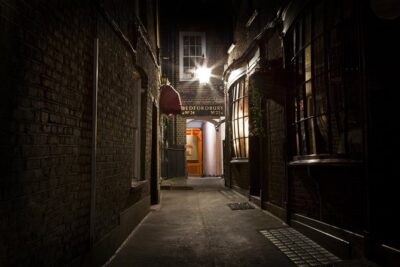
You meet on Braham Street (Braham St, London E1) for a 7:30 pm start, and the tour ends at Spitalfields Market (65 Brushfield St, London E1 6AA). Since this is set up for the evening, you’ll feel the East End’s energy right from the first streetscape—streetlamps, darker corners, and that sense of place that day trips just can’t match.
The group size is capped at 40 people, which helps keep the tour from feeling like a cattle line. Still, it is a proper walking route. If you don’t love standing still while you listen, bring your patience and expect a rhythm of short walks plus stops where the story lands.
Brick Lane: seeing 1888 pressures in today’s street life
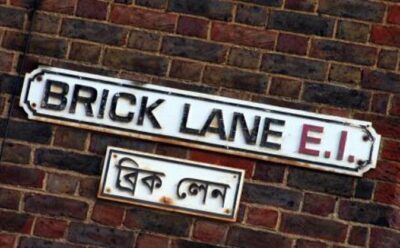
The first major stop is Brick Lane, where you get a look at what socio-economic pressure meant in 1888. The point is not to turn the area into a costume drama. It’s to understand why so many people lived on the edge and how daily survival shaped what communities could offer—and what they couldn’t.
What I like about this approach is that it makes the case feel less like a spooky riddle and more like something that happened inside a real system: poverty, limited options, and social vulnerability. The East End was changing, and the tour helps you connect that to the kind of public safety people had then versus now.
A small practical note: Brick Lane is busy, so you’ll want to stay close to the group at crossings and move with intention when the sidewalk narrows. This is one of those streets where you’ll get more out of the tour if you keep your attention on the guide rather than drifting to watch the world go by.
Spitalfields Market: modern London life between heavy stories
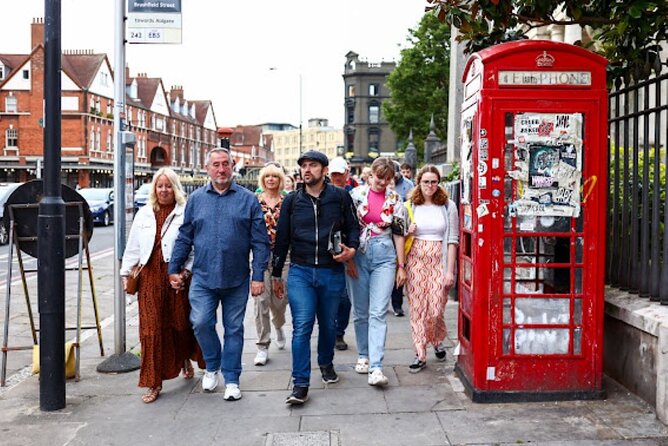
Next up is Spitalfields Market, a market stop built for contrast. The story of the murders and the Victorian streets matters, but it’s also valuable to see how this neighborhood functions today—food, clothes, and performances that pull people in from all over.
This stop is a good reset. You get a chance to breathe, look around, and remember that the people in these places didn’t vanish when the calendar turned. Markets also help you read a neighborhood. If you want to know what an area values, watch what it sells and who it serves.
Time-wise, plan for a slower moment here even if you’re not shopping. If you’re sensitive to crowds, keep your expectations realistic: it’s a popular market, and at night it can still feel energetic. The best move is to use the stop to orient yourself and grab water if you need it before you continue.
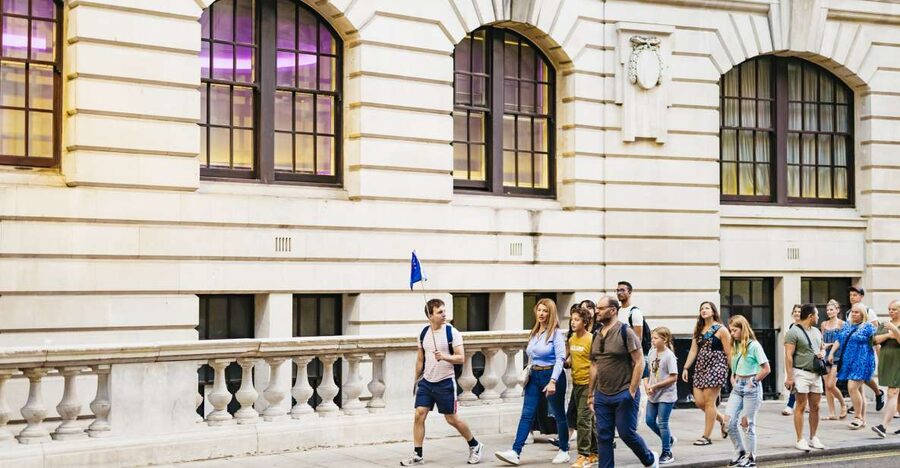

Ten Bells pub: why this site matters for a correct, respectful story
One of the most talked-about moments is the visit to the Ten Bells pub, a key location linked to the case and referenced in documentaries and films. You’ll likely recognize the name even if you’re not a hardcore true crime fan.
Here’s what makes the stop useful: it anchors the story in a real meeting place rather than just a legend. The guide’s focus stays on the women and their circumstances, and the pub works as a reference point for the timeline and the neighborhood context.
A quick heads-up: because this case is culturally famous, some people come in with misconceptions or over-romantic ideas. The tour doesn’t treat that as a trivia quiz. It works better if you’re open to getting the facts straight and understanding what’s known versus what gets exaggerated over time.
Goulston Street and the 1888 riots: walking the edge of tragedy
The tour then walks into Goulston Street, with connections to both the case and the 1888 riots that followed the murders of Elizabeth Stride and Catherine Edowes on 30 September 1888. This is where the tour can feel the most intense, not because it goes for shock value, but because the story turns from crime into consequences.
What you gain by making this connection is perspective. The killings didn’t exist in a vacuum. They set off anger, fear, and social backlash. And the neighborhood reaction shows you how fragile justice could be when tensions were already high.
I also appreciate that the walk format helps the information stick. You’re not just hearing names in a classroom tone. You’re seeing streets that shaped how people moved, hid, sought help, or got caught. If you care about accuracy, this is the portion where the guide’s careful wording matters most.
Guide Nick: storytelling that stays local, factual, and interactive
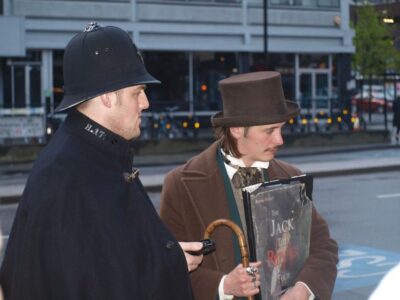
A major reason this tour earns such high marks is the guide. Nick is repeatedly described as a standout: a trained historian with an East End connection, a strong storyteller, and someone who keeps the tone respectful toward the victims.
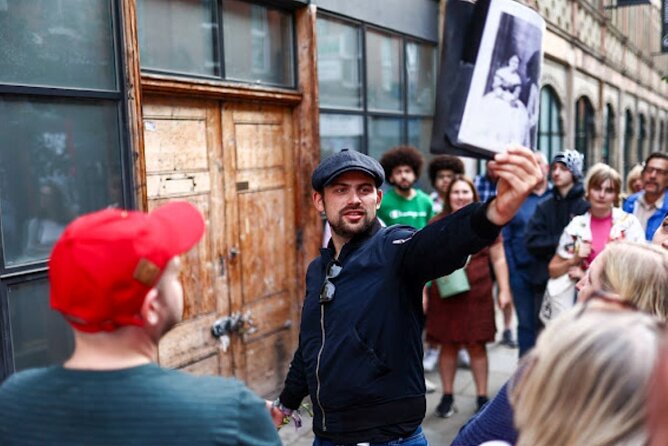
If you like tours where you can ask questions, you’ll likely enjoy this one. The format feels interactive rather than lecture-only. People also note that Nick uses real supporting visuals on an iPad, including photographs that help you picture what the guide is talking about instead of relying on guesswork.
There’s also a specific emphasis in how the story is framed: the tour focuses on the women’s lives and living conditions rather than treating them as background noise in the hunt for a killer. That victim-centered approach is a big deal in this kind of storytelling, and it’s one of the most praised elements.
One more perk: the guide’s humor isn’t random. It’s the kind that keeps the tour human while still handling the topic with care. You can be engaged without losing the gravity.
Price and value: getting a lot for $24.98
At $24.98 per person for about 2 hours 30 minutes, this sits in the “surprisingly reasonable” zone for London evening tours. You’re paying for a guided walking route through multiple meaningful sites, not just a quick photo stop and a generic overview.
Value comes from three places:
- Time with a live guide who can answer questions and correct misconceptions
- Site variety, including Ten Bells pub plus key streets connected to the case and aftermath
- Victim-centered interpretation, which is more work to present well and often missing from cheaper, faster tours
With a max of 40 travelers, you’re also less likely to feel lost in the group. And a mobile ticket means you can keep things simple on the day.
If you’re deciding whether to do this, ask yourself what you want most: a spooky walk for atmosphere, or a historically grounded narrative that uses the neighborhood as evidence. This one leans clearly toward the second option.
What to expect on the ground: pace, walking, and comfort
Because it’s a walking tour, your biggest factor is comfort. I’d treat this as an evening stroll with stops, not a slow sit-and-sip experience. Comfortable shoes matter, especially in wet weather or if sidewalks are crowded.
You’re also near public transportation, which helps if you need to adjust plans or hop back to your hotel afterward. Still, don’t count on a mid-tour escape hatch. The schedule is built around moving between the stops: Brick Lane, Spitalfields Market, Ten Bells pub, and then Goulston Street.
If you’re bringing a group, this is generally the kind of tour that works across ages and interests, as long as everyone can handle grim subject matter with respect. One of the strengths of the guide approach is that it doesn’t turn the topic into spectacle.
Who should book this Jack the Ripper and Victorian London tour?
This is a strong fit if:
- you’re a true crime fan who also wants social context
- you like Victorian-era London details that connect street life to the story
- you care about a respectful, factual tone instead of sensational guessing
- you want to see the East End as it is now, not only as it was imagined
It may be less ideal if you want purely light entertainment. The subject matter is heavy, and the tour treats it that way. You’ll still get local color and market energy, but don’t book it expecting a cheerful stroll.
Should you book Jack the Ripper and Victorian London Beyond the Shadows?
I’d book it if you want an East End night walk that treats the case as history, not just a headline. The biggest selling points are the focus on the victims, the strong guide style from Nick, and the way the route uses Ten Bells and Goulston Street to make the story concrete.
My only caution is the walking. If you’re managing mobility issues or you hate being on your feet for a couple hours, you’ll want to think twice or plan for extra transit breaks before and after.
If you can handle a respectful, factual account with some truly unsettling context, this is good value and a memorable way to see London after dark.
FAQ
How long is the tour?
It lasts about 2 hours 30 minutes.
What time does the tour start, and where does it begin?
The tour starts at 7:30 pm from Braham Street (Braham St, London E1).
Where does the tour end?
The tour ends at Spitalfields Market, 65 Brushfield St, London E1 6AA.
What major stops are included?
You’ll visit Brick Lane, Spitalfields Market, Ten Bells pub, and Goulston Street.
Is this a walking tour?
Yes. It’s designed as a walking tour, so you should expect to walk a fair amount.
What language is the tour offered in?
The tour is offered in English.
How big is the group?
The tour has a maximum of 40 travelers.
Can I cancel for a full refund?
Yes. Cancellation is free, and you can cancel up to 24 hours in advance for a full refund.
If you want, tell me your dates and whether you prefer more true crime focus or more East End neighborhood history, and I’ll suggest the best way to time the rest of your evening around this tour.
More Tour Reviews in London
- From London: Harry Potter Warner Bros Studio Tour
★ 4.7 · 26,588 reviews - London: Westminster to Greenwich River Thames Cruise
★ 4.5 · 22,836 reviews - Magical London: Harry Potter Guided Walking Tour
★ 4.7 · 22,044 reviews - London: Madame Tussauds London
★ 4.6 · 20,915 reviews - London: Warner Bros. Studio Harry Potter Tour & Branded Bus
★ 4.7 · 19,194 reviews
More Ripper Walks After Dark
- London: The Original Jack the Ripper Walking Tour
★ 4.7 · 7,833 reviews - London Jack the Ripper Guided Tour with Ripper-Vision
★ 4.5 · 4,840 reviews - London: Jack the Ripper Small Group Tour
★ 4.7 · 3,159 reviews - London Jack The Ripper Guided Walking Tour
★ 5.0 · 3,131 reviews - London: Jack the Ripper Tour with Immersive Ripper Vision
★ 4.5 · 1,840 reviews
Just reviewed around London





Jack the Ripper Tours, compared.
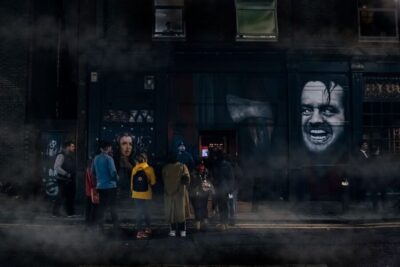 ★ 4.7The Original Jack the Ripper Walking TourFrom $257,833 reviews
 ★ 4.5London Jack the Ripper Guided Tour with Ripper-VisionFrom $274,840 reviews
 ★ 4.7Jack the Ripper Small Group TourFrom $263,159 reviews
 ★ 5.0London Jack The Ripper Guided Walking TourFrom $03,131 reviews
 ★ 4.5Jack the Ripper Tour with Immersive Ripper VisionFrom $241,840 reviews
 ★ 4.6German Language : Original Jack the Ripper TourFrom $241,805 reviews
 ★ 5.0Ultimate Jack the Ripper : Guided Tour of LondonFrom $271,495 reviews
 ★ 4.9Jack the Ripper Evening Walking TourFrom $331,449 reviews
Browse the lists this tour appears in