
Reviewed · CITY TOURS
Hidden Gems Tour of the City of London
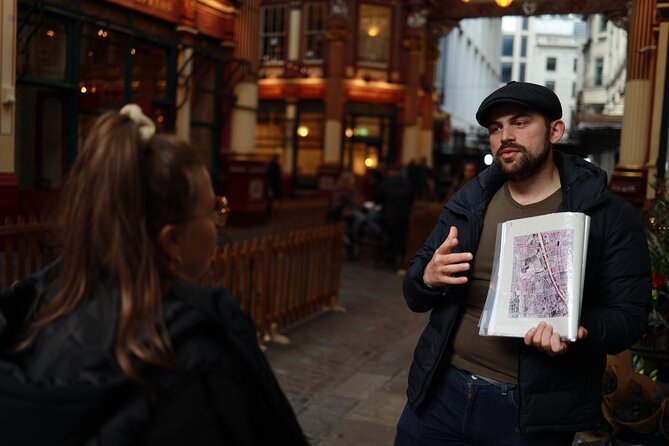
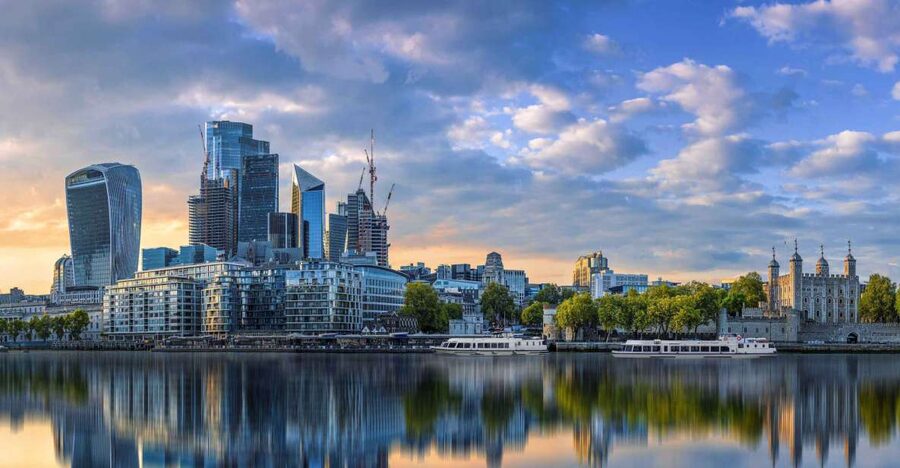
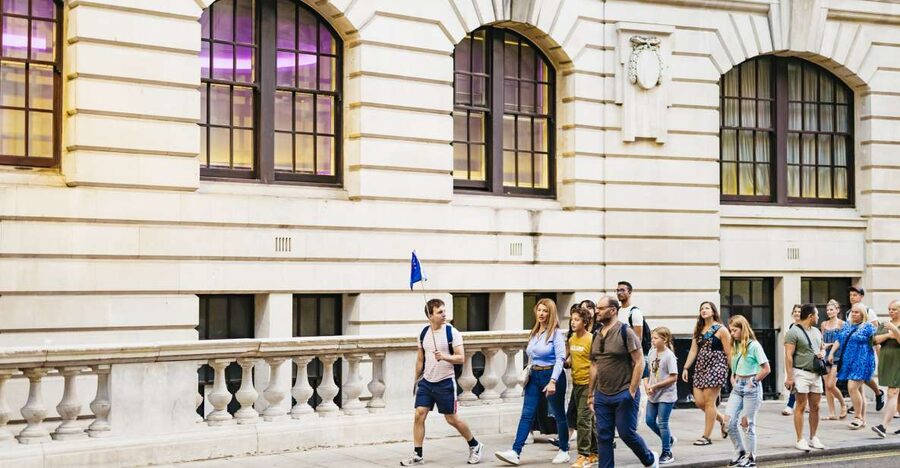
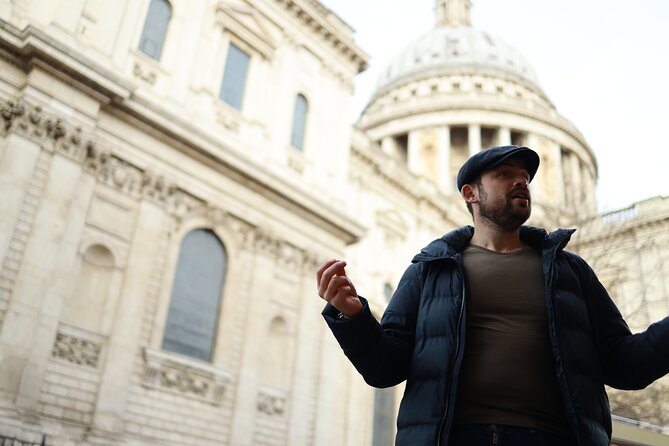
London hides a lot in plain sight. This guided walking tour of the City of London mixes top sights with quieter spots, and I like how it’s led in English by Nick from Loudman Tours with a small group size capped at 20. You also get those easy photo moments around the Tower of London and St Paul’s Cathedral, plus a Roman layer through stops like the London Mithraeum.
Two things I really like: the route sticks close to the City’s power-and-people story, and the pace leaves room to ask questions without the group feeling herded. One drawback to plan for: St Paul’s Cathedral and the Tower of London are marked as not included, so you may need extra tickets if you want full entry time at both.
At about $24.69 per person for roughly 2 hours 20 minutes, this is a solid value way to orient yourself in Central London’s oldest district. You start at the Blackfriars area (near Queen Victoria Street) and finish around Tower Hill, so you can keep wandering after the tour ends.
In This Review
- Key things to know before you go
- What You’re Really Buying for $24.69 in the City of London
- Meeting at Blackfriars and Finishing at Tower Hill: Why This Route Works
- St Paul’s Cathedral and the City’s Governance Core
- Roman London at London Mithraeum Bloomberg SPACE
- Bank of England, Mansion House, and the Royal Exchange on One Walk
- Monument to the Great Fire: Rebuild as a City Superpower
- Leadenhall Market and 120 Garden: Architecture Meets a Modern View
- All Hallows by the Tower: A 1,300-Year Timeline You Can Stand In
- Tower of London Finish: Big Sights, But Plan for Tickets
- Who This Walk Is Best For (and When to Skip It)
- Practical Tips That Make This Tour Easier
- Should You Book This City of London Walk?
- FAQ
- How long is the Hidden Gems Tour of the City of London?
- Where does the tour start and end?
- What time does the tour start?
- How much does it cost?
- Is the tour in English?
- Are tickets included for the Tower of London or St Paul’s Cathedral?
- What’s included and what’s not included?
- How big is the group?
- Is free cancellation available?
- Do I need to bring a printed ticket?
Key things to know before you go
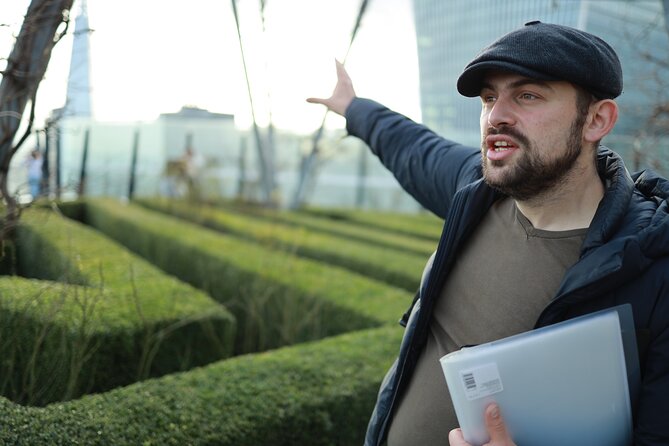
- Nick’s story-first guiding style makes even short stops feel connected
- Tower of London and St Paul’s photo moments are built into the walk
- Roman London without added entry fees at London Mithraeum Bloomberg SPACE
- City governance landmarks on foot, including Guildhall, Bank of England, and Mansion House
- Leadenhall Market plus a skyline viewpoint at 120 Garden for variety in scenery
- Up to 20 people keeps the group flexible and conversation possible
Still deciding? A handful more London outings we rated
- City Sightseeing London Hop-On Hop-Off Bus & Bookable Extras
★ 4.4 · 7,374 reviews - City Sightseeing London Hop-On Hop-Off Bus Tour & Bookable Extras
★ 4.0 · 1,224 reviews - London: Go City Explorer Pass® – Tickets for 2-7 Attractions
★ 4.3 · 1,111 reviews - Private Windsor Castle, Stonehenge, The City of Bath Day Tour
★ 5.0 · 468 reviews
What You’re Really Buying for $24.69 in the City of London
Let’s talk value first, because this price is the hook. At $24.69 per person for about 2 hours 20 minutes, you’re paying for a guided walk that connects a lot of major architecture and side-alleys in a tight loop.
The best part isn’t that it tries to cram in everything. It’s that it gives you a framework. Instead of seeing random buildings, you get the “who ran the city, who traded here, and what got rebuilt” story as you walk.
Also, several stops are explicitly listed as free (including London Mithraeum Bloomberg SPACE, Leadenhall Market, and 120 Garden). Meanwhile, the two big-ticket attractions on the route—St Paul’s Cathedral and the Tower of London—are noted as not included. That setup means you can decide how much time and money you want to put into inside visits without being forced.
Meeting at Blackfriars and Finishing at Tower Hill: Why This Route Works
This tour starts at The Blackfriar, 174 Queen Victoria Street, London EC4V 4EG and ends at Tower Hill. For a walking route, that’s an easy-to-understand flow: you’re moving through the City from the west-central area toward the Tower.
That matters because it reduces backtracking. You’re not trying to cross London in the dark or zigzag across major roads. Instead, you get a logical walking progression through civic and commercial London, ending where a lot of people naturally want to keep exploring.
The timing is also user-friendly. It runs at 1:30 pm, which helps if you want a late morning for museums or shopping and still have daylight for photos at the end near Tower Hill.
Finally, the tour is designed for real feet. It’s a walking experience, and the simple advice is to wear comfortable shoes. City pavements can be unforgiving, especially if you’re bouncing between photo stops.
St Paul’s Cathedral and the City’s Governance Core
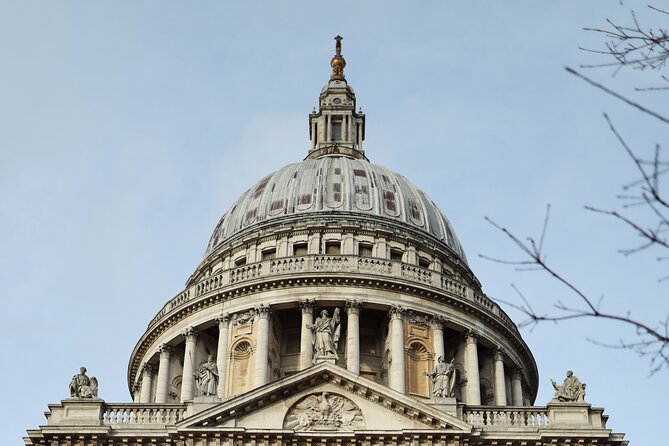
The first major stop is St Paul’s Cathedral, with about 15 minutes allocated. The listing notes no admission ticket included, so think of this as a guided look from the outside and immediate area, plus context to help you understand why St Paul’s is such a defining presence in the City.
Then the route pivots to another kind of power: the historic London Guildhall. You get about 15 minutes here, focused on Guildhall’s role in governing the City of London for over 800 years. What makes this stop feel worth your time is that it’s not just architecture for architecture’s sake. The message is: the City has long had its own identity and civic authority, and Guildhall is one of the clearest places to see that in stone and space.
Practical consideration: 15 minutes is short. If you want to linger, you’ll have to do it on your own after the tour. The upside is that you won’t waste your afternoon waiting in lines or getting stuck in one spot.

Roman London at London Mithraeum Bloomberg SPACE
If you like the “London was here before it was London” feeling, you’ll enjoy the London Mithraeum Bloomberg SPACE stop. It’s listed at about 15 minutes and marked as free.
This is a Roman temple site, and the guiding theme is the mystery and significance of Roman worship in the City’s past. Even if your Roman knowledge is basic, you’ll get the connective tissue: this area wasn’t just medieval and later. People built, lived, and worshipped here long before the skyline we know today.
This is the kind of stop that changes the way you look at everything after it. Once you’ve seen evidence of Roman London, the medieval and Georgian layers start feeling more like chapters in a longer story rather than separate tourist scenes.
Bank of England, Mansion House, and the Royal Exchange on One Walk
After the Roman stop, the tour leans hard into institutions. You’ll pass by the Bank of England, then the Mansion House (the Lord Mayor of London’s official residence since the mid-1700s), and the Royal Exchange, originally founded in 1565 and rebuilt after the Great Fire and later in the 19th century.
What you get here is a chain of “how decisions happen” landmarks:
- Bank of England as the heart of the UK’s financial system for over 300 years
- Mansion House as the civic residence where ceremonial and administrative life has been centered for centuries
- Royal Exchange as the City’s commerce engine, tied to global trade through time
These stops are mostly about architecture plus function. You’re not just looking at grand facades; you’re learning what those buildings were built to do. That’s the best use of a guided walk in this part of London. Left on your own, it’s easy to admire a building and miss its purpose.
One watch-out: because these are on a schedule, you’ll likely spend more time outside and moving than you will inside. If you’re the type who wants museum-level detail, plan to do follow-up reading or add another stop later on your own.
Monument to the Great Fire: Rebuild as a City Superpower
Next comes the Monument to the Great Fire of London, tied to the catastrophe of 1666. It’s described as a reminder of the fire that reshaped the City, designed by Sir Christopher Wren, and it’s also the place where you can get views from the summit.
The tour stop focuses on the idea of resilience and rebirth—how the City reorganized itself after disaster. This is one of those stops that makes other parts of the route click. You start to connect the dots between destruction, rebuilding, and why certain streets and buildings look the way they do.
If you’re someone who loves cause-and-effect stories, this is a strong emotional turn in the walk. It makes the City feel less static and more alive—like it’s still responding to events, even centuries later.
Leadenhall Market and 120 Garden: Architecture Meets a Modern View
Then the tour shifts into lighter scenery, starting with Leadenhall Market. It’s about 15 minutes and marked as free, and the focus is its architectural wonders. This is one of the spots that people often miss when they’re moving fast between the big London icons.
After that, you get the view factor with 120 Garden, about 20 minutes, also listed as free. This viewing platform gives panoramic skyline views and landmarks—exactly the kind of pause that makes the walking route feel rewarding instead of just exhausting.
Why this pairing works:
- Leadenhall Market brings you back to the City’s older pedestrian scale
- 120 Garden lets you step back and see the bigger map of London
If you’re traveling with a phone camera, this section is where the photos should happen. You’re switching from street-level detail to distance-and-light shots, which makes the day feel visually balanced.
All Hallows by the Tower: A 1,300-Year Timeline You Can Stand In
One of the most atmospheric stops is All Hallows by the Tower, described as the oldest church in the City of London, with a history over 1,300 years. It’s near the Tower of London and includes reference to key moments the church narrowly survived, including the Great Fire of 1666.
Inside, the tour highlights artifacts such as a Roman pavement and exhibits from its long past. This is important because it turns the Roman theme into something tangible. Instead of only hearing about Roman London, you connect it to the later layers of religious and community life.
This stop also helps you slow down. It’s not just “look at a building.” It’s a chance to step into a place that has been used and adapted through huge shifts in London’s story.
Tower of London Finish: Big Sights, But Plan for Tickets
The final anchor is the Tower of London, with about 20 minutes noted and admission ticket not included. This is where you get the core drama: ancient walls and centuries of royal intrigue, imprisonment, and execution stories.
If you want to do a full inside visit, treat this stop like a guided orientation plus motivation, not the whole experience. The time is likely best used to understand what you’re looking at and where to go next on your own.
Ending near Tower Hill is a practical advantage. Once the tour ends, you’re already positioned for continued exploring around the Tower area, which is one of the easiest ways to keep the City of London feeling concentrated rather than scattered.
Who This Walk Is Best For (and When to Skip It)
This tour fits best if you want:
- a guided walking route through the City’s major institutions and older streets
- a Roman stop mixed into the usual medieval-and-modern sights
- history told through buildings and civic roles, not just dates
It’s also a great choice if you’re traveling with someone who likes to talk to the guide. The small group size (max 20) makes conversation more realistic during the walk.
I’d be cautious if:
- you strongly prefer long inside visits over quick orientation stops
- you need wheelchair-friendly routes throughout every leg (the walking tour format is explicit, and the data only says most travelers can participate)
- you want lunch included (it’s not)
Practical Tips That Make This Tour Easier
A few practical things can turn a good afternoon into a great one:
- Wear comfortable walking shoes. You’ll be on foot the whole time.
- Bring a phone camera and set your expectations for short photo moments, especially around St Paul’s and the Tower area. The route is designed for pictures, not a full photo shoot marathon.
- If you care about inside access, plan ahead for St Paul’s and Tower of London since tickets aren’t included in the tour.
- If you’re sensitive to crowds, midweek or earlier in the day can feel calmer, but the tour’s set start time is fixed at 1:30 pm.
- Keep your pace flexible. This is scheduled in blocks like 15 minutes at several key spots, so you’ll need to go with the flow.
Should You Book This City of London Walk?
I think this is worth booking if you want a fast, high-impact way to understand the City of London’s layers in one afternoon. The pricing works because several stops are free, and you’re getting a guided storyline that connects civic power, commerce, and Roman-era context.
It’s not perfect if your priority is long museum-style time inside major attractions. The route is designed for orientation and context, then you decide what to visit more deeply afterward.
If you like architecture, institutions, and the feeling of walking through London’s older core, this is a smart buy. And if the guide is Nick, that name matters: multiple people highlight his energy, his ability to explain small details in an interesting way, and how he keeps things interactive in a small group.
FAQ
How long is the Hidden Gems Tour of the City of London?
It lasts about 2 hours 20 minutes.
Where does the tour start and end?
It starts at The Blackfriar, 174 Queen Victoria St, London EC4V 4EG and ends at Tower Hill, London EC3N.
What time does the tour start?
The listed start time is 1:30 pm.
How much does it cost?
The price is $24.69 per person.
Is the tour in English?
Yes, it’s offered in English.
Are tickets included for the Tower of London or St Paul’s Cathedral?
No. St Paul’s Cathedral and the Tower of London are marked as admission ticket not included. Other listed stops are marked free.
What’s included and what’s not included?
The tour includes all fees and taxes. Lunch is not included.
How big is the group?
The tour has a maximum of 20 travelers.
Is free cancellation available?
Yes, you can cancel up to 24 hours in advance for a full refund.
Do I need to bring a printed ticket?
You’ll have a mobile ticket.
More City Tours in London
- City Sightseeing London Hop-On Hop-Off Bus & Bookable Extras
★ 4.4 · 7,374 reviews - City Sightseeing London Hop-On Hop-Off Bus Tour & Bookable Extras
★ 4.0 · 1,224 reviews - London: Go City Explorer Pass® – Tickets for 2-7 Attractions
★ 4.3 · 1,111 reviews - Private Windsor Castle, Stonehenge, The City of Bath Day Tour
★ 5.0 · 468 reviews - London: Speedboat Tour Through Heart of the City
★ 5.0 · 387 reviews
More Tours in London
- From London: Harry Potter Warner Bros Studio Tour
★ 4.7 · 26,588 reviews - Magical London: Harry Potter Guided Walking Tour
★ 4.7 · 22,044 reviews - London: Warner Bros. Studio Harry Potter Tour & Branded Bus
★ 4.7 · 19,194 reviews - London Big Bus Hop-On Hop-Off Tour with Optional River Cruise
★ 3.5 · 10,803 reviews - London Small Group Tour of Historical Pubs
★ 5.0 · 10,422 reviews
More Tour Reviews in London
- From London: Harry Potter Warner Bros Studio Tour
★ 4.7 · 26,588 reviews - London: Westminster to Greenwich River Thames Cruise
★ 4.5 · 22,836 reviews - Magical London: Harry Potter Guided Walking Tour
★ 4.7 · 22,044 reviews - London: Madame Tussauds London
★ 4.6 · 20,915 reviews - London: Warner Bros. Studio Harry Potter Tour & Branded Bus
★ 4.7 · 19,194 reviews
Just reviewed around London





City Tours, compared.
 ★ 4.4City Sightseeing London Hop-On Hop-Off Bus & Bookable ExtrasFrom $337,374 reviews
 ★ 4.0City Sightseeing London Hop-On Hop-Off Bus Tour & Bookable ExtrasFrom $371,224 reviews
 ★ 4.3Go City Explorer Pass® – Tickets for 2-7 AttractionsFrom $721,111 reviews
 ★ 5.0Private Windsor Castle, Stonehenge, The City of Bath Day TourFrom $991468 reviews
 ★ 5.0Speedboat Tour Through Heart of the CityFrom $66387 reviews
 ★ 4.0Upside Down House Westfield White City Entry TicketFrom $10338 reviews
 ★ 4.5Westminster Abbey Priority Access & Guided City TourFrom $73282 reviews
 ★ 5.0Heathrow London Airport Transfer to City centerFrom $94213 reviews