
Reviewed · STRATFORD-UPON-AVON TOURS
Downton Abbey Film Locations & Blenheim Palace Day Tour
A Downton day trip in Cotswolds air. This tour strings together major Downton Abbey filming spots across Oxfordshire, then finishes at Blenheim Palace, where Winston Churchill was born. I particularly like how the pacing mixes big-name locations with smaller street-level details, and I like the fact you go by executive mini-coach so you can reach spots larger vehicles can’t. One possible drawback: food isn’t included, so you’ll need to plan your own lunch and snacks once you arrive in Burford.
The other big reason this works is the guide. On this route you’ll hear the stories behind the buildings and the social world they represent, and it can feel more like a well-run lecture with good timing than a rapid-fire bus tour. Guides such as Catherine, Tony, and Amber have been praised for making the day fun, focused, and easy to follow, even when you’re sitting on the coach for a while.
In This Review
- Key Things to Know Before You Go
- Oxfordshire Downton Abbey Film Locations: Why This Day Feels Worth the Time
- Mini-Coach Comfort and a Small Group (Up to 16 People)
- Cogges’ Yew Tree Farm: The Tenant Farmer Story Behind the Scenes
- Bampton as Downton Village: Street-Level Details You Can Actually See
- Burford Lunch and the Wool Church: Medieval Market Town Time
- Swinbrook’s Swan Inn Stop: Lady Sybil’s Elopement Moment
- Bladon Graves and the Approach to Blenheim Palace
- Blenheim Palace Tour: Upstairs, Downstairs, and Churchill’s Birthplace
- Gardens and the Temple of Diana: Clementine’s Yes, Years Later
- Price and Value: What You’re Really Paying For at $245.15
- Who Should Book This Tour (and Who Might Not Love It)
- Should You Book the Downton Abbey Film Locations & Blenheim Palace Day Tour?
- FAQ
- Is lunch included on this tour?
- How long is the tour?
- What’s the group size?
- Where does the tour start and end?
- Does the tour include admission to Blenheim Palace?
- Which Downton Abbey filming locations are visited?
- Is Highclere Castle included?
- What transportation do you use?
- Are meals or snacks provided besides lunch time?
- What should I bring?
- What is the cancellation policy?
Key Things to Know Before You Go
- Yew Tree Farm (Cogges): You get the tenant-farmer angle, not just the movie scenery.
- Bampton as Downton Village: Real places stand in for Downton, including the hospital sites and church.
- Burford lunch break: Time in a medieval market town, with a must-see wool-wealth landmark.
- Swinbrook’s Swan Inn: A single stop with a very specific Lady Sybil moment.
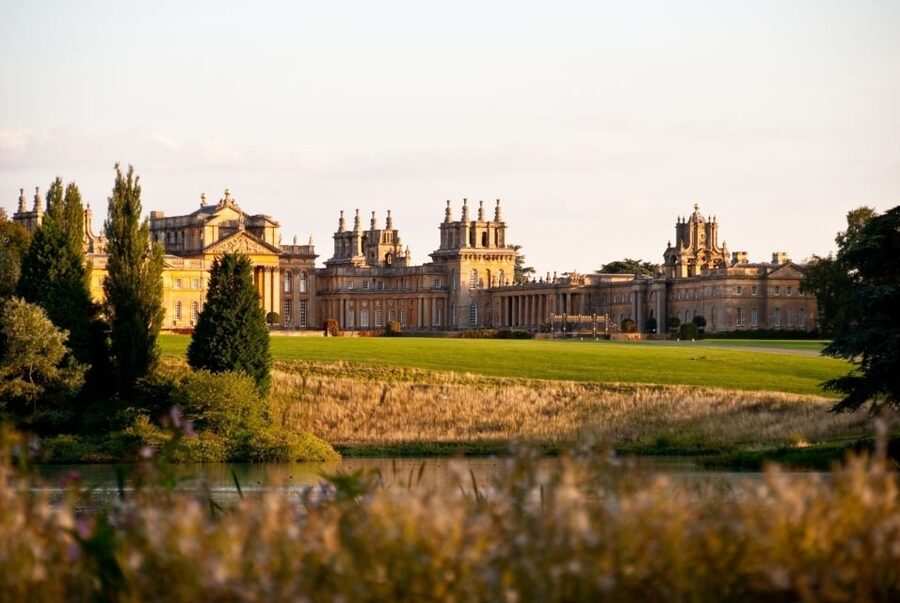
- Blenheim Palace admission included: You’ll tour the house tied to Churchill’s life and class.
- Small-group cap (max 16): Better conversations and less chaos around photo stops.
More of Shakespeare country
- Oxford, Stratford-upon-Avon, Cotswolds & Warwick Castle Day Trip
★ 4.5 · 2,943 reviews - England in One Day: Stonehenge, Bath, the Cotswolds and Stratford-upon-Avon Day Trip from London
★ 4.5 · 1,344 reviews - Downton Abbey Village, Blenheim Palace and Cotswolds Day Trip from London
★ 4.5 · 1,139 reviews - Warwick Castle, Oxford, Stratford-upon-Avon & Cotswolds Day trip
★ 4.5 · 828 reviews
Oxfordshire Downton Abbey Film Locations: Why This Day Feels Worth the Time
This is the kind of day trip that works even if you’re not a hardcore Downton expert. The reason is simple: you’re moving through places that still have function—farms, villages, churches, and a working market town—not just sets. That keeps the “where was that scene” urge grounded in real English geography.
I like the order of the day. You start with the rural and agricultural sites, then shift into village streets, then take lunch, and only afterward head into the big-hitter finale at Blenheim Palace. That structure matters because your brain can process the “Downton world” in layers: work life, community life, and then the upper-class power center.
The day also gives you a mix of indoor and outdoor time. You’ll have stretches for walking (mostly on sidewalks and church-adjacent areas), plus the garden wander at Blenheim. If you prefer constant movement, you might find the longer palace-style visit more paced than rapid sightseeing, but it’s still a full, story-driven day.
Mini-Coach Comfort and a Small Group (Up to 16 People)
One reason to pick this style of tour is the coach size. Traveling by executive mini-coach means you’re not stuck on a huge vehicle schedule, and you can access areas that larger coaches can’t reach. That translates into fewer awkward long walks from parking points at some of the filming areas.
The small group size (16 max) is a big practical win. In a smaller bus, the guide can actually talk to you while driving and you’re more likely to hear details without craning your neck. It also tends to keep photo stops workable—less bunching, more chances to step back, look, and reset.
If you hate the feeling of being rushed, you’ll like how this day is paced. Multiple guides have been praised for not trimming your time down or making you feel like you’re being herded. That matters on film-location days, where you’re often scanning for the exact street or facade you remember.
Cogges’ Yew Tree Farm: The Tenant Farmer Story Behind the Scenes
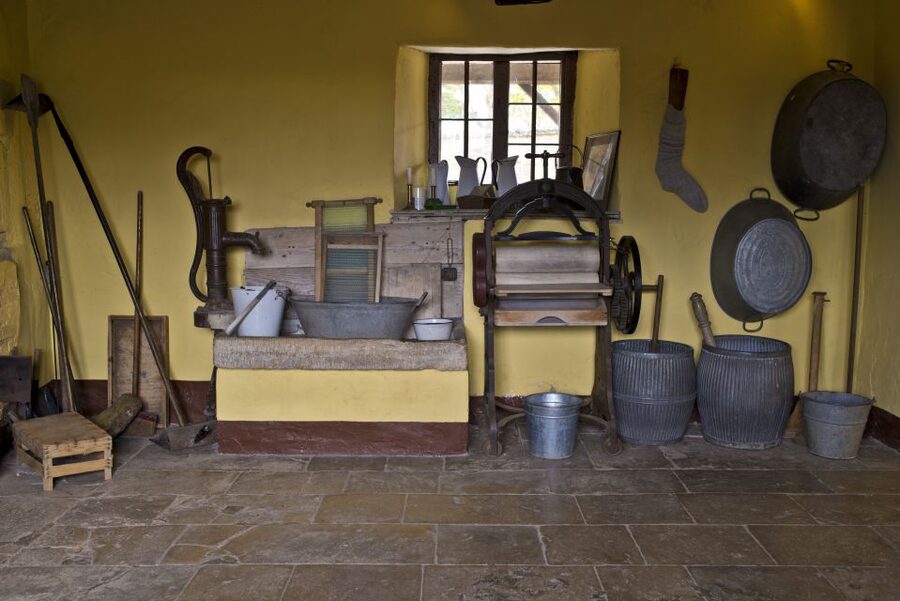
The first filming stop is Yew Tree Farm (Cogges). This is where the tour gets more interesting than a simple checklist of exteriors. You’ll spend time learning about the relationship between tenant farmers and landowners, which is exactly the kind of social tension Downton Abbey thrives on.
There’s also a built-in break at the refurbished Cogges Café for tea or coffee. That’s not a throwaway stop—it’s a real chance to stretch, check your footing, and grab something warm before you head back out into village walking.
In terms of what to expect on the ground: you’re moving through a working-feeling farm environment, so wear comfortable shoes. Even when the surfaces look okay, you’ll appreciate traction when you step between viewing areas. And since this is a filming-location focus, you’ll want to slow down and look at how buildings and fields sit together. That context is what helps you picture scenes, even if your memory is fuzzy.


Bampton as Downton Village: Street-Level Details You Can Actually See
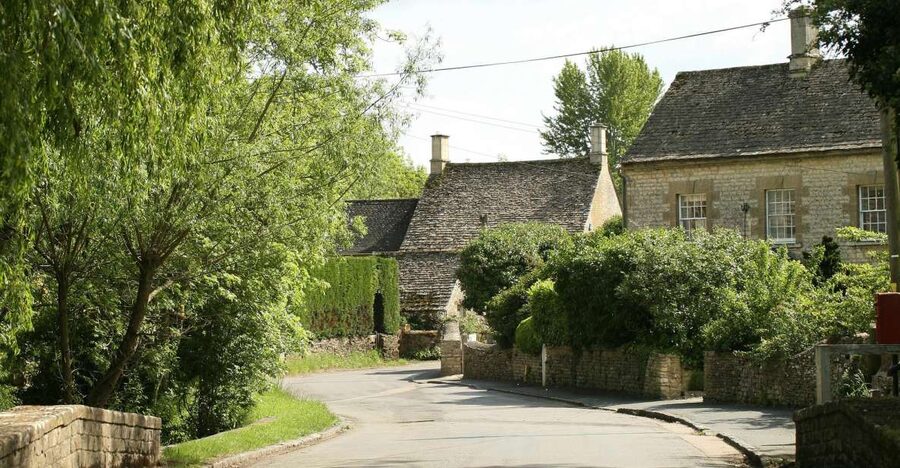
Your next major stop is Bampton, a classic Oxfordshire Cotswolds village that has been used extensively for Downton village filming. This is where you can turn “I remember that” into “I see it.”
A few specific sites matter here:
- Bampton Library was used as the Downton Cottage Hospital and doctors’ surgery.
- St. Mary’s Church became Downton Church.
- Churchgate House served as the Crawley family home.
The tour also takes you along the street areas where you can picture everyday Downton scenes: places used for shops, the post office, and the Grantham Arms. That street-level approach is what makes this stop feel real rather than like you’re just standing in front of a postcard.
If you’re trying to get the best photos, I’d plan to move a little slower than you think you need. The best shots tend to come when you’re standing where you can frame multiple elements—street, facade, and sky—rather than sprinting to the exact spot and hoping for the angle.
One small consideration: village walking is not strenuous, but you will be out and about. If weather turns wet, you’ll want the comfortable-shoe pick because village pavements can be uneven.
Burford Lunch and the Wool Church: Medieval Market Town Time
Lunch is in Burford, described as the Gateway to the Cotswolds. This is a smart move, because Burford isn’t just a place to eat—it’s a place that makes sense after the film locations. You’ve spent the morning absorbing stories about society and class. Burford then gives you a medieval market town rhythm to reset.
You’ll also have time to see the Wool Church, built on the wealth of the wool trade. Even if you don’t go deep on architecture, this is one of those landmarks that explains why English towns grew powerful in the first place. In a Downton context, it’s a helpful reminder that commerce and class weren’t separate stories—they fed each other.
The practical truth: food and drink aren’t included. So you’ll need to budget for lunch and drinks once you’re in Burford. The value here is time: you’ll have the space to pick your own café or pub, not just eat whatever is arranged for the group.
If you want a simple strategy, I’d do this: use part of your lunch time to walk the main lanes and spot the Wool Church from different angles, then eat without rushing. Burford rewards an unhurried pace.
Swinbrook’s Swan Inn Stop: Lady Sybil’s Elopement Moment
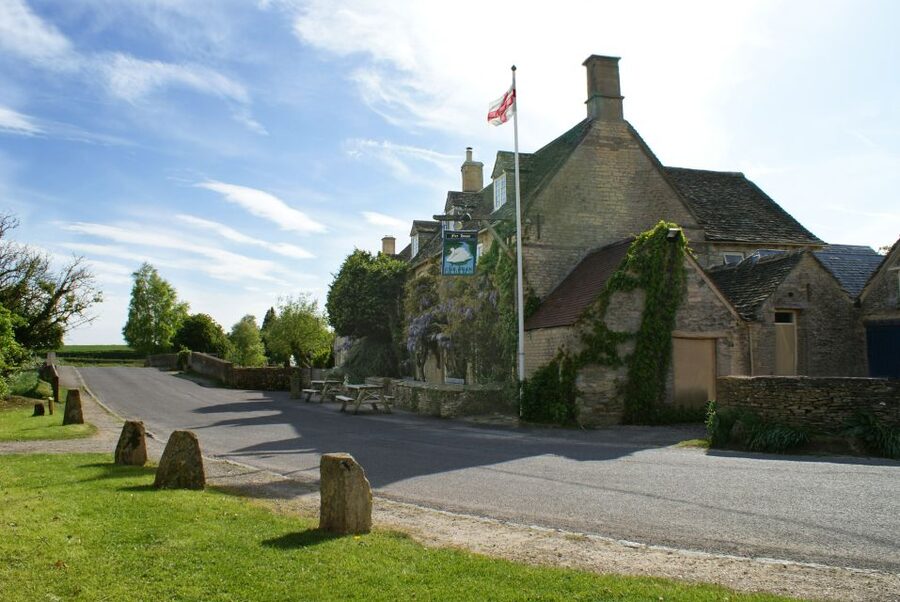
After lunch, the coach heads through the Oxfordshire Cotswolds countryside with a planned stop at the Swan Inn in Swinbrook. This is a great example of how the tour uses a short stop to tell a very specific Downton Abbey story.
The Swan Inn stop is tied to the elopement of Lady Sybil with Branson, the family’s chauffeur. You’ll get a chance to connect a scene from the show to a real building with a long life as an inn.
Even if you aren’t chasing that plot point, I think this stop is still useful. It breaks up the drive to the big finale at Blenheim Palace and turns the countryside transfer into story time instead of dead time.
Photo-wise, don’t treat it like a quick “stand and snap” moment. Step back, look at the building frontage, and take one or two photos that show the inn in its street context. That’s what makes the location feel like a place you could imagine characters entering.
Bladon Graves and the Approach to Blenheim Palace
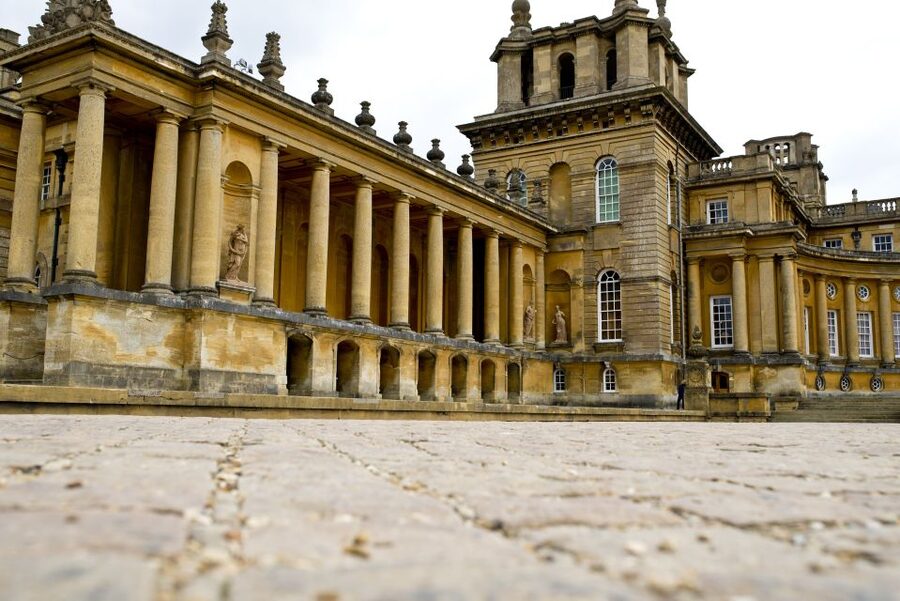
On the drive toward Blenheim Palace, you’ll see the graves of Sir Winston and Lady Churchill in Bladon. This is one of the subtle moments that adds emotional weight before you hit the grandeur.
You’re basically shifting from the world of Downton’s fictional class drama to the real-life political and social story tied to Churchill. That connection is part of why the day feels more cohesive than a random “film locations plus palace” combo.
If you’re the type who likes to know why things were placed where they were, pay attention on this approach. The tour uses the journey as a narrative tool—short, purposeful stops that help you anticipate what you’ll learn and see inside.
Blenheim Palace Tour: Upstairs, Downstairs, and Churchill’s Birthplace
Then comes the headliner: Blenheim Palace, where your admission is included. The palace tour starts with an introduction to the upstairs and downstairs of a class-conscious life. This is not just a tour of rooms—it’s an explanation of how power and service sat side-by-side in daily reality.
Blenheim Palace was built in the early 18th century for the first Duke of Marlborough, John Churchill. And yes, the spotlight lands on the Winston Churchill connection: he was born at Blenheim Palace in 1874.
A guide will walk you through how the state apartments increased in importance, and as you move from room to room you’ll get a sense of how the house functioned as both residence and public symbol. That’s exactly the kind of link that helps Downton Abbey click into place: class isn’t an abstract idea. It shows up in architecture, access, and what kinds of rooms matter.
Timing note: palace tours tend to be slower than you expect because you’re pausing for interpretation and photos. Wear shoes that feel good for standing and walking inside. If you don’t love museums, you’ll still likely find this one engaging because it’s framed as a story about social structure.
Gardens and the Temple of Diana: Clementine’s Yes, Years Later
After the house tour, you’ll have time for a walk through the landscaped gardens. One stop you won’t want to miss is the Temple of Diana, where Sir Winston Churchill proposed to Clementine Hozier in 1908.
This is where Blenheim shifts from the formal “history lesson” vibe to a more human scale. A proposal in a garden setting is easy to picture, and it makes the palace feel less like a distant monument and more like a backdrop to real lives and choices.
If the weather is decent, treat this part as your chance to slow down. Take a few photos, but also just enjoy the stroll. The garden walk is one of those built-in breaks that keeps the day from turning into nonstop “next stop” mode.
Price and Value: What You’re Really Paying For at $245.15
At $245.15 per person, this tour isn’t a budget option. But when I look at what’s included, it starts to make sense.
You’re paying for:
- Executive mini-coach transport for a full day
- Professional guide services
- Admission to Blenheim Palace
- Downton filming-location visits including Yew Tree Farm (Cogges) and Bampton (Downton Village)
- Photo stops at Oxfordshire Cotswold villages
What’s not included is the straightforward stuff you’d pay for anywhere: food and drink. Lunch in Burford is part of the day, but you cover your own meal.
So is it good value? I’d say yes if you want the storytelling and the logistics handled. Film locations across multiple villages and then Blenheim is the kind of day that can turn into a stressful self-planned route—parking, timing, and figuring out what to prioritize. Here, the structure does that work for you.
If you love driving yourself and you’re comfortable piecing together your own admissions and stops, you could DIY it cheaper. But if you’d rather spend your energy watching and listening, this price buys you convenience plus guided context.
Who Should Book This Tour (and Who Might Not Love It)
This is a good fit if:
- You want Downton Abbey filming locations tied to real buildings you can walk past.
- You care about the social side of things, not just the show’s plot moments.
- You want a single-day plan that covers both Oxfordshire villages and a major landmark like Blenheim Palace.
- You appreciate a guide who tells stories in a way that feels approachable. Guides like Tony and Amber are praised for knowledge and for not talking down to people.
You might think twice if:
- You hate guided museum-style tours. Blenheim is a major indoor focus, and the best experience depends on paying attention to explanations.
- You’re picky about meals and don’t want time for your own lunch choices. Food isn’t included, so you’ll plan your own Burford lunch.
Overall, the “Downton + Churchill” pairing makes sense. It connects fictional class drama with real historical power and politics. And the Cotswolds village pacing keeps it from feeling like a single long ride.
Should You Book the Downton Abbey Film Locations & Blenheim Palace Day Tour?
If you like your day trips story-driven and you’d rather not scramble between scattered locations, I’d book this. The combo of Bampton as Downton Village, Yew Tree Farm’s tenant-farmer context, and then the Blenheim Palace upstairs/downstairs framing gives you more than a photo day—you get meaning.
I’d book it especially if you value a small group and a guide who can keep the tone friendly and organized. The best part is that the day doesn’t rely on you knowing everything. It gives you the key places, the key connections, and enough time at each stop to feel like you actually visited, not just passed through.
FAQ
Is lunch included on this tour?
Food and drink are not included. The schedule includes time for lunch in the village of Burford, but you’ll pay for your own meal.
How long is the tour?
It’s a full day, listed as 1 day. Starting times vary, so you’ll need to check availability.
What’s the group size?
It’s a small group with a maximum of 16 people.
Where does the tour start and end?
It starts outside the Cumberland Hotel main entrance, Marble Arch (formerly the Hard Rock Hotel), and ends back at the same meeting point.
Does the tour include admission to Blenheim Palace?
Yes, admission to Blenheim Palace is included.
Which Downton Abbey filming locations are visited?
You’ll visit Yew Tree Farm (Cogges) and Downton village filming locations in Bampton, along with photo stops at Oxfordshire Cotswold villages.
Is Highclere Castle included?
No. Highclere Castle is not included.
What transportation do you use?
You travel by executive mini-coach.
Are meals or snacks provided besides lunch time?
No. The tour does not include food or drink.
What should I bring?
Bring comfortable shoes and weather-appropriate clothing.
What is the cancellation policy?
Free cancellation is available up to 14 days in advance for a full refund.
More Tours in London
- From London: Harry Potter Warner Bros Studio Tour
★ 4.7 · 26,588 reviews - Magical London: Harry Potter Guided Walking Tour
★ 4.7 · 22,044 reviews - London: Warner Bros. Studio Harry Potter Tour & Branded Bus
★ 4.7 · 19,194 reviews - London Big Bus Hop-On Hop-Off Tour with Optional River Cruise
★ 3.5 · 10,803 reviews - London Small Group Tour of Historical Pubs
★ 5.0 · 10,422 reviews
More Tour Reviews in London
- From London: Harry Potter Warner Bros Studio Tour
★ 4.7 · 26,588 reviews - London: Westminster to Greenwich River Thames Cruise
★ 4.5 · 22,836 reviews - Magical London: Harry Potter Guided Walking Tour
★ 4.7 · 22,044 reviews - London: Madame Tussauds London
★ 4.6 · 20,915 reviews - London: Warner Bros. Studio Harry Potter Tour & Branded Bus
★ 4.7 · 19,194 reviews
More of Shakespeare Country
- Oxford, Stratford-upon-Avon, Cotswolds & Warwick Castle Day Trip
★ 4.5 · 2,943 reviews - England in One Day: Stonehenge, Bath, the Cotswolds and Stratford-upon-Avon Day Trip from London
★ 4.5 · 1,344 reviews - Downton Abbey Village, Blenheim Palace and Cotswolds Day Trip from London
★ 4.5 · 1,139 reviews - Warwick Castle, Oxford, Stratford-upon-Avon & Cotswolds Day trip
★ 4.5 · 828 reviews - From London: Cotswolds, Blenheim Palace & Downton Abbey
★ 4.4 · 800 reviews
Just reviewed around London





Stratford-upon-Avon Tours, compared.
 ★ 4.5Oxford, Stratford-upon-Avon, Cotswolds & Warwick Castle Day TripFrom $1092,943 reviews
 ★ 4.5England in One Day: Stonehenge, Bath, the Cotswolds and Stratford-upon-Avon Day Trip from LondonFrom $1871,344 reviews
 ★ 4.5Downton Abbey Village, Blenheim Palace and Cotswolds Day Trip from LondonFrom $1091,139 reviews
 ★ 4.5Warwick Castle, Oxford, Stratford-upon-Avon & Cotswolds Day tripFrom $109828 reviews
 ★ 4.4From London: Cotswolds, Blenheim Palace & Downton AbbeyFrom $106800 reviews
 ★ 4.5Oxford, Stratford, Cotswolds & Warwick Castle Tour from LondonFrom $106756 reviews
 ★ 4.4Oxford, Stratford, Cotswolds, and Warwick Day TripFrom $103755 reviews
 ★ 4.5Blenheim Palace Tour and The Cotswolds Day Trip from LondonFrom $109597 reviews
Browse the lists this tour appears in