
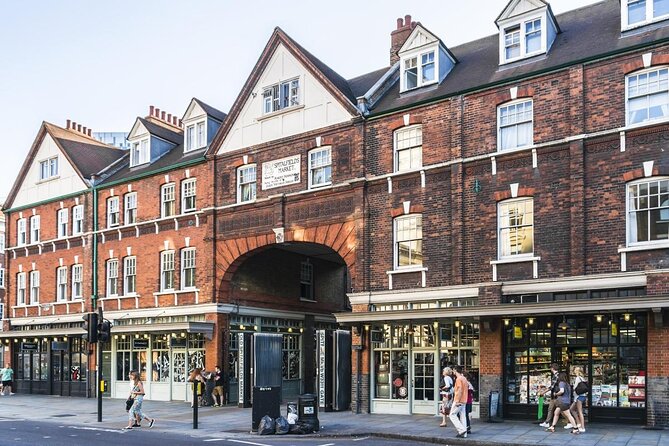
Reviewed · GUIDED
A Ball of Chalk – Guided Private East End Walk
Spitalfields tells stories you can’t Google away. This private, guided East End walk focuses on the people who lived, worked, prayed, hustled, and survived here—so you get London without the Westminster script.
I love the way the route connects the neighborhood’s immigrant waves to real places you can still stand in front of. The other big win for me is the guide: on my walk, Frances paced it like a good storyteller, with history plus personal street-level perspective that made the area feel lived-in, not textbook-y.
One thing to consider: this experience runs on good weather, so if it’s raining hard or the forecast looks bad, plan for possible date shifting.
In This Review
- Key Highlights You’ll Actually Feel on This Walk
- Why Spitalfields Beats Westminster for Real London
- The Simple Logistics: Meeting at Whitechapel Gallery, Ending Near Shoreditch
- Stop 1: Brick Lane Jamme Masjid and the Story of Faith in Motion
- Stop 2: Brick Lane Street Life—Curry Mile to Records and Vintage
- Stop 3: The Ten Bells—A Pub Stop with the Jack the Ripper Setting
- Stop 4: Spitalfields Market E1 and the Feeling of an Old “Worst Street”
- Stop 5: Old Spitalfields Market—From Charles I to Street Food Smells
- Stop 6: The Old Truman Brewery—Beer History and Shoreditch Momentum
- Value and Price: Is $137.07 per Person Fair?
- The Kind of Traveler This Walk Fits Best
- What You’ll Walk Away With (Besides Great Photos)
- Final Verdict: Should You Book This East End Walk?
- FAQ
- How long is the A Ball of Chalk guided private East End walk?
- What is the price per person?
- Where does the tour start and where does it end?
- What time does the tour begin?
- Is the tour private or shared with other groups?
- Does the price include a guide?
- Are food and drinks included?
- Are entrance costs included?
- What happens if the weather is poor?
Key Highlights You’ll Actually Feel on This Walk
- Three faiths, one street corner: Brick Lane Jamme Masjid’s story of Christian church to Jewish synagogue to mosque
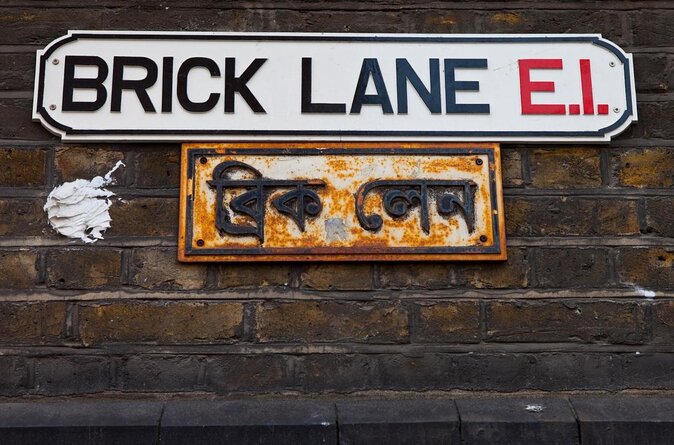
- Brick Lane beyond the hype: street art, vintage and record stores, plus the local food street energy
- A pub stop with context: The Ten Bells includes entry, tied to the Jack the Ripper-era setting
- Spitalfields in two eras: quick time travel vibe from the old slum reputation to today’s market life
- Old Spitalfields Market meets modern eating: you’ll pass the market’s long timeline, with street food sights and smells
- Truman Brewery as a launch point: an easy handoff into Shoreditch for drinks or dinner
Still deciding? A handful more London outings we rated
- Magical London: Harry Potter Guided Walking Tour
★ 4.7 · 22,044 reviews - London: The Original Jack the Ripper Walking Tour
★ 4.7 · 7,833 reviews - Tour for Muggles The Ultimate Harry Potter Walking Tour in London
★ 5.0 · 4,684 reviews - London Jack The Ripper Guided Walking Tour
★ 5.0 · 3,131 reviews
Why Spitalfields Beats Westminster for Real London

The East End has always been a working landscape—busy, messy, and constantly changing. That’s why this walk works so well. You don’t just hear about “history”; you see it stitched into brick walls, alley layouts, and market rhythm. Westminster is all official power. Spitalfields is everyday survival and reinvention.
You’ll get that sense fast at the start, near Whitechapel. From there, the tour threads together immigration, street commerce, and the creative energy of East London’s newer wave. It’s the kind of route where your brain keeps making connections: who came, what they needed, where they gathered, and what replaced it later.
And because it’s a private walk (just your group), you can ask questions without feeling rushed. That matters here, because a lot of the best moments are tied to context: why a place looks the way it does, and what people used it for.
The Simple Logistics: Meeting at Whitechapel Gallery, Ending Near Shoreditch
The walk starts at Whitechapel Gallery (77–82 Whitechapel High St, London E1 7QX) at 2:30 pm and finishes around Shoreditch Station (Bethnal Grn Rd, London E1 6LA).
Two details make this easy:
- You’ll be near public transportation for both the start and finish points.
- The timing is right for an afternoon stroll into early evening. After the last stop, you’re already placed where it’s convenient to find dinner or a drink.
The tour is about two hours long, so you’re moving at a comfortable pace, not doing a whole-day marathon. You’ll also get a mobile ticket after booking, which keeps things smooth on the day.
Stop 1: Brick Lane Jamme Masjid and the Story of Faith in Motion
Your first real “wait, that’s the same spot?” moment comes at Brick Lane Jamme Masjid. This building’s importance isn’t just architectural. It’s historical time travel.
Here’s what makes the place so powerful: it reflects the neighborhood’s shifting communities over hundreds of years—starting as a Christian church, then becoming a Jewish synagogue, and now serving the local Bengali community as a mosque. Even without going inside, you can feel how a single location can carry different meanings across generations.
For me, this stop sets the tone. It frames the East End as a place where people arrive, make a life, build community, and pass the baton forward. You’re not just walking through streets—you’re watching migration become physical.
Practical tip: wear shoes you’re comfortable standing in. This is the kind of stop where you’ll want a moment to look around and absorb the layers.
Still deciding? A handful more London outings we rated
Stop 2: Brick Lane Street Life—Curry Mile to Records and Vintage
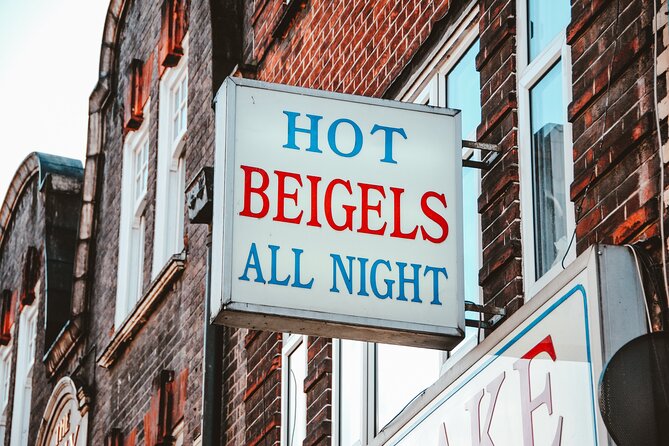
Next is Brick Lane, and this is where the walk shifts from “storytelling landmark” to “living street.” The area is known for its food culture—think curry mile energy—along with street art and independent shops like vintage and record stores.
What makes this segment worth your time is the way the guide links what you see to what you’re hearing. Street art isn’t treated like decoration. It’s treated like another language locals use to mark identity and opinions.
You’ll also notice how the street layout keeps the neighborhood flowing: shopfronts, side alleys, and quick turns that make the area feel like it’s constantly negotiating between old and new. This is the part of the walk where you’ll probably stop for photos—but do it with curiosity, not just impulse.
Possible drawback: Brick Lane can feel crowded during peak shopping and food hours. You’ll still be fine with a private group, but build in the reality that you’re walking through a popular London street.
Stop 3: The Ten Bells—A Pub Stop with the Jack the Ripper Setting

Then comes The Ten Bells, and it’s one of those East End choices that feels both very British and very on-the-nose—perfectly timed for your afternoon pace.
This pub is tied to the darker legend of the area: it once carried the name of a notorious serial killer, and that connection has become part of its identity. You’ll hear about the crimes linked to this stretch of London.
Here’s how I’d think about this stop: it’s not about sensational horror. It’s about place. In London, the scariest stories often attach to specific streets because those streets were where people lived, moved, worked, and escaped when they could. Hearing that in a real pub setting makes the narrative feel grounded.
Also, entry is included, so you’re not standing around wondering about extra costs. If you’re the type who likes a break with purpose, this is a good one.
Tip: if you’re sensitive to crime-related stories, tell your guide upfront. A good guide can steer the tone while still covering the context.
Stop 4: Spitalfields Market E1 and the Feeling of an Old “Worst Street”
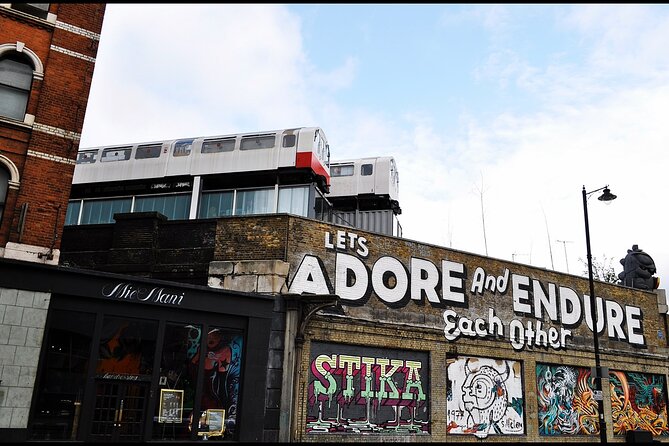
From Brick Lane, you move toward Spitalfields Market E1 and the idea of the old worst street reputation. This stop is short—just enough time to get the atmosphere—but it matters.
The East End’s older poverty wasn’t abstract. It shaped how streets were used and how communities organized. This area once carried a slum/rookery reputation, and standing near the market now gives you that odd contrast: modern commerce in the same general pocket where desperate living once crowded in.
What I like about this segment is that it doesn’t pretend the past was simple. It treats the area’s changes as something people endured and rebuilt—rather than a clean “before and after” story.
Consideration: if you want only cheerful sights, this is a moment that may feel heavier than the rest of the walk. I think it’s important balance, but it’s good to know what kind of tone you’re stepping into.
Stop 5: Old Spitalfields Market—From Charles I to Street Food Smells
Then you head into Old Spitalfields Market, which starts life as a working market as far back as 1638. It was licensed by King Charles I, which is a rare historical fact you can pin to a place you can still visit today.
Now the scene feels more like modern London shopping and eating: cool clothing, hand-painted crafts, and the air scented with street food vendors. Even if you don’t stop to buy anything, you’ll feel how the market operates—fast decisions, casual browsing, and people working around each other like a living system.
This stop is valuable because it ties commerce to culture. Food and goods are often where newcomers and locals meet, trade ideas, and share space. That’s a practical lens on “history.”
Small planning note: since food and drink aren’t included, you’ll be paying your own way if you want to sample. Still, the vendor smells alone are worth the wander.
Stop 6: The Old Truman Brewery—Beer History and Shoreditch Momentum
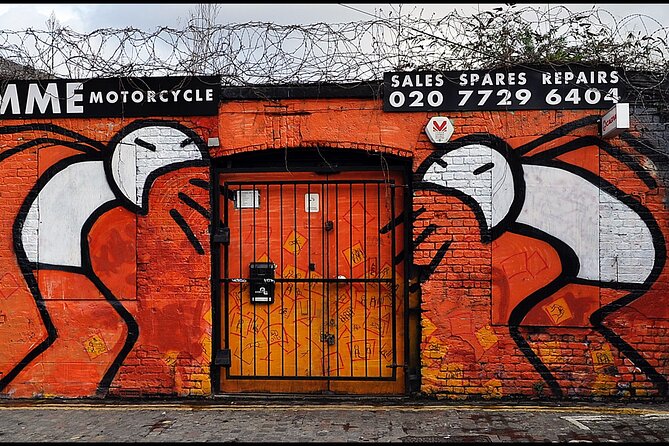
The final stop is the Old Truman Brewery, an important piece of London’s beer story. Even if beer history isn’t your thing, this location works because it explains why Shoreditch feels the way it does now—part work heritage, part creative reinvention.
You’ll get a crash-course feel for the brewery’s history and a sense of the tastes and energy that shaped the neighborhood as it became more trend-facing.
For me, the smartest part is what this stop sets up: after the walk ends near Shoreditch Station, you’re positioned for your next move. Want dinner? A drink? A late snack? You’re already in the area where those choices feel close and easy.
Value and Price: Is $137.07 per Person Fair?
At $137.07 per person for around two hours, this isn’t a cheap “drop-in group tour.” It’s priced like a guided experience that actually spends time on interpretation, not just moving you along.
Here’s why I think it still can be good value:
- It’s private—just your group—so you’re paying for attention and flexibility.
- You get an English-speaking local expert guide.
- A portion of the route is structured around key stops, including entry at The Ten Bells, with several other visits noted as outside or with free admission tickets.
What you should factor in is that food and drink aren’t included and entrance costs generally aren’t bundled. In practice, the route includes free admissions listed for certain points, but you should still plan on your own spending if you want to snack or sip.
If you’re traveling solo, the price may feel steep compared with classic group tours. If you’re traveling with a partner or small group, a private walk can start to feel more reasonable because you’re buying a tailored pace.
The Kind of Traveler This Walk Fits Best
I’d steer you toward this tour if you like London that’s about people—not just buildings. It’s also a great fit if you:
- Want immigration and everyday life context for areas like Brick Lane and Spitalfields
- Prefer guided storytelling over reading plaques on your own
- Enjoy markets and street art, but want the meaning behind them
- Appreciate crime-and-local-legend context delivered in a place-based way (especially at The Ten Bells)
It’s less ideal if you want a purely cheerful, photo-only walking loop. This walk includes heavier themes, because the East End’s story includes the hard parts.
What You’ll Walk Away With (Besides Great Photos)
This tour sticks with you because it changes how you see streets. After this, Brick Lane doesn’t feel like a single trendy corridor; it feels like a layered timeline. Spitalfields doesn’t feel like a generic market area; it feels like a neighborhood built from arrivals and rebuilds.
You’ll also get a strong “where do I go next?” payoff. By the end you’re near Shoreditch Station, with the Old Truman Brewery area in your mind and a better sense of how the neighborhood’s present connects to the past.
And the guide matters. My favorite element was that storytelling didn’t feel scripted—it felt like real neighborhood knowledge shared with care. That’s why the overall rating is so high and why people highlight the guide as the reason they’d return for more.
Final Verdict: Should You Book This East End Walk?
Book it if you want a guided East End experience that focuses on real places and real context—especially if you care about immigration stories, markets, and street art with meaning.
Skip it (or reconsider) if you:
- Are only interested in postcard sights
- Dislike crime-related historical storytelling in any form
- Can’t handle outdoor walking and possible rain-related rescheduling
If you’re good with a mix of warm, colorful street energy and a few heavier historical notes, this private walk is a smart way to see a side of London that feels grounded and human.
FAQ
How long is the A Ball of Chalk guided private East End walk?
It lasts about 2 hours.
What is the price per person?
The price is $137.07 per person.
Where does the tour start and where does it end?
It starts at Whitechapel Gallery, 77–82 Whitechapel High St, London E1 7QX, and ends at Shoreditch Station, Bethnal Grn Rd, London E1 6LA.
What time does the tour begin?
The start time listed is 2:30 pm.
Is the tour private or shared with other groups?
It’s private. Only your group participates.
Does the price include a guide?
Yes. You get an English-speaking local expert guide.
Are food and drinks included?
No. Food and drink are not included.
Are entrance costs included?
Entrance costs are not listed as generally included, but entry at The Ten Bells is included in the walk.
What happens if the weather is poor?
The experience requires good weather. If it’s canceled due to poor weather, you’ll be offered a different date or a full refund.
More Guided in London
- Magical London: Harry Potter Guided Walking Tour
★ 4.7 · 22,044 reviews - London: Emirates Stadium Entry Ticket and Audio Guide
★ 4.7 · 5,513 reviews - London: Christmas Lights Bus Tour With Live Guide
★ 4.0 · 5,410 reviews - Stonehenge, Windsor Castle and Bath Full Day Guided Tour
★ 4.5 · 5,346 reviews - London Jack the Ripper Guided Tour with Ripper-Vision
★ 4.5 · 4,840 reviews
More Walking Tours in London
- Magical London: Harry Potter Guided Walking Tour
★ 4.7 · 22,044 reviews - London: The Original Jack the Ripper Walking Tour
★ 4.7 · 7,833 reviews - Tour for Muggles The Ultimate Harry Potter Walking Tour in London
★ 5.0 · 4,684 reviews - London Jack The Ripper Guided Walking Tour
★ 5.0 · 3,131 reviews - London: Harry Potter Movies Walking Tour (Kids Go Free)
★ 4.7 · 3,071 reviews
More Tour Reviews in London
- From London: Harry Potter Warner Bros Studio Tour
★ 4.7 · 26,588 reviews - London: Westminster to Greenwich River Thames Cruise
★ 4.5 · 22,836 reviews - Magical London: Harry Potter Guided Walking Tour
★ 4.7 · 22,044 reviews - London: Madame Tussauds London
★ 4.6 · 20,915 reviews - London: Warner Bros. Studio Harry Potter Tour & Branded Bus
★ 4.7 · 19,194 reviews
Just reviewed around London





Guided, compared.
 ★ 4.7Magical London: Harry Potter Guided Walking TourFrom $2022,044 reviews
 ★ 4.7Emirates Stadium Entry Ticket and Audio GuideFrom $475,513 reviews
 ★ 4.0Christmas Lights Bus Tour With Live GuideFrom $335,410 reviews
 ★ 4.5Stonehenge, Windsor Castle and Bath Full Day Guided TourFrom $1235,346 reviews
 ★ 4.5London Jack the Ripper Guided Tour with Ripper-VisionFrom $274,840 reviews
 ★ 5.0Original Harry Potter Locations Tour – Guided Tour of LondonFrom $164,117 reviews
 ★ 4.7From London: Cotswolds and Oxford Guided Day-TripFrom $1063,720 reviews
 ★ 4.7Wembley Stadium Guided TourFrom $333,629 reviews