
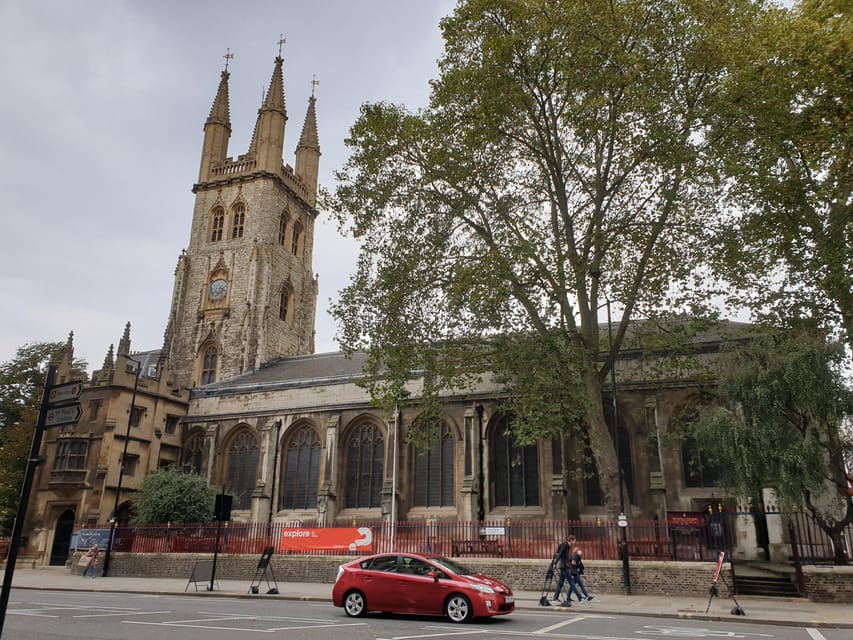
Reviewed · LONDON
Turmoil, Templars, Oliver Twist: London’s Squalor & Splendor
London can feel like a time machine with rules. This two-hour walk strings together Saxon turmoil, Oliver Twist spots, and some serious London “wow” stops. I like how it swaps grim and glamorous without slowing down, and I also like the tight focus on specific sites instead of vague legends.
You’ll get a guided hit of Fagin’s den and an Oliver Twist execution location, then swing to the splendour of Freemasons’ Hall and the Knights Templar headquarters area at Temple Church. The only real drawback is the pace: it’s built for quick, guided stops, not slow wandering or long interior time at each place.
In This Review
- Key Highlights You’ll Actually Feel on the Ground
- Holborn in Two Hours: The Saxon-to-Dickens Storyline
- Starting at Covent Garden, Ending Near Blackfriars: Route and Pace
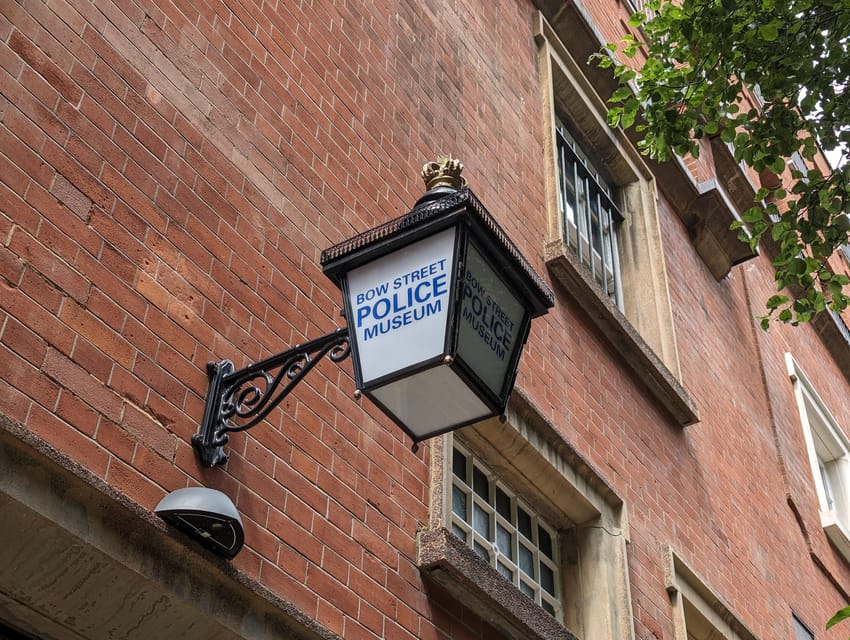
- Bow Street Police Museum and the Bow Street Runners
- Freemasons’ Hall and Temple Church: Splendour Meets Power
- Oliver Twist on Real Streets: Fagin’s Den and Execution Location
- Royal Courts of Justice and the Old Bailey: Where London Judgment Got Loud
- Bridewell Centre: The Prison Layer You’ll Remember
- Staple Inn, Hatton Garden, and Holy Sepulchre Church: The In-Between Stops With Payoff
- London Silver Vaults: The World’s Largest Retail Silver Collection
- Price and Logistics: Why $26 Can Make Sense Here
- Who This Tour Fits Best (and Who Might Want Something Else)
- Should You Book This Tour?
- FAQ
- How long is the walking tour?
- Where does the tour start and where does it end?
- How far do we walk?
- What group size should I expect?
- Which stops and places are included?
- Is the tour suitable for children?
- What language is the tour guide?
- Can I cancel and get a refund?
- Is there a reserve and pay later option?
Key Highlights You’ll Actually Feel on the Ground
- Holborn in two hours: tight stops that still cover 2,000 years of London
- Oliver Twist mapping: Fagin’s den and the tale’s execution location tied to real streets
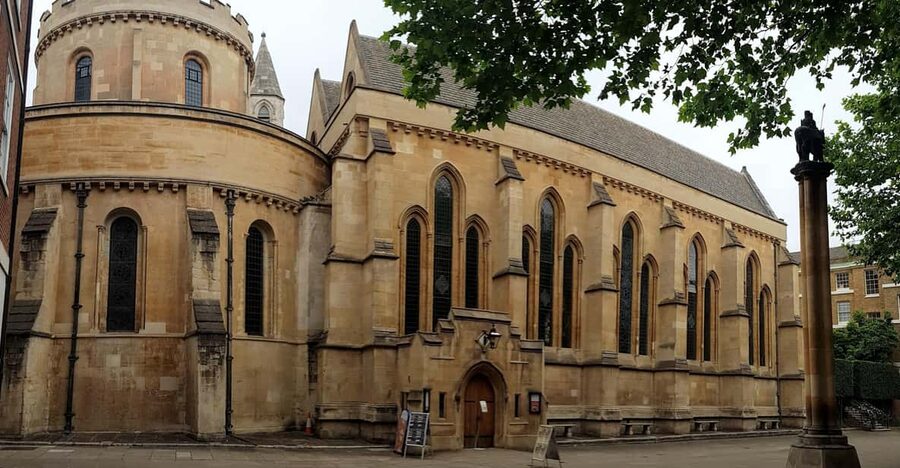
- Templar and Freemason landmarks: Temple Church and Freemasons’ Hall on the same walk
- Justice + prisons: Bow Street Police Museum, Royal Courts of Justice, Old Bailey, and Bridewell Centre
- London Silver Vaults: the world’s largest retail silver collection as a proper “final act”
- Small group size: tickets limited to 15 so questions stay possible
Not sure yet? See how a few of London's most-booked trips stack up:
- From London: Harry Potter Warner Bros Studio Tour
★ 4.7 · 26,588 reviews - London: Westminster to Greenwich River Thames Cruise
★ 4.5 · 22,836 reviews - Magical London: Harry Potter Guided Walking Tour
★ 4.7 · 22,044 reviews - London: Madame Tussauds London
★ 4.6 · 20,915 reviews
Holborn in Two Hours: The Saxon-to-Dickens Storyline
This tour has a clean premise: walk Holborn and let London’s layers build on top of each other. You start with the Saxon period, then move forward into the worlds of law, punishment, and street-level survival. Then comes Dickens and his grim characters, which is where the route turns especially fun.
One reason this works is the balance. You don’t just hear spooky stories. You see the places where London’s institutions took shape, from courts to policing. And you also get the contrast: Freemasons’ Hall’s splendour and the Temple Church setting sit right next to the darker “how the city dealt with people” stops.
I also like that the tour doesn’t treat the past like a museum diorama. It keeps the focus on real addresses and recognizable landmarks, so when you read Dickens later—or watch anything Oliver Twist-related—you’ll have a mental map instead of a blur.
Starting at Covent Garden, Ending Near Blackfriars: Route and Pace
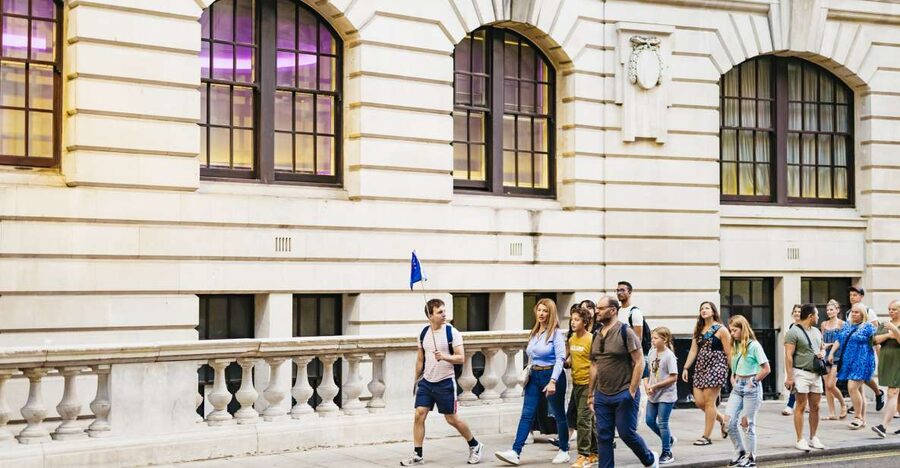
The walking route runs from outside Covent Garden Station to near Blackfriars Station, ending at 36–37 New Bridge Street, London EC4V 6BJ. The tour takes about 2 hours and covers about 2.5 miles, so it’s an active, central-city walk rather than a slow stroll.
You’ll hit a sequence of stops where the guided time is short—around 5 minutes each. That’s a feature. You get orientation at multiple key sites and leave with enough understanding to explore on your own afterward. The trade-off is simple: if you love lingering inside buildings, you’ll want to plan extra time nearby after the tour.
Groups are capped at 15 attendees, which matters. In London, the difference between a good tour and a frustrating one is often crowd noise and whether you can ask questions. A small group keeps the guide moving at a human pace and gives you a better shot at learning the details you care about.
Bow Street Police Museum and the Bow Street Runners
You begin with Bow Street Police Museum, and that’s a smart opening. It sets the tone for the rest of the walk: London didn’t become a justice-and-policing hub overnight. It evolved, and Bow Street sits near the origin story of organized law enforcement in the city.
From here, the tour’s mindset becomes clear. You’re not just sightseeing church façades and grand halls. You’re building a picture of how London handled crime, order, and public fear. That makes the later prison stops hit harder, because you’ll understand the system that fed them.
If you’re even mildly curious about how cities “invented” policing, this is one of the best starting points you can get on a walking tour like this. It gives you a lens for everything else on the route.

Freemasons’ Hall and Temple Church: Splendour Meets Power
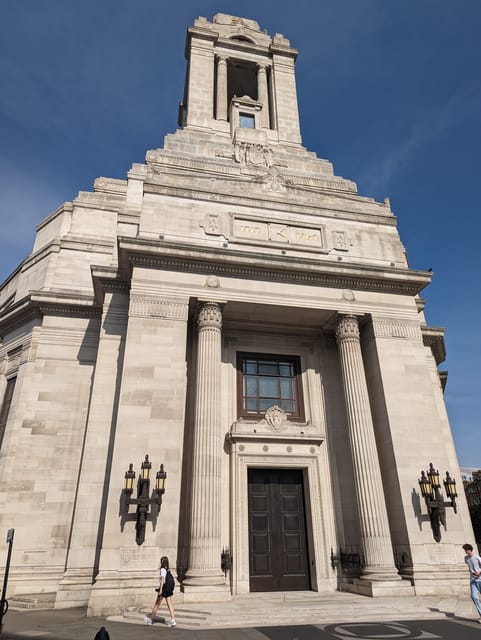
Next up is Freemasons’ Hall, where the mood shifts quickly from law to symbolism. The tour leans into splendour, and it’s not just for show. Meeting halls and formal spaces like this were designed to look permanent—places meant to project stability, status, and influence.
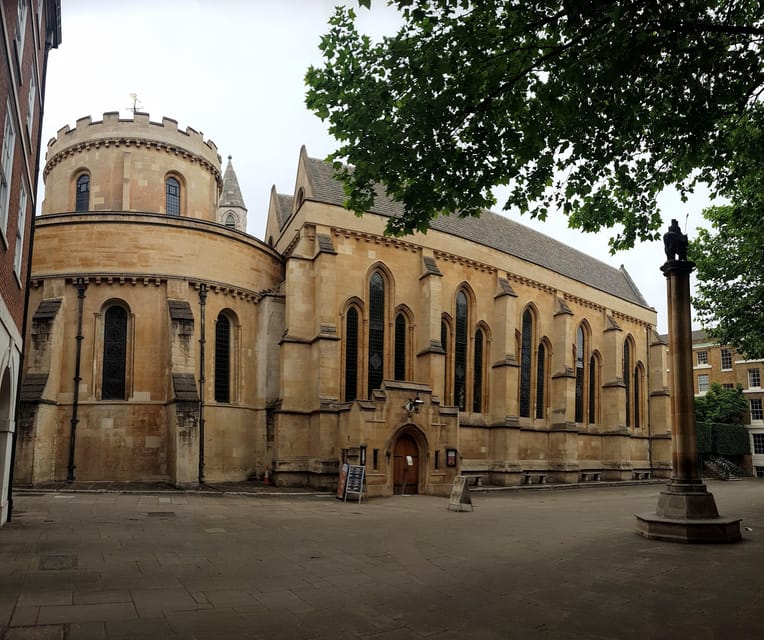
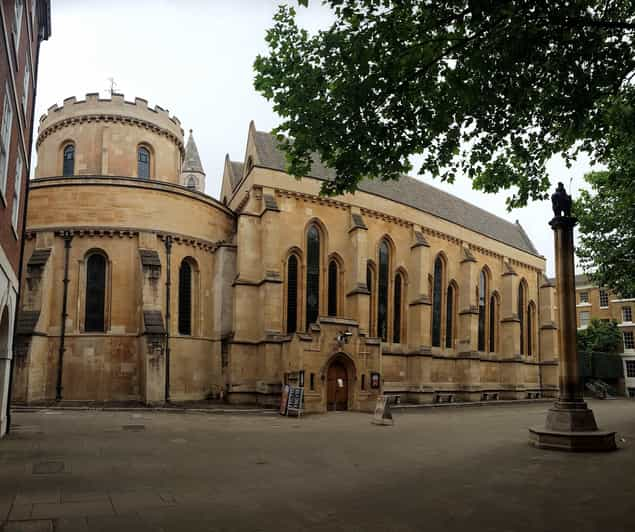
A few steps later you’ll reach Temple Church, which ties into the Knights Templar headquarters connection. Even if you don’t know the Templars well, the location itself is a strong anchor. It’s the kind of site where the architecture and setting help you understand why legends and institutional power became tangled in London.
This pairing is one of the tour’s best tricks: Freemasons’ Hall gives you the prestige side of power, and Temple Church gives you the myth-and-history side. Together they prepare you for the darker material later, because you’ll be thinking about control, belonging, and who had access to the levers of authority.
Oliver Twist on Real Streets: Fagin’s Den and Execution Location
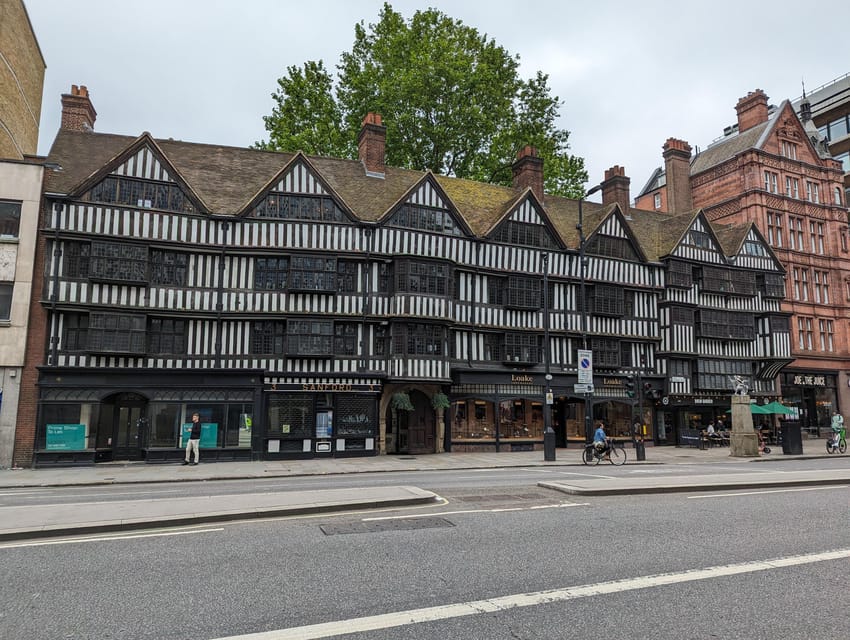
The tour’s Dickens thread is a highlight, especially for literature lovers. You’ll visit the locations tied to Fagin’s den and an execution location from Oliver Twist. This isn’t presented as a generic “Dickens walked around here” moment. Instead, the guide links the story elements to specific street settings you can actually find again.
Why this matters: Dickens wrote with sharp observation about class, poverty, and punishment. When you stand where those stories are said to connect, you start to see the emotional geography. You understand how a character could move through the city like it was a maze with consequences.
I’d suggest going into this stop ready to follow the thread. If you’ve only seen a film version, you might miss some of the story beats. If you’ve read the book or know the basics, you’ll get more out of the street-to-text connections.
Royal Courts of Justice and the Old Bailey: Where London Judgment Got Loud
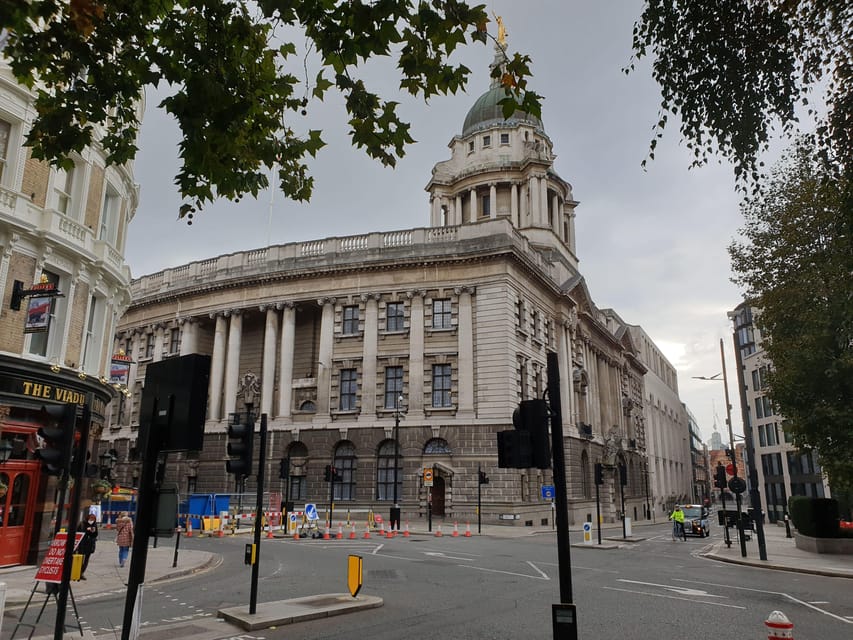
After the Dickens material, the route turns toward the heart of London’s courtroom identity. You’ll pass Royal Courts of Justice and then get to the Old Bailey. That combination gives you a clear idea of how the legal system sat in the city’s daily life.
This part of the walk also helps you understand the theme the whole tour is built on: turmoil and consequences. The tour mentions hearing about London’s notorious prisons, and this is where that idea takes form. The Old Bailey, in particular, is one of the best-known justice landmarks in London, and it brings a weight to the story that’s hard to get from a postcard.
A practical note: courts and justice buildings can look busy even when you’re just passing. Give yourself a small buffer to move with the flow of pedestrians. The tour stays on schedule, but you’ll feel more relaxed if you keep your pace steady.
Bridewell Centre: The Prison Layer You’ll Remember
One of the stops is Bridewell Centre, and it’s framed as part of the discussion of infamous places used for punishment. Pairing it with the Old Bailey and the broader courts stops makes it feel like you’re seeing different “faces” of the same system.
Bridewell’s role in the story adds a different kind of grit. The tour is designed to show that prisons weren’t just one institution. They were part of a network—each place with its own reputation, purpose, and social meaning.
If you’re worried this part will feel too dark, you’re not wrong to consider it. It’s not a horror tour, but it does talk about prisons. I’d treat it like London literature. You’ll come away with context, not just shock value.
Staple Inn, Hatton Garden, and Holy Sepulchre Church: The In-Between Stops With Payoff
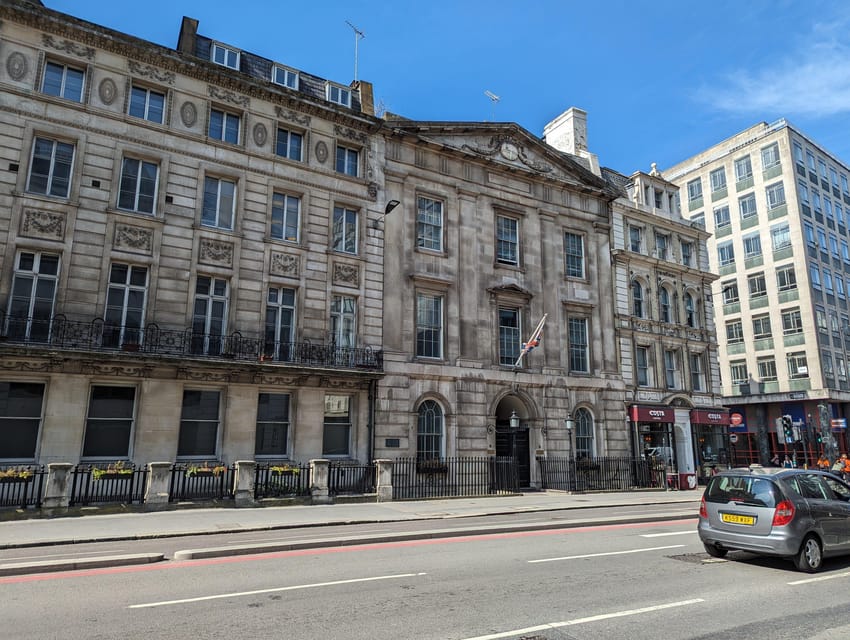
The itinerary includes Aldwych, Staple Inn, Hatton Garden, and Holy Sepulchre Church. These stops can feel like quick transfers on paper, but they matter because they connect the big-name landmarks into a coherent walking story.
- Staple Inn fits the legal and historical mood of the route, reinforcing how justice and commerce sat close together in the city.
- Hatton Garden adds a sharper flavor of London’s specialized spaces and reputation around valuables and trade.
- Holy Sepulchre Church brings a spiritual and architectural counterpoint, reminding you this part of London wasn’t just courts and prisons. People lived their lives alongside the institutions.
Even with only a short guided moment at each, you’ll still come away with better spatial understanding: you’ll know where to look for the next clue if you keep walking after the tour ends.
London Silver Vaults: The World’s Largest Retail Silver Collection
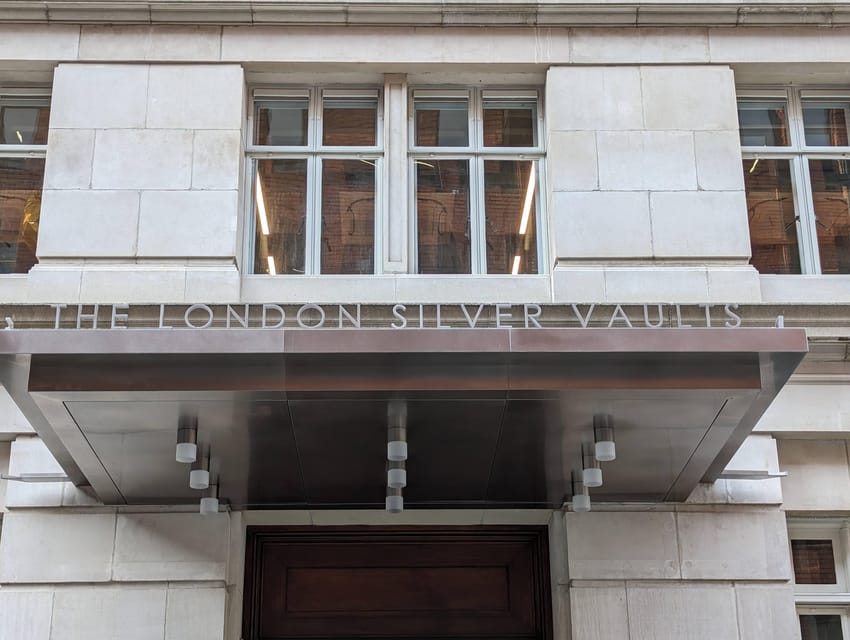
Then comes the big tonal change: London Silver Vaults. The tour frames it as the world’s largest collection of retail silver, and that gives you a satisfying end-of-route payoff.
This stop works for a simple reason. After Saxons, Templars, Dickens, courts, and prisons, you finally get something tactile and visual—metal, shine, objects you can look at and imagine in everyday life. It’s a reminder that while London made rules and wrote stories about punishment, it also made and sold things people wanted.
If you like practical souvenir thinking, this is the moment to consider it. Not everyone will buy silver, but you’ll understand what makes the place special without needing a lecture.
Price and Logistics: Why $26 Can Make Sense Here
At $26 per person for about 2 hours (roughly 2.5 miles on foot), you’re paying for a guided route that hits many major sites in central London. The value comes from focus: the tour is built to connect themes across time instead of listing landmarks one by one.
Is $26 a bargain? It’s competitive for London, especially with a small group cap of 15 attendees and a guided walk that packs in multiple stops like Bow Street Police Museum, Freemasons’ Hall, Temple Church, Old Bailey, and London Silver Vaults.
The main reason it might feel expensive is also the simplest: it’s short stop times. If you wanted a slow tour with long interior visits, this isn’t that format. But if you want a smart way to get orientated and leave with a map for further exploring, it’s a solid use of your time.
Who This Tour Fits Best (and Who Might Want Something Else)
This tour fits best if you like London themes that connect. You enjoy literature settings, and you’re curious about the real places behind stories like Oliver Twist. You also like the mix of myth and institutions: Knights Templar and Freemasons are big draws here.
It’s also a good choice if you want to understand how “turmoil” shows up in a city layout. London’s past isn’t abstract on this route. It’s where legal power, punishment, and public order intersect.
You should skip it if you’re traveling with children under 13, since it isn’t suitable for that age group. And if prisons and execution-related content make your stomach turn, you might prefer a lighter sightseeing walk.
Should You Book This Tour?
I’d book it if you want a guided London walk that moves fast but doesn’t feel random. The small group size, the 2-hour time window, and the mix of Dickens + justice + Templars/Freemasons make it a strong “first or second day in London” activity.
You might skip it if your ideal tour is slow and quiet, with lots of time inside buildings. This experience is about connection and orientation, not deep museum-style sitting.
If you’re the type who likes to walk away with names, locations, and a clear sense of cause and effect, this is a great fit.
FAQ
How long is the walking tour?
It lasts about 2 hours.
Where does the tour start and where does it end?
It starts outside Covent Garden Station, where the guide will be holding a Historic London Tours sign. It ends at 36–37 New Bridge St, London EC4V 6BJ.
How far do we walk?
The total distance is about 2.5 miles.
What group size should I expect?
Ticket sales are limited to 15 attendees.
Which stops and places are included?
The tour includes Bow Street Police Museum, Freemasons’ Hall, Aldwych, Royal Courts of Justice, Temple Church, London Silver Vaults, Staple Inn, Hatton Garden, Holy Sepulchre Church, Old Bailey, and Bridewell Centre.
Is the tour suitable for children?
No, it is not suitable for children under 13.
What language is the tour guide?
The tour is guided in English.
Can I cancel and get a refund?
Yes. You can cancel up to 24 hours in advance for a full refund.
Is there a reserve and pay later option?
Yes. You can reserve your spot and pay nothing today.
More Tour Reviews in London
- From London: Harry Potter Warner Bros Studio Tour
★ 4.7 · 26,588 reviews - London: Westminster to Greenwich River Thames Cruise
★ 4.5 · 22,836 reviews - Magical London: Harry Potter Guided Walking Tour
★ 4.7 · 22,044 reviews - London: Madame Tussauds London
★ 4.6 · 20,915 reviews - London: Warner Bros. Studio Harry Potter Tour & Branded Bus
★ 4.7 · 19,194 reviews




