
Reviewed · LONDON
Turmoil, Templars & Oliver Twist London’s Squalor and Splendour
London’s law streets have a dark glow. This Holborn walking tour makes it fun to see how Dickens, medieval power, and the legal world shaped the city, with stops tied to Oliver Twist.
I really like how the route mixes serious institutions with story-driven details, starting at crime and justice and moving through landmark courts and Templar connections. Another win: it’s a small group with time to ask questions, and the guide Tom keeps answers clear and direct.
One thing to consider: it’s not a sit-and-stare tour. You’ll do a steady walk (not recommended if you can’t manage about two miles at a reasonable pace), and many stops are short photo-and-fact moments rather than long museum stays.
In This Review
- Key things you’ll notice on this Holborn walk
- Holborn’s squalor-and-splendour theme actually works
- Meet Tom, get your questions ready, and keep it to 2 hours
- Stop 1: Bow Street Museum of Crime and Justice—where the story begins
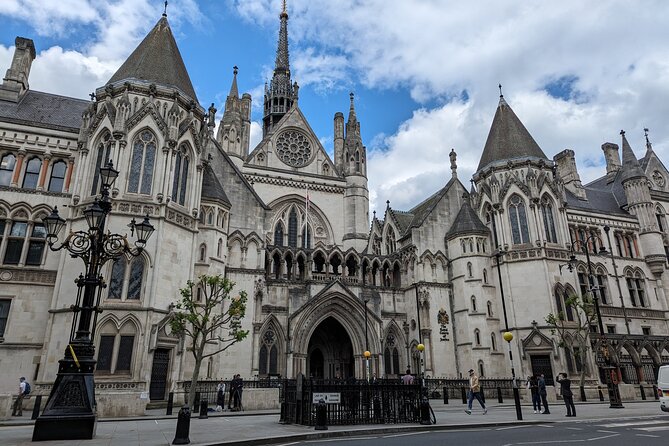
- Stop 2 and 3: Freemasons’ Hall and the Royal Courts of Justice
- Stop 4: Temple Church—Knights Templar, but with street-level clarity
- Stop 5: The London Silver Vaults—luxury in the middle of legal streets
- Stop 6: Staple Inn—what’s left of the Inns of Chancery
- Stop 7: Old Bailey and the Newgate Prison site—crime, punishment, and place
- Logistics that matter: start in Covent Garden, finish near Blackfriars
- Price and value: $27.42 for a focused, guided route
- Who should book this (and who should skip it)
- Should you book Turmoil, Templars & Oliver Twist in Holborn?
- FAQ
- How long is the walking tour?
- What does the tour cost?
- Where does the tour start and where does it end?
- Is admission included for the stops?
- Is there a group limit?
- Is the tour offered in English?
- Do I need to be able to walk?
- Is the ticket mobile?
- Can I cancel and get a full refund?
- What happens if the minimum number of travelers isn’t met?
Key things you’ll notice on this Holborn walk
- Oliver Twist locations tied to the neighborhood around Holborn
- Tom-led Q&A in a group capped at 15
- Crime-and-justice stops starting at the Bow Street Museum area
- Temple Church and the Knights Templar angle as more than a quick photo stop
- A surprise of luxury with the London Silver Vaults amid the legal streets
Not sure yet? See how a few of London's most-booked trips stack up:
- From London: Harry Potter Warner Bros Studio Tour
★ 4.7 · 26,588 reviews - London: Westminster to Greenwich River Thames Cruise
★ 4.5 · 22,836 reviews - Magical London: Harry Potter Guided Walking Tour
★ 4.7 · 22,044 reviews - London: Madame Tussauds London
★ 4.6 · 20,915 reviews
Holborn’s squalor-and-splendour theme actually works
Holborn can feel like London’s brain: courts, legal offices, old institutions, and a constant hum of people moving through history on real schedules. This tour leans into that tension. You’re not looking at pretty monuments only. You’re walking past places tied to crime, justice, and power—then you swing to something shiny and expensive at the London Silver Vaults.
That contrast is the point. When you see the legal buildings and justice-related landmarks close together, the neighborhood stops being a blur of “important sites” and starts feeling like a working system that grew over centuries. And when you connect that to Dickens’ Oliver Twist settings, the storytelling clicks. Even if you know the book well, the streets give it an extra layer.
I also like that the tour doesn’t require you to be a medieval expert. The focus is on what shaped the city you’re standing in today: institutions, legal spaces, and the way older systems left physical traces.
Meet Tom, get your questions ready, and keep it to 2 hours
This is built as a small-group guided walking tour (up to 15 people), and the pacing fits the time window: about 2 hours. The stops are brief, roughly five minutes each, which means you get a lot of variety without the day disappearing on you.
The guide—Tom—is the reason the experience feels personal. The structure gives you frequent chances to ask questions, and Tom also helps you connect the dots. In other words, you’re not just hearing dates and names. You’re learning how all these places relate, then getting practical ideas for what else to explore while you’re in London.
You’ll want comfortable walking shoes. The tour isn’t advertised as difficult climbing, but you do need to be able to walk steadily for around two miles at a reasonable pace. If that’s not you, you’ll likely feel rushed.
Stop 1: Bow Street Museum of Crime and Justice—where the story begins
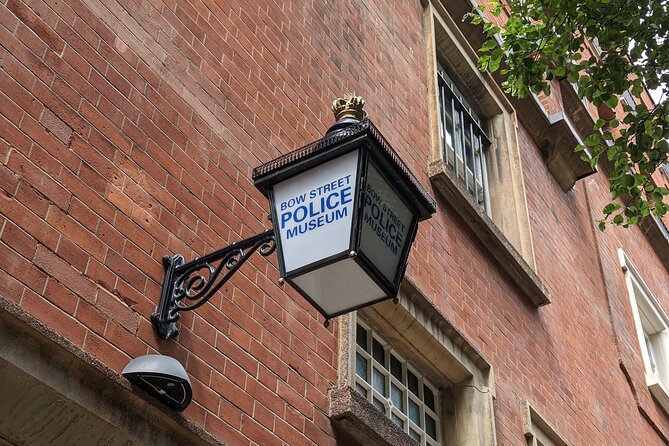
The tour kicks off near Bow Street Museum of Crime and Justice, with a focus on the history of the Bow Street Runners. This is a smart opening because it sets the tone: you’re entering London through the lens of law and enforcement, not royal pageantry.
What I like about starting here is that it’s not just abstract “crime history.” It gives you a framework for everything you’ll see after: the legal buildings, the criminal court site later on, and the way justice systems took physical form. Even with a short stop, it helps you understand why this area of London got so tightly linked to courts and legal institutions.
Practical note: because the stop is short, it’s best if you treat it like orientation. Ask Tom what to watch for, then keep moving. You’ll get more meaning out of the next stops once you’ve got this first piece.



Stop 2 and 3: Freemasons’ Hall and the Royal Courts of Justice
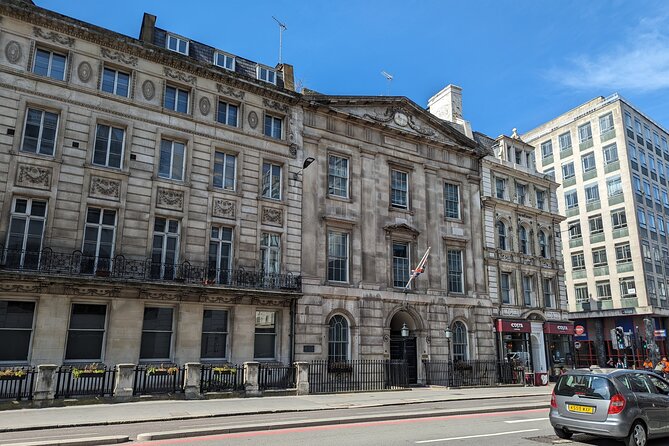
From Bow Street, you move into the realm of institutions and authority with Freemasons’ Hall and then the Royal Courts of Justice.
Freemasons’ Hall is the kind of stop that can feel like “interesting building” unless you get the context. With Tom explaining the history of the hall, the place becomes less of a curiosity and more of a window into how organized groups mattered in London’s social and civic life. If you’re the type who enjoys how the city’s structure worked behind the scenes, this is a good moment.
Then the tour continues to the Royal Courts of Justice. This is where the walking tour shines for people who like a clear storyline. Tom’s explanations help you connect what you’re looking at to how the city handled conflict, governance, and authority over time.
Because these are brief stops, don’t plan on reading every detail on the walls. Plan on hearing the story first, then snapping photos of the places you want to revisit later.
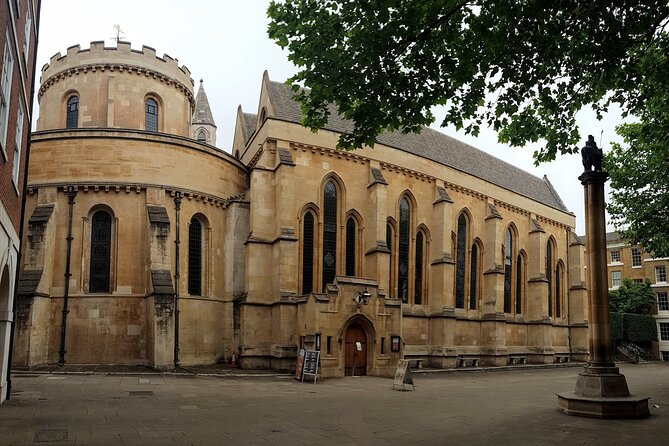
Stop 4: Temple Church—Knights Templar, but with street-level clarity
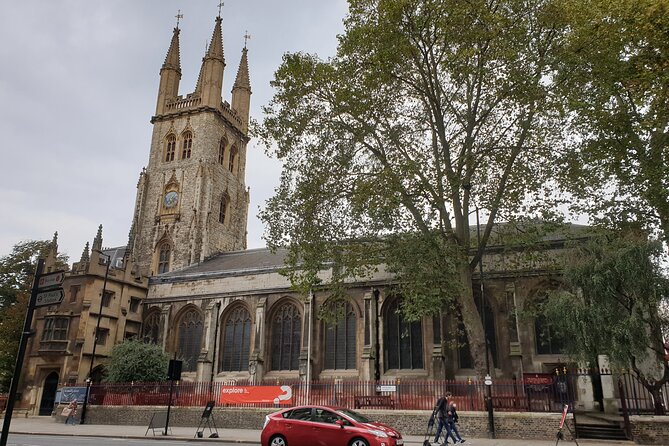
Next is Temple Church, with the focus on the Knights Templar and the church’s role in that larger story.
This is one of the more memorable stops because the Templar theme isn’t just “medieval trivia.” It’s tied to a physical location in London that feels layered—old meaning, still-solid stone, and modern streets moving around it. When you hear the Knights Templar angle at the actual church, the Middle Ages stop sounding distant.
The short stop time matters here. Temple Church is the type of place where, if you love the subject, you’ll want more time. But the tour’s design isn’t meant to replace a slow visit; it’s meant to give you the essentials and spark curiosity. If you want a longer temple-and-medieval session after, this tour helps you know where to start.
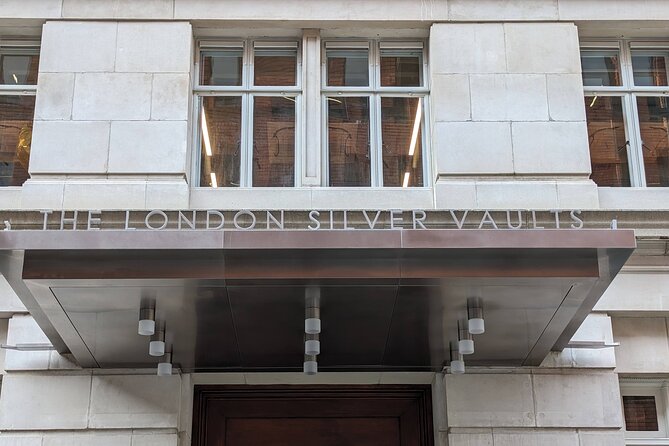
Stop 5: The London Silver Vaults—luxury in the middle of legal streets
Then you get a jolt of contrast: The London Silver Vaults, described as the world’s largest collection of retail silver.
This is the fun pivot in the route. It’s not a typical “history stop,” and that’s why it works. You’re walking in an area loaded with law, punishment, and old power structures, and then you step into something that feels like pure craftsmanship and consumer delight.
Even if you don’t plan to buy anything, I think this stop is valuable because it reinforces the tour’s theme of squalor and splendour. London wasn’t only grim courts and hard edges. People also built businesses, collected wealth, and turned status into objects you could hold.
If you’re sensitive to shopping-focused spaces, treat this as a quick look and focus on Tom’s framing. You’ll still leave with the point of contrast, not just a store experience.
Stop 6: Staple Inn—what’s left of the Inns of Chancery
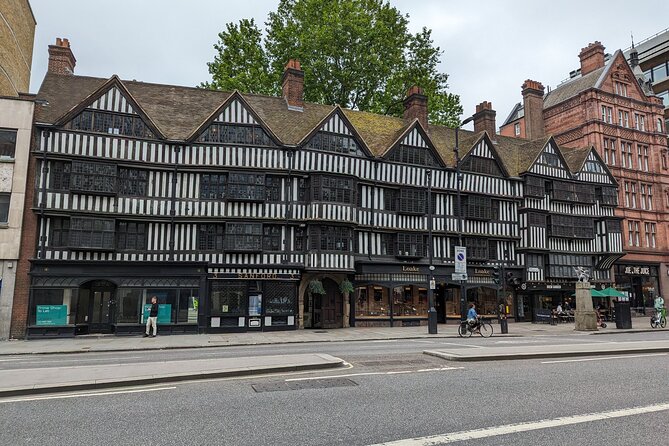
Next comes Staple Inn, described as the last remaining of the Inns of Chancery buildings.
This stop is one of the best “small but meaningful” moments on the tour. It shows how older legal infrastructure can fade and shrink over time, leaving behind a surviving slice you can actually see. When Tom explains the history of Staple Inn, you get a sense of what the Inns of Chancery were in the first place—and why one surviving building can feel so important.
I also like that this isn’t just a stand-alone stop. It helps you connect the earlier legal buildings to the broader legal ecosystem. You’re no longer viewing court sites as isolated landmarks; you’re seeing them as part of a network.
Stop 7: Old Bailey and the Newgate Prison site—crime, punishment, and place
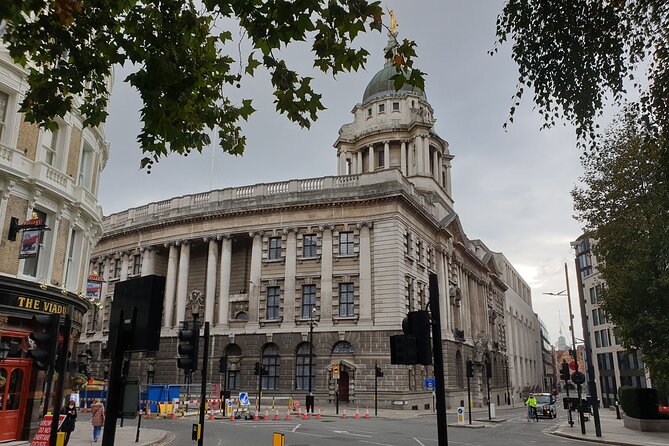
The tour ends at the Old Bailey, the site of the Central Criminal Court, and it’s linked to the history of where Newgate Prison once stood.
This is the emotional finish line of the route. Old Bailey-related history has a gravity that you feel instantly just by standing in the area. With Tom tying in the background, you understand why the name “Old Bailey” matters and why this part of London keeps returning in stories about crime and justice.
Because this is another short stop, your best move is to let Tom do the explaining and then take a minute to absorb the surroundings: how the street layout and the surrounding institutions set the scene for what happened here. If you’re a Dickens fan, this ending also harmonizes with the tour title. The law isn’t only history—it’s part of the stories people told about London.
Logistics that matter: start in Covent Garden, finish near Blackfriars
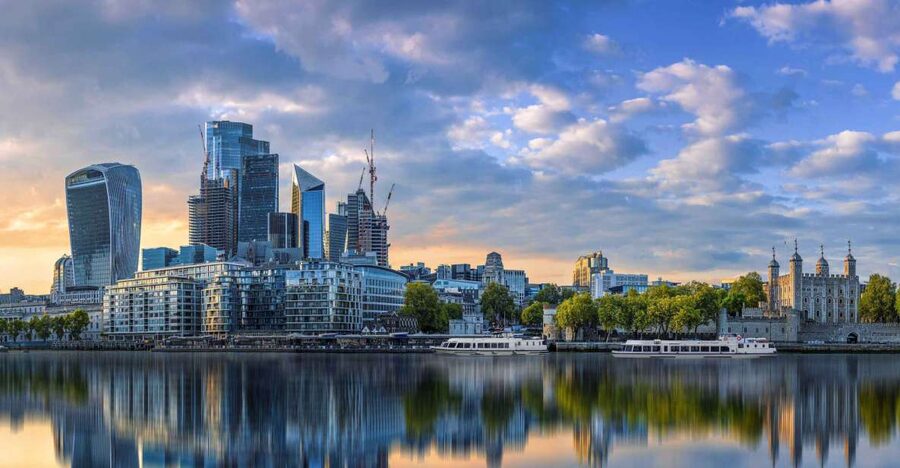
The tour starts at Covent Garden Underground Ltd, Long Acre, London WC2E 9JT and ends at Superdrug Health Clinic (36–37 New Bridge St, London EC4V 6BJ), near Blackfriars Station on the northern bank of the River Thames.
That end point is practical. You’re not stuck far from transport. If you’re spending more time in London afterward, it’s a good setup for walking along the river area or catching transit toward your next stop.
Also, this is offered in English, and you’ll receive a mobile ticket. That’s one less thing to manage while you’re juggling museums, street crossings, and the usual London schedule chaos.
One more practical tip: because the stops are quick, I’d bring a small note-taking plan. Jot down 1–2 places you want to return to on your own. The tour gives you the meaning; your self-guided time can provide the “linger.”
Price and value: $27.42 for a focused, guided route
At $27.42 per person, this isn’t trying to be a bargain tour with nothing included. You’re paying for a guided walking experience designed to connect a set of major sites in a short window.
What helps the value is that the stops are described as free admission at each location on the route. So you’re not stacking ticket costs on top of your guide fee. You’re getting a guided narrative that brings those places together into one storyline.
Small-group size also matters here. With a maximum of 15 people, you’re less likely to be stuck in a crowd with no real chance to ask questions. Tom’s style—clear explanations and willingness to answer questions—comes through more easily when the group is small.
And timing: this tour is often booked about 31 days in advance. That doesn’t mean you must book immediately, but it does suggest it’s a popular option, especially for visitors who want a structured way to see Holborn without guessing.
Who should book this (and who should skip it)
Book this tour if you want:
- A tight, story-led walk through Holborn that connects Dickens, courts, and medieval themes
- The chance to ask questions and get straight answers from Tom
- A route that mixes major institutions with a surprising “luxury” stop at the silver vaults
Skip or think twice if:
- You can’t comfortably walk for about two miles at a reasonable pace
- You want long museum time at every stop. This route is built around short, guided moments, not extended independent exploration
Also, if you enjoy the idea of doing it from home first, you might see an evening virtual option tied to the same theme and guide. In that case, the law courts and Temple area tend to be especially highlighted.
Should you book Turmoil, Templars & Oliver Twist in Holborn?
I’d recommend it for most first-time Holborn visitors who like history with momentum. It’s well paced for a two-hour window, and the combination of legal landmarks, Temple Church, and Oliver Twist connections makes the neighborhood feel more alive than a standard photo walk.
The best reason to book is simple: you’ll leave with a storyline, not just a checklist. And if you’re the type who likes to ask questions as you go, the small-group setup gives you that chance.
FAQ
How long is the walking tour?
It runs for about 2 hours.
What does the tour cost?
The price is listed as $27.42 per person.
Where does the tour start and where does it end?
It starts at Covent Garden Underground Ltd, Long Acre, London WC2E 9JT, UK, and ends near Blackfriars Station at Superdrug Health Clinic, 36–37 New Bridge St, London EC4V 6BJ, UK.
Is admission included for the stops?
The itinerary notes free admission at each of the listed stops.
Is there a group limit?
Yes. The tour has a maximum of 15 travelers.
Is the tour offered in English?
Yes, it is offered in English.
Do I need to be able to walk?
You should be able to walk about two miles at a reasonable pace. It is not recommended if you’re unable to do that.
Is the ticket mobile?
Yes. You’ll receive a mobile ticket.
Can I cancel and get a full refund?
Yes. You can cancel up to 24 hours in advance for a full refund. If you cancel less than 24 hours before the start time, the amount paid is not refunded.
What happens if the minimum number of travelers isn’t met?
If the tour is canceled because the minimum isn’t met, you’ll be offered a different date/experience or a full refund.
If you’d like, tell me your travel dates and whether you’re a Dickens fan or more of a law/medieval-history person, and I’ll help you decide where to spend extra time before or after this walk.
More Tour Reviews in London
- From London: Harry Potter Warner Bros Studio Tour
★ 4.7 · 26,588 reviews - London: Westminster to Greenwich River Thames Cruise
★ 4.5 · 22,836 reviews - Magical London: Harry Potter Guided Walking Tour
★ 4.7 · 22,044 reviews - London: Madame Tussauds London
★ 4.6 · 20,915 reviews - London: Warner Bros. Studio Harry Potter Tour & Branded Bus
★ 4.7 · 19,194 reviews




