
Reviewed · MUSEUMS
Tate Britain Turner and Constable Exhibition
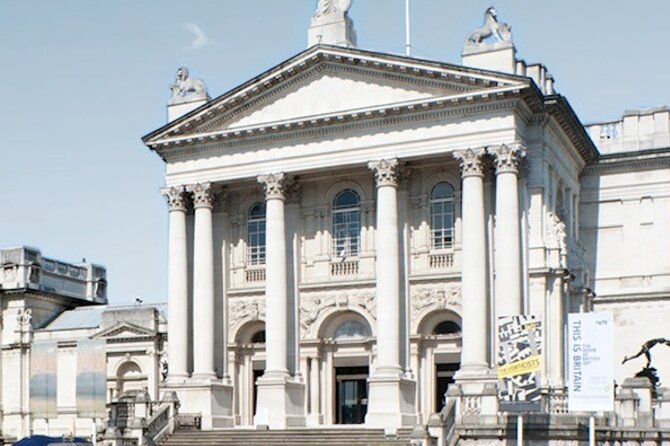
Turner and Constable, together at last. This special Tate Britain exhibition connects two artists who chased the same thing—changing skies and outdoor scenes—through bold paintings, sketchbooks, and personal artifacts, all tied to their 250th birth anniversaries. I especially like the way the show spotlights later Turner shockers side-by-side with Constable’s cloud sketches, so you don’t just admire finished art—you see how each mind worked.
You’ll get a lot from a short visit, roughly 30 minutes to 1 hour, because the focus is tight and the displays lean personal. My only real caution is crowding: some rooms can get packed, and when people cluster too long in front of views or captions, it can slow your pace.
In This Review
- Key things to know before you go
- Tate Britain at a glance: a smart way to spend an hour in London
- What the exhibition is really about: two artists, one shared obsession
- Entering the exhibition: how to get your bearings fast
- Turner’s later paintings: the shock, the drama, and the follow-on influence
- Constable’s clouds and sketches: why his light feels so precise
- The story of their different backgrounds: why it changes how you read the art
- Tate Britain free galleries: the best way to extend your visit without wasting time
- Duration, crowding, and viewing etiquette: how to keep it enjoyable
- Price and value: is $32.91 worth it?
- Ticket timing and potential desk issues: keep your buffer
- Who this is best for (and who might want to skip it)
- Should you book this Turner and Constable exhibition?
- FAQ
- How long does the Tate Britain Turner and Constable exhibition take?
- What is included with the ticket?
- Are other Tate Britain exhibitions included?
- Do I need to book in advance?
- Is free cancellation available?
- Are service animals allowed and can most people participate?
Key things to know before you go
- A focused special exhibition: the ticket is for the Turner and Constable show, not the whole museum program.
- Sketchbooks and personal items: you get the thinking behind the paintings, not just the final results.
- Turner’s later paintings, front and center: these are the works tied to the critics of his day and to Claude Monet’s later inspiration.
- Constable’s cloud studies: watch for how he captured shifting light, not just pretty weather.
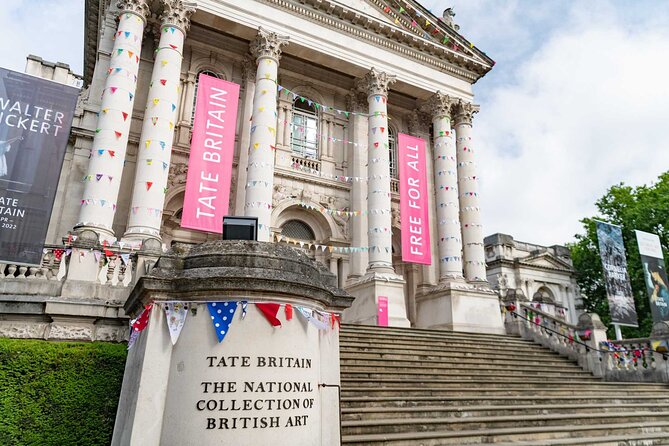
- You get free Tate Britain galleries too: your ticket also covers general museum admission.
- Plan for possible ticket desk friction: a barcode ticket may still require approval and printing at the desk during peak times.
Still deciding? A handful more London outings we rated
- Tower of London and Crown Jewels Exhibition Ticket
★ 4.5 · 6,677 reviews - London: Chelsea Football Club Stadium and Museum Tour
★ 4.8 · 4,576 reviews - Chelsea FC Stadium Tours and Museum
★ 5.0 · 1,908 reviews - London: British Museum Guided Tour
★ 4.3 · 1,182 reviews
Tate Britain at a glance: a smart way to spend an hour in London
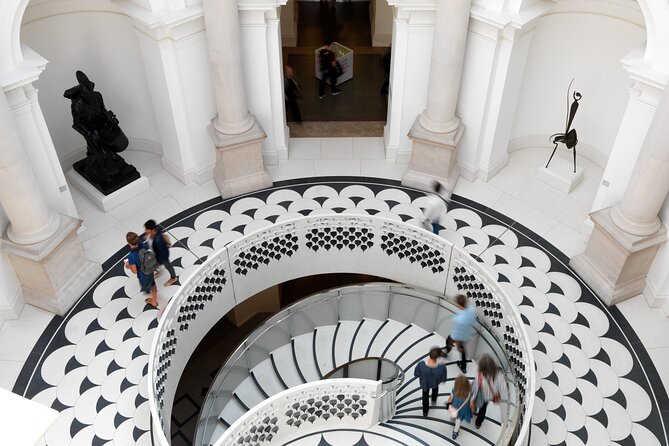
Tate Britain is one of those places where you can go in with a plan and still leave feeling like you found more than you expected. This experience is built around a single special exhibition, so you’re not wandering for hours trying to piece together a day.
What helps is the timing window: you’re looking at about 30 minutes to 1 hour, depending on how closely you read and how often you stop for details. If you only want the main show, you can do it fast. If you like to linger with sketchbooks and caption text, you’ll naturally stretch it.
Also, your ticket includes access to Tate Britain free galleries, which is a practical bonus. Even if the special show takes your attention, you’ll still have space to walk through other museum rooms when you want a breath or a change of pace.
What the exhibition is really about: two artists, one shared obsession
This show is framed as an interwoven look at Turner and Constable—how their lives diverged, yet their goals in art kept circling back to nature. Turner is presented as a rising star with humble beginnings, shaped by gritty Georgian London, while Constable is portrayed as coming from a more comfortable Suffolk background and facing a slower climb to acclaim.
The point is not just that they painted outdoors scenes. It’s that both worked to give those scenes meaning and emotion—then they pushed the limits of how that art could look. You’ll see that difference most clearly when Turner’s late, powerful paintings hit your eyes, and when Constable’s clouds make you slow down and notice subtle change.
The exhibition also leans into a “how it’s made” feeling. Sketchbooks and intimate items give context for the finished works, which makes the art feel less like a museum object and more like evidence of a working life.
Entering the exhibition: how to get your bearings fast
When you arrive, give yourself a minute before you commit to a direction. Look for the room that sets the thread of the show—this is where you’ll usually find the clearest story-setting context.
After that, I suggest you do this order for the best impact. First, scan for the biggest Turner works, then swing back for Constable’s studies. If you start with clouds and light, you’ll build the right mindset for what follows. Then Turner’s late works land harder.
Since this is a busy London museum, keep your expectations realistic. You can absolutely enjoy the galleries quickly, but you should plan on moving at the speed of other people. If you’re sensitive to slow foot traffic, aim for earlier entry.
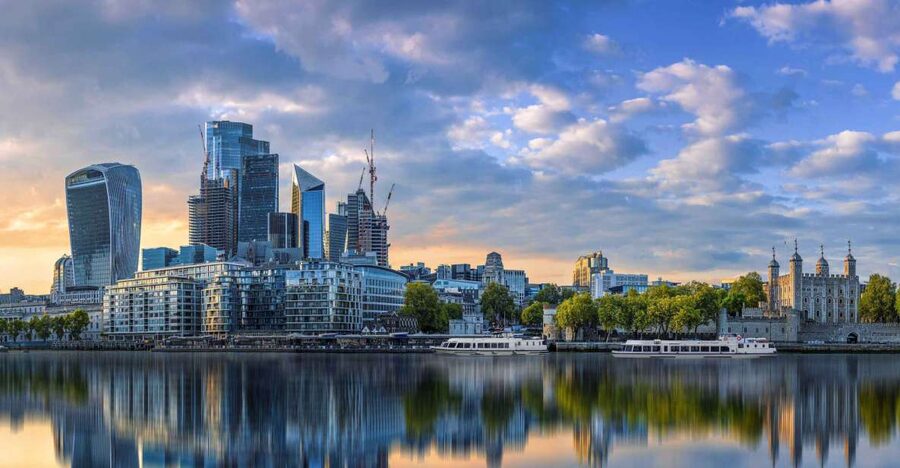

Turner’s later paintings: the shock, the drama, and the follow-on influence
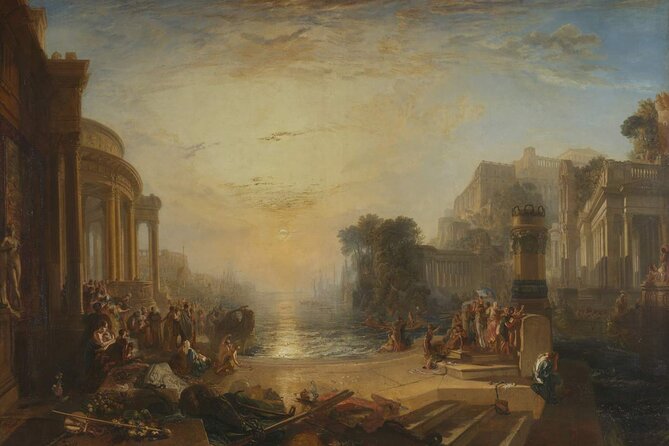
The exhibition’s Turner section is anchored by his later paintings, the ones described as powerful enough to shock critics in his day. That framing matters, because it explains why these paintings feel intense and even slightly confrontational compared to what some people expect from Turner.
You’ll notice how these works feel like more than scenery. They come across as emotional weather—brushwork, light, and composition working together like a storm front. If you’ve only ever seen reproduction images online, this is where you get scale and texture. The paint and color decisions become part of the story.
One of the most useful links the show makes is the way Turner’s later work fed into later artists—specifically, it’s tied to Claude Monet. That connection helps you understand Turner not as a one-off genius in isolation, but as a pivot point that changed how others thought about light and outdoor atmospheres.
Constable’s clouds and sketches: why his light feels so precise
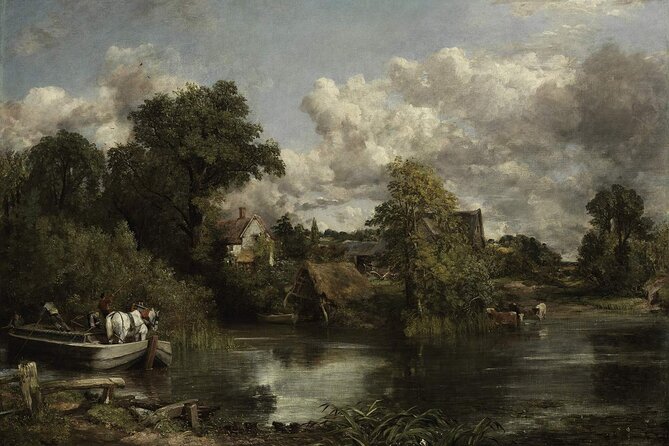
Constable is presented with a different kind of intensity. Instead of the late-painting drama, you get a patient focus on how skies shift. The star details are his expressive cloud sketches, which capture changing light across time.
This part of the exhibition is great if you like to stop and look up at the smallest cues. Clouds in a sketch don’t behave like a photograph. They suggest movement, layering, and a sense of time passing. That’s why the studies can feel more alive than some finished works.
The show also helps you connect the dots between Constable the person and Constable the artist. He’s not portrayed as someone who got everything easily. Even with a more comfortable start, he’s shown as working hard to force his path forward, and you can see that determination in the way his drawings treat observation as a discipline.
The story of their different backgrounds: why it changes how you read the art
What makes this exhibition more than a highlight reel is the way it treats background as part of the art. Turner’s path is described as coming from the gritty heart of Georgian London, moving up fast in the art world despite humble beginnings. That undercurrent of pressure and momentum fits the boldness of his later work.
Constable’s story goes the other way. With wealth behind him, he still has a tougher road to acclaim, and the show presents his rise as more arduous. When you spend time with his sketches and the emphasis on nature-as-study, you can feel that slower method.
This isn’t just biography trivia. It changes your viewing. You start paying attention to why Turner may seem to push boundaries, while Constable feels like he builds understanding through careful looking. Both are trying to transform how outdoor scenes can carry emotion.
Tate Britain free galleries: the best way to extend your visit without wasting time
Because your ticket includes free Tate Britain galleries, you can turn this into a flexible mini-day. After the special exhibition, take a quick lap in the free areas rather than hunting for specific works you may not have planned.
I like to use the free galleries for two purposes. First, recharge your eyes after a dense special exhibition. Second, check whether you’re still in the right mood for more art that deals with the same themes of light and atmosphere.
If you only have an hour total, keep it simple. Watch the special show, then add just one extra gallery wing. That way you don’t end up doing the museum equivalent of speed-reading.
Duration, crowding, and viewing etiquette: how to keep it enjoyable
This experience is short, but it can still feel slow if rooms get crowded. Some people stand in front of paintings for a long time, and it can block access to the captions and viewpoints that help you understand what you’re seeing.
Here’s practical advice that works in any museum, but matters even more here. Move once you’ve had your first look. Then come back later for a second pass if you’re truly engaged. If you’re reading labels, step to the side after you catch the main details so others can see.
Also watch for phone cameras. The data here suggests phone cameras show up, but the issues tend to be limited to a few people. Still, if you’re trying to focus, give yourself a bit of breathing room and take breaks between rooms.
If you’re the type who enjoys art quietly, plan an earlier time slot. You’ll spend more time actually looking, and less time negotiating space.
Price and value: is $32.91 worth it?
At $32.91 per person, the value is strongest when you treat it as a short, focused art experience rather than a full-day museum ticket. You’re paying for a specific special exhibition plus entrance to free Tate Britain galleries.
That mix is what makes the price feel fair. If the exhibition is already on your must-see list, the extra value is that you’re not limited to just one room. You can also use the free galleries to turn the visit into something fuller without spending extra money.
Where value can drop is if you only want a quick glance and you skip the sketchbooks and personal items. This exhibition pays off when you slow down just enough to read and to compare finished work with the thinking behind it.
In plain terms: if you like art that explains itself through process, you’re in the right place.
Ticket timing and potential desk issues: keep your buffer
The exhibition can sell out for same-day entry, so booking ahead is a smart move. The average booking lead time is 44 days, which hints that many people plan this in advance.
The most practical caution from the experience details is this: even with a downloaded ticket barcode, there may be a moment at the desk where your entry still needs approval and a paper ticket gets printed. In busy periods, that can add a queue.
So I’d do two things. First, arrive with a time cushion so you’re not rushed. Second, have your booking confirmation handy on your phone in case staff need to cross-check.
If you’re traveling with tight plans, this matters more than it sounds. A slow printing line at entry can knock your schedule.
Who this is best for (and who might want to skip it)
This is a strong fit for art lovers who want more than masterpieces on a wall. If you like comparisons—Turner’s late intensity versus Constable’s light-focused sketches—this exhibition’s structure does that well.
It’s also a good choice for first-time Tate visitors because you get a guided-in feeling through the special show, then a chance to wander the free galleries afterward.
If you’re not interested in reading labels or looking closely at works like sketchbooks, you might not get full value from the ticket. In that case, you’ll still see great paintings, but the extra context may feel like extra effort.
Should you book this Turner and Constable exhibition?
Yes, I think you should book it if you want a high-impact art visit in about an hour. The combo of later Turner paintings and Constable’s clouds and sketches gives you two different ways of thinking about nature, light, and emotion, all in one setting.
Book ahead because the exhibition can be sold out for the day, and your ticket includes Tate Britain free galleries, which stretches the value. Just go in ready for potential crowding and the possibility of a desk check for your barcode ticket.
If you’re the kind of person who likes to compare how artists observe the world, this is exactly the kind of stop that makes London feel special.
FAQ
How long does the Tate Britain Turner and Constable exhibition take?
It’s designed for about 30 minutes to 1 hour, depending on how much time you spend looking and reading.
What is included with the ticket?
Your ticket includes entrance to the Turner and Constable exhibition, plus access to Tate Britain free galleries.
Are other Tate Britain exhibitions included?
No. Other Tate Britain exhibitions that have a charge are not included.
Do I need to book in advance?
It’s recommended. The experience is typically booked about 44 days in advance, and the exhibition can sell out for the day of your visit.
Is free cancellation available?
Yes. You can cancel up to 24 hours in advance for a full refund.
Are service animals allowed and can most people participate?
Service animals are allowed, and most travelers can participate.
More Museums in London
- Tower of London and Crown Jewels Exhibition Ticket
★ 4.5 · 6,677 reviews - London: Chelsea Football Club Stadium and Museum Tour
★ 4.8 · 4,576 reviews - Chelsea FC Stadium Tours and Museum
★ 5.0 · 1,908 reviews - London: British Museum Guided Tour
★ 4.3 · 1,182 reviews - Official tickets: Moco Modern & Contemporary Art Museum
★ 4.5 · 1,157 reviews
More Tour Reviews in London
- From London: Harry Potter Warner Bros Studio Tour
★ 4.7 · 26,588 reviews - London: Westminster to Greenwich River Thames Cruise
★ 4.5 · 22,836 reviews - Magical London: Harry Potter Guided Walking Tour
★ 4.7 · 22,044 reviews - London: Madame Tussauds London
★ 4.6 · 20,915 reviews - London: Warner Bros. Studio Harry Potter Tour & Branded Bus
★ 4.7 · 19,194 reviews
Just reviewed around London





Museums, compared.
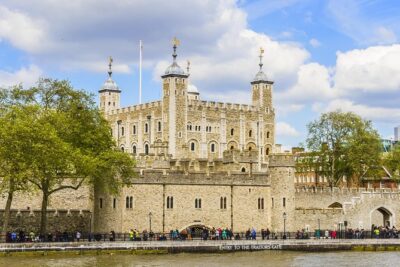 ★ 4.5Tower of London and Crown Jewels Exhibition TicketFrom $496,677 reviews
 ★ 4.8Chelsea Football Club Stadium and Museum TourFrom $434,576 reviews
 ★ 5.0Chelsea FC Stadium Tours and MuseumFrom $441,908 reviews
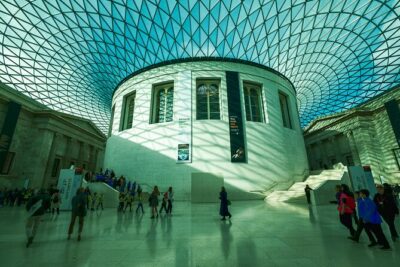 ★ 4.3British Museum Guided TourFrom $231,182 reviews
 ★ 4.5Official tickets: Moco Modern & Contemporary Art MuseumFrom $361,157 reviews
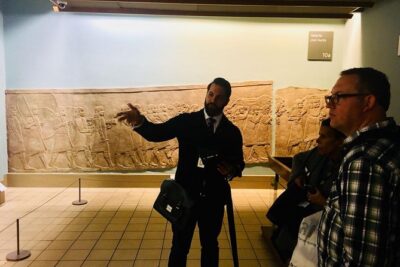 ★ 5.0British Museum London Guided Tour Semi-Private 8ppl MaxFrom $108984 reviews
 ★ 4.2Jack the Ripper Museum TicketsFrom $18894 reviews
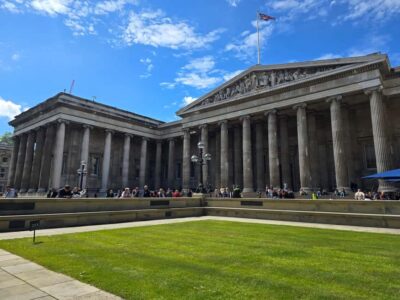 ★ 4.9British Museum Guided Tour with Entrance TicketsFrom $39748 reviews
Browse the lists this tour appears in