
War Rooms under Westminster feel shockingly close. This semi-private WWII walk through the government core of London gives you small-group time, plus a fully ticketed visit to Churchill’s underground command center.
I like how the stops are paced for real viewing: you’re on foot, so you can pause for photos and connect the dots between landmarks. My only heads-up is practical: there are no comfort breaks or refreshments, so plan your timing and grab water before you start.
In This Review
- Key points that make this tour work
- A Westminster WWII walk that links the city to Churchill
- The small-group format: why it changes the feel
- Before you go: timing, tickets, and the one “plan ahead” detail
- Stop-by-stop itinerary: what you’ll get at each place
- Battle of Britain Monument: where the tour starts with air defense
- Big Ben (and Blitz damage): one of the city’s most recognizable scars
- Churchill War Rooms: 1.5 hours in the underground command center
- Parliament Square: face-to-face with Churchill’s legacy
- Whitehall and the war memorial thread
- Cenotaph: a moment for reflection, not sightseeing
- Houses of Parliament: the rebuilding angle
- Horse Guards Parade at Whitehall: Churchill and the cavalry
- Westminster Abbey: grandeur and wartime attack
- Guides and story energy: what you can expect from the delivery
- Price and time value: what you’re really paying for
- Who should book this Churchill and WWII tour
- Should you book Semi-Private WWII Churchill in Westminster & War Rooms?
- FAQ
- How long is the Churchill in Westminster and War Rooms tour?
- What’s included in the price?
- Does the guide go inside Churchill War Rooms with you?
- How large is the group?
- Are refreshments or bottled water included?
- What language is the tour offered in?
Key points that make this tour work
- Stop-and-photo walking pace across the WWII sites of Westminster and Whitehall
- Churchill War Rooms entry included with an on-site audio guide
- Maximum 8 travelers, which keeps questions and conversation realistic
- Two departure windows (morning or afternoon) to fit your day
- WWII-focused story line, from the Battle of Britain to the blitz damage in central London
Big Ben and the Abbey: a few more routes
- London: Westminster to Greenwich River Thames Cruise
★ 4.5 · 22,836 reviews - London: Westminster to Tower Bridge River Thames Cruise
★ 4.5 · 6,127 reviews - London: Westminster Abbey, Big Ben & Buckingham Guided Tour
★ 4.8 · 3,240 reviews - Westminster to Greenwich Sightseeing Thames Cruise in London
★ 4.5 · 2,969 reviews
A Westminster WWII walk that links the city to Churchill
If you want London’s World War II story without feeling rushed, this is a smart format. You start at the Battle of Britain Monument and end at the Churchill War Rooms area, with a guide guiding you through the political and military heart of the city. It’s a semi-private experience, capped at 8 people, so you’re not swallowed by a crowd.
What makes it feel worth your time is the way the route builds momentum. Each stop adds a piece: air defense, bomb damage, government leadership, wartime memorials, and the places that shaped decisions. By the time you reach the War Rooms, you’re not just looking at artifacts. You’re picturing the setting and the stakes.
The small-group format: why it changes the feel
The tour runs about 3 hours and works as a true walking tour with frequent checkpoints. That matters because Westminster can be visually overwhelming. When you’re moving with a small group, you can ask follow-up questions and get the kind of story detail that makes landmarks stick in your head.
You’ll also notice the guide can adjust the conversation level. Past guides connected with this experience include people like Alex, Judd, Rosie, Amber, and Marnie—and the common thread in feedback is storytelling that actually keeps you paying attention. One guide used humor and even songs as part of the delivery, which is a big deal on days when rain or tired legs could otherwise shut your brain off.
Before you go: timing, tickets, and the one “plan ahead” detail
This is offered in English with mobile tickets. The War Rooms ticket is included, but the guide does not join you inside the museum. Instead, you’ll receive an audio guide for your 1.5-hour visit.
Two more practical points:
- The tour has no bottled water and no comfort breaks or refreshments listed.
- It requires good weather. If it’s canceled for poor weather, you’ll be offered a different date or a full refund.
Also, keep in mind the booking pattern: on average, this tour gets booked about 46 days in advance. If you’re traveling in a peak season or on a weekend, you’ll want to lock in your departure window sooner rather than later.
Still deciding? A handful more London outings we rated

Stop-by-stop itinerary: what you’ll get at each place
This tour is structured as a sequence of short, focused walks. Each stop lasts around 10–20 minutes, with one big longer block at the end: the Churchill War Rooms.
Battle of Britain Monument: where the tour starts with air defense
You begin at the Battle of Britain Monument at 79 Whitehall. This is where the guide sets the WWII tone, talking about the Royal Air Force and how Britain fought off Nazi forces during the Battle of Britain.
Why this opening works: it gives context before you hit the flashy landmarks. Big sights like Big Ben are easier to absorb when you already know what the city was surviving. If you’re a history fan, it’s also a good reminder that WWII in London wasn’t only politics and posters—it was also pilots, radar-era decisions, and brutal nights.
Big Ben (and Blitz damage): one of the city’s most recognizable scars
Next is Big Ben, where you hear how it was damaged during the Blitz. Even if you’ve seen photos of the tower a hundred times, hearing the connection to the bombings makes the landmark feel different.
The good part here is time. You’re there long enough to orient yourself and take photos, but not so long that you lose the thread of the story. The trade-off is you won’t get a deep architectural tour. This is for WWII meaning more than stone-by-stone details.
Churchill War Rooms: 1.5 hours in the underground command center
The highlight slot is 1 hour 30 minutes at Churchill War Rooms, and admission is included. The War Rooms are famous for a reason, and this time slot is generous enough to actually read and absorb, not just shuffle through.
A key detail: the guide won’t be with you inside. Instead, you get an audio guide. That can be a plus. You can go at your own pace—slow down at the rooms that grab you and skip what doesn’t. On the flip side, you won’t have live answers in the museum itself, so it helps to come with curiosity (or ask your guide questions right before you enter).
Also, this stop tends to land emotionally. You’re walking through a preserved operational time capsule from the 1940s, which makes the scale of decision-making feel real. If you care about leadership under pressure, this is the section you’ll remember.
Parliament Square: face-to-face with Churchill’s legacy
After the War Rooms, you head toward Parliament Square. The focus here is the Churchill statue—standing near it and learning why it’s such a lasting symbol of his role in wartime Britain.
This stop is short, but it gives the tour a public-facing angle. You’re no longer underground. You’re outside, in the civic space where history turns into monuments. If you like photo ops, this is one of your easier wins.
Whitehall and the war memorial thread
You’ll then pass through Whitehall, with about 20 minutes allocated here. You’ll see memorials to wartime sacrifice and hear how this part of London connects to the political and military machinery of the era.
Whitehall can feel like a long corridor of government buildings, especially if you’re doing it on your own. Having a guide connect the memorial points to the broader WWII story makes the walk feel purposeful instead of purely scenic.
Cenotaph: a moment for reflection, not sightseeing
Next is the Cenotaph, where you’ll spend about 10 minutes. The point is to pay respects at the memorial to soldiers who fought and died at war.
This stop is brief by design. It’s not trying to be a lecture. It’s the tour’s pause button—one of the places where the tone changes from explanation to respect.
Houses of Parliament: the rebuilding angle
You’ll then reach the Houses of Parliament for another 10 minutes. Here, the story includes how Churchill helped with rebuilding the destroyed House of Commons.
Why I like this detail: it shifts WWII from destruction to recovery. It also helps you see Churchill not only as a wartime voice, but as a leader dealing with consequences—how a nation gets back to functioning after the worst nights.
Horse Guards Parade at Whitehall: Churchill and the cavalry
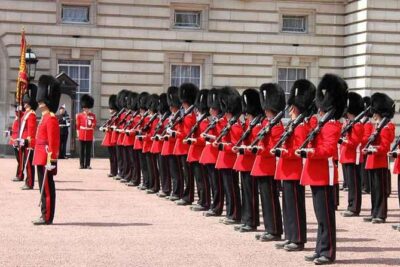
At Horse Guards Parade (at Whitehall), you stand on the site of military parades and hear about Churchill’s life in the cavalry.
This is one of those stops where a small piece of biography makes the whole tour feel more human. It’s not just tanks and strategy. You’re reminded that Churchill’s story includes training, social networks, and the personal pathway that led to wartime leadership.
Westminster Abbey: grandeur and wartime attack
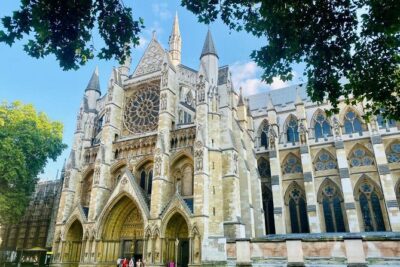
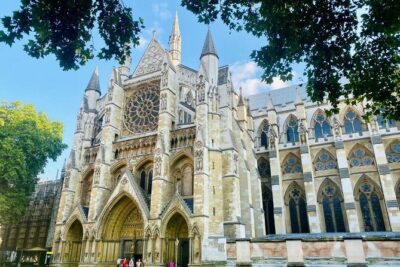
Finally, you visit Westminster Abbey for about 10 minutes. The WWII connection here is that the Abbey was attacked by the Nazis, and you’ll hear that framing as part of the tour’s final wrap.
This ending can be powerful. Westminster Abbey is already a major sight in any London itinerary, but the WWII thread changes how you look at it. Just note the time is tight. This is not a full Abbey visit, so if you want to tour inside, you’d need to plan that separately.
Guides and story energy: what you can expect from the delivery
The biggest praise pattern around this experience is the guide’s ability to make WWII feel like it happened here and now, not like it belongs in a textbook. People mention guides who are clear and animated, and the best part is the “story-to-landmark” connection—how each plaque, each building, and each viewpoint ties back to the war years.
You’ll also get practical tips for the War Rooms visit right before you go in. That matters because the museum is a lot to take in. If you show up with a sense of what to look for, your 1.5 hours turns into a real experience instead of a quick scan.
Price and time value: what you’re really paying for
At $115.16 per person, you’re paying for three things:
- A guided walking route focused on WWII landmarks (not a general Westminster tour)
- Churchill War Rooms entry included
- A small-group setting that keeps you from feeling like a headset-wearing tourist in a cattle line
Is it cheap? No. But for London, where entry fees and guided time stack up fast, it can be good value—especially because the War Rooms ticket is part of the price.
You’re also investing about 3 hours, and a lot of that time is outdoors and between major sites. If you enjoy history but don’t want to spend your whole day hopping between museums, this format is efficient.
The trade-off is the lack of included refreshments and the absence of built-in comfort breaks. If you’re the kind of traveler who needs frequent stops for water or snacks, you’ll want to handle that on your own before the tour starts.
Who should book this Churchill and WWII tour
This works best if:
- You’re a World War II history buff, especially Churchill and Britain’s wartime operations
- You like walking tours with frequent photo moments
- You want a guided story through Westminster and Whitehall rather than reading plaques alone
- You’re comfortable with an audio guide inside the War Rooms
It might feel less ideal if:
- You need lots of scheduled breaks or included amenities during the walk
- You’re hoping for the guide to be physically inside every stop, including inside the museum
Should you book Semi-Private WWII Churchill in Westminster & War Rooms?
I think you should book this tour if you want the Churchill War Rooms experience anchored by real context in the streets above it. The small group size, the foot-paced route, and the strong WWII focus make it more than a museum drop-in. You get the story line from Battle of Britain to the memorials, then you step into the command center with a clear mental map.
If you do book, plan smart: use the restroom before you start, bring water on your own (since none is provided), and check the weather. When the day is right, this is one of the more direct ways to connect London’s landmarks to the war years without wasting time.
FAQ
How long is the Churchill in Westminster and War Rooms tour?
It runs about 3 hours, with roughly 1.5 hours spent at Churchill War Rooms.
What’s included in the price?
Entrance tickets to Churchill War Rooms are included, along with a knowledgeable, friendly guide on the walking portion. You’ll also receive an audio guide for the museum.
Does the guide go inside Churchill War Rooms with you?
No. The guide will not join you inside the museum. You’ll use the audio guide during your War Rooms visit.
How large is the group?
The tour has a maximum of 8 travelers.
Are refreshments or bottled water included?
No. Bottled water is not included, and there are no comfort breaks or refreshments on this tour.
What language is the tour offered in?
The tour is offered in English.
More Private in London
- Harry Potter Studios & Private Transfer from Central London
★ 4.5 · 6,134 reviews - The Premier Classic London: Private 4-Hour Tour in a Black Cab
★ 5.0 · 2,737 reviews - Stonehenge Inner Circle Private Tour from London with Bath Visit
★ 5.0 · 1,909 reviews - Private Tour: Black Taxi Tour of London
★ 5.0 · 1,153 reviews - Private London Arrival Transfer – Airport to Hotel / Accommodation
★ 3.5 · 1,085 reviews
More Tour Reviews in London
- From London: Harry Potter Warner Bros Studio Tour
★ 4.7 · 26,588 reviews - London: Westminster to Greenwich River Thames Cruise
★ 4.5 · 22,836 reviews - Magical London: Harry Potter Guided Walking Tour
★ 4.7 · 22,044 reviews - London: Madame Tussauds London
★ 4.6 · 20,915 reviews - London: Warner Bros. Studio Harry Potter Tour & Branded Bus
★ 4.7 · 19,194 reviews
Around Westminster, Keep Going
- London: Westminster to Greenwich River Thames Cruise
★ 4.5 · 22,836 reviews - London: Westminster to Tower Bridge River Thames Cruise
★ 4.5 · 6,127 reviews - London: Westminster Abbey, Big Ben & Buckingham Guided Tour
★ 4.8 · 3,240 reviews - Westminster to Greenwich Sightseeing Thames Cruise in London
★ 4.5 · 2,969 reviews - London’s Palaces & Parliament Tour (See Over 20+ London Top Sights)
★ 5.0 · 1,609 reviews
Just reviewed around London





Westminster Tours, compared.
 ★ 4.5Westminster to Greenwich River Thames CruiseFrom $2222,836 reviews
 ★ 4.5Westminster to Tower Bridge River Thames CruiseFrom $186,127 reviews
 ★ 4.8Westminster Abbey, Big Ben & Buckingham Guided TourFrom $553,240 reviews
 ★ 4.5Westminster to Greenwich Sightseeing Thames Cruise in LondonFrom $222,969 reviews
 ★ 5.0London’s Palaces & Parliament Tour (See Over 20+ London Top Sights)From $301,609 reviews
 ★ 5.0Westminster Guided Walking Tour with Abbey EntryFrom $1221,282 reviews
 ★ 4.5Walking Tour of London Westminster Abbey, Big Ben, BuckinghamFrom $951,213 reviews
 ★ 5.0Westminster 3 Hour Walking Tour and Visit of Churchill War RoomsFrom $135967 reviews
Browse the lists this tour appears in