
Reviewed · LONDON
See Tate Modern with an Art Historian in London
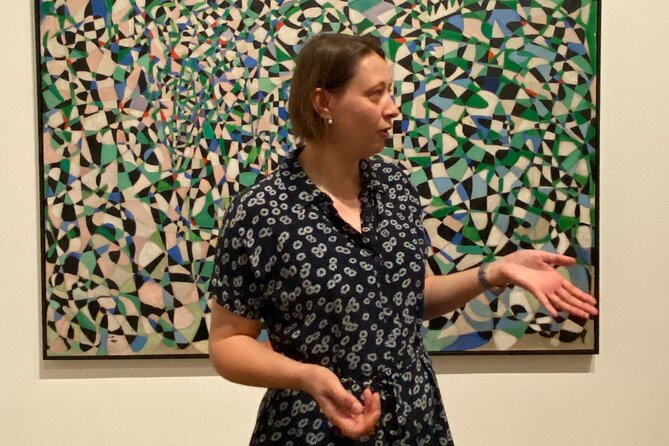
Contemporary art can feel like a test. This small-group Tate Modern tour turns that confusion into clear, practical ways of looking, talking, and connecting ideas. You get a focused plan in just about 2 hours—then you’re free to roam.
I love the small group size (max 10) because it keeps the pace human and the Q&A actually lands. I also love that the guide pushes you to use your own instincts first, then adds context—so you leave with tools, not just facts.
The main drawback is simple: it’s a highlight tour, not a full Tate marathon. If you want to spend lots of time on specific galleries or you’re set on paid temporary exhibitions, you’ll likely add time (and possibly extra tickets) on your own.
In This Review
- Key things to know before you go
- Why Tate Modern gets easier with an art historian guide
- The 2-hour plan: a focused museum hit, not a full-day commitment
- Stop at Tate Modern: what you’ll do in the galleries
- The big value: you learn a method for interpreting, not just answers
- Small group, real interaction: why that matters at Tate Modern
- What you’re getting beyond the ticket
- Temporary exhibitions: plan for extra tickets if you care about special shows
- Cost check: is $137.12 worth it?
- How to use the leftover time after the tour
- Who should book this Tate Modern art historian tour
- FAQ
- FAQ
- How long is the Tate Modern tour with an art historian?
- What’s included in the price, and is Tate Modern admission covered?
- Are temporary exhibitions included?
- What language is the tour offered in?
- How big is the group?
- Where do we start, and where does the tour end?
- Do I need a printed ticket?
- Is free cancellation available?
- Is the meeting point easy to reach by public transport, and can service animals join?
- Should you book this Tate Modern tour?
Key things to know before you go
- Art-first approach: you practice seeing and speaking about what’s in front of you before the big explanations
- Real discussion topics: abstract art origins, gender and artists, sculpture after the 20th century, and whether photography counts as art
- Small-group format (up to 10): better back-and-forth than a large-bus museum visit
- Free Tate entry plus extras: admission ticket included, plus photo time at chosen works and free luggage storage
- Two hours flies: short enough to keep energy up, leaving time to explore the rest of Tate afterward
Not sure yet? See how a few of London's most-booked trips stack up:
- From London: Harry Potter Warner Bros Studio Tour
★ 4.7 · 26,588 reviews - London: Westminster to Greenwich River Thames Cruise
★ 4.5 · 22,836 reviews - Magical London: Harry Potter Guided Walking Tour
★ 4.7 · 22,044 reviews - London: Madame Tussauds London
★ 4.6 · 20,915 reviews
Why Tate Modern gets easier with an art historian guide
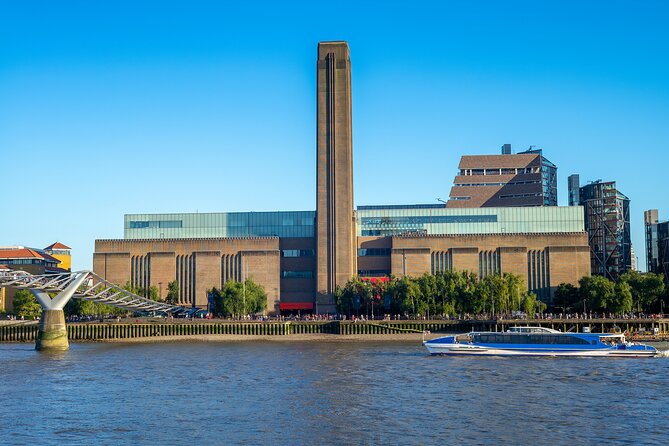
Tate Modern is huge, and contemporary art can feel like it’s written in a different language. What this tour does well is give you a translation method that doesn’t require any prior art schooling. You start with questions like: what am I actually looking at, and why might the artist have chosen this form?
The guide’s job isn’t to tell you what to think. It’s to help you notice. In two hours, you learn how to talk about art in a way that sounds like you, even when the work is abstract or strange. That’s the difference between feeling lost in galleries and feeling curious.
The 2-hour plan: a focused museum hit, not a full-day commitment
This tour is built for efficiency. You’ll spend your time inside Tate Modern with a guide who chooses key works and connects them to bigger ideas. The schedule is light on “wandering,” which is good news because Tate can eat your day alive if you’re not careful.
A practical win: with only about 2 hours, you can keep your momentum. You’ll also have time after the tour to head back in on your own and follow the threads you liked best—whether that’s painting, sculpture, or photography.
Stop at Tate Modern: what you’ll do in the galleries

Your main stop is Tate Modern itself. You’ll move through galleries and focus on selected works rather than trying to cover everything. The guide frames the experience around skills of looking—then invites discussion so your answers shape where the conversation goes.
You’re encouraged to trust your eyes and instincts first. Then the guide adds context in a way that makes your original reactions feel smarter, not wrong. That back-and-forth is what makes the tour work, especially if you’re the type who usually shrugs at art explanations.
Here’s what the tour conversation tends to cover, based on the themes the guide uses:
- how abstract art emerged and why it took off
- whether gender of artists matters in interpretation and reception
- what happened to sculpture in the 20th century
- whether photography qualifies as art (and under what conditions)
- who decides what counts as art—and whether that list changes over time
- whether you need to like the work to understand it, or understand it to like it
You don’t need prior art knowledge. The tour is designed for first-timers who want clarity and for people who want a better way to ask questions.

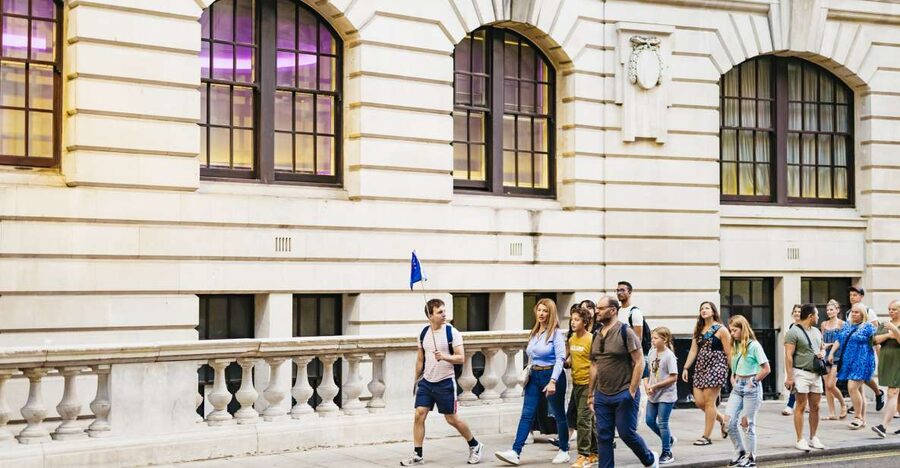

The big value: you learn a method for interpreting, not just answers
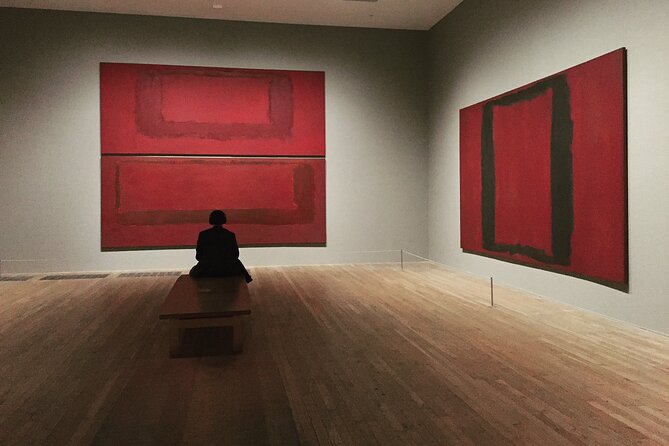
The best part is that the guide pushes you to practice thinking while you’re standing in front of the artwork. That matters because contemporary art isn’t always designed to be solved in one glance. You’ll likely notice details you would have walked past before—materials, scale, composition, and the way the piece pushes against expectations.
I like this teaching style because it gives you a repeatable skill for any museum. You can use it later at the National Gallery, the V&A, or even back home. Instead of Googling an explanation after you leave, you start training your brain to form questions in the moment.
Small group, real interaction: why that matters at Tate Modern
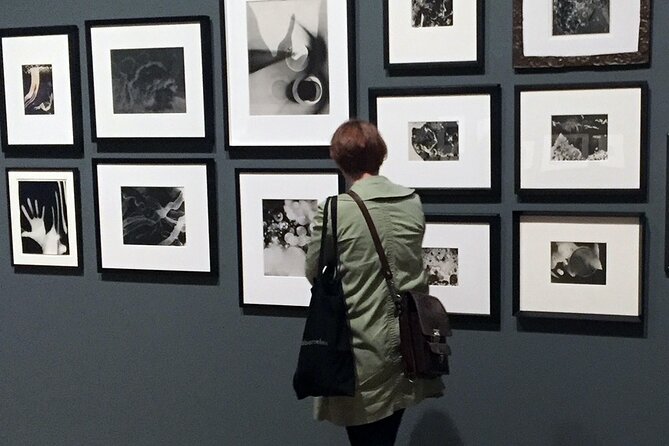
With a maximum of 10 people, the tour doesn’t feel like a conveyor belt. You can actually answer questions, ask follow-ups, and hear the reasoning behind different interpretations. This matters for two reasons.
First, contemporary art often benefits from multiple angles. Two people can “read” the same piece differently, and both can be taking something real from it. Second, the guide’s explanations land better when they’re attached to something you said.
The tone is also practical and human. Many visitors highlight guides such as Julia and Rosa for being energetic and able to keep the conversation friendly—even when the art gets abstract. Rosa, for example, is noted as having worked at The National Gallery, which helps her connect Tate works to wider art traditions.
What you’re getting beyond the ticket

This tour includes more than just a guided walk.
- Free entry ticket to Tate Modern is included, so you don’t have to sort out basic museum admission on your own.
- You’ll have a chance to take a photograph or two in front of the works you choose as favorites.
- Free luggage storage is included, which is a big relief if you’ve got day bags after traveling around London.
- You’ll get a short, fun-but-informative time led by an art historian, with highlight stops chosen to make the museum feel navigable.
The paid temporary exhibitions are not included. That doesn’t ruin the tour—it just means you’ll treat the big temporary shows as optional add-ons if you want them.
Temporary exhibitions: plan for extra tickets if you care about special shows
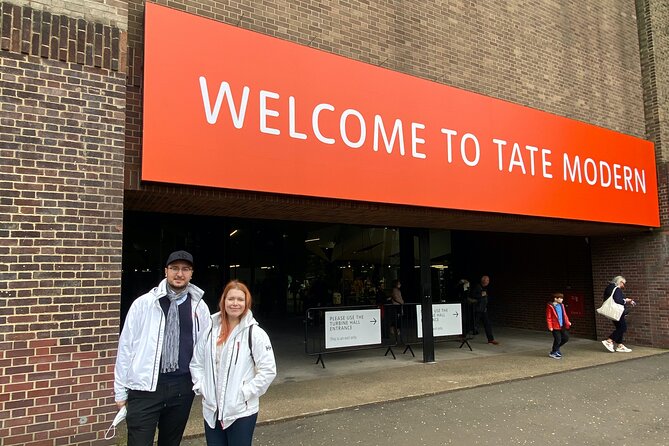
Tate Modern changes its offerings. Temporary exhibitions are a separate ticket, and they’re not covered here. In one example shared by a past visitor, the paid show for DO HO SUH had an extra ticket cost mentioned as £20 per person.
My advice: if you’re visiting around a specific temporary exhibition, check the current Tate Modern website before you assume it’s included. Then decide what matters most: the guided highlight route for learning, or extra time on that specific display.
Cost check: is $137.12 worth it?
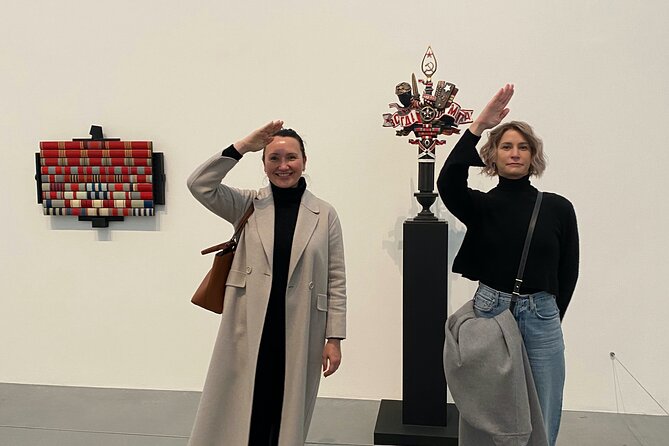
Let’s look at what you’re actually paying for.
You’re paying for:
- 2 hours of an art historian guide
- a small group setting that supports questions
- free museum admission bundled into the experience
- practical extras like luggage storage
- help picking a smarter path through a museum that can be overwhelming
At $137.12 per person, the biggest question is whether you’ll benefit from an expert’s selection and teaching style more than you would with a self-guided visit plus a guidebook or a couple of quick videos.
I think it’s good value if:
- you feel stuck or confused in contemporary galleries
- you want a structure that helps you leave with “how to think” skills
- you’re going with kids or friends who get bored without conversation (the tour format supports questions and interaction)
- you don’t have all day in the museum and want the best stops
It’s less of a bargain if:
- you’re the type who wants to wander silently and spend 3-4 hours at your own pace
- you’re mainly chasing one paid temporary exhibition and already plan to skip the learning discussion
How to use the leftover time after the tour
Because the tour ends back at the meeting point, you can keep your plans simple afterward. The best move is to go back into Tate Modern with your new “looking questions” in mind.
Pick one direction:
- If the tour made abstract art click, follow that thread and stay longer in rooms with similar styles.
- If photography or sculpture sparked debate for you, spend extra time where you feel slightly unsure. That’s usually where the best discoveries happen.
- If you loved one specific work the guide pointed out, circle back and look again for a few minutes longer than you think you need.
Also, take advantage of what’s included: with luggage stored for free, you’re not stuck carrying bags around or rushing to find a locker system.
Who should book this Tate Modern art historian tour
Book it if you want to feel more confident in contemporary art. This is especially helpful if you’re:
- a first-timer who usually avoids modern art because it feels intimidating
- visiting as a couple and want shared conversation
- traveling solo and want a guided way to meet ideas, not people
- bringing kids who do better with questions and interaction (past families included children around late primary school age and found the guide could keep them engaged)
Skip it if:
- you already know exactly what works you want and you’re set on a self-directed deep visit
- you’re only coming for a temporary exhibition and plan to ignore most of the permanent highlights
- your idea of a museum visit is silence and zero discussion
FAQ
FAQ
How long is the Tate Modern tour with an art historian?
It lasts about 2 hours.
What’s included in the price, and is Tate Modern admission covered?
The price includes a free entry ticket to Tate Modern, plus the guided highlight experience and a chance to take a photograph or two in front of selected works. Free luggage storage is also included.
Are temporary exhibitions included?
No. Temporary exhibitions are not included, and you would need separate tickets if you want to see them.
What language is the tour offered in?
The tour is offered in English.
How big is the group?
The group has a maximum of 10 travelers.
Where do we start, and where does the tour end?
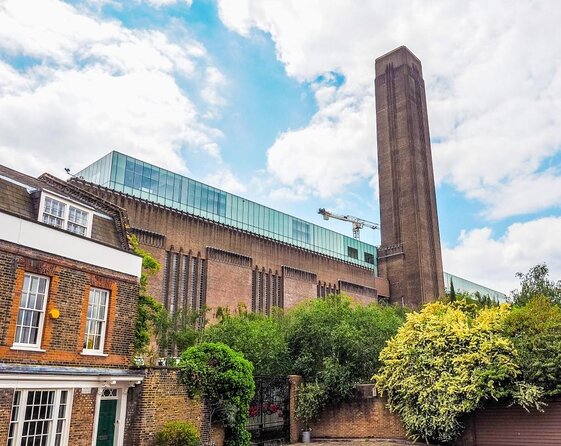
The tour starts at Tate Modern, London SE1, UK and ends back at the meeting point.
Do I need a printed ticket?
No. A mobile ticket is provided.
Is free cancellation available?
Yes. You can cancel up to 24 hours in advance for a full refund.
Is the meeting point easy to reach by public transport, and can service animals join?
Yes. It’s near public transportation, and service animals are allowed.
Should you book this Tate Modern tour?
If you want a calmer, smarter way to experience Tate Modern—especially if contemporary art sometimes leaves you confused—this is a strong pick. The best reason to book is the format: small group, real interaction, and an art historian guide who helps you learn a repeatable way of looking.
If you’re visiting with lots of time and you already know you’ll spend hours on your own, you might not need a guide for everything. But if you only have a couple hours and you want to actually understand what you’re seeing, this tour gives you that head start.
More Tour Reviews in London
- From London: Harry Potter Warner Bros Studio Tour
★ 4.7 · 26,588 reviews - London: Westminster to Greenwich River Thames Cruise
★ 4.5 · 22,836 reviews - Magical London: Harry Potter Guided Walking Tour
★ 4.7 · 22,044 reviews - London: Madame Tussauds London
★ 4.6 · 20,915 reviews - London: Warner Bros. Studio Harry Potter Tour & Branded Bus
★ 4.7 · 19,194 reviews




