
Reviewed · LONDON
Notting Hill Experience
Notting Hill looks like a postcard, but it’s really a story machine. In this 2-hour walk, you’ll connect Notting Hill film locations with the neighborhood’s real-life layers: art, music, markets, and the big cultural traditions that shaped the area. It’s the kind of tour where the street scene feels like a timeline.
What I like most is how it balances famous-sounding sights with everyday local culture—independent shops, markets, and cafes—so you’re not just chasing celebrity myths. The other big win is the guide’s mix of history and scene-setting, including street art like Banksy, plus the carnival and Windrush threads that explain why the area feels the way it does. One drawback to plan for: it’s a walking tour, and while the distance isn’t huge, you’ll still want comfortable shoes and weather-ready gear.
In This Review
- Key things to know before you go
- Meeting at Notting Hill Gate: a simple start that keeps things moving
- The Notting Hill film stops: seeing familiar scenes through real streets
- A practical tip for film-location tours
- Celebrity spotting, but with better priorities
- Jimi Hendrix at Notting Hill: music history you can stand beside
- Art galleries, street art, and Banksy on the same street
- What to do if you want the most out of this segment
- The big public stories: carnival in Europe and Windrush history
- Why this adds value (even if you’ve heard some of it before)
- Portobello Road in 30 minutes: market energy without getting lost
- The market reality check
- Shop, snack, and people-watch: independent culture is the point
- Group size and guide quality: why it can feel personal
- Price and value: is $66 worth a 2-hour walk?
- Who this tour is best for (and who should skip it)
- What to wear and bring for a comfortable walk
- Should you book the Notting Hill Experience?
- FAQ
- FAQ
- Where does the tour start?
- How long is the Notting Hill Experience?
- What will I see during the walk?
- Is this tour mainly walking?
- What’s included on the Portobello Road part?
- What languages are available?
- How much does it cost and can I cancel?
Key things to know before you go
- Notting Hill film sights built into the route, so the movie landmarks make sense in context
- Portobello Road market time for that classic street-market feel without rushing
- Street art and Banksy sightings that turn walls into part of the story
- Jimi Hendrix house stop that adds real music history to the photo ops
- Carnival and Windrush history that gives meaning to the neighborhood’s public spirit
- Possible celebrity spotting, but the tour focuses on culture first
Not sure yet? See how a few of London's most-booked trips stack up:
- From London: Harry Potter Warner Bros Studio Tour
★ 4.7 · 26,588 reviews - London: Westminster to Greenwich River Thames Cruise
★ 4.5 · 22,836 reviews - Magical London: Harry Potter Guided Walking Tour
★ 4.7 · 22,044 reviews - London: Madame Tussauds London
★ 4.6 · 20,915 reviews
Meeting at Notting Hill Gate: a simple start that keeps things moving
You meet outside McDonald’s at Notting Hill Gate, which is about as easy as London gets for a tour rendezvous. It matters because Notting Hill can feel like a maze of pretty streets, and you don’t want to waste time hunting for your group.
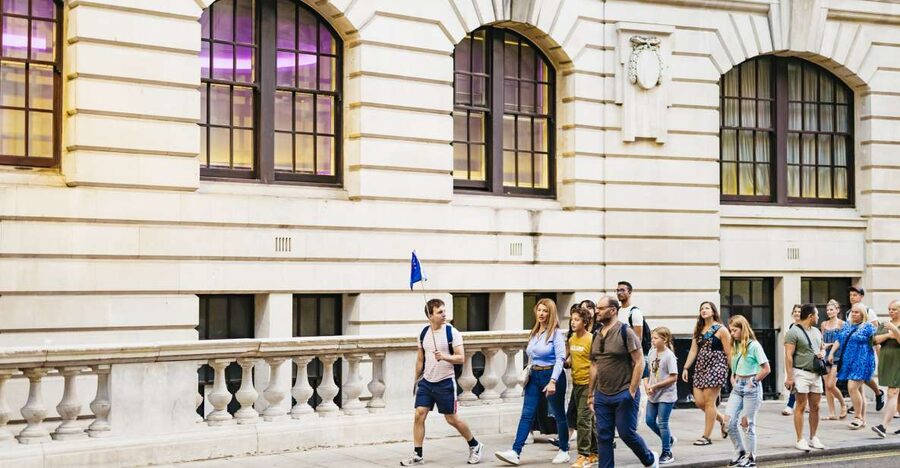
From there, you’re guided on foot, with the walking spread over two focused chunks rather than one long slog. That pacing is exactly what you want in a neighborhood like this: you get time to absorb details, then you move on before you get tired of looking at house fronts and street signs.
The Notting Hill film stops: seeing familiar scenes through real streets
One of the smartest parts of this tour is how it uses the Notting Hill film as a doorway. You’ll see movie-adjacent scenes while your guide explains what’s actually going on in the neighborhood beyond the script-and-stars layer. Even if you only remember a few moments from the film, the storytelling helps you read the streets like a film set that grew up.
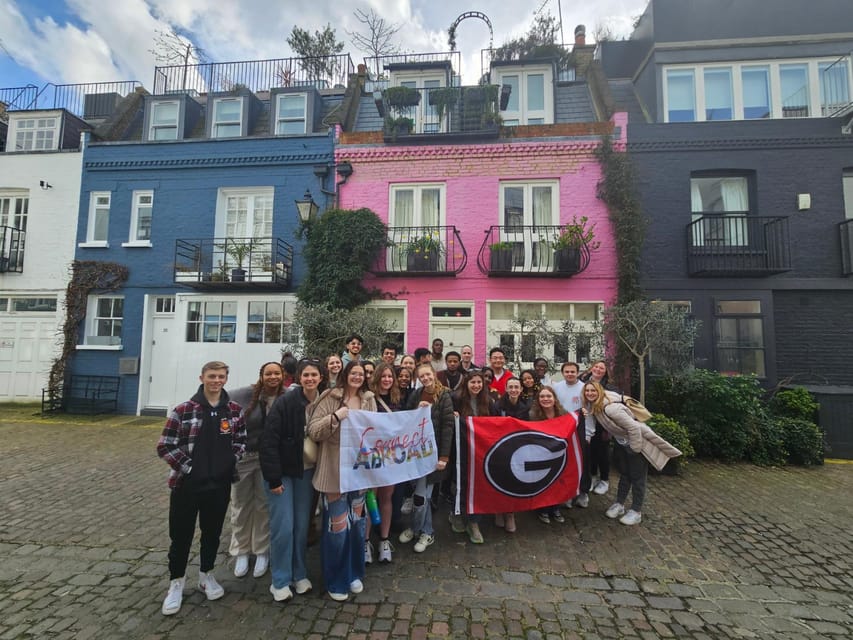
As you walk, you’ll also get that behind-the-scenes feeling where the architecture and color don’t seem random. Notting Hill’s mix of styles, public spaces, and residential detail becomes easier to understand once someone connects it to the area’s shifting fortunes—money-making schemes, political turbulence, and the way art, film, and music helped steer the neighborhood into a new identity.
A practical tip for film-location tours
If you’re the type who likes photos, this is the segment to slow down—without stopping the group. I’d treat it like a photo walk with captions: take a shot when the guide points something out, then keep moving. You’ll get better context that way.

Celebrity spotting, but with better priorities
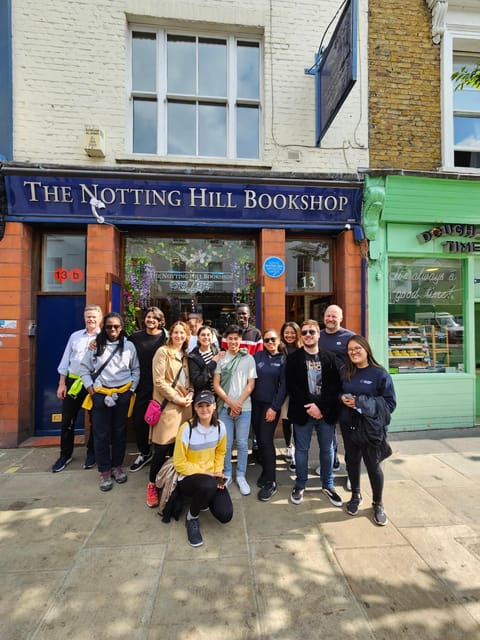
Yes, the tour encourages you to keep one eye open for celebrity sightings—models, movie stars, and the whole famous-person vibe. But the stronger value is that the guide doesn’t let fame take over the narrative.
Instead, celebrity energy is framed as part of how Notting Hill became a symbol. You’ll hear how the neighborhood’s visibility grew, and why it attracted attention in the first place. Then you’re guided back to what’s actually on the street: independent shops, local markets, and cafes that make the area feel lived-in, not staged.
This is a good fit if you like star power as window dressing, but you want the real payoff to be cultural understanding and good street-level atmosphere.
Jimi Hendrix at Notting Hill: music history you can stand beside
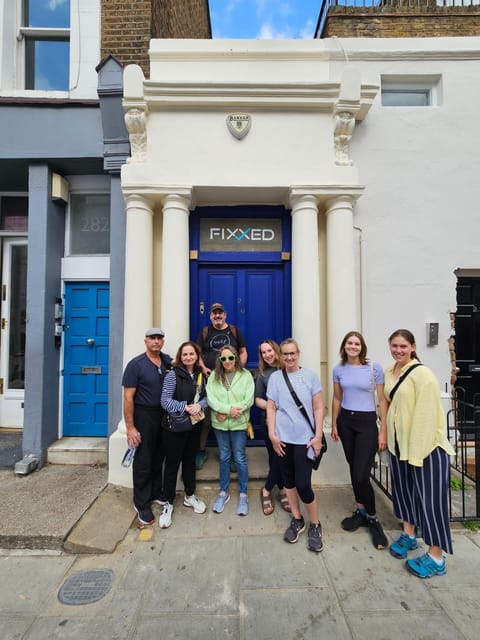
One of the standout stops is seeing the house where Jimi Hendrix lived and died. That’s not just a name-drop moment; it gives you a specific anchor for why music matters here. Notting Hill’s identity isn’t only about fashion and film glamour—it’s also tied to real artistic presence, with a story you can point at from the pavement.
When a tour includes a concrete location like this, it changes how you look at the neighborhood. Instead of seeing “nice houses,” you start seeing places as parts of a creative timeline. That’s where the tour earns its longer-than-expected impact for such a short outing.
Art galleries, street art, and Banksy on the same street
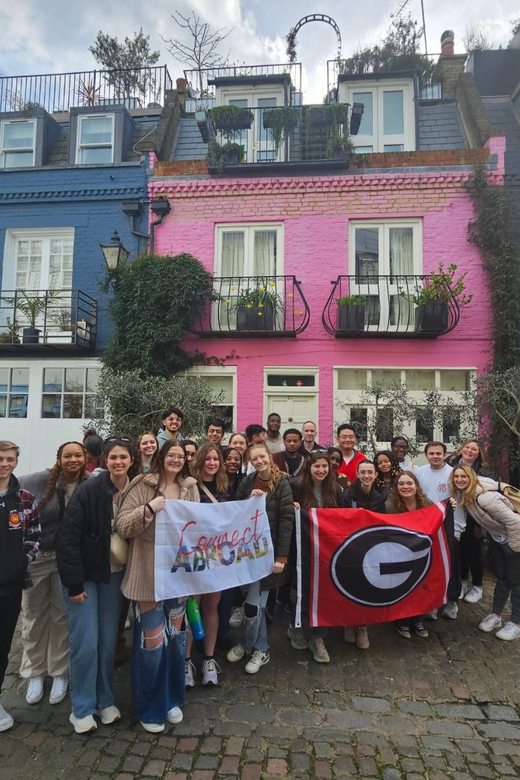
Notting Hill has a reputation for looking artistic, but this tour shows you how the creativity works in layers. You’ll pass art galleries and street art spots, including Banksy. The point isn’t just to say you saw famous graffiti; it’s to notice how public art fits into the neighborhood’s culture of expression.
That matters because it helps explain how the area rebirthed through creativity. Art and music are described as driving forces that shifted the neighborhood’s identity over time, turning complicated history into something people recognize in the present.
What to do if you want the most out of this segment
Keep your phone ready, but don’t let it take over. Look first—then take one or two photos. If the guide calls out symbolism or context, you’ll appreciate it more when you’ve already seen the mural in person.
The big public stories: carnival in Europe and Windrush history
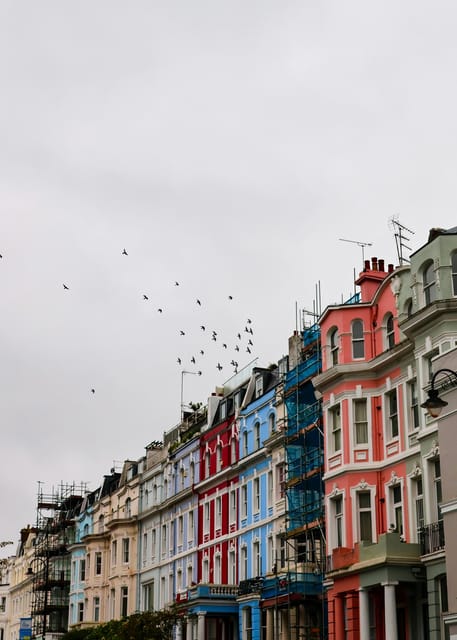
Notting Hill’s most meaningful thread in this walk is cultural history, not just aesthetics. You’ll hear about the neighborhood’s freedom and expression linked to the biggest carnival in Europe, and you’ll also get Windrush history woven into the broader picture.
This is where the tour feels less like a sightseeing loop and more like an education in how communities shape neighborhoods. When you know why people gather and celebrate, the streets stop feeling like scenery and start feeling like a living record.
Why this adds value (even if you’ve heard some of it before)
A lot of tours mention big events. This one connects them to the local feel: the markets, the artistic output, the street identity, and the sense of expression you see in the public space. It’s that connection that turns history into something you can actually observe while walking.
Portobello Road in 30 minutes: market energy without getting lost
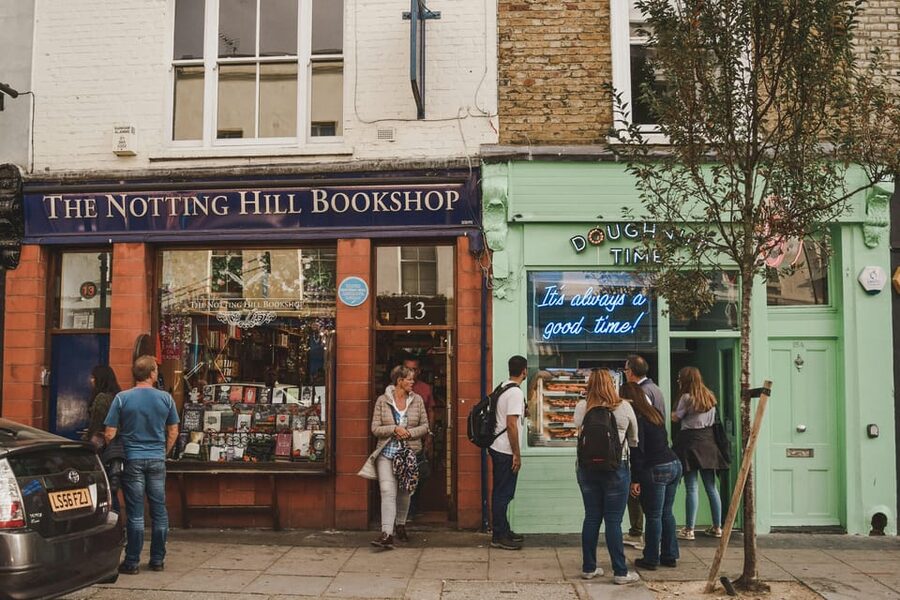
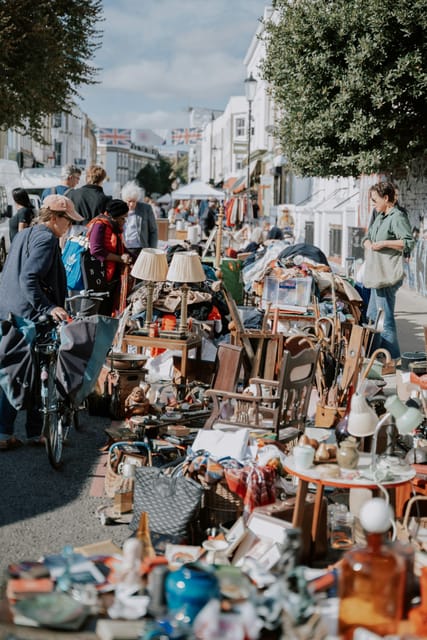
Portobello Road is the other anchor of the experience, with a guided segment focused on Portobello Road and its markets. You’ll spend about 30 minutes there, and that time is long enough to get the atmosphere, the eclectic stalls, and the general sense of what people come for.
You’ll also get dropped in a practical location: Portobello Road Market (and there’s another drop-off point later at the McDonald’s area). That means you’re not stranded miles away from food or transit once the tour ends.
The market reality check
A market street can be chaotic, and Portobello is no exception. If you enjoy browsing, you’ll probably want a little extra time after your guided portion, because 30 minutes is great for orientation and picking up the vibe, but not for a slow, full shopping day.
Shop, snack, and people-watch: independent culture is the point
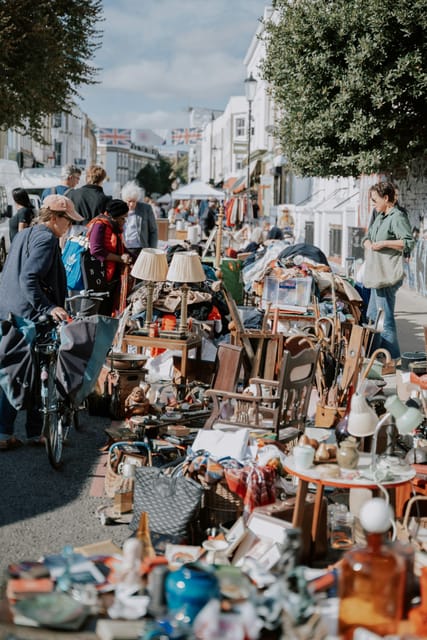
A recurring theme in this experience is the neighborhood’s support for independent shops, markets, and cafes. You’ll feel it as you walk—less like a theme park and more like a neighborhood that has kept its local character while becoming famous.
This is also why the tour works well for different travel styles. If you’re a shopper, you’ll know where to look after the walk. If you’re not shopping, you’ll still benefit from knowing which streets and market corners carry the best everyday energy.
Group size and guide quality: why it can feel personal
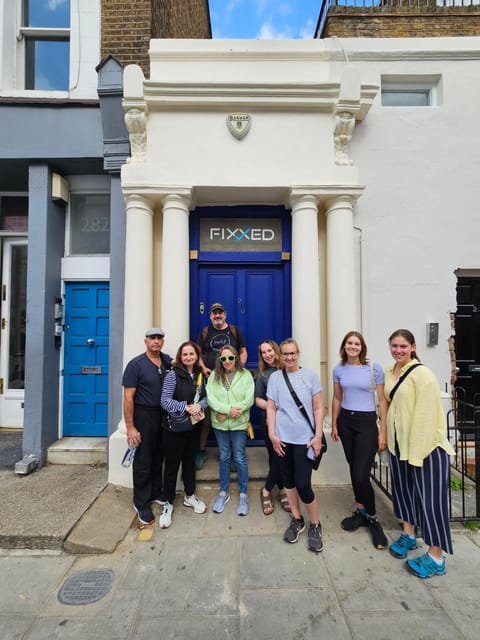
The guide is a live local tour guide and the experience is in English and French. The tour is built around explanation, not just pointing. A guide who can adapt style and keep the flow going matters more than you might think—especially in a place where the details are constant and the streets can look similar.
You’ll also get the sense that the group dynamic can be small at times. That tends to make a difference when questions come up or when you want the guide to repeat a point while you’re standing in front of something you can’t stop staring at.
Price and value: is $66 worth a 2-hour walk?
At $66 per person for 2 hours, the price isn’t about buying a ticketed attraction. It’s paying for guided context in a high-detail neighborhood where self-guided wandering can turn into random photo stops.
You’re paying for three things that are hard to replicate on your own in a short visit:
- A route that ties together film sights and real landmarks like the Hendrix house.
- Storytelling that connects Banksy and street art to wider cultural history.
- Time management that gets you to Portobello Road without turning the day into a logistics puzzle.
If you like neighborhoods that have layers—movie fame, music roots, and public culture—then the value is strong. If you only want broad views and don’t care about background, you might prefer a cheaper self-guided walk.
Who this tour is best for (and who should skip it)
This is a great match if you:
- Want a guided introduction to Notting Hill without spending half a day getting oriented
- Like film references, but want real-world context behind them
- Care about culture in the streets, including street art and carnival/Windrush history
- Enjoy market areas and want a short, focused taste of Portobello Road
I’d think twice if:
- You hate any walking at all, even mild walking
- You prefer museum-style pacing with longer sits and fewer street transitions
- You’re visiting on very crowded market periods, since the vibe can get tight and slower
What to wear and bring for a comfortable walk
This one’s simple. It’s a walking tour, and while the total distance isn’t described as huge, your feet still do the work. Wear comfortable shoes, and if rain is possible, bring an umbrella—London weather has opinions.
Also, have a charged phone or camera if you’re into photos of the multi-colored houses and street art. Just keep an eye on the group so you don’t miss the guide’s explanations.
Should you book the Notting Hill Experience?
If you want a short, well-guided way to understand why Notting Hill feels the way it does, I’d book it. The tour earns its place by connecting film sights, music history, street art, and cultural events into a walk that feels more meaningful than a checklist.
Book it especially if you enjoy stories that make neighborhoods feel human—where you can see the evidence right on the street. Skip it only if you’d rather wander without guidance or you’re allergic to walking through busy market streets.
FAQ
FAQ
Where does the tour start?
Meet outside McDonald’s at Notting Hill Gate.
How long is the Notting Hill Experience?
The tour duration is 2 hours.
What will I see during the walk?
You’ll see Notting Hill sights connected to the Notting Hill film, street art including Banksy, art galleries, and cultural history tied to the carnival and Windrush. You’ll also visit Portobello Road’s market area.
Is this tour mainly walking?
Yes, it’s a walking tour. The tour notes that there isn’t a lot of distance involved, but you should still wear comfortable shoes.
What’s included on the Portobello Road part?
You’ll have a guided segment focused on Portobello Road, especially the market atmosphere.
What languages are available?
The live tour guide is available in English and French.
How much does it cost and can I cancel?
The price is $66 per person. Free cancellation is available up to 24 hours in advance for a full refund.
More Tour Reviews in London
- From London: Harry Potter Warner Bros Studio Tour
★ 4.7 · 26,588 reviews - London: Westminster to Greenwich River Thames Cruise
★ 4.5 · 22,836 reviews - Magical London: Harry Potter Guided Walking Tour
★ 4.7 · 22,044 reviews - London: Madame Tussauds London
★ 4.6 · 20,915 reviews - London: Warner Bros. Studio Harry Potter Tour & Branded Bus
★ 4.7 · 19,194 reviews




