
Reviewed · MUSEUMS
London: Tate Britain Turner and Constable Exhibition
Fire and clouds collide in one hour. This Tate Britain stop pairs two rivals who both chased meaning in changing skies and light, so you get a fast, focused look at how British outdoor scene painting evolved. I really like the side-by-side comparison: it makes the rivalry feel personal, not textbook.
I also love the way the show spotlights both artists’ working methods. Turner’s later paintings hit with bold energy, while Constable’s expressive cloud sketches show you the sky as something you can almost read. The exhibition is organized by Amy Concannon, Manton Senior Curator for Historic British Art, with Nicole Cochrane, Assistant Curator (Historic British Art 1790–1850).
The one possible drawback is time: at just 1 hour, you’ll have to choose where you linger, especially if you’re a Turner superfan or a Constable cloud-nerd.
In This Review
- Key things to know before you go
- Turner and Constable at Tate Britain: why seeing them together matters
- The Turner section: later fire, speed, and critic shock
- Constable’s clouds: reading changing light like a skill
- Sketchbooks and personal items: the human thread behind the rivalry
- Getting the most from a 1-hour visit at Tate Britain
- Price and ticket value: what $32 really buys you
- Who this is best for (and who may want a different plan)
- Should you book this Turner and Constable exhibition?
- FAQ
- Where do I exchange my booking confirmation for the exhibition ticket?
- How long is this experience?
- What’s included in the ticket price?
- Does Tate Britain charge an entrance fee?
- Is the exhibition wheelchair accessible?
- Can I cancel and get a refund?
- Should you book this Turner and Constable exhibition?
Key things to know before you go
- Turner vs. Constable, literally together: you experience their differences head-on, not in separate visits.
- Later Turner paintings: the show highlights the works that shocked critics in their day and later inspired Claude Monet.
- Constable cloud studies: you’ll see light-changing weather captured through quick, expressive sketch thinking.
- Sketchbooks and personal items: the exhibition adds human scale, not just big finished masterpieces.
- Short visit, sharp focus: plan to prioritize a few rooms/artworks rather than trying to see everything slowly.
- Good practical museum vibe: one visitor praised the ability to enter with coats, backpacks, and even an umbrella in hand, which helps on rainy London days.
Still deciding? A handful more London outings we rated
- Tower of London and Crown Jewels Exhibition Ticket
★ 4.5 · 6,677 reviews - London: Chelsea Football Club Stadium and Museum Tour
★ 4.8 · 4,576 reviews - Chelsea FC Stadium Tours and Museum
★ 5.0 · 1,908 reviews - London: British Museum Guided Tour
★ 4.3 · 1,182 reviews
Turner and Constable at Tate Britain: why seeing them together matters
This exhibition works because it treats Turner and Constable as more than famous names. They were born within a year of each other—Turner in 1775, Constable in 1776—and both used outdoor scenery to respond to a world that was changing fast.
The big payoff is the contrast in approach. Turner often went big: blazing sunsets, dramatic scenes from travel, and later paintings with a force that critics of his time didn’t know how to handle. Constable, meanwhile, pushed for freshness and authenticity by returning again and again to beloved places, trying to capture the honest look of nature rather than a formula.
In the exhibit, that rivalry lands as a real argument about what painting should do. Critics described their differences like fire and water, and once you’re in the galleries you’ll feel why that comparison kept happening.
The Turner section: later fire, speed, and critic shock
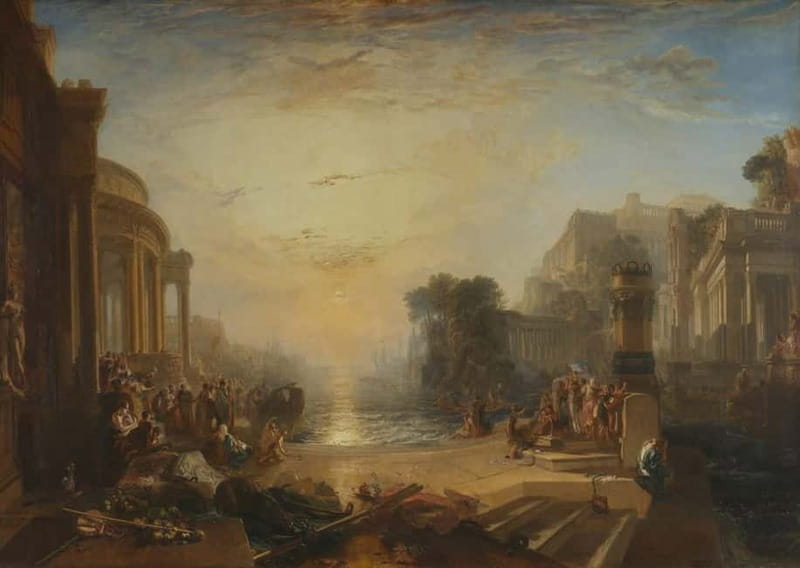
If you want one reason to book this, it’s Turner’s later works. The exhibition calls out these paintings as the ones that shocked art critics when they appeared, and you can understand why when you see how powerful and dynamic they look in person.
Turner’s story also adds layers. He rose quickly from humble beginnings and grew up in the gritty heart of Georgian London. That background matters because his art has motion and urgency in it, like he’s chasing something before it changes again.
In practical terms, here’s what you should watch for. Don’t rush past the late paintings because you think they’ll be just abstracted versions of earlier Turner. Look instead for how the atmosphere behaves: the sense that light is doing the heavy lifting, the way the paint can feel charged rather than calm.
If you’ve seen only famous Turner landscapes in posters or calendars, this is the moment where the works usually feel more intense than you expected. One of the most satisfying parts is that the show frames these as landmark moments, not just popular images.
Constable’s clouds: reading changing light like a skill
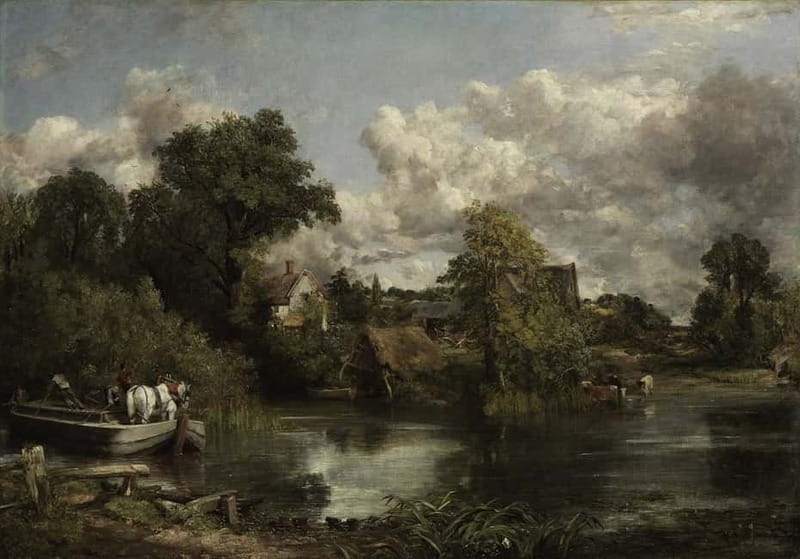
Constable is the other half of the appeal, and this show gives him room to show what made him different. The star here isn’t only finished masterpieces—it’s also his expressive cloud sketches, which capture changing light in a way that feels immediate.
What I like about this approach is that it teaches you how Constable worked. He didn’t just invent a pretty sky and lock it in. He kept returning, observing, and sketching, trying to stay close to the real look of weather as it shifts.
You’ll probably want to slow down for the cloud material. The sketches don’t function like background art. They’re more like evidence—tiny records of what the sky was doing at a particular moment, translated into marks you can still feel.
And because the exhibition shows Turner alongside Constable, the contrast becomes clearer. Turner’s energy often feels like explosion and aftermath. Constable’s clouds feel like study and attention—weather you can almost hear.


Sketchbooks and personal items: the human thread behind the rivalry
A lot of museum shows can feel like museum shows: big pieces behind glass with polite captions. This one adds a more personal angle through sketchbooks and personal items, so you get glimpses of how each artist lived and thought.
That matters because Turner and Constable weren’t rivals only in technique. Their lives pushed them toward different kinds of ambition. Turner’s rise came from a humbler start, while Constable had a wealthier family background as the son of a Suffolk merchant. Both still worked hard to make their own path as artists, but the pressure and support around them likely shaped how they took risks.
Seeing personal items and working material helps you connect that biography to what you’re looking at. Even if you’re not a huge art historian, you can sense the effort behind the results. The show nudges you toward a simple question: what did they need the art to do for them?
This part is also where the exhibition feels most modern. We’re used to creative process now, but it’s still rare to get it presented so clearly for major nineteenth-century artists. You leave with the feeling that painting wasn’t only inspiration—it was work, repeated looking, and decisions under pressure.
Getting the most from a 1-hour visit at Tate Britain
You’re planning for 60 minutes, so treat this like a sprint with strategy. If you try to see everything equally, you’ll end up seeing less. Instead, pick a priority and let the rest be bonus.
Here’s a smart way to structure your time:
- Start with Turner’s later paintings if that’s your main interest, since the exhibit frames these as key moments and they can be emotionally intense.
- Then switch to Constable’s cloud sketches to reset your eye. The contrast refreshes you and makes the show’s central theme click.
- Finish with the sketchbooks and personal items if you still have energy. This is where the exhibition becomes more intimate.
Plan your pace for standing and stepping back. Many of the best details in sketches show up when you give yourself a second glance. Also, since Tate Britain is often busy and you may move between works quickly, keep your viewing stance simple: look at the whole first, then zoom in with your eyes.
One practical tip from what people value about the experience: the museum setup feels workable even if you come in with a coat, backpack, or umbrella in hand. That’s not just comfort—it matters because London weather changes fast.
Price and ticket value: what $32 really buys you
The price is listed at $32 per person for this Tate Britain exhibition experience. The good news is that Tate Britain itself has no entrance fee, so your money is really tied to getting into this specific Turner and Constable show.
Is it good value? For most people, yes—if you care about seeing the two artists in direct conversation. The show is built around a focused concept: intertwined lives, working methods, and a rivalry in how they represent sky, nature, and light. When you pack that into one hour, you’re paying for concentration and context, not just access to a huge building.
If you’re the type who would happily spend two or three hours drifting through galleries, you might feel time pressure. But if you want a tight, high-impact art visit, this format makes sense.
Also note: Tate sometimes has free museum entry but special exhibitions can carry an added charge, so this is one of those cases where the ticket cost is basically the exhibition cost.
Who this is best for (and who may want a different plan)
This show suits you if:
- you want a quick, high-signal art visit with Turner and Constable paired together
- you’re curious about how artists treat light, weather, and the atmosphere as more than decoration
- you like seeing working material like sketches and notebooks, not just polished final paintings
You might want a different plan if:
- you need lots of time to read every caption and sit with each work. With only 1 hour, you’ll have to choose what you treat as must-see.
There’s also one booking consideration worth flagging. One visitor was frustrated that they couldn’t use Art Fund membership when booking through this provider. If Art Fund matters to you, it’s worth checking before you commit.
Should you book this Turner and Constable exhibition?
I think you should book it if you want the cleanest version of a Turner vs. Constable experience: direct comparison, big late Turner energy, expressive cloud studies, and process material that makes the artists feel human. For the price, it’s a strong value when you factor in how the exhibition is structured around contrast and context.
If you can only spare an hour, this is exactly the kind of museum experience that fits. Just go in with a plan for what you want to spend your time on—Turner’s late paintings, Constable’s clouds, or the sketchbooks—so you actually leave satisfied, not rushed.
FAQ
Where do I exchange my booking confirmation for the exhibition ticket?
Bring your booking confirmation to the Manton ticket desk to exchange for your exhibition ticket. It’s recommended that you arrive at least 15 minutes before your entry time.
How long is this experience?
The experience lasts 1 hour.
What’s included in the ticket price?
The ticket includes entrance to the Turner and Constable exhibition.
Does Tate Britain charge an entrance fee?
Tate Britain has no entrance fee, but some exhibitions may have an additional charge.
Is the exhibition wheelchair accessible?
Yes, it’s wheelchair accessible.
Can I cancel and get a refund?
Yes. Free cancellation is available up to 24 hours in advance for a full refund.
Should you book this Turner and Constable exhibition?
Book it if you want a focused, high-impact art visit where Turner’s late power and Constable’s cloud sketches get shown as part of the same story. Skip it only if you need more than an hour to read, sit, and revisit works slowly.
More Museums in London
- Tower of London and Crown Jewels Exhibition Ticket
★ 4.5 · 6,677 reviews - London: Chelsea Football Club Stadium and Museum Tour
★ 4.8 · 4,576 reviews - Chelsea FC Stadium Tours and Museum
★ 5.0 · 1,908 reviews - London: British Museum Guided Tour
★ 4.3 · 1,182 reviews - Official tickets: Moco Modern & Contemporary Art Museum
★ 4.5 · 1,157 reviews
More Tour Reviews in London
- From London: Harry Potter Warner Bros Studio Tour
★ 4.7 · 26,588 reviews - London: Westminster to Greenwich River Thames Cruise
★ 4.5 · 22,836 reviews - Magical London: Harry Potter Guided Walking Tour
★ 4.7 · 22,044 reviews - London: Madame Tussauds London
★ 4.6 · 20,915 reviews - London: Warner Bros. Studio Harry Potter Tour & Branded Bus
★ 4.7 · 19,194 reviews
Just reviewed around London





Museums, compared.
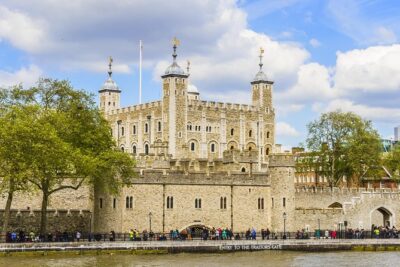 ★ 4.5Tower of London and Crown Jewels Exhibition TicketFrom $496,677 reviews
 ★ 4.8Chelsea Football Club Stadium and Museum TourFrom $434,576 reviews
 ★ 5.0Chelsea FC Stadium Tours and MuseumFrom $441,908 reviews
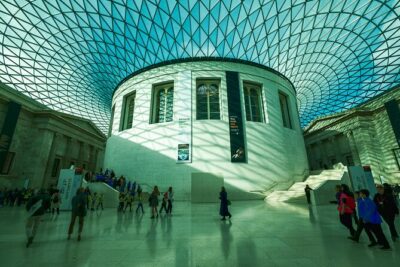 ★ 4.3British Museum Guided TourFrom $231,182 reviews
 ★ 4.5Official tickets: Moco Modern & Contemporary Art MuseumFrom $361,157 reviews
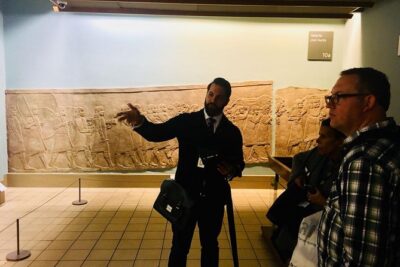 ★ 5.0British Museum London Guided Tour Semi-Private 8ppl MaxFrom $108984 reviews
 ★ 4.2Jack the Ripper Museum TicketsFrom $18894 reviews
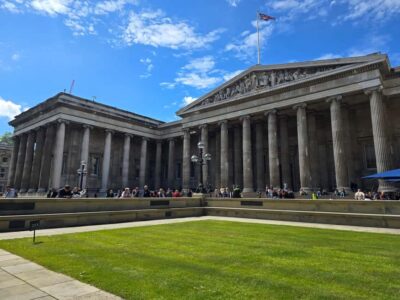 ★ 4.9British Museum Guided Tour with Entrance TicketsFrom $39748 reviews
Browse the lists this tour appears in