
Reviewed · LONDON
London: Spitfire Cockpit Experience
A real Spitfire cockpit, in 15 minutes. If you care about WWII aviation, the Spitfire Cockpit Experience at the Royal Air Force Museum turns a quick museum visit into hands-on history, with you inside a genuine Spitfire cockpit in Hangar 3 near the Mark XVI. You also get time to photograph the controls up close, not just look at them from behind glass.
What I really like is the one-person setup. It keeps the pace fast and personal, and it means your guide can tailor the walk-through to what you notice—controls, layout, and how a pilot would interact with the cockpit in real life.
One consideration: the experience happens inside the hangar, and the approach/ramp area can affect angles for photos. That can be a small letdown if you were expecting outdoor-style snapshots from a promo image, especially if you want perfectly clear cockpit framing.
In This Review
- Key Highlights You’ll Actually Care About
- Royal Air Force Museum Hangar 3: Your 15-Minute Game Plan
- Getting Into the Cockpit: What the Guide Helps You Notice
- The Controls Up Close: Why It Feels Different Than Looking at a Display
- Photos Inside the Cockpit: Timing, Angles, and Expectations
- Value for $33: Is a 15-Minute Spitfire Worth It?
- Who This One-Person Cockpit Session Suits Best
- Making the Most of Your Visit: Small Moves That Matter
- Should You Book the Spitfire Cockpit Experience?
- FAQ
- Where is the Spitfire Cockpit Experience located?
- How long is the guided experience?
- Is the experience private or shared?
- Can I take photos inside the cockpit?
- What does the guide talk about during the session?
- Do I need to arrive early?
- Is this experience wheelchair accessible?
- Is transportation to the museum included in the price?
- Can I cancel and get a refund?
- Is reserve-and-pay-later available?
Key Highlights You’ll Actually Care About
- Real cockpit access at the RAF Museum, specifically in Hangar 3 near the Spitfire Mark XVI
- Private, one-person session that feels more like a lesson than a crowd-controlled stop
- Photo opportunities inside the cockpit so you can document the controls you’re learning about
- Expert guidance in English focused on the Spitfire’s role, tech, and the missions it flew
- Fast, focused timing—a 15-minute guided visit that respects your time
Not sure yet? See how a few of London's most-booked trips stack up:
- From London: Harry Potter Warner Bros Studio Tour
★ 4.7 · 26,588 reviews - London: Westminster to Greenwich River Thames Cruise
★ 4.5 · 22,836 reviews - Magical London: Harry Potter Guided Walking Tour
★ 4.7 · 22,044 reviews - London: Madame Tussauds London
★ 4.6 · 20,915 reviews
Royal Air Force Museum Hangar 3: Your 15-Minute Game Plan
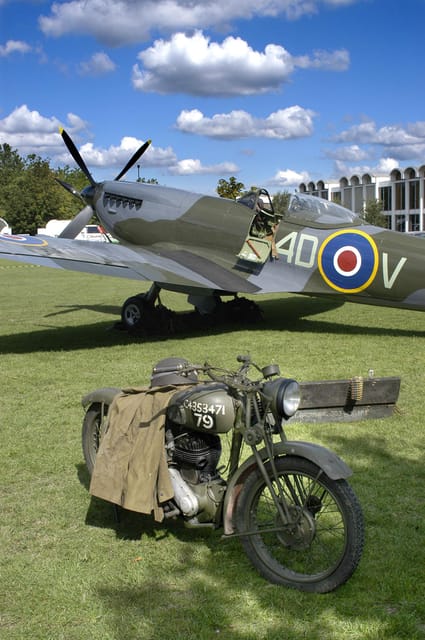
This experience is built for people who want something more than museum browsing. Instead of scanning placards, you’re stepping into the cockpit area itself, guided by museum staff, with the session lasting about 15 minutes. That short duration matters because it keeps the experience concentrated: you’re not wandering around waiting for the “main moment.” You’re there for the moment.
You’ll meet near Hangar 3, close to the Spitfire Mark XVI. Plan your day so you can arrive early, because the museum staff prep you on-site and you’ll want time to check in smoothly. The key tip is to show up at least 30 minutes early at the Admissions Desk. If you arrive late, you’ll compress your buffer—and this is the kind of experience where one rushed minute can steal the calm that makes it enjoyable.
If you like getting oriented before you go, the RAF Museum also offers a virtual tour of the Spitfire Cockpit experience. Even if you never open it, it’s worth knowing the museum provides a way to preview what the cockpit setup feels like before you step in.
Getting Into the Cockpit: What the Guide Helps You Notice
The heart of this experience is the guided access to the cockpit and the way your guide frames what you’re seeing. In just a quarter hour, you’ll get explanations about the Spitfire’s role in the war, its technical brilliance, and the kind of missions it flew—basically, how this aircraft earned its legendary status and what mattered to the people who flew it.
The pacing is intentionally tight. Your guide doesn’t waste time with generalities. You’ll spend the session learning what to look at once you’re sitting in the cockpit area—how the controls are arranged, what the pilot would interact with, and why the cockpit layout was more than just metal and gauges.
The tone from staff seems to be a big part of the value. One verified account specifically praised a guide named Ashley for being friendly and for giving clear explanations. That matters because cockpit experiences can turn into either a rushed photo op or a lecture from the wrong angle. Here, the guide’s job is to connect the cockpit parts to the aircraft’s story—so your photos aren’t random close-ups. They’re tied to what you learned while you were there.
The Controls Up Close: Why It Feels Different Than Looking at a Display
It’s one thing to see a cockpit as a model behind glass. It’s another thing to physically enter the cockpit space and sit where a pilot would have sat, even if you’re doing it for a short guided moment. That physical context changes your understanding quickly.
When you’re down at cockpit level, you start noticing details your brain wouldn’t pick up from the aisle:
- how the layout makes sense as a working environment, not a static exhibit
- how dense the cockpit feels, even before you think about wartime constraints
- how the controls would demand focus and fine motor control during flight
And because you’re in there for a small, structured session, you’re not trying to figure out the aircraft while also fighting a crowd or searching for a staff member. You get guided access first, then you get the “wait, that’s exactly where your hands would go” moment.
This is also why the one-person format is such a practical upgrade. With fewer people moving in and out, you get better use of the time you paid for. You’re not sharing the cockpit moment with someone else’s questions dominating the schedule.




Photos Inside the Cockpit: Timing, Angles, and Expectations
Let’s talk about the photo reality, because this experience is partly about capturing the moment—and that’s a good instinct. The session includes photo opportunities inside the cockpit, so you can take pictures of the controls and the space you’re standing/sitting within.
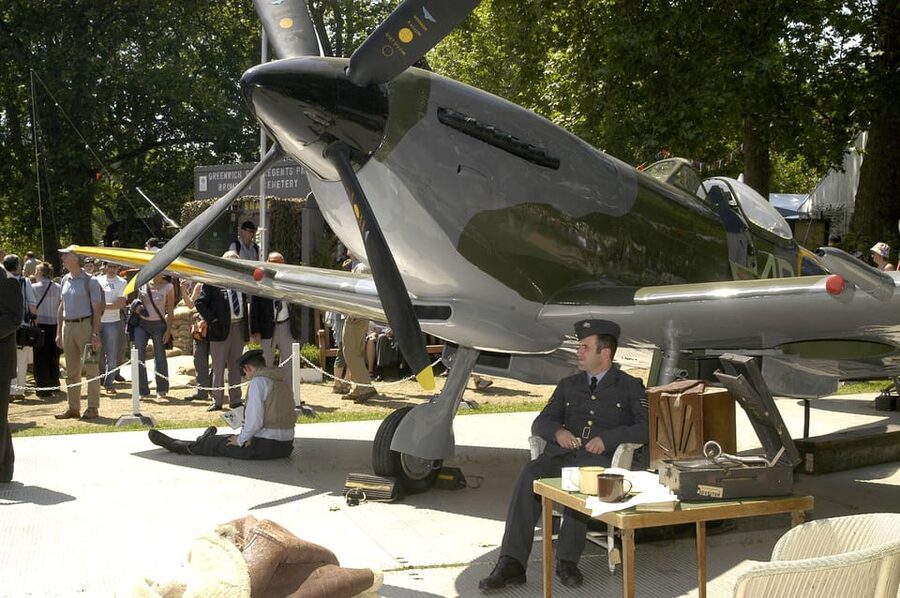
Here’s the practical heads-up. The cockpit experience is inside the hangar, and the approach involves a ramp/slope area. In at least one verified account, that ramp was described as interfering with photo angles. Another person noted that sample images showed an outdoor setting, but the actual cockpit visit is indoors in the hangar. Those are small details, but they can change what “success” looks like for your camera shots.
What I’d do to protect your results:
- Use your first minutes to get familiar with where the guide is positioning you, not just where you want the camera
- Take a few wider shots first, then switch to tighter detail shots once you’re stable
- If you care about perfect framing, aim for “recording reality” rather than recreating outdoor-promo angles
In other words, treat it as a cockpit documentation moment. You’re not chasing a cinematic exterior backdrop—you’re capturing the real interior experience.
Value for $33: Is a 15-Minute Spitfire Worth It?
Price is where people hesitate, so let’s be honest about value. Around $33 per person for 15 minutes is not the kind of ticket you buy if you’re hunting for a long day. This is a focused, ticketed “main event” style experience.
The value comes from three things you don’t get from most museum visits:
- Actual guided access to the cockpit space (not just a viewing platform)
- One-person attention that supports learning and photography during the short window
- A structured explanation that connects the cockpit to the Spitfire’s historical significance
If you love aviation history, this ticket is basically a shortcut to the part of the story your brain cares about most: how it felt to be in the machine. And if you’re a history lover, it helps that the guide’s talk covers the Spitfire’s wartime role and missions, so you’re not leaving with only a photo—you’re leaving with context.
If you’re only mildly interested, or you’re the type who likes to linger and explore exhibits for an hour, you might feel like 15 minutes is “too short.” In that case, you can still enjoy it, but you’ll probably want to pair it with extra time at the RAF Museum so the day feels full.
Who This One-Person Cockpit Session Suits Best
This is a strong fit for:
- aviation enthusiasts who want tactile learning, not just reading
- WWII history lovers who like your facts tied to real equipment
- photographers who want cockpit detail shots and are okay with indoor hangar angles
- anyone traveling with limited time who still wants a meaningful, memorable museum moment
It’s also ideal if you prefer a quiet, controlled experience. A one-person session means less waiting and more direct guidance. Even the way staff prep you on-site supports that feeling that you’re being looked after.
On the other hand, this experience is not suitable for wheelchair users. The cockpit has specific physical access requirements and is not wheelchair accessible. Also, smoking is not allowed. If either of those factors affects you, you’ll want to consider alternatives within the museum that are easier to access.
Making the Most of Your Visit: Small Moves That Matter
Because the cockpit session is short, your preparation affects how good it feels.
First, arrive early—don’t treat the 15 minutes as flexible. The day-of prep starts before you step into the cockpit space, and you’ll check in at the Admissions Desk. If you want time to settle your nerves and get your bearings, show up with that buffer.
Second, go in with a simple mindset: you’re there to observe and connect. You don’t need to memorize everything the guide says. Focus on what you see—the cockpit layout, the controls, and the way the guide explains what made the Spitfire important.
Third, if you’re planning to take photos, plan for the indoor hangar reality. The photo moment will likely work best when you aim for accuracy over perfect scenery. Get a couple of “this is the cockpit” shots, then grab the control close-ups.
Finally, consider pairing your cockpit session with the rest of your museum time. The cockpit is the main event here, but the RAF Museum experience is bigger. If you have the time, plan to explore nearby exhibits afterward so the day doesn’t end abruptly.
Should You Book the Spitfire Cockpit Experience?
Book it if you want the closest thing you can get—quickly—to sitting in a real World War II Spitfire cockpit at the Royal Air Force Museum. The strong points are the one-person attention, the guide’s clear connection of the cockpit to the aircraft’s wartime story, and the chance to take photos from inside the cockpit space.
Skip it (or at least think hard) if you need wheelchair access, or if you’re expecting an outdoor-style photo backdrop. The experience is in an indoor hangar environment, and the approach area can affect how easy it is to get certain camera angles.
If you’re debating, here’s the practical rule: if you’re the type of person who likes history with your hands and eyes on the real equipment, this is a high-impact ticket. At $33 for a short session, it’s not a long activity—but it’s a memorable one.
FAQ
Where is the Spitfire Cockpit Experience located?
It takes place at the Royal Air Force Museum in London, with the meeting point in Hangar 3 near the Spitfire Mark XVI.
How long is the guided experience?
The guided cockpit session lasts 15 minutes.
Is the experience private or shared?
It’s a private one-person experience, with a live English-speaking guide.
Can I take photos inside the cockpit?
Yes. The experience includes photo opportunities inside the cockpit.
What does the guide talk about during the session?
The guide shares insights into the Spitfire’s role in the war, its technical brilliance, and the daring missions it undertook.
Do I need to arrive early?
Yes. You should arrive at least 30 minutes early to check in at the Admissions Desk and get ready.
Is this experience wheelchair accessible?
No. The Spitfire cockpit has specific physical access requirements and is not wheelchair accessible.
Is transportation to the museum included in the price?
No. Transportation to and from the museum is not included.
Can I cancel and get a refund?
Cancellation is free up to 24 hours in advance for a full refund.
Is reserve-and-pay-later available?
Yes. You can reserve now and pay later to keep your plans flexible.
More Tour Reviews in London
- From London: Harry Potter Warner Bros Studio Tour
★ 4.7 · 26,588 reviews - London: Westminster to Greenwich River Thames Cruise
★ 4.5 · 22,836 reviews - Magical London: Harry Potter Guided Walking Tour
★ 4.7 · 22,044 reviews - London: Madame Tussauds London
★ 4.6 · 20,915 reviews - London: Warner Bros. Studio Harry Potter Tour & Branded Bus
★ 4.7 · 19,194 reviews




