
Reviewed · WESTMINSTER TOURS
London: London in WW2 and Churchill War Rooms Entrance
Westminster turns into a war map. This 3-hour outing links famous sights to Churchill’s wartime decisions, then sends you into Churchill’s War Rooms for a self-paced audio visit with real atmosphere. I especially like the guided walk past Westminster Abbey, Big Ben, Downing Street, the Cenotaph, and Whitehall, because it makes the stones feel like they had jobs. The main drawback: after you descend, the War Rooms time is mostly audio-led, so if you want constant live commentary, you may feel the shift.
I like that the experience is built for real conversation. Small groups of 15 or fewer make it easier to ask questions, and the guides earning top marks (like Babs, Nathan, Richard, and Jeremy) bring stories with energy and humour, not just dates. The tour is also designed to run rain or shine, which matters in London, because you cannot really plan around the weather.
In This Review
- Key highlights to look for on this WW2 Westminster + War Rooms tour
- Meeting by Westminster Station and getting into the right mindset fast
- How a 3-hour Westminster route fits Churchill’s story
- Houses of Parliament and Big Ben: famous sights with wartime interruptions
- Westminster Abbey and the Cenotaph: morale, memory, and public power
- Ministry of War and Whitehall: where plans get turned into orders
- 10 Downing Street: Churchill’s name, the office, and the weight of leadership
- Descending to Churchill’s War Rooms: frozen corridors and audio pacing
- What top guides like Babs and Nathan do so well
- Price and value: what $96 buys for 3 hours in central London
- Practical comfort checklist before you go
- Who this London in WW2 tour is best for
- Should you book it
- FAQ
- How long is the London in WW2 and Churchill War Rooms tour?
- What’s included in the ticket price?
- Where do we meet the guide?
- Is the tour only shared group, or can I do it privately?
- Is food or drinks included?
- Do we need to worry about the weather?
- Is there security screening?
- What should I bring?
- Is it wheelchair accessible?
Key highlights to look for on this WW2 Westminster + War Rooms tour
- A tight Westminster walk with big-picture WWII context so you understand why the buildings mattered.
- High-scoring guides such as Babs and Nathan, known for punchy storytelling and humour.
- Churchill’s War Rooms entrance included, plus an audio guide to guide you through the bunker.
- World-famous landmarks, explained like wartime set pieces (Big Ben, Westminster Abbey, Downing Street, Cenotaph).
- Small groups (15 or fewer) that keep the pace friendly and question-friendly.
- Audio museum time can feel crowded, so go slow and plan to focus on what you want to see most.
Big Ben and the Abbey: a few more routes
- London: Westminster to Greenwich River Thames Cruise
★ 4.5 · 22,836 reviews - London: Westminster to Tower Bridge River Thames Cruise
★ 4.5 · 6,127 reviews - London: Westminster Abbey, Big Ben & Buckingham Guided Tour
★ 4.8 · 3,240 reviews - Westminster to Greenwich Sightseeing Thames Cruise in London
★ 4.5 · 2,969 reviews
Meeting by Westminster Station and getting into the right mindset fast
You meet your guide outside Westminster Station at the Boadicea and Her Daughters Statue, Exit 2, right by the street-level stairs up to Victoria Embankment. Your guide holds an Urban Saunters orange sign, so you’re not left playing guess-the-tour. If you want an easy start, arrive a little early and take a quick look around the statue area so you feel steady before the group moves.
This tour starts by setting tone, not by rushing to facts. You’ll hear how London functioned under threat—air raid signals, blackout habits, and the constant pressure on leadership—so the landmarks feel less like scenery and more like command infrastructure. Comfort matters here: you’ll be walking, so wear shoes you can trust for uneven pavements and standing around at stops.
Bring an umbrella and water. It’s rain or shine, and the morning mist can turn your “quick photo stop” into a damp standing session if you’re unprepared. Also note the practical rules: no baby strollers, and no luggage or large bags—so travel light.
How a 3-hour Westminster route fits Churchill’s story
The duration is about 3 hours, which is long enough to connect the dots but short enough to keep it doable on a packed London schedule. You won’t be crisscrossing the whole city. Instead, the focus stays in Westminster and Whitehall, where government, symbolism, and strategy overlap.
I like this format because it respects your time. Westminster is dense with famous stops—Houses of Parliament, Westminster Abbey, the Cenotaph, Downing Street—so a guided route helps you avoid the common problem of seeing a lot and understanding little. Your guide’s job is to take what you’d normally skim and turn it into a wartime map.
The best part is the pacing. The walk portion gives you context and story, then you shift into the War Rooms where the pace changes again. The second half becomes more self-guided, which can be either liberating or frustrating depending on your preference.
Houses of Parliament and Big Ben: famous sights with wartime interruptions
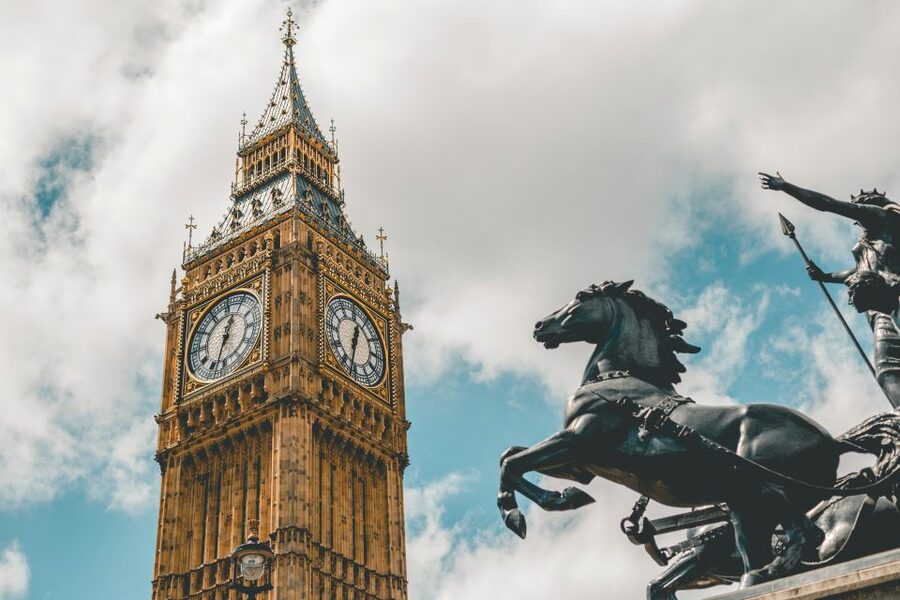
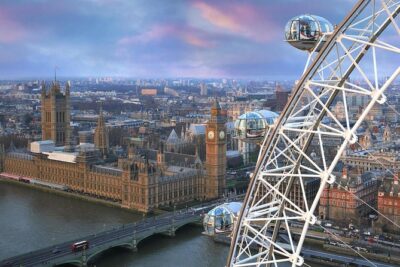
You’ll pass the Houses of Parliament area and work around the Big Ben zone. The point isn’t just to admire the view—it’s to understand what it meant when the public face of government had to operate under blackout conditions and bombing raids. One of the clever things about this kind of tour is that it reframes familiar architecture as part of a system under stress.
I also like how guides connect the landmark energy to the human scale. You’re not just looking at stone. You’re hearing how decisions were made, delayed, or forced forward because of what was happening overhead and abroad. That is how a monument becomes history you can actually feel.
Possible consideration: big-name Westminster spots attract crowds. If you’re sensitive to tight sidewalks and busy intersections, you’ll want to keep your patience switched on during the peak moments.
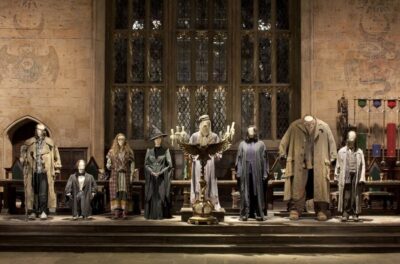


Westminster Abbey and the Cenotaph: morale, memory, and public power
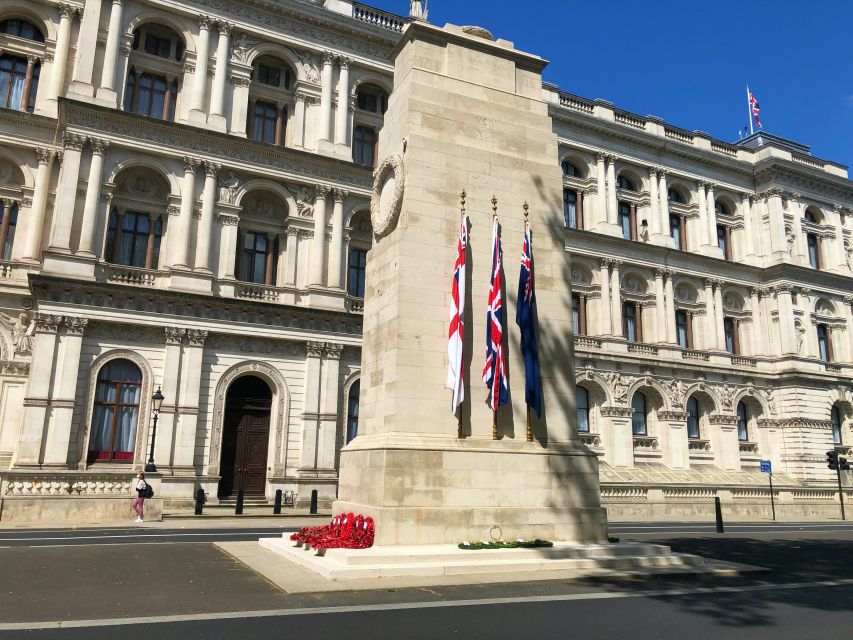
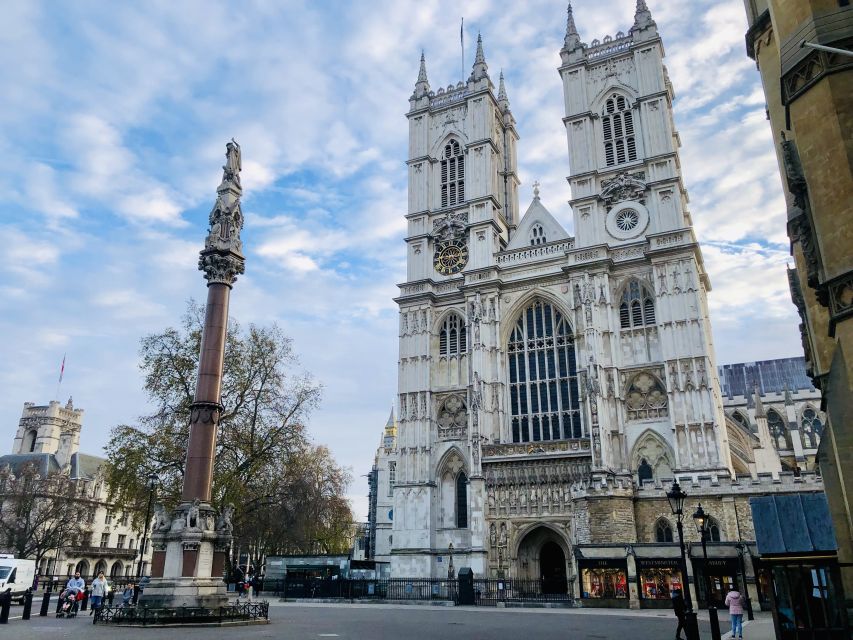
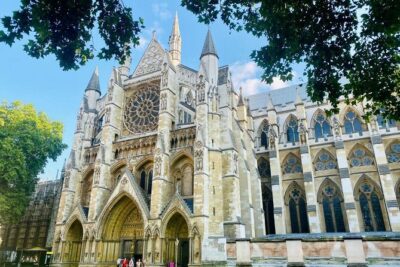
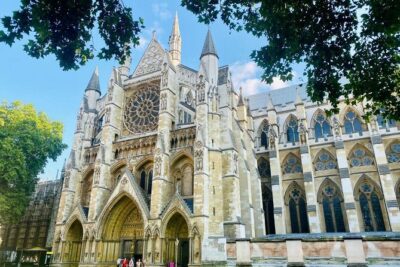
Westminster Abbey isn’t treated like a standalone tourist stop. It’s part of how Britain presented itself—heritage, authority, and continuity—while the country endured crisis. In wartime London, symbols weren’t decorative. They helped people hold the line psychologically.
Then comes the Cenotaph area, where remembrance takes on extra weight. Even if you’ve seen the Cenotaph before, the tour’s WWII framing changes your reading of it. It helps you see how official monuments can be used as steady anchors when daily life is chaotic.
This is where a guide with a strong storytelling voice can really matter. In the feedback you provided, guides like Richard and Nathan are repeatedly praised for bringing people into the narrative, including the men and women who carried the burden behind the scenes. That “human layer” is what turns memorials from photo backdrops into something you respect.
Ministry of War and Whitehall: where plans get turned into orders
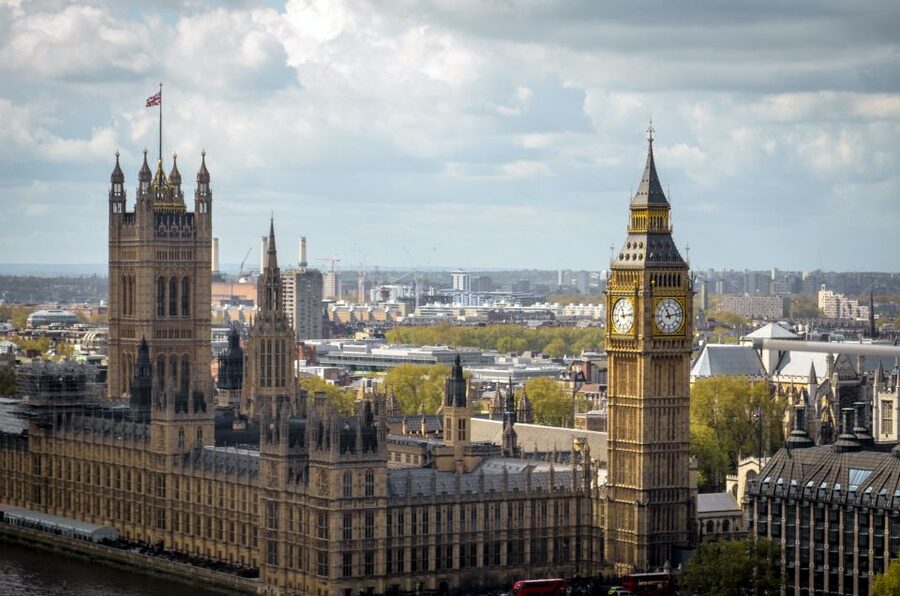
Whitehall is where you start to feel the machine behind the drama. The walk past Ministry of War and the Whitehall corridor area gives you a sense of how leadership spaces overlap with operational work. You start understanding that war isn’t one heroic moment—it’s coordination, paperwork, contingency planning, and constant pressure.
The best tours at this stage teach you to notice the purpose of a street. On a normal sightseeing day, Whitehall is just another grand corridor. On this tour, it becomes the spine of how government functioned. Your guide helps you tie what you see to the reality of wartime administration.
This also explains why the Churchill War Rooms matter so much. When you later descend into those rooms, you’re not entering a random bunker museum. You’re stepping into the heart of how a cabinet tried to keep the country functioning while the world outside kept breaking apart.
10 Downing Street: Churchill’s name, the office, and the weight of leadership
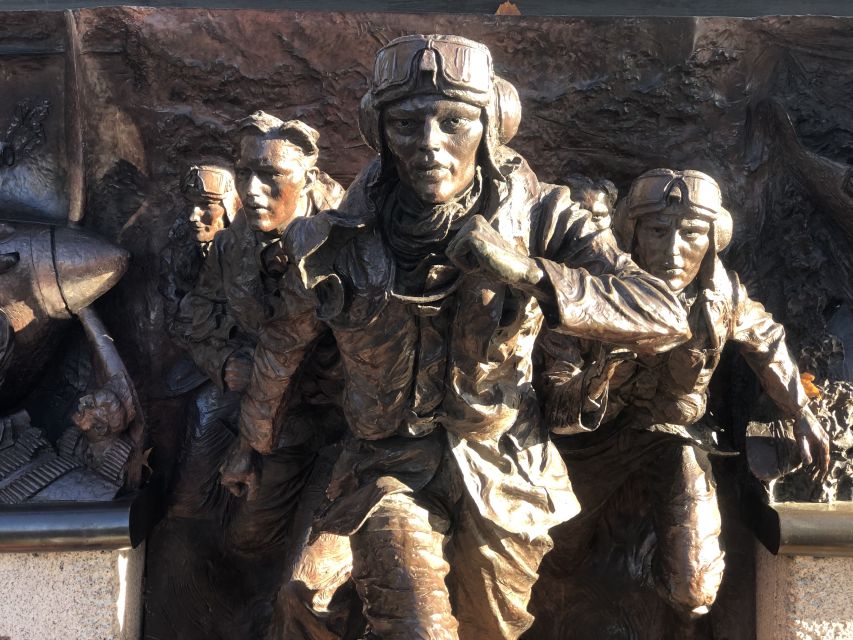
You’ll pass 10 Downing Street and related government points nearby. Even without stopping for long photo time, it’s one of the most effective parts of the walk because it gives a direct line from Churchill’s name to the office and the responsibility attached to it.
What makes this stop work is the way a good guide links personal leadership to larger systems. In the guide styles described in the feedback you shared, the strongest narrators—such as Babs and Jeremy—are repeatedly praised for using stories and humour while still keeping the seriousness in view. That balance is important. WWII stories deserve respect, but they also need clarity, and humour can help your brain keep up.
Just remember: Westminster rules and security around key government buildings can affect how your group moves and where you stand. Think of it as part of the authenticity rather than a flaw.
Descending to Churchill’s War Rooms: frozen corridors and audio pacing
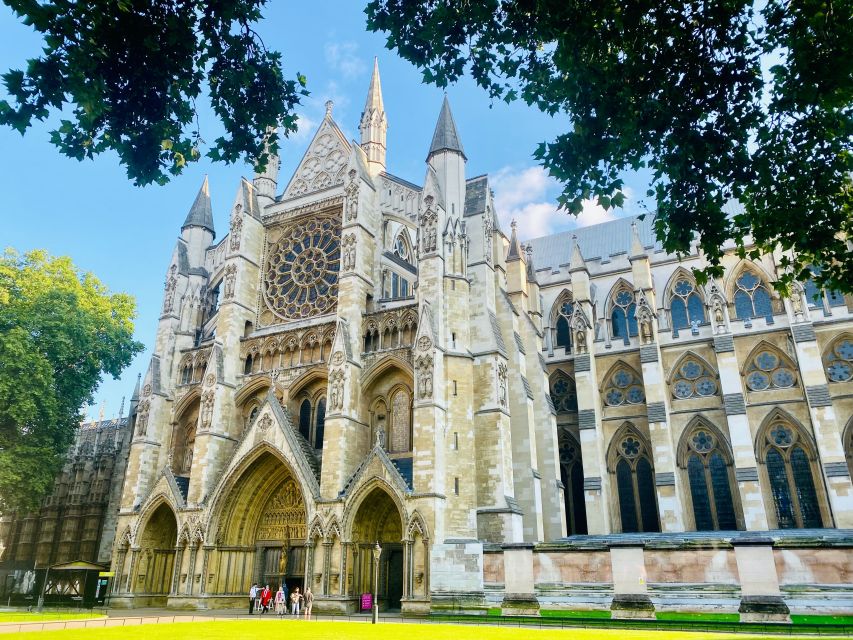
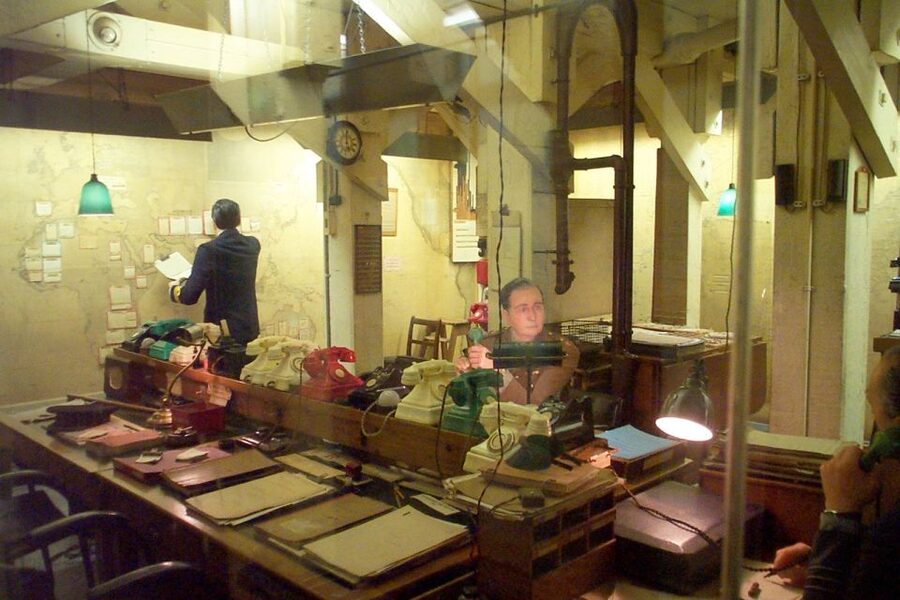
After the walking portion, you say goodbye to your guide and descend into Churchill’s War Rooms. This is the big included draw: entrance tickets are part of the tour price, and the War Rooms include an audio guide so you can explore at your own pace.
The War Rooms are described as frozen in time and ready to be discovered again, and that’s exactly the value here. You’re not just hearing about bunker life. You’re physically in the spaces where wartime leadership operated. The tour is designed so your background context from Westminster makes the bunker feel more specific.
The audio-led format has a real upside: you can pause, linger, and choose what to focus on without feeling rushed by a live guide schedule. But there’s also a tradeoff, and one that shows up in the feedback you provided: the self-guided museum portion can be crowded, and at peak moments it can be hard to see exhibits carefully while listening to audio.
My practical tip: treat the War Rooms like a choose-your-own-focus visit. Decide ahead of time what you want most—cabinet spaces, communications themes, or the command atmosphere—and don’t try to absorb everything at once. Crowds reward selective attention.
What top guides like Babs and Nathan do so well
The biggest differentiator in this experience is the storytelling. Multiple guides show up in the feedback—Babs, Nathan, Richard, Jeremy, Paul, and Peter—and the consistent theme is how they make the period feel alive without turning it into a lecture.
For example, Nathan is repeatedly described as a brilliant story teller with humour, and as someone who keeps attention through a strong mix of facts and sentiment. Babs is also singled out for enthusiasm and fun to listen to, with a style that can keep both older adults and kids engaged. Richard and Jeremy get praised for high energy and for being easy to ask questions of.
That matters because Churchill’s era is broad. If you’re given only dates and a timeline, it can blur together. A strong guide gives the narrative shape: what leaders feared, what they planned for, what they debated, and how Britain tried to keep morale and coordination intact.
Price and value: what $96 buys for 3 hours in central London
The price is listed at $96 per person, and the value logic here is pretty straightforward. You’re paying for two things bundled together: a guided walking tour with a local expert and a guaranteed entrance to Churchill’s War Rooms, plus the audio guide once you’re inside.
Even if you only care about one half—either the Westminster context or the bunker experience—the package still makes sense because the War Rooms entrance is a major standalone cost in most London planning. And the small-group structure (15 or fewer) improves the experience. It’s easier to hear your guide, easier to ask questions, and less time is wasted dealing with crowd friction.
If you’re the kind of visitor who likes to understand why buildings matter, not just where they are, this hits a good sweet spot for value. If you prefer museums with constant live guiding in every room, you might feel the audio-led portion as a letdown, but you still get access to a world-famous site.
Practical comfort checklist before you go
Here’s what will make your day easier, based on what’s explicitly required and what the experience is like:
- Wear comfortable shoes for a city walking day and repeated standing at stops.
- Bring an umbrella and water because it runs rain or shine.
- Pack light: no strollers, luggage, or large bags.
- Expect security screening before entering the site.
Also, be realistic about mobility needs. This tour isn’t suitable for people with mobility impairments or wheelchair users, since it involves walking and the War Rooms descent.
Who this London in WW2 tour is best for
This is a strong choice if you’re visiting Westminster for the first time. The walk passes major names—Westminster Abbey, Big Ben area, the Cenotaph, Ministry of War, 10 Downing Street, and Whitehall—and the guide ties them to wartime leadership. You’ll leave with a clearer mental map than you’d get from wandering on your own.
It’s also a good fit for families and mixed ages. The tour is described as engaging for all age groups, and the guide styles mentioned in the feedback suggest they know how to keep attention from tween level up through seniors.
If you are hard-core about interactive museum guiding, adjust your expectations for the second half. The War Rooms portion is audio-first, which is useful for flexible pacing, but it’s not a full guided walkthrough with constant human narration.
Should you book it
Book it if you want a WW2-focused Westminster experience that connects big landmarks to the reality of Churchill’s government during WWII. The combination of a guided context walk plus included War Rooms entrance is a clean way to get both the above-ground story and the bunker perspective in one half-day plan.
Skip or reconsider if you specifically need fully guided narration for every minute inside museums. The audio-led format in the War Rooms is a known tradeoff, and crowds can make careful viewing harder when you want to read or study slowly.
If you’re aiming for a memorable London visit that feels more than sightseeing, this is one of the more practical ways to do it.
FAQ
How long is the London in WW2 and Churchill War Rooms tour?
It lasts about 3 hours.
What’s included in the ticket price?
You get a guided Westminster walking tour with a local expert, small group size up to 15, entrance to Churchill’s War Rooms, and an audio guide inside the War Rooms.
Where do we meet the guide?
Meet outside Westminster Station at the Boadicea and Her Daughters Statue, Exit 2. Your guide will be holding an Urban Saunters orange tour sign.
Is the tour only shared group, or can I do it privately?
It’s available as shared group or private/small group.
Is food or drinks included?
No. Food and drinks are not included.
Do we need to worry about the weather?
The tour runs rain or shine.
Is there security screening?
Yes. All visitors must pass through security.
What should I bring?
Bring comfortable shoes, an umbrella, and water, plus comfortable clothes.
Is it wheelchair accessible?
No. It’s not suitable for people with mobility impairments or wheelchair users.
More Tour Reviews in London
- From London: Harry Potter Warner Bros Studio Tour
★ 4.7 · 26,588 reviews - London: Westminster to Greenwich River Thames Cruise
★ 4.5 · 22,836 reviews - Magical London: Harry Potter Guided Walking Tour
★ 4.7 · 22,044 reviews - London: Madame Tussauds London
★ 4.6 · 20,915 reviews - London: Warner Bros. Studio Harry Potter Tour & Branded Bus
★ 4.7 · 19,194 reviews
Around Westminster, Keep Going
- London: Westminster to Greenwich River Thames Cruise
★ 4.5 · 22,836 reviews - London: Westminster to Tower Bridge River Thames Cruise
★ 4.5 · 6,127 reviews - London: Westminster Abbey, Big Ben & Buckingham Guided Tour
★ 4.8 · 3,240 reviews - Westminster to Greenwich Sightseeing Thames Cruise in London
★ 4.5 · 2,969 reviews - London’s Palaces & Parliament Tour (See Over 20+ London Top Sights)
★ 5.0 · 1,609 reviews
Just reviewed around London





Westminster Tours, compared.
 ★ 4.5Westminster to Greenwich River Thames CruiseFrom $2222,836 reviews
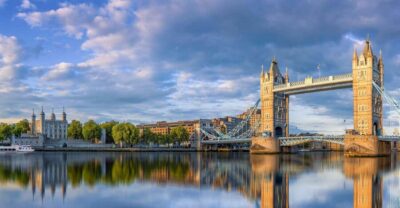 ★ 4.5Westminster to Tower Bridge River Thames CruiseFrom $186,127 reviews
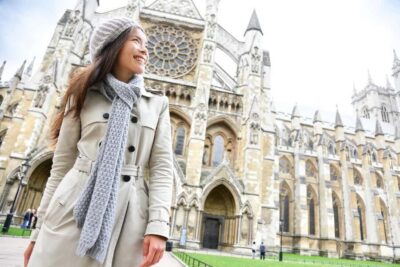 ★ 4.8Westminster Abbey, Big Ben & Buckingham Guided TourFrom $553,240 reviews
 ★ 4.5Westminster to Greenwich Sightseeing Thames Cruise in LondonFrom $222,969 reviews
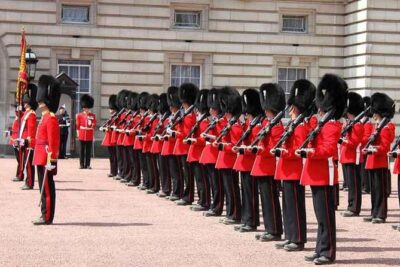 ★ 5.0London’s Palaces & Parliament Tour (See Over 20+ London Top Sights)From $301,609 reviews
 ★ 5.0Westminster Guided Walking Tour with Abbey EntryFrom $1221,282 reviews
 ★ 4.5Walking Tour of London Westminster Abbey, Big Ben, BuckinghamFrom $951,213 reviews
 ★ 5.0Westminster 3 Hour Walking Tour and Visit of Churchill War RoomsFrom $135967 reviews
Browse the lists this tour appears in