
Reviewed · TICKETS
London: Household Cavalry Museum Entry Ticket
Royal armor and horses, in the middle of Whitehall. The Household Cavalry Museum pairs a compact museum visit with real-day working life, letting you watch the troopers from inside the stables area. It also tells you why this unit has mattered for centuries, right where the action happens in central London.
I especially love the glazed-partition view into the original 18th-century stables. It turns what could be a static display into something you can watch and understand, without needing a fancy tour setup.
One consideration: this is a self-guided ticket experience, and the museum can feel small if you expected a big, long “scuderia-style” animal-and-people tour. Give yourself at least an hour so you can slow down and read what’s there.
In This Review
- Key highlights to look for
- Household Cavalry Museum at Horse Guards: the setting that changes everything
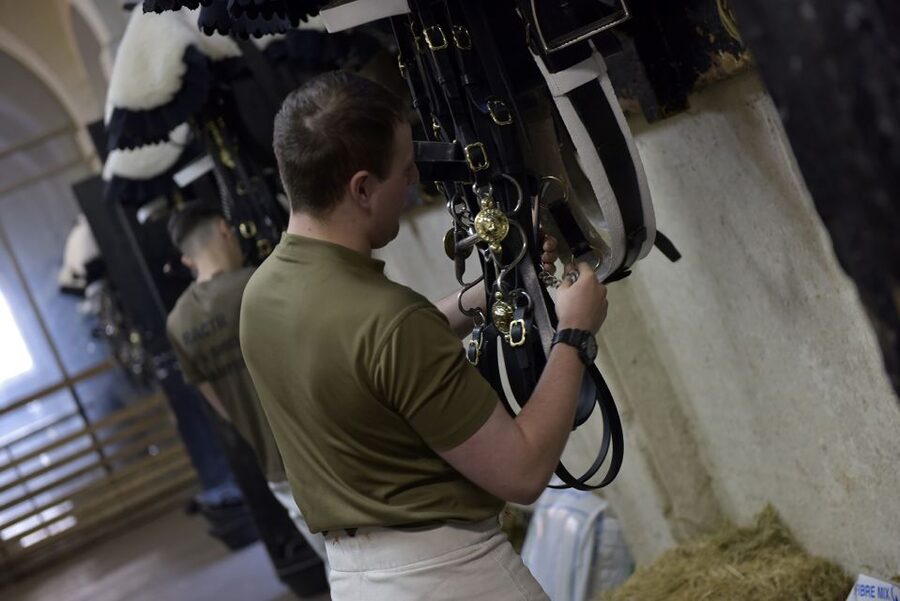
- The stables through a glazed partition: horses, troopers, and the real work
- Inside the museum: interactive displays and personal accounts that stick
- The Horse Guards building from around 1750: why the architecture isn’t just decoration
- Life Guards and the Blues and Royals: understanding the units behind the ceremonies
- How long to plan: pacing a 60-minute ticket visit without missing the best parts
- Ticket value: is $14 worth it for a London museum stop?
- Who should book this Household Cavalry Museum ticket?
- Should you book?
- FAQ
- Where do I meet for the Household Cavalry Museum ticket?
- How long should I plan for my visit?
- Is this ticket a guided tour?
- What exactly is included with the price?
- Is the experience wheelchair accessible?
- Is this ticket valid for more than one day?
- Are pets allowed in the museum?
- Are there pets or animals restrictions I should know about?
- Is there an audio guide?
- What language is the visit presented in?
Key highlights to look for
- Working troopers you can view from inside the stables area, so the museum feels alive
- Personal accounts of demanding training, not just general military facts
- Interactive displays that help you connect the building, the horses, and the role they play
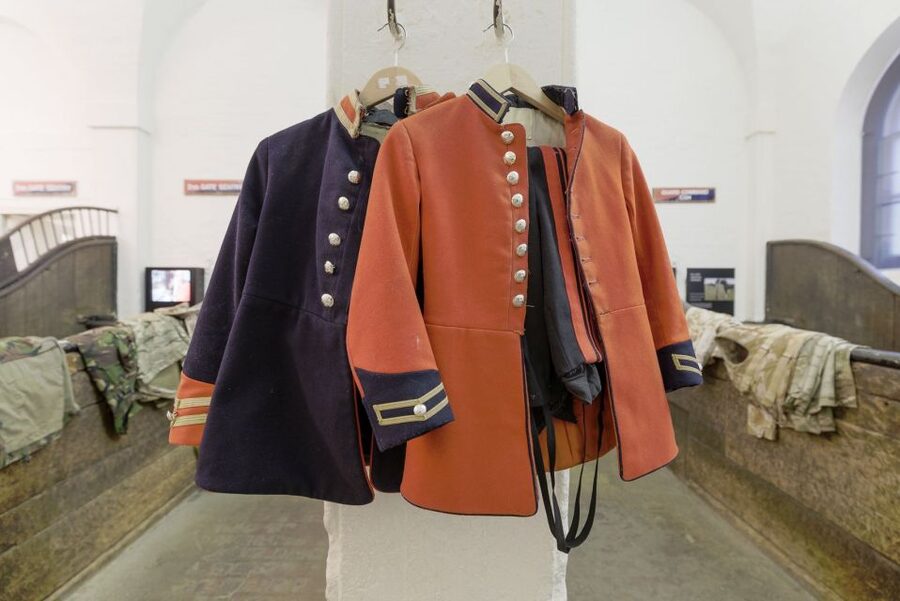
- Rare objects shown to the public, with many appearing on display for the first time
- An 18th-century headquarters in daily use, dating to around 1750 and tied to the Household Division
- Two senior regiments explained clearly: the Life Guards and the Blues and Royals
Still deciding? A handful more London outings we rated
- London: Tower Bridge Entry Ticket
★ 4.7 · 15,560 reviews - London: St Paul’s Cathedral Entry Ticket
★ 4.7 · 9,813 reviews - London: London Eye and Madame Tussauds Combo Ticket
★ 4.7 · 7,428 reviews - Buckingham Palace: The State Rooms Entrance Ticket
★ 4.6 · 7,395 reviews
Household Cavalry Museum at Horse Guards: the setting that changes everything
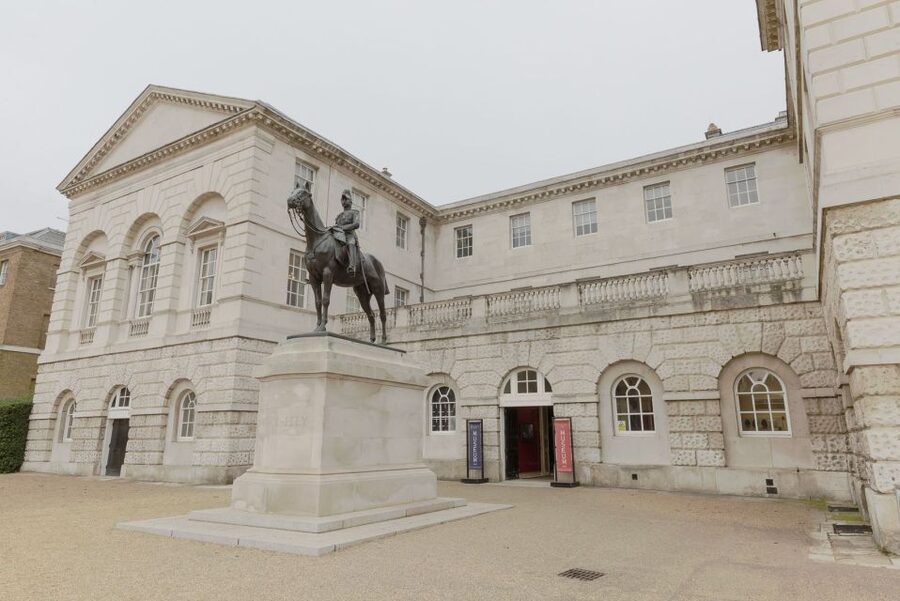
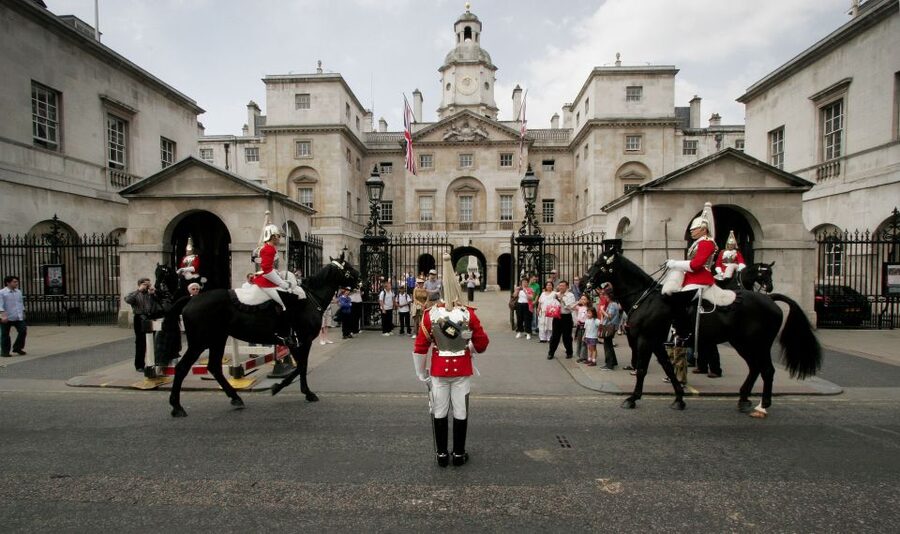
The Household Cavalry Museum sits inside the Horse Guards complex in Whitehall, which is already a big part of the experience. You’re not just seeing uniforms under glass. You’re in the building that has served as headquarters for the Household Division, and the unit’s public ceremonial role has continued for over 350 years as the Queen’s Life Guard.
That matters because it changes the museum’s vibe. Instead of feeling like an off-site collection, it feels like a doorway into a job that still runs on discipline, routine, and skill. The museum does a good job of linking the history to what you can actually see in the stables area.
If you like places where you can combine a quick stop with a story you’ll remember, this one fits well. It’s compact enough to work into a day in central London, but focused enough to feel satisfying rather than rushed.
The stables through a glazed partition: horses, troopers, and the real work
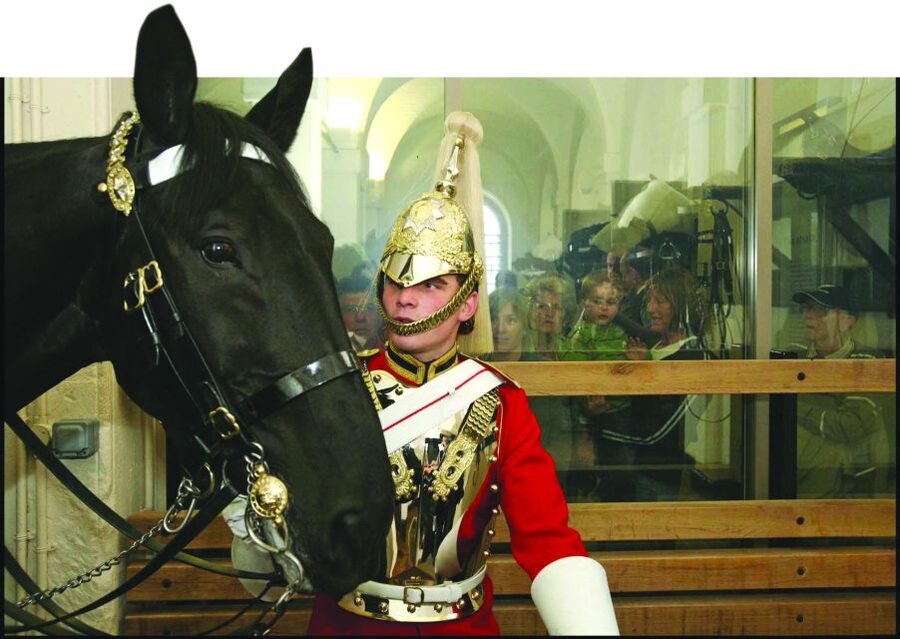
The museum’s centerpiece is access to the working Household Cavalry and a glimpse of the troopers with their horses through a large glazed partition into the original 18th-century stables. This is the part that tends to win people over fast, because you don’t have to imagine the setup. You can see it.
Here’s what I’d tell you to do: treat that stables window like your main exhibit. Spend a bit of time just watching. Notice how the space looks and functions, and then connect that with what you read in the museum rooms around you.
The best payoff is how the museum connects what you see with what they do. The experience includes first-hand accounts of rigorous, demanding training, and that’s exactly what turns a “cool view” into understanding. You start to see that the horses and troopers aren’t just ceremonial props. They’re part of a working system that needs precision.
Practical note: since this is a viewing-from-inside setup, you’ll want a relaxed pace. If you rush, you’ll miss the chance to match the physical space to the stories being told on site.
Inside the museum: interactive displays and personal accounts that stick
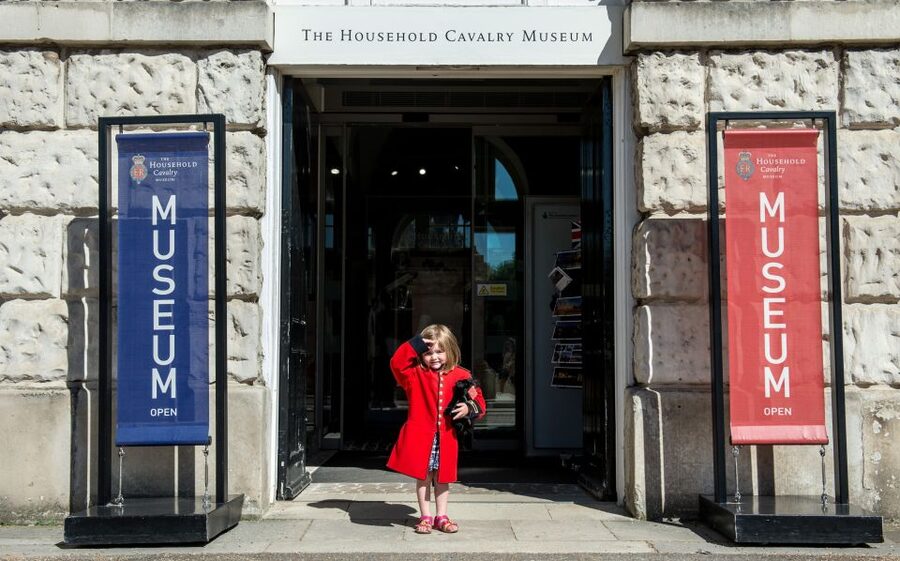
Once you step into the museum space, the tone shifts from observation to explanation. You’ll encounter interactive displays designed to help you follow the story of the building and the role of the House Guards.
The museum also leans hard into personal storytelling. Instead of only dates and big-picture military descriptions, you get accounts from troopers about training and daily requirements. That personal angle is powerful because it answers the question most people have: what does it take to get good enough that it looks effortless in public?
If you’re bringing kids, this is the part that works best. Interactive elements and clear human stories are easier for younger visitors than dense text panels. For adults, it’s still valuable because it gives context you won’t get from a quick exterior glance at Horse Guards.
Possible downside: because it’s self-guided, you’re doing the work of reading, choosing what to focus on, and moving at your own speed. If you strongly prefer a guide to point out the “one thing you must see,” you might wish for more live interpretation. The upside is you can spend longer where you feel interested.
Still deciding? A handful more London outings we rated



The Horse Guards building from around 1750: why the architecture isn’t just decoration
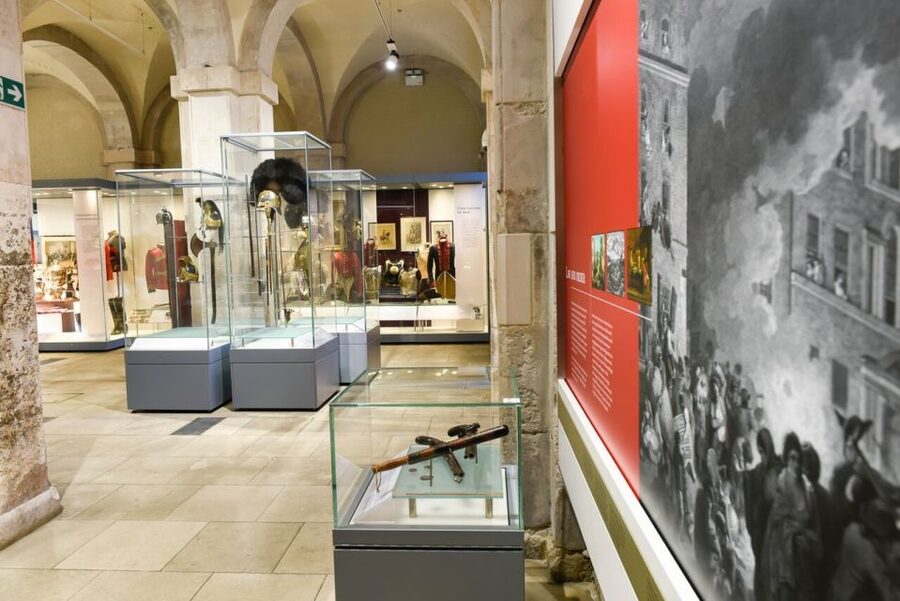
One of the most overlooked aspects here is the building itself. The experience lets you see a historic structure dating from around 1750 that still functions as headquarters for the Household Division. That means the museum isn’t in a random building that later became a museum. It’s inside the working context that explains why the cavalry has held public attention for so long.
Why does this matter for your visit? Because it shapes how the stables and museum spaces relate to each other. When you’re inside a structure that’s been in use for generations, the details you notice feel more meaningful. Even if you’re not an architecture person, the sense of continuity can land.
I also like that the museum’s story stays grounded. It connects the building, the stables, and the unit’s public role—so it doesn’t feel like you’re bouncing between unrelated exhibits. It feels like one setting telling one story from multiple angles.
Life Guards and the Blues and Royals: understanding the units behind the ceremonies
A key part of the museum is learning about the Household Cavalry and the two senior regiments of the British Army: the Life Guards and the Blues and Royals. If you only know the unit from photos and big ceremonies, this section is where you can build the “who’s who” in about an hour.
Look for how the museum links these regiments to the broader story of the Household Division and its role as Queen’s Life Guard over centuries. It’s not just pageantry trivia. It helps you interpret what you see during public events and why the uniforms and traditions matter.
You’ll likely feel the difference most if you’re planning to keep exploring London military heritage afterward. This museum gives you vocabulary. After that, you can look at other sites—museums, memorials, parade routes—with more understanding.
How long to plan: pacing a 60-minute ticket visit without missing the best parts
The guidance is to allow at least 60 minutes for your visit, and I agree with that as a baseline. The museum is designed to be manageable, not exhausting. You’re not committing to a half-day deep dive. You’re getting a focused slice of the Household Cavalry story with a live stables view.
Here’s a simple pacing plan that tends to work:
- Start with the stables partition so you anchor the experience with what you came to see.
- Move into the museum rooms for the training accounts and interactive displays.
- Finish by going back to the stables window once you’ve read enough to understand what you’re seeing.
If you’re short on time, prioritize the stables view plus the personal accounts. If you have more time, linger on the rare objects and interactive parts so you’re not just skimming.
Also, keep your expectations realistic about group flow. One review noted there’s no strict slot system for visiting across the day, and that helped keep things smooth. Still, check the available starting times on the day you book, because access patterns can vary.
Ticket value: is $14 worth it for a London museum stop?
At about $14 per person, the Household Cavalry Museum ticket is priced like a focused museum experience rather than a full-day attraction. That can be a good thing if you’re on a tight schedule, because you get a lot of “why this matters” in a relatively short visit.
I think it’s good value for three types of people:
- You want a real working military setting and not just static exhibits.
- You’re interested in how training shapes performance, not only ceremony.
- You like museums where you can actually watch something from inside the building.
Where the value can feel off is if you want a long, expansive stable tour or more direct contact with the stables environment. A small museum can be a plus for efficiency, but it can also disappoint if you expected a bigger “animal-and-horses tour” experience.
In other words: this ticket is strongest when you treat it as a smart, hour-ish stop in central London, not a full-day immersion.
Who should book this Household Cavalry Museum ticket?
Book it if you want to understand the Household Cavalry through the Horse Guards setting itself, with stables views and trooper training stories. It’s also a solid family choice, since at least some of the museum experience is designed to be kid-friendly and easy to engage with.
You might skip or pair differently if:
- You prefer long guided tours with deep commentary.
- You’re hoping for a large, sprawling museum with lots of galleries.
- You’re extremely focused on animal caretaking details rather than the unit’s training and public role.
If your plan is “see something historic, but also something active,” this fits. If your plan is “spend half a day in one museum,” you may finish faster than expected.
Should you book?
Yes, if you can spare 60 minutes and you want a hands-on-feeling museum inside a real working headquarters area. The stables view through the glazed partition and the training stories are the two core reasons to go, and they make the visit feel more grounded than a typical small museum ticket.
Just book with the right mental picture: it’s a tight, self-guided experience tied to a very specific setting. If that’s your style, it’s a smart buy in central London.
FAQ
Where do I meet for the Household Cavalry Museum ticket?
Meet directly at the Household Cavalry Museum.
How long should I plan for my visit?
Plan on at least 60 minutes for the visit.
Is this ticket a guided tour?
No. The ticket includes museum entry, and a tour guide is not included.
What exactly is included with the price?
You get the Household Cavalry Museum ticket for entry.
Is the experience wheelchair accessible?
Yes. The activity is wheelchair accessible.
Is this ticket valid for more than one day?
It’s valid for 1 day. Check availability for starting times.
Are pets allowed in the museum?
Pets are not allowed, but assistance dogs are allowed.
Are there pets or animals restrictions I should know about?
The only stated restriction is that pets aren’t allowed (assistance dogs are fine).
Is there an audio guide?
An audio guide is not indicated as included, and you should plan on learning from the museum displays and accounts.
What language is the visit presented in?
The experience is presented in English.
More Museums in London
- Tower of London and Crown Jewels Exhibition Ticket
★ 4.5 · 6,677 reviews - London: Chelsea Football Club Stadium and Museum Tour
★ 4.8 · 4,576 reviews - Chelsea FC Stadium Tours and Museum
★ 5.0 · 1,908 reviews - London: British Museum Guided Tour
★ 4.3 · 1,182 reviews - Official tickets: Moco Modern & Contemporary Art Museum
★ 4.5 · 1,157 reviews
More Tickets in London
- London: Tower Bridge Entry Ticket
★ 4.7 · 15,560 reviews - London: St Paul’s Cathedral Entry Ticket
★ 4.7 · 9,813 reviews - London: London Eye and Madame Tussauds Combo Ticket
★ 4.7 · 7,428 reviews - Buckingham Palace: The State Rooms Entrance Ticket
★ 4.6 · 7,395 reviews - Windsor Castle Admission Ticket
★ 4.7 · 7,032 reviews
More Tour Reviews in London
- From London: Harry Potter Warner Bros Studio Tour
★ 4.7 · 26,588 reviews - London: Westminster to Greenwich River Thames Cruise
★ 4.5 · 22,836 reviews - Magical London: Harry Potter Guided Walking Tour
★ 4.7 · 22,044 reviews - London: Madame Tussauds London
★ 4.6 · 20,915 reviews - London: Warner Bros. Studio Harry Potter Tour & Branded Bus
★ 4.7 · 19,194 reviews
Just reviewed around London





Tickets, compared.
 ★ 4.7Tower Bridge Entry TicketFrom $2115,560 reviews
 ★ 4.7St Paul’s Cathedral Entry TicketFrom $369,813 reviews
 ★ 4.7London Eye and Madame Tussauds Combo TicketFrom $667,428 reviews
 ★ 4.6Buckingham Palace: The State Rooms Entrance TicketFrom $447,395 reviews
 ★ 4.7Windsor Castle Admission TicketFrom $437,032 reviews
 ★ 4.5Tower of London and Crown Jewels Exhibition TicketFrom $496,677 reviews
 ★ 4.0Thorpe Park Admission TicketFrom $435,915 reviews
 ★ 4.7Emirates Stadium Entry Ticket and Audio GuideFrom $475,513 reviews
Browse the lists this tour appears in