
Reviewed · TICKETS
London: Freud Museum Entry Ticket
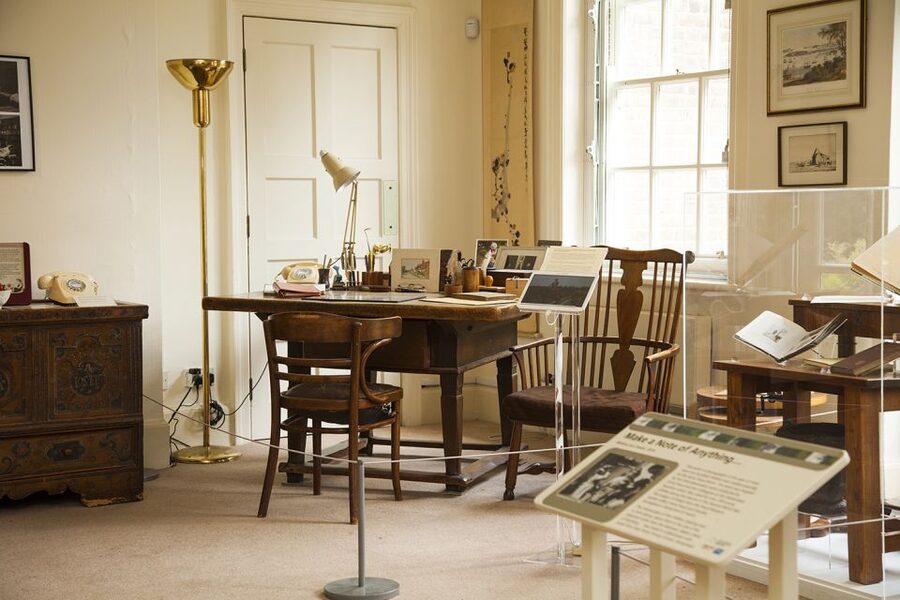
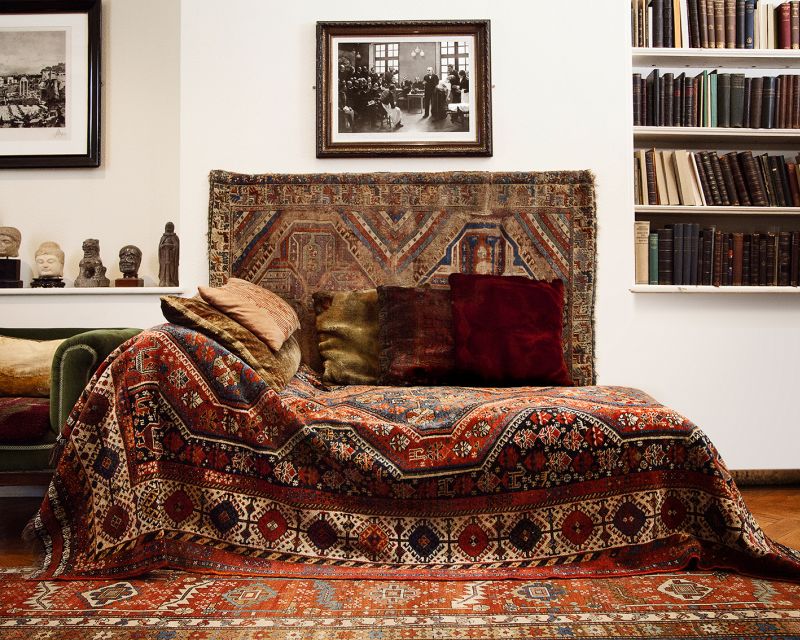
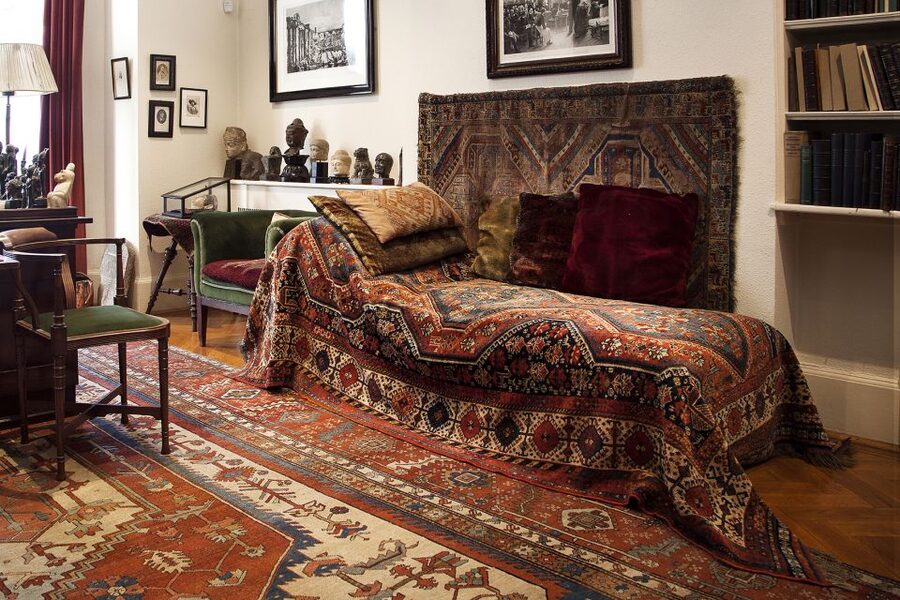
Freud’s London home is weirdly moving. The big draw for me is the original psychoanalytic couch and the way Freud’s Study feels preserved, right down to the desk and seating design. One thing to plan for: the ticket includes the audio guide, but you’ll need to bring your own phone and headphones (they’re not provided).
If you want a 1-day London stop that feels more personal than a typical museum, this is it. You’ll also have a short 20-minute film to tie the family and psychoanalysis story together, plus time in the peaceful garden at the end.
In This Review
- Key things that make this ticket worth it
- Freud Museum Entry Ticket: What you’re paying for (and why it feels special)
- Getting in: the back of the house, through the shop
- Sigmund Freud’s Study and the world-famous couch
- The Dining Room: family story plus the roots of psychoanalysis
- Anna Freud’s Room: child psychoanalysis, her couch, and her collected world
- Dalí’s portrait of Freud and the 20-minute family film
- Ending in the peaceful garden
- Free guided tour (Thursday–Saturday at 2pm): when it helps
- Audio guide reality check: bring your phone and headphones
- Price and timing: making the $19 feel like a good deal
- Should you book the Freud Museum London entry ticket?
- FAQ
- How long is the Freud Museum London entry ticket valid for?
- What is included with the London: Freud Museum entry ticket?
- Do I need headphones for the audio guide?
- Where should I go to enter the museum?
- What rooms and areas will I see during the visit?
- How long is the film included in the experience?
- Can I cancel, and what’s the cutoff?
Key things that make this ticket worth it
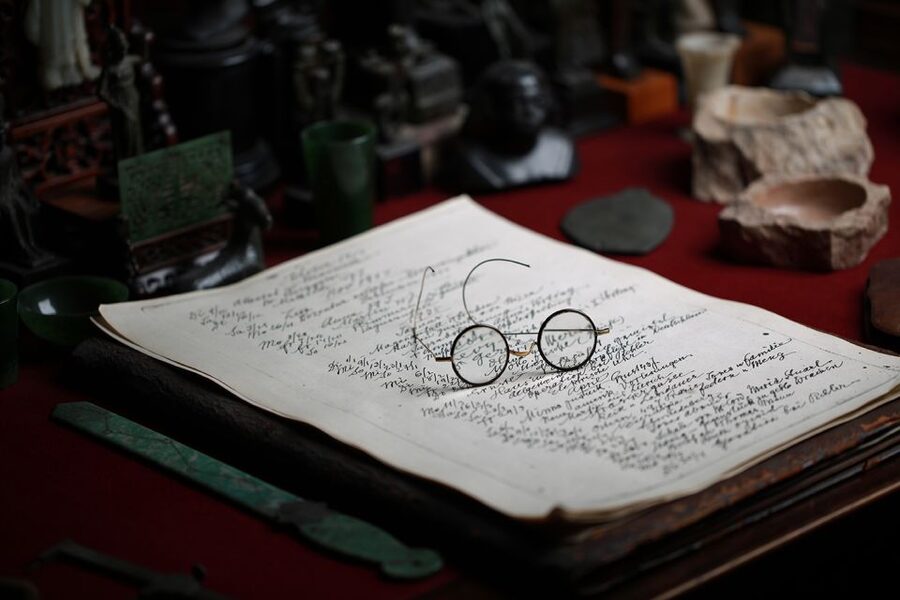
- Freud’s Study stays intact, including the famous couch and his desk with antiquities.
- Freud’s seating chair was made for his preferred posture, so the room feels practical, not staged.
- Anna Freud’s Room highlights child psychoanalysis, with her couch and collections on view.
- Dalí’s portrait of Freud adds an unexpected art-world layer to the story.
- A 20-minute film includes voiceovers by Anna Freud and a rare recording connected to Sigmund Freud.
- Garden time gives you a calm finish instead of ending inside galleries.
Still deciding? A handful more London outings we rated
- London: Tower Bridge Entry Ticket
★ 4.7 · 15,560 reviews - London: St Paul’s Cathedral Entry Ticket
★ 4.7 · 9,813 reviews - London: London Eye and Madame Tussauds Combo Ticket
★ 4.7 · 7,428 reviews - Buckingham Palace: The State Rooms Entrance Ticket
★ 4.6 · 7,395 reviews
Freud Museum Entry Ticket: What you’re paying for (and why it feels special)
A Freud Museum entry ticket is $19 per person, and it’s billed for a 1-day visit. That price makes sense if you’re going for something more specific than a general history museum: you’re buying access to Freud’s actual London home, not just ideas about him.
What you’ll notice right away is how much of the impact comes from objects and rooms doing the explaining. You’re not just reading about psychoanalysis. You’re seeing the study where Freud worked, the dining room connected to family life, and Anna Freud’s spaces tied to her groundbreaking work on children.
If you love psychology, art, history, or just good interior design with a strange backstory, this visit can land very well. And if you don’t know much about psychoanalysis, that’s fine too—this museum is set up to guide you through the key themes room by room.
Getting in: the back of the house, through the shop
Your meeting point is simple: go to the back of the house and enter through the shop. That matters more than it sounds. If you arrive at the “front” out of habit, you can waste time hunting. When the path is laid out for you, take it.
Once you’re inside, you’ll be able to move through the home at your own pace with the included audio guide. There’s also a free tour offered Thursday to Saturday at 2pm, which can be a great choice if you like to hear context while you walk.
Sigmund Freud’s Study and the world-famous couch
This is the main event, and it earns that status. In Sigmund Freud’s Study, you’ll spend time with objects that are tied directly to his daily working life.
Here’s what to look for:
- Freud’s original couch, famous far beyond London. Seeing it in its home context changes how it feels. It stops being a symbol and turns into furniture—specific, physical, and oddly intimate.
- Freud’s desk, where he placed his favourite antiquities. That detail is a smart reminder: he wasn’t only thinking and writing—he collected, organized, and lived with meaning in the objects around him.
- An unusual anthropomorphic chair designed for Freud’s preferred posture—legs over one arm. It’s a small detail, but it tells you a lot about the man behind the theory: comfort, routine, and bodily preference mattered.
The biggest value here is emotional accuracy. The Study is preserved the way it was when he left it. That gives the rooms a time-capsule feel, especially if you’re the type who likes to connect ideas to places.
Potential drawback: the Study is a “concentrated” experience. If you want lots of big, flashy galleries, you might find it more contemplative than dramatic. It’s not a sprint; it’s closer to settling in.
Still deciding? A handful more London outings we rated



The Dining Room: family story plus the roots of psychoanalysis
After the Study, the focus shifts to family context. In the Dining Room, you’ll learn about Freud’s family story and the story of psychoanalysis.
This part matters because it connects the “big concepts” to a personal reality. Psychoanalysis didn’t come from nowhere—it developed inside a living world: relationships, work, and the pressures of the time.
If you’re worried the visit will be too theory-heavy, the Dining Room can actually balance things out. It gives you human footing before you tackle Anna Freud’s work and the film.
Anna Freud’s Room: child psychoanalysis, her couch, and her collected world
Anna Freud’s space is where the museum’s story widens. You’ll see Anna Freud’s Room and learn about her pioneering work on child psychoanalysis.
On display, you can expect:
- Anna’s couch
- Her collections
That might sound like “more furniture,” but it’s more important than it appears. It frames psychoanalysis as something that evolved across generations in the same home—first in Sigmund’s Study, then in Anna’s dedicated room.
If you’re interested in how ideas change when they’re applied to new kinds of patients and new questions, this is one of the most meaningful transitions in the visit. It moves from the founder’s working world to the next phase of the work.
Dalí’s portrait of Freud and the 20-minute family film
Right next to Anna’s Room, you’ll see a portrait of Sigmund Freud painted by Salvador Dalí. It’s an art-historical jolt in the middle of a psychology museum, and that contrast can make the whole visit feel more layered.
You’ll also have a way to learn about how Freud and Dalí met in London in 1938, tied to Professor Ades’ article on Dalí’s sketches of Freud. That’s a great example of how the museum blends personal story, cultural context, and interpretation.
Then it’s time for the film: a 20-minute video about the Freud family. It includes:
- voiceovers from Anna Freud
- a rare recording connected to an interview with Sigmund Freud
- footage from Vienna and London
This segment is useful if you want your visit to stick. Objects can tell you what things looked like, but film helps stitch it all together into a timeline. If you only skim, you’ll miss that connecting thread. If you give it the full 20 minutes, it turns the home into a story you can remember.
Ending in the peaceful garden
Before you leave, spend time in Freud’s garden. After rooms full of artifacts and explanation, this is a quiet reset.
It also works as a practical tip: if you feel like you rushed earlier sections, slow down here. A museum visit goes from “information” to “experience” when you let your body catch up to your brain.
Even if you’re not the sentimental type, the garden finish is a good way to land your day. You’re not walking out immediately into traffic and noise—you’re walking out refreshed.
Free guided tour (Thursday–Saturday at 2pm): when it helps
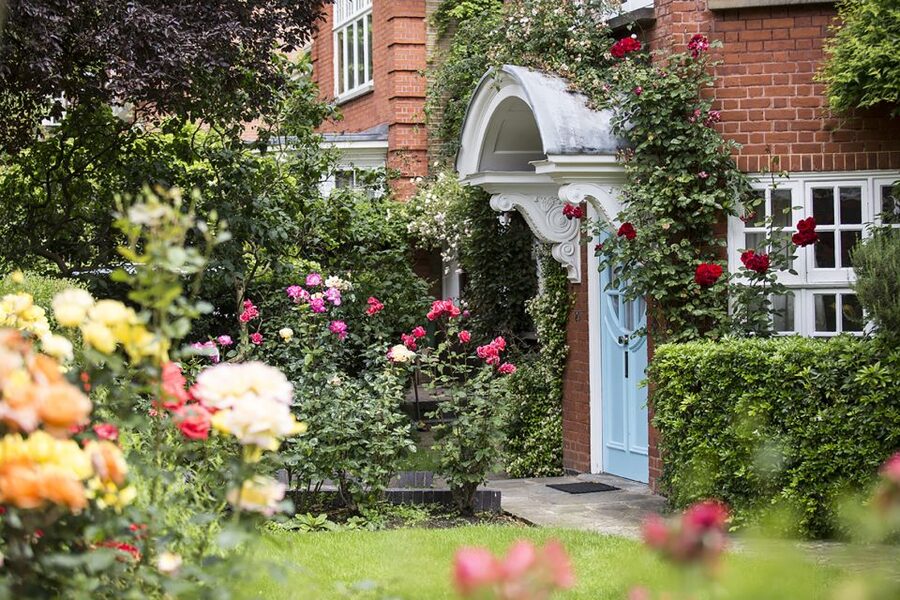
The ticket includes a free tour running Thursday to Saturday at 2pm. It can be a strong add-on if you like the structure of someone guiding what matters most in each room.
How it fits best:
- If you’re new to the museum’s story, a guide can help you connect the objects to the ideas without you having to guess.
- If you already know psychoanalysis basics, the tour can still help you notice what you might otherwise miss—especially the tiny details like the designed chair and the Study layout.
If you’re visiting on a different day, you can still do the museum with the audio guide alone. The museum’s room-by-room flow works well that way too.
Audio guide reality check: bring your phone and headphones
Admission and the audio guide are included, but you’ll need your own equipment. Plan to bring:
- your phone
- headphones to listen to the free audio guide
This is the one “gotcha” that can ruin a smooth visit if you forget. If you can’t use headphones, your experience will be weaker because the museum’s key interpretive content depends on listening.
Quick practical advice: charge your phone before you go and keep it handy. Don’t rely on battery life you might not have.
Price and timing: making the $19 feel like a good deal
For $19, you get a full 1-day entry that covers multiple rooms, plus the audio guide and access to the film and garden time. That’s the value: you’re paying for proximity to real spaces—Freud’s home—not just a themed lecture.
The duration is listed as 1 day. In real terms, this is the kind of visit where you can go in “fast mode” or “slow mode.” A slow mode visit is usually better here:
- You’ll want time in the Study to really look at the couch, desk, antiquities placement, and the designed chair.
- You’ll want time in Anna Freud’s Room to take in how her work is framed through objects like her couch and collections.
- The film is time-boxed at 20 minutes, so plan to sit and watch without rushing it.
Who this suits best:
- Anyone drawn to Freud and Anna Freud, even if you’re not an academic
- People who like museums that feel like someone’s home, not just a display
- Visitors interested in the overlap between psychology and culture (Dalí is a nice bridge)
Who might find it less ideal:
- If you want lots of large, modern gallery space, this home museum style may feel intimate and slower than you expect.
- If you don’t like seated, object-focused visits, you may prefer a museum with more action-oriented exhibits.
Should you book the Freud Museum London entry ticket?
Yes—if you want a focused, high-impact London visit that feels personal and specific. This ticket hits a rare mix: famous objects (like the couch), family rooms, Anna Freud’s work, and a film with voice and recording elements that help the story land.
Book it especially if you’re going on a day that fits the Thursday–Saturday 2pm free tour, or if you like using audio guides to move at your own pace.
Skip it only if you’re looking for a big “all-day attraction” with constant spectacle. This is a quieter kind of museum, with a strong emotional and historical core.
And one more nudge: bring your headphones. It’s not optional if you want the full experience.
FAQ
How long is the Freud Museum London entry ticket valid for?
The ticket is valid for 1 day.
What is included with the London: Freud Museum entry ticket?
It includes admission and a free audio guide, and it also includes a free tour running Thursday to Saturday at 2pm.
Do I need headphones for the audio guide?
Yes. The audio guide is included, but headphones/phone are not provided. Bring your phone and headphones.
Where should I go to enter the museum?
Go to the back of the house and enter through the shop.
What rooms and areas will I see during the visit?
You’ll be able to visit Sigmund Freud’s Study, the Dining Room, Anna Freud’s Room, areas connected to the Dalí portrait and the film, and you’ll also have time in the peaceful garden.
How long is the film included in the experience?
The film is 20 minutes.
Can I cancel, and what’s the cutoff?
Free cancellation is available up to 24 hours in advance for a full refund.
More Museums in London
- Tower of London and Crown Jewels Exhibition Ticket
★ 4.5 · 6,677 reviews - London: Chelsea Football Club Stadium and Museum Tour
★ 4.8 · 4,576 reviews - Chelsea FC Stadium Tours and Museum
★ 5.0 · 1,908 reviews - London: British Museum Guided Tour
★ 4.3 · 1,182 reviews - Official tickets: Moco Modern & Contemporary Art Museum
★ 4.5 · 1,157 reviews
More Tickets in London
- London: Tower Bridge Entry Ticket
★ 4.7 · 15,560 reviews - London: St Paul’s Cathedral Entry Ticket
★ 4.7 · 9,813 reviews - London: London Eye and Madame Tussauds Combo Ticket
★ 4.7 · 7,428 reviews - Buckingham Palace: The State Rooms Entrance Ticket
★ 4.6 · 7,395 reviews - Windsor Castle Admission Ticket
★ 4.7 · 7,032 reviews
More Tour Reviews in London
- From London: Harry Potter Warner Bros Studio Tour
★ 4.7 · 26,588 reviews - London: Westminster to Greenwich River Thames Cruise
★ 4.5 · 22,836 reviews - Magical London: Harry Potter Guided Walking Tour
★ 4.7 · 22,044 reviews - London: Madame Tussauds London
★ 4.6 · 20,915 reviews - London: Warner Bros. Studio Harry Potter Tour & Branded Bus
★ 4.7 · 19,194 reviews
Just reviewed around London





Tickets, compared.
 ★ 4.7Tower Bridge Entry TicketFrom $2115,560 reviews
 ★ 4.7St Paul’s Cathedral Entry TicketFrom $369,813 reviews
 ★ 4.7London Eye and Madame Tussauds Combo TicketFrom $667,428 reviews
 ★ 4.6Buckingham Palace: The State Rooms Entrance TicketFrom $447,395 reviews
 ★ 4.7Windsor Castle Admission TicketFrom $437,032 reviews
 ★ 4.5Tower of London and Crown Jewels Exhibition TicketFrom $496,677 reviews
 ★ 4.0Thorpe Park Admission TicketFrom $435,915 reviews
 ★ 4.7Emirates Stadium Entry Ticket and Audio GuideFrom $475,513 reviews
Browse the lists this tour appears in