
Reviewed · LONDON
Legal London: The Royal Courts of Justice and Inns of Court
Legal London can sound dry—until you walk it. This tour turns the Inns of Court into a living story of English common law and how it traveled around the world. I especially liked the way the guide connects courtroom life to training traditions, from wigs to the famous dinner rituals, and I also liked the jump from medieval sites like Temple Church to the jaw-dropping Royal Courts of Justice.
One heads-up: it’s a lot of outdoor walking, and it’s not set up for people with mobility impairments.
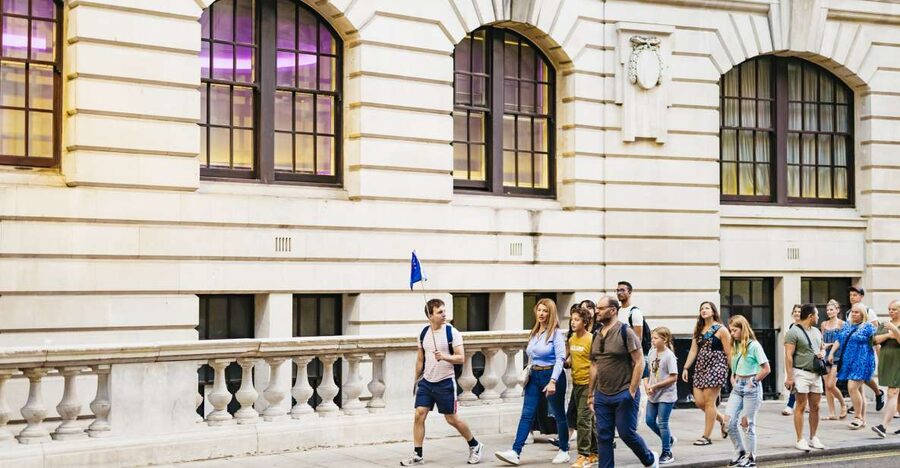
Here’s what I mean. You meet in the Temple area, then spend the afternoon moving through one of London’s most concentrated pockets of law, architecture, and big historical names. In a small group (limited to 8), you’ll get guided stops at the places that shaped how disputes were handled—plus what it took to become a barrister, and why the Inns still feel different from the rest of the city.
In This Review
- Key things to know before you go
- Why London’s Temple area feels like a different city
- Starting at Temple Bar Cafe and getting your bearings fast
- Temple Church: 12th-century stone tied to Magna Carta politics
- Inns of Court: the training world behind the wigs and the dinners
- A quick pause on Fleet Street’s legal orbit
- Royal Courts of Justice: Queen Victoria’s Gothic Revival—and court life now
- Lincoln’s Inn and Gray’s Inn: prime ministers, Dickens, and bomb repairs
- Who this tour suits best (and who should consider something else)
- Price and value: what $33 buys you in real terms
- Should you book Legal London: The Royal Courts of Justice and Inns of Court?
- FAQ
- FAQ
- Where does the tour start?
- Where does it end?
- How long is the tour?
- How big is the group?
- What is included on the tour?
- Is Temple Church included inside?
- What should I bring?
- Is the tour suitable for children or mobility needs?
Key things to know before you go
- Small group, big access: A limited group size means more time for questions and real back-and-forth with your guide.
- Common law’s global reach: You’ll trace how ideas from this neighborhood influenced places far beyond the UK, including the US, India, Pakistan, Africa, and Australia.
- Temple Church’s Magna Carta connection: Built in 1162 and consecrated in 1185, it’s tied to King John’s Magna Carta negotiations.
- Traditions you can actually picture: The tour explains lawyer wigs and the dinner rules linked to qualifying at the Inns.
- Royal Courts of Justice inside + court in action: You don’t just see it from the street—you get a chance to watch how courts work today.
- A guide who tells stories in plain language: Many people come in with zero legal background, and the guide keeps it understandable (and often funny, in a dry British way).
Not sure yet? See how a few of London's most-booked trips stack up:
- From London: Harry Potter Warner Bros Studio Tour
★ 4.7 · 26,588 reviews - London: Westminster to Greenwich River Thames Cruise
★ 4.5 · 22,836 reviews - Magical London: Harry Potter Guided Walking Tour
★ 4.7 · 22,044 reviews - London: Madame Tussauds London
★ 4.6 · 20,915 reviews
Why London’s Temple area feels like a different city
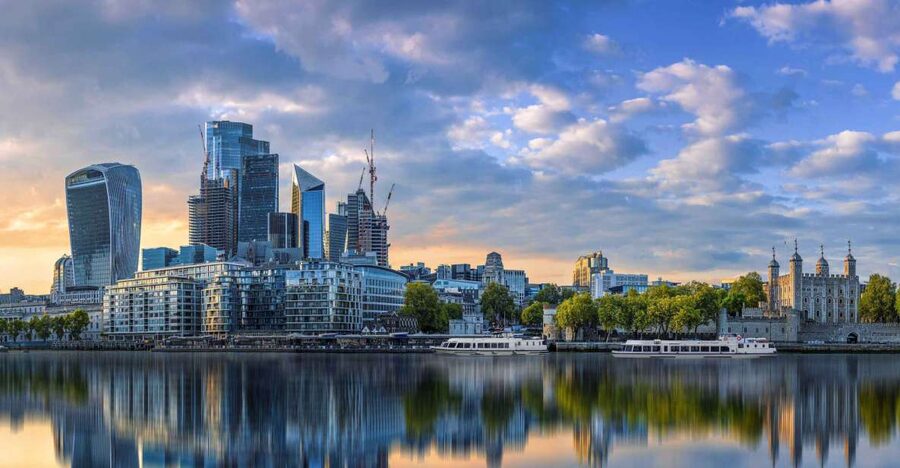
If you’ve only seen London’s law courts from the outside, you’re missing what makes this area special. The Temple and the Inns of Court aren’t just pretty buildings. They’re a map of how England trained lawyers, how cases got argued, and how power shifted over centuries.
I like that the tour doesn’t treat law as dusty paperwork. It treats law as a system that needed buildings, rules, rituals, and people. And because this corner of London is so walkable, the story stays connected. You move from medieval foundations to Elizabethan halls to a Victorian courtroom complex, without the usual jumpy “drive-by sightseeing” feel.
You’ll also get the big theme up front: English common law didn’t stay home. The guide links what happened here to legal traditions around the world, including the United States and South Asia. That context matters, because otherwise the Inns can look like nothing more than old universities for lawyers.
Starting at Temple Bar Cafe and getting your bearings fast
You start outside Temple Bar Cafe, right by the Temple Station entrance/exit. That’s convenient if you’re using the Underground, and it keeps the morning focused in one tight zone. The walk begins with orientation—how this neighborhood functioned as the legal heart of London—and then you start moving toward the first major landmark.
In practical terms, I recommend showing up with comfortable shoes and a weather plan. This tour is outdoors for much of the time, and you’ll be walking between several compounds and corridors that feel like separate worlds.
Temple Church: 12th-century stone tied to Magna Carta politics
The first big stop is Temple Church, with a timeline you can keep in your head. It was built in 1162 and consecrated in 1185. From there, the tour connects it to high-stakes history—Temple Church is described as one of the bases connected to King John during the Magna Carta negotiations.
This stop is worth it because it shows how law wasn’t just a set of statutes. It grew in the shadow of institutions with religious and political weight. You’re looking at medieval spaces that have survived through huge changes, including the evolution of the legal profession around them.
One consideration: Temple Church is included as an outside visit on the main tour, with the option to visit inside afterward for a separate fee. If you want the interior in your photos and your head, plan extra time for that add-on.

Inns of Court: the training world behind the wigs and the dinners
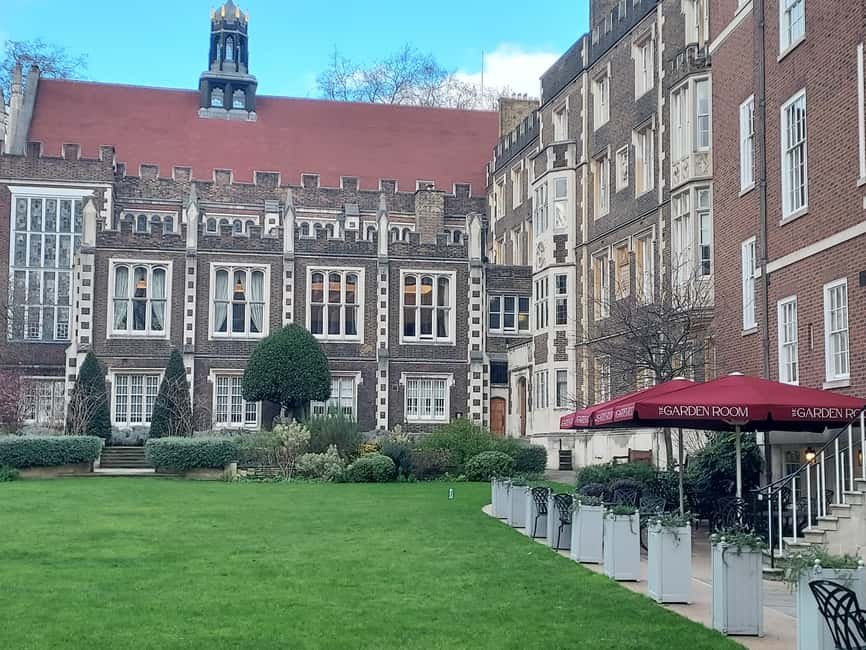
The tour’s most memorable sections are the Inns themselves—Middle Temple and Inner Temple, plus exterior looks at other inns like Clifford’s Inn, St. Dunstan’s Church, Serjeants’ Inn (El Vino’s area), and Staple Inn.
Why? Because these are not generic “old buildings.” They’re the physical evidence of a training system. The guide explains traditions such as why lawyers wear wigs, and it tells the quirky, human side of qualifying. You’ll also hear how long it took—centuries, in some cases—for parts of the legal training and courtroom routines to solidify.
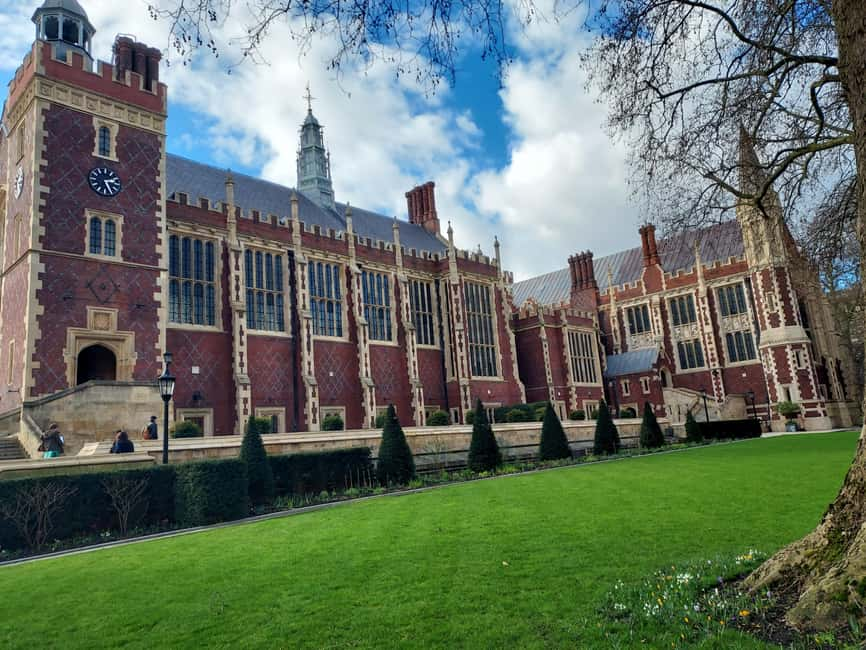
At Middle Temple, you’ll see the gates and get an outside look at Middle Temple Hall (built in 1573). The tour describes it as one of the most perfect examples of an Elizabethan building remaining in central London. That’s the kind of detail that turns a hall from “nice architecture” into “this is where institutions kept their identity.”
The guide also brings in the story of women struggling for acceptance in the legal profession, including Helena Normanton and the part of the tradition tied to eating 70 dinners at Middle Temple to qualify. Even if you already know law has gatekeeping problems, hearing how the Inns used rituals as barriers makes it hit harder.
At Inner Temple, you’ll get a look at Inner Temple Hall and Gardens. One of the tour’s fun connections is literature: Shakespeare’s Henry VI Part 1 is used to link the gardens to the War of the Roses idea, with red and white roses linked to the story’s origin.
A small drawback: most of these Inns are seen from the outside (or through gates/exterior areas). That can be ideal if your goal is history and context—but if you’re hoping for door-to-door interior access at every stop, you’ll want to treat this as architecture + story first, sightseeing second.
A quick pause on Fleet Street’s legal orbit
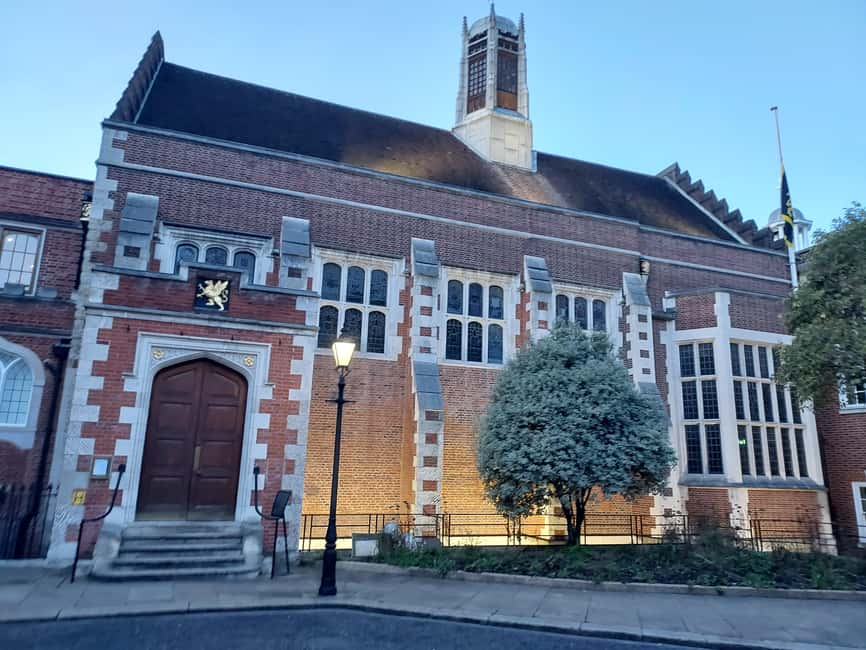
There’s a walk section through Fleet Street between major visits. This is brief, but it helps you connect the dots: the legal world wasn’t tucked away in one sealed bubble. London’s legal center interacted with journalism, publishing, and public life nearby.
This walking segment also keeps your energy in check. After Temple and the Inns compounds, you need a transition, and Fleet Street does that—without adding a whole extra attraction.
Royal Courts of Justice: Queen Victoria’s Gothic Revival—and court life now
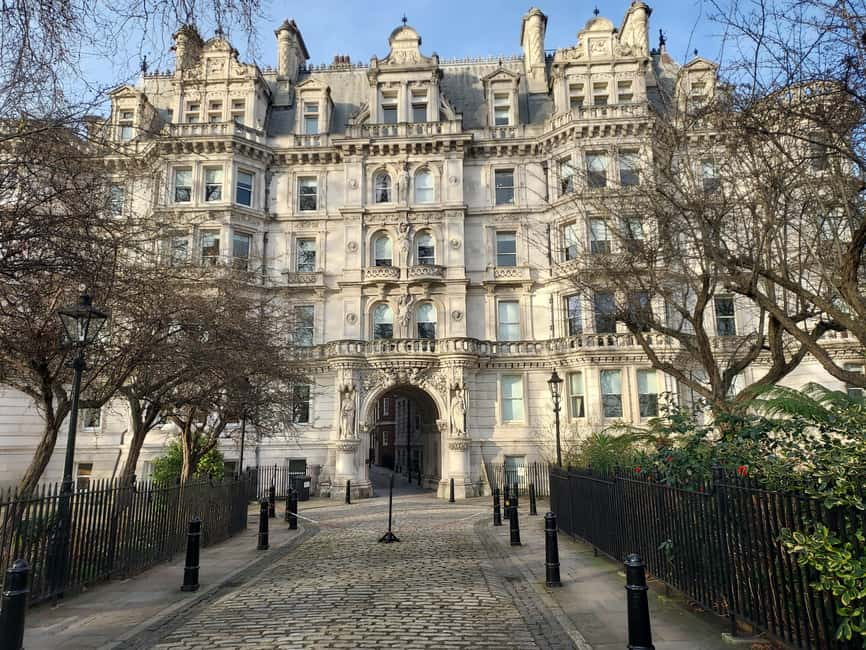
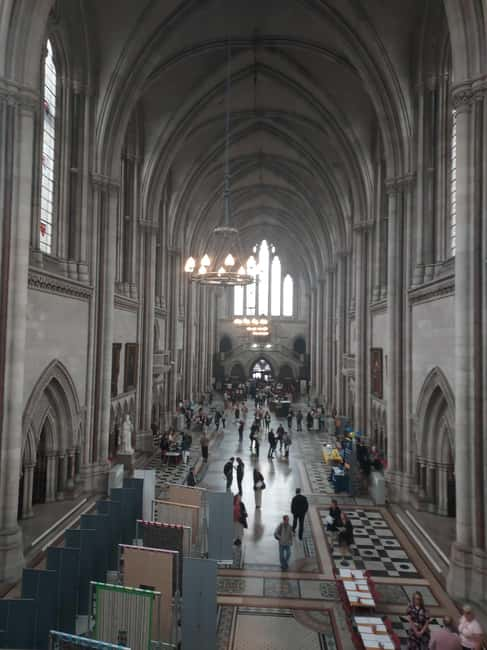
Then you reach the headline: the Royal Courts of Justice. This building opened in 1882, and the tour notes it was opened by Queen Victoria. It was designed to house 19 courts, and today there are around 100.
I like this stop because it’s where the story turns modern. The Inns explain how lawyers were trained and how tradition worked. The Royal Courts of Justice shows how law became big, public-facing, and built for scale. It’s one of those London landmarks that looks dramatic even before you understand what it does.
Inside, you’ll see the courts in action. That matters more than people expect. Even if you don’t follow every legal detail, watching how hearings work gives you a sense of the system’s rhythm—serious, formal, and very practiced.
One practical note: this is a working court environment. You’ll want to keep your pace steady and your expectations realistic for what you can observe. The goal is context and atmosphere, not a guided peek at restricted areas.
Lincoln’s Inn and Gray’s Inn: prime ministers, Dickens, and bomb repairs
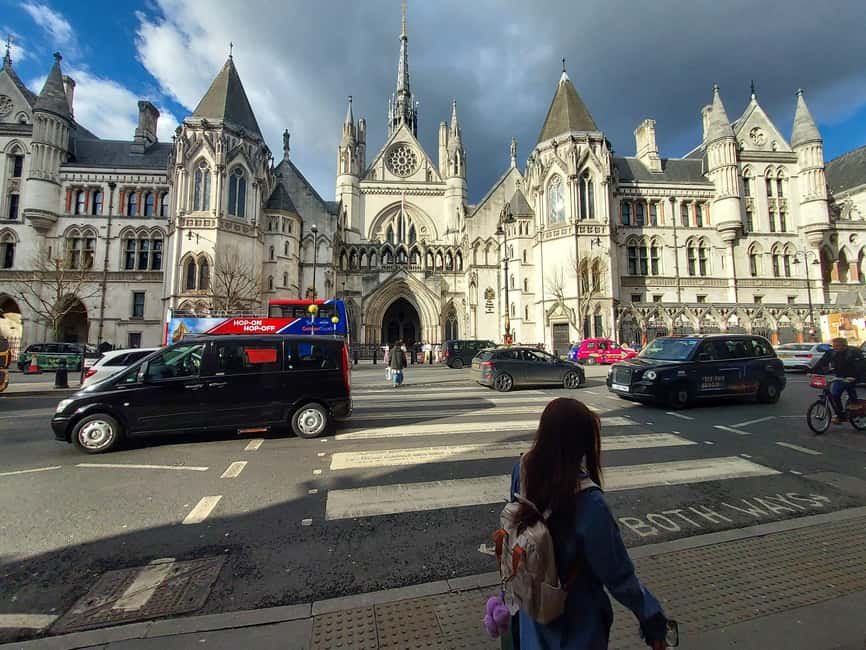
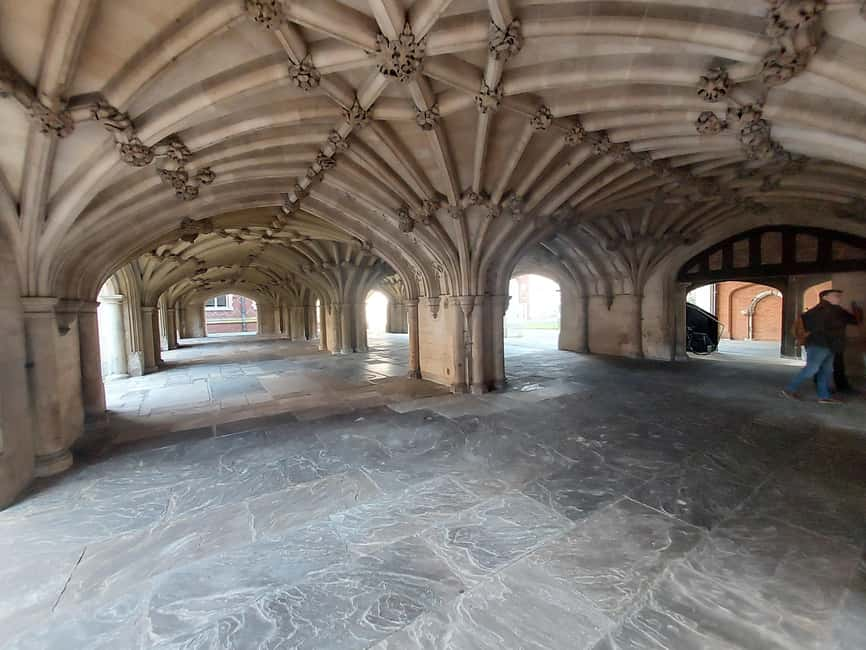
Next up is Lincoln’s Inn, where you’ll see the Old Hall and Chapel from the outside. The tour connects Lincoln’s Inn to major political leadership: it produced 15 prime ministers, including names like Tony Blair, Margaret Thatcher, Gladstone, and Disraeli.
It’s also where literature and law cross. The tour notes the Old Hall was used as a Court by the Lord Chancellor and links it to Charles Dickens’ Bleak House. Dickens worked the legal world into his storytelling, and you can see why these places would inspire him.
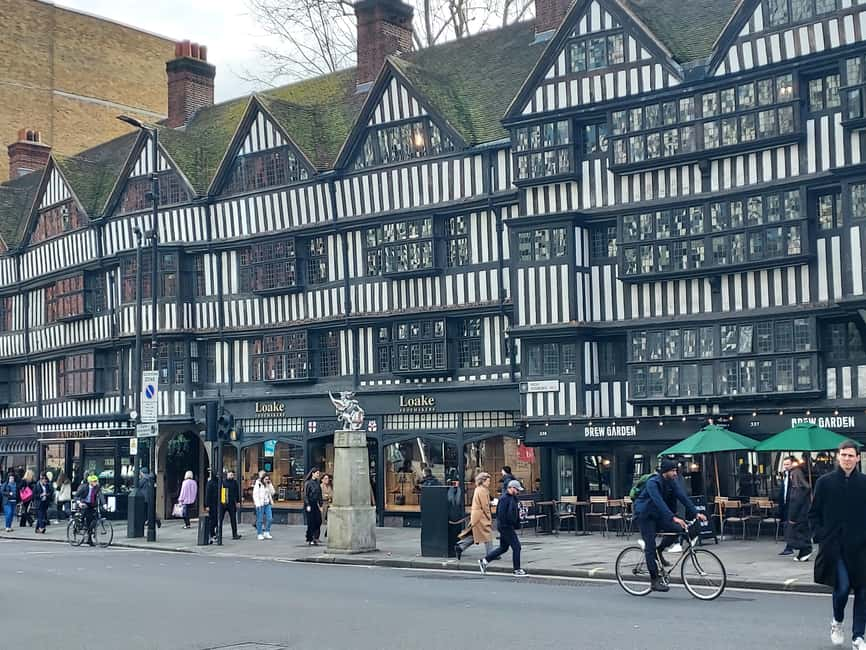
The tour also points out one of the buildings as being described as the best example of a Tudor timber framed building in London by a leading architectural historian. I love when a guide gives you that kind of specific “here’s why this matters” framing—it’s not just pretty. It’s rare.
Then you move to Gray’s Inn, another key Inn stop. Here the story leans into restoration and scandal. The American Bar Association is credited with helping restore the ancient hall (built in 1558) after bomb damage. That’s a reminder that legal institutions survive wars, not just time.
The guide also raises a controversial figure—Gray’s Inn’s most famous former member as Lord Chancellor was convicted of 23 cases of corruption, and there’s still a statue in the Inn’s central square. If you like history that refuses to be polished, this part lands.
And yes, Charles Dickens worked here as an office boy. It’s the kind of connection that makes you look at the walls differently, as if the past might still be hiding around the next corridor.
Who this tour suits best (and who should consider something else)
This is a great pick if you want a London walk that mixes architecture, history, and the “how did society really work?” side of the city.
It fits especially well if you:
- are interested in common law and how legal systems spread
- enjoy stories about power, institutions, and training
- like walking tours where the guide can answer questions and keep things understandable
It’s less ideal if:
- you need step-free or mobility-friendly routes (this tour isn’t suitable for people with mobility impairments)
- you want frequent long indoor stops to escape the weather
- you’re traveling with children, since it’s listed as not suitable for children under 14 and also not suitable for children under 16
Price and value: what $33 buys you in real terms
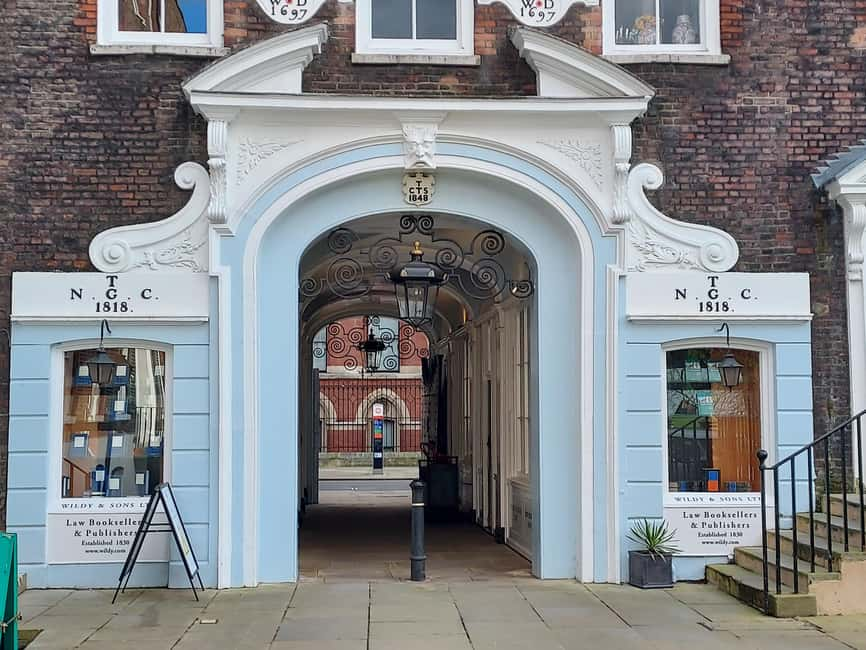
At $33 per person for about 3 hours, the value is strong for a few reasons.
First, it’s not just “see famous building from outside.” You get inside access to the Royal Courts of Justice and the chance to see courts in action. Second, the small group limit (up to 8) makes the guide more accessible, which matters on a tour where details—like qualification traditions and historical connections—can easily get lost in a larger crowd.
Third, you’re paying for interpretation. Law buildings are easy to walk past without understanding what they represent. Here, the guide stitches the sites into a single story: common law’s global influence, the Inns as training engines, and the Royal Courts as the public stage.
If you like to spend carefully, this is one of those tours where your ticket fee feels like it covers the guide’s effort, not just entry points.
Should you book Legal London: The Royal Courts of Justice and Inns of Court?
Yes, if you like London in a slightly unusual way—the kind where the city’s rules and rituals become the main attraction. You’ll come away seeing the Temple area as more than landmarks: it’s an active timeline of how law trained people and how those people shaped politics and culture far beyond Britain.
Book it if you’re a curious generalist who wants context, and also if you want a legal-history angle without needing a background. If you hate walking, need accessibility accommodations, or want mostly interior time at every stop, you’ll probably be happier with a different format.
FAQ
FAQ
Where does the tour start?
The tour meets outside Temple Bar Cafe next to the entrance/exit to Temple Station.
Where does it end?
It ends at Chancery Lane Underground Station.
How long is the tour?
The duration is listed as 3 hours.
How big is the group?
It’s a small group limited to 8 participants.
What is included on the tour?
You’ll have a guided walking tour, outside visits to several Inns (including Middle Temple gates and halls externally), a visit to Temple Church (outside during the morning tour), and an inside visit to the Royal Courts of Justice where you can see courts in action.
Is Temple Church included inside?
Temple Church is an outside visit on the morning tour, with an option to visit inside later for a fee of £5.
What should I bring?
Wear comfortable shoes and dress for the weather, since it’s a lot of outdoor walking.
Is the tour suitable for children or mobility needs?
The tour is listed as not suitable for children under 14 and also not suitable for children under 16. It is also listed as not suitable for people with mobility impairments.
More Tour Reviews in London
- From London: Harry Potter Warner Bros Studio Tour
★ 4.7 · 26,588 reviews - London: Westminster to Greenwich River Thames Cruise
★ 4.5 · 22,836 reviews - Magical London: Harry Potter Guided Walking Tour
★ 4.7 · 22,044 reviews - London: Madame Tussauds London
★ 4.6 · 20,915 reviews - London: Warner Bros. Studio Harry Potter Tour & Branded Bus
★ 4.7 · 19,194 reviews




