
Reviewed · TICKETS
Handel Hendrix House Ticket
Two composers, one townhouse, nonstop music stories. In Mayfair, the Handel Hendrix House pairs George Handel’s lived-in Baroque world with Jimi Hendrix’s London home, so you’re not just reading about music history—you’re walking through it room by room.
What I love most is the atmosphere built into the place itself. You climb a 250-year-old Grade I listed staircase (expect it to feel delightfully wonky) and step into the rooms where Handel composed, rehearsed, performed, and rubbed shoulders with the big musical names of his day.
My second favorite part is the Hendrix side, because it focuses on the small, human details. The recreated flat at 23 Brook Street includes Hendrix’s record collection, plus amps and pedals that help explain how he built that sound. One caution: the venue is small, and the Hendrix rooms include fewer original artifacts than you might hope (so it works best if you like interpretation and storytelling, not only untouched memorabilia).
In This Review
- Key highlights at a glance
- Entering Mayfair’s Handel Hendrix House: easy to find, quick to settle in
- Climbing the 250-year-old stairway: Handel’s rooms and the windows of Messiah
- Hear the Baroque: antique harpsichord practice as you tour
- Second floor Handel: the dressing room and bedroom where he died
- Third floor time shift: Hendrix’s 1969 London in a carefully recreated flat
- Records, Kathy’s anecdotes, and why the museum pays attention to taste
- Amps, pedals, and Hendrix’s acoustic guitar: gear geeks will grin
- What you’ll actually do in your visit: a realistic flow
- Small group pace and volunteers: how the experience feels in practice
- Ticket value at about $19: good for music fans, not a massive collection
- Live music possibilities: when the schedule can add extra enjoyment
- Practicalities: stairs, luggage limits, and how to show up smart
- Should you book? The best fit for Handel Hendrix House
- FAQ
- How long should I plan for the Handel Hendrix House visit?
- What does the ticket cost?
- Where is the meeting point and what’s the nearest Tube station?
- Is the museum wheelchair accessible?
- Is luggage or large bags allowed?
- Is live music included in the ticket?
Key highlights at a glance
- Handel and Hendrix side by side in the same Mayfair building, across wildly different eras
- Messiah connections in the exact rooms linked to Handel’s rehearsals and performances
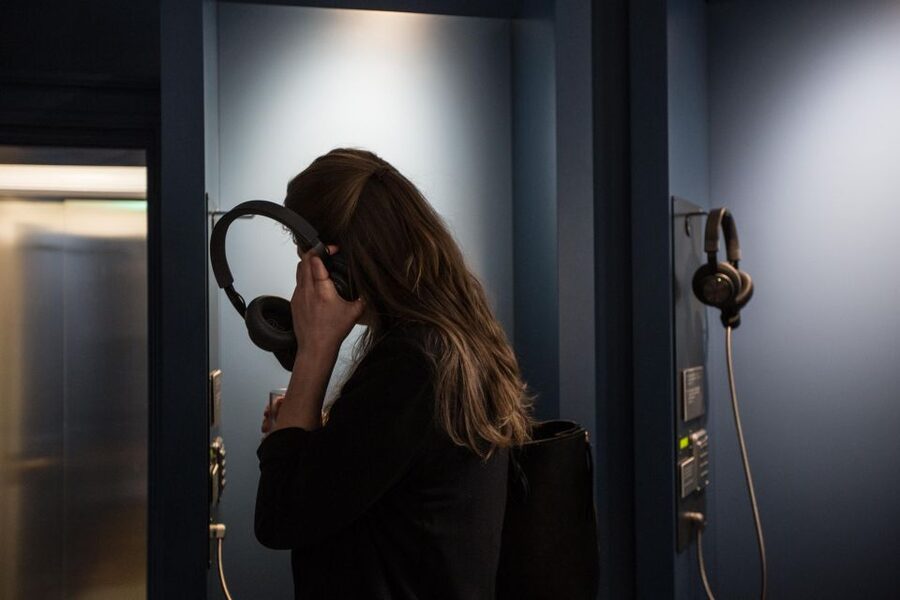
- Antique harpsichord sound with musicians sometimes practicing during your visit
- Kathy Etchingham’s influence showing up in Hendrix-related anecdotes and details
- Real “how the sound works” displays, including amps, pedals, and Hendrix’s acoustic guitar
- Small group size (up to 9), which keeps questions possible and the pace calm
Still deciding? A handful more London outings we rated
- London: Tower Bridge Entry Ticket
★ 4.7 · 15,560 reviews - London: St Paul’s Cathedral Entry Ticket
★ 4.7 · 9,813 reviews - London: London Eye and Madame Tussauds Combo Ticket
★ 4.7 · 7,428 reviews - Buckingham Palace: The State Rooms Entrance Ticket
★ 4.6 · 7,395 reviews
Entering Mayfair’s Handel Hendrix House: easy to find, quick to settle in
Handel Hendrix House sits at 25 Brook Street, right in Mayfair. If you’re using the Tube, start at Bond Street Station (Central and Jubilee lines). It’s one of those places that’s easy to reach, then you arrive and realize the real work begins inside—this is a walk-through museum built into an old home.
Plan for a slow, thoughtful hour or two, but if you’re the type who reads everything and listens for sound details, give yourself 2–3 hours. The rooms are packed with interpretation, and the staircase alone can make you pause and look around.
Climbing the 250-year-old stairway: Handel’s rooms and the windows of Messiah
The visit starts in Handel’s world, and it hits you fast. You work your way up the Grade I listed interior stairs, and the building’s age is part of the show. It feels less like walking through a hotel hallway and more like stepping into rooms that have seen centuries of London life.
Upstairs, you’re in Handel’s rooms where he composed, rehearsed, performed, and conversed with leading musical figures of the Baroque era. This matters because Handel isn’t presented as a distant historical name—this is about his day-to-day musical routine.
The most striking story here involves the windows tied to the writing and performance of Messiah. You’ll see the windows from which Handel allegedly threatened soprano Cuzzoni when she refused to sing one of his arias. Whether you treat it as exact history or theatrical museum storytelling, it’s a vivid reminder that high art still had attitude—and deadlines.
Hear the Baroque: antique harpsichord practice as you tour
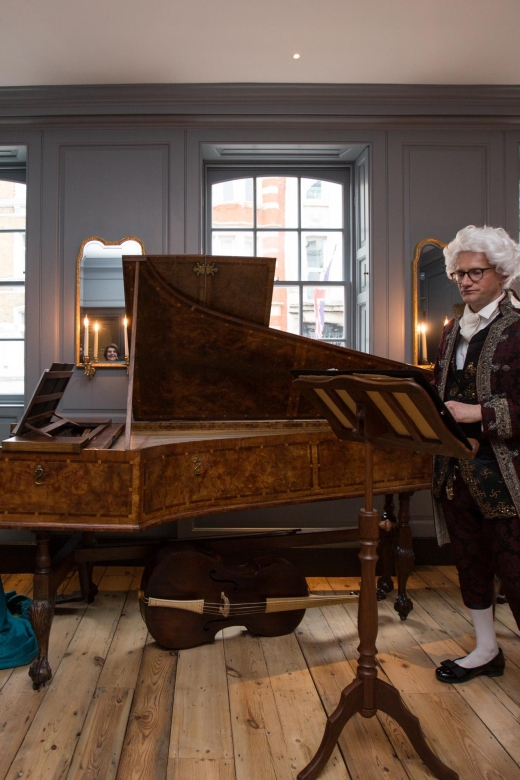
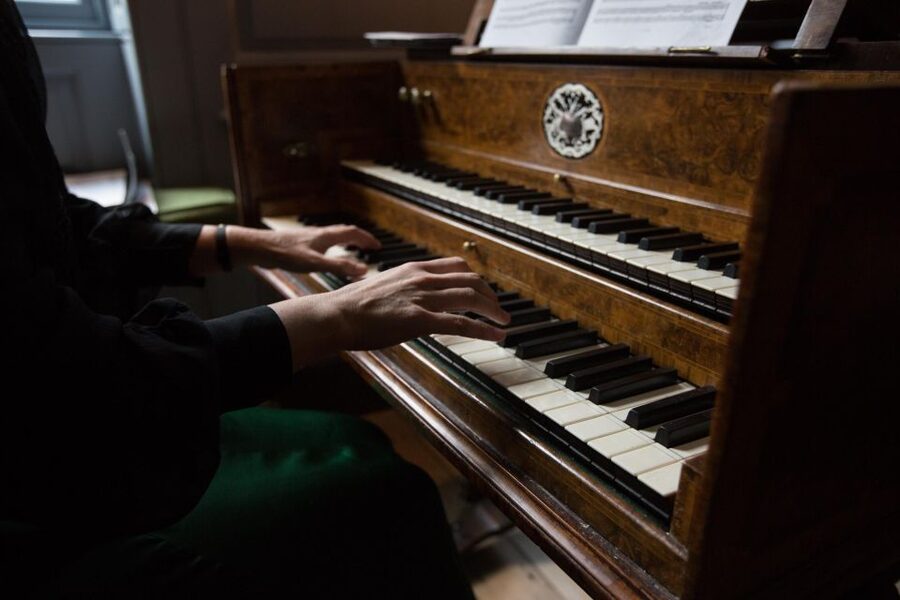
One of the best “soundtrack” moments can happen while you’re walking. Throughout the day, you might catch musicians practicing on the antique harpsichord, and it changes the feel of every room you pass.
It’s not background music you ignore. It’s the kind of sound that makes you slow down and pay attention to spacing, echoes, and how instruments belong in rooms like these. Even if you only hear a short session, it’s a memorable way to connect the theory of Baroque music to the physical reality of a historic house.


Second floor Handel: the dressing room and bedroom where he died
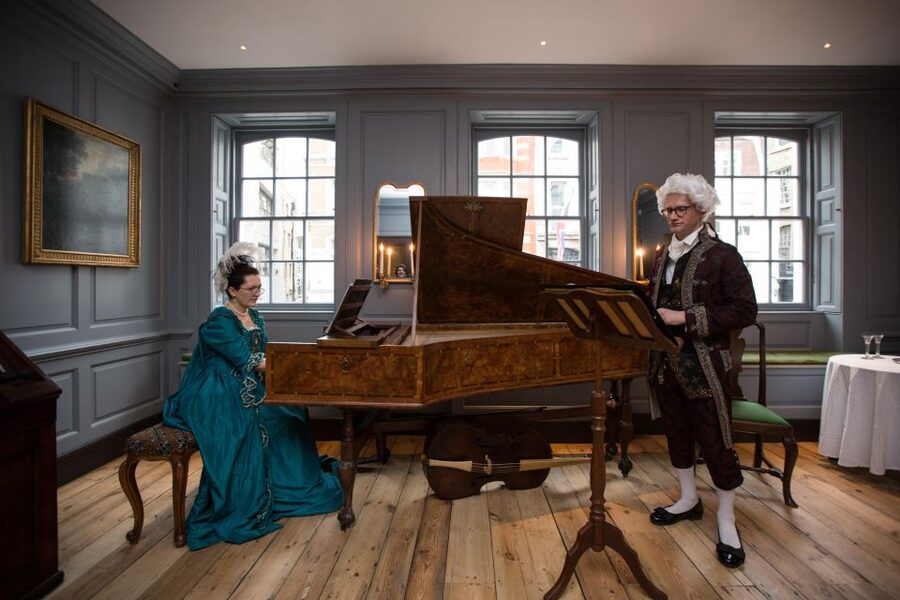
Moving higher, the second floor brings you into more personal, intimate spaces. You’ll spend time in Handel’s dressing room and the bedroom where he eventually died of old age.
The museum frames his final chapter in terms of long service: Handel spent 35 happy years at the heart of English court life and music. That detail helps the rooms make emotional sense. These aren’t just “great composer spaces”—they’re where a working musician lived late in life.
Third floor time shift: Hendrix’s 1969 London in a carefully recreated flat

Then you flip eras. On the third floor, you’re transported into 60s London, at the height of the city’s swinging energy—and its role in making Hendrix famous.
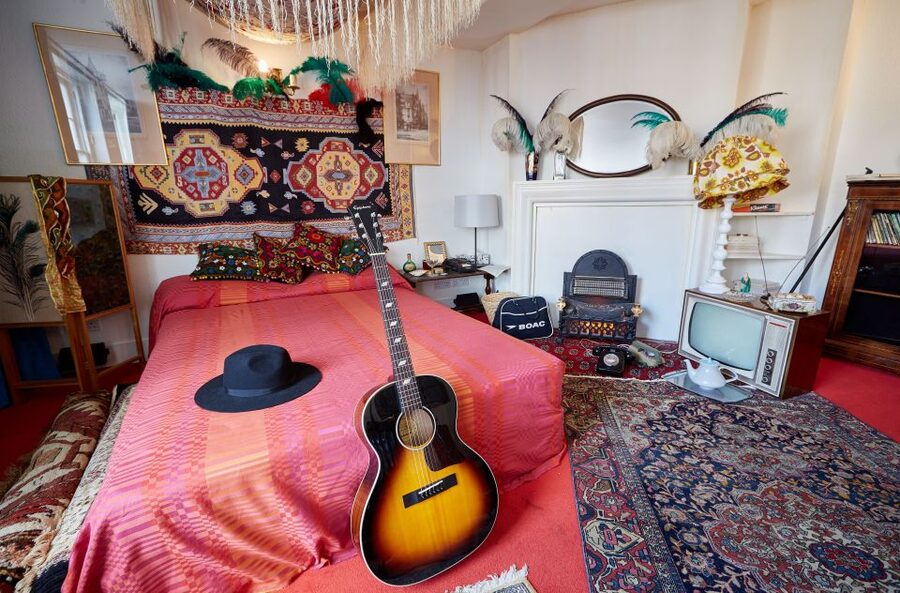
The museum recreates Hendrix’s flat with close attention to how people actually live. The big anchor is 23 Brook Street, where Hendrix lived with his girlfriend Kathy Etchingham. The emphasis is on how he described the flat as the first place he truly called home.
This section works especially well for music fans who know the headline story (fame, then tragedy) but want the “in-between” life: the everyday space where listening happened, where gear sat within reach, where a musician’s tastes took shape.
You’ll also see the room made famous in film footage and photographs, showing how Hendrix lived and played there in 1969—before his death a year later at age 27.
Records, Kathy’s anecdotes, and why the museum pays attention to taste
What I appreciated most on the Hendrix side is that it doesn’t only show objects—it connects them to personal choices. You can browse Jimi’s record collection, with interpretation that points to what he enjoyed from different albums and what it meant to his musical world.
It also includes anecdotes connected to Kathy Etchingham, which gives the Hendrix portion a human layer. Instead of treating him like a myth behind glass, the museum makes room for the people around him and the small realities of living with someone.
Amps, pedals, and Hendrix’s acoustic guitar: gear geeks will grin
If you like the mechanics of sound, this is your moment. The museum explains amps and pedals Hendrix used to recreate his unique tone and approach.
Seeing the gear presented in context is the difference between a display that looks cool and one that teaches you something. You start understanding how he shaped character through effects, not just through notes.
You’ll also have a chance to admire Hendrix’s acoustic guitar, which adds another angle to his image. It’s a reminder that the iconic look of electric Hendrix still came from hands that played in many ways.
What you’ll actually do in your visit: a realistic flow
Here’s a practical way to think about your time once you’re inside:
1) You start with Handel’s rooms, moving upstairs and absorbing the Messiah connections and window story.
2) You keep an eye out for harpsichord practice, which can add a live layer to the museum pace.
3) You shift to Hendrix’s recreated flat, where the focus becomes everyday life in late-60s London.
4) You finish with the “why it sounded like that” section: records, anecdotes, amps, pedals, and guitar.
Most people do this comfortably in 1–2 hours, but the “music detail” crowd should plan closer to 2–3 hours. The house may feel intimate, yet the storytelling makes it worth lingering.
Small group pace and volunteers: how the experience feels in practice
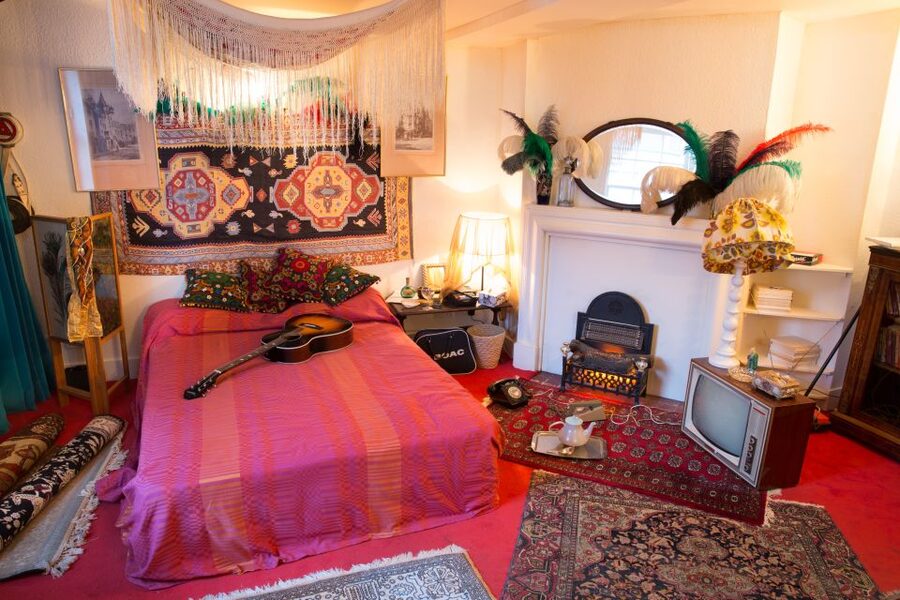
This is a small-group visit, limited to 9 participants. That size matters. You’re not being herded through. Instead, you can ask questions and actually hear the answers while you’re still standing near the object or room being discussed.
The museum staff and volunteers provide a lot of the day-to-day context. I like that the atmosphere stays friendly—if something isn’t clear, you can ask, and you’re likely to get more detail rather than a quick shrug.
Ticket value at about $19: good for music fans, not a massive collection
The ticket price is about $19 per person, and it includes museum entrance fees. That’s key for value. You’re not paying extra just to see the core rooms, which are the whole point of this experience.
Where value can depend on your expectations: this isn’t a giant warehouse of original Hendrix artifacts. It’s a focused interpretation that leans on restoration and recreated spaces, plus sound and gear context. If you mainly want huge amounts of untouched original memorabilia, you might wish for more. If you enjoy historical storytelling, sound atmosphere, and “how it all worked,” you’ll likely feel you got your money’s worth.
Live music possibilities: when the schedule can add extra enjoyment
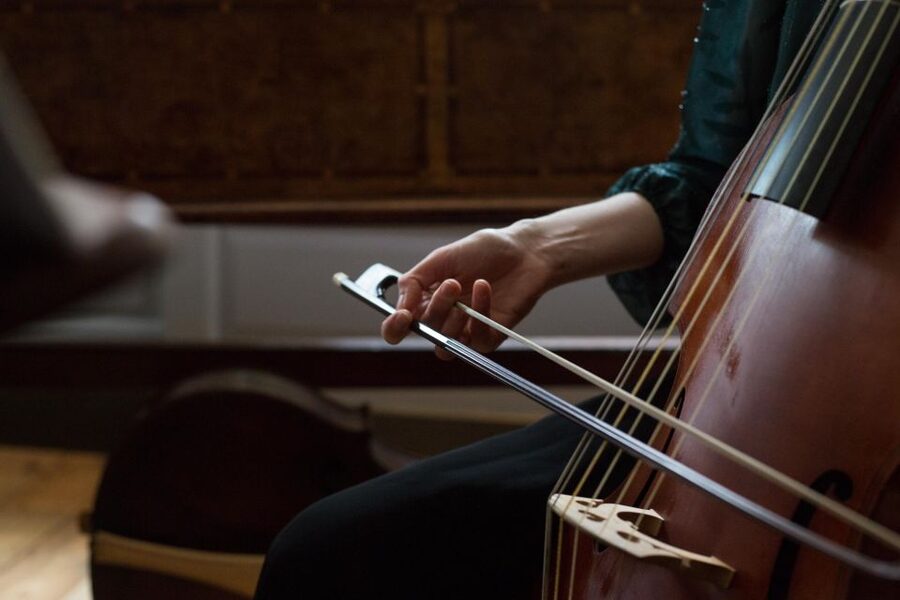
Some visits may include extra music moments. You might hear a live concert (for example, a cello performance) or catch live rehearsal/practice at times, including harpsichord music.
One important note: entry to events is not included. So if you see a special event listed for your day, plan on paying separately if required. Still, even when live music isn’t the main event, the musical themes inside the house keep the experience moving.
Practicalities: stairs, luggage limits, and how to show up smart
The building is wheelchair accessible, which is great news. At the same time, the house includes famous uneven stairs, so it’s worth being ready for a route that may be different from what fit visitors take naturally. If you need a specific path for mobility, ask staff so you don’t waste time figuring it out on your own.
Also: no luggage or large bags are allowed. London museums often have small storage options or none at all in certain areas, so travel light.
If you’re planning the rest of your day in Mayfair, this is a good “anchor visit.” It’s easy to reach, and once you’re done, you’re surrounded by other things to do in a neighborhood made for walking.
Should you book? The best fit for Handel Hendrix House
Book it if:
- You’re a music fan who likes explanations, not just big-name posters
- You want two different eras (Baroque and 60s rock) in one compact experience
- You enjoy atmosphere—historic rooms, sound moments, and objects placed with care
- You like small-group visits where you can ask questions
Maybe skip it (or temper expectations) if:
- You want a large, purely original-artefact museum collection
- You’re short on time and prefer museums that are strictly self-guided with lots of room to roam
If you’re on the fence, here’s my simple advice: if Handel and Hendrix both interest you even a little, this ticket is an efficient, memorable way to spend a London hour or two—without losing the plot in a big, busy museum hall.
FAQ
How long should I plan for the Handel Hendrix House visit?
You’ll typically enjoy 1–2 hours exploring the restored rooms. If you like reading and noticing music details, plan for 2–3 hours.
What does the ticket cost?
The ticket is listed at about $19 per person, and it includes museum entrance fees.
Where is the meeting point and what’s the nearest Tube station?
The meeting point is Handel Hendrix House, 25 Brook Street, Mayfair, London, W1K 4HB. The nearest Tube is Bond Street Station (Central and Jubilee lines).
Is the museum wheelchair accessible?
Yes, the experience is marked as wheelchair accessible.
Is luggage or large bags allowed?
No—luggage or large bags are not allowed.
Is live music included in the ticket?
The ticket includes the museum entrance fees, but entry to events is not included. You might find live music on certain days, but event pricing or ticketing may be separate.
More Tickets in London
- London: Tower Bridge Entry Ticket
★ 4.7 · 15,560 reviews - London: St Paul’s Cathedral Entry Ticket
★ 4.7 · 9,813 reviews - London: London Eye and Madame Tussauds Combo Ticket
★ 4.7 · 7,428 reviews - Buckingham Palace: The State Rooms Entrance Ticket
★ 4.6 · 7,395 reviews - Windsor Castle Admission Ticket
★ 4.7 · 7,032 reviews
More Tour Reviews in London
- From London: Harry Potter Warner Bros Studio Tour
★ 4.7 · 26,588 reviews - London: Westminster to Greenwich River Thames Cruise
★ 4.5 · 22,836 reviews - Magical London: Harry Potter Guided Walking Tour
★ 4.7 · 22,044 reviews - London: Madame Tussauds London
★ 4.6 · 20,915 reviews - London: Warner Bros. Studio Harry Potter Tour & Branded Bus
★ 4.7 · 19,194 reviews
Just reviewed around London





Tickets, compared.
 ★ 4.7Tower Bridge Entry TicketFrom $2115,560 reviews
 ★ 4.7St Paul’s Cathedral Entry TicketFrom $369,813 reviews
 ★ 4.7London Eye and Madame Tussauds Combo TicketFrom $667,428 reviews
 ★ 4.6Buckingham Palace: The State Rooms Entrance TicketFrom $447,395 reviews
 ★ 4.7Windsor Castle Admission TicketFrom $437,032 reviews
 ★ 4.5Tower of London and Crown Jewels Exhibition TicketFrom $496,677 reviews
 ★ 4.0Thorpe Park Admission TicketFrom $435,915 reviews
 ★ 4.7Emirates Stadium Entry Ticket and Audio GuideFrom $475,513 reviews