
Reviewed · LONDON
Handel Hendrix House General Admission
Handel and Hendrix on the same London street is a rare combo. This admission gives you self-paced access to George Frideric Handel’s home and, next door, Jimi Hendrix’s late-60s flat—both in the same address cluster on Brook Street. I love that the 250-year-old staircase and restored music rooms make the story feel physical, not museum-flat. One watch-out: you’re climbing stairs (a lot), so plan for slower pacing if you’re not a fan of steep steps.
What really won me over is the way both eras are handled with care. You’ll see Handel’s rooms where he composed and worked, plus the Hendrix side recreated to match his time and vibe. The one drawback to consider is simple: because it’s at your own pace, you may want to spend extra time if you care about music details, otherwise it can feel rushed.
In This Review
- Key Points You’ll Actually Care About
- Brook Street: The Same Block, 200 Years Apart
- Handel’s House at Your Own Pace
- Ascending the 250-Year Staircase Without Feeling Rushed
- Windows, Threats, and Messiah: What Makes the Handel Rooms Click
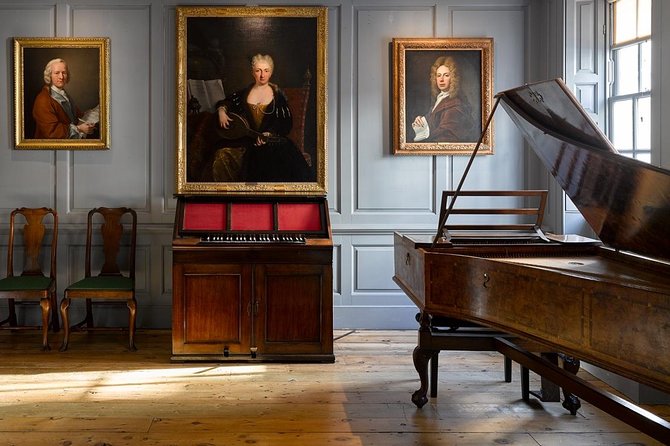
- Harpsichords and Real Music Energy in a Home Setting
- The Dressing Room and Bedroom: Where Handel’s Story Ends
- Jimi’s Flat on the Third Floor: 60s London Feels Close
- Kathy Etchingham’s Input Makes the Hendrix Side Feel Grounded
- Hendrix-Related Displays: Gear Nerds Will Love These
- Staff Help: The Human Part of the Experience
- Timing, Tickets, and When to Arrive
- How to Get the Most Out of 1–2 Hours
- Who Should Book This Admission?
- Quick Practical Notes Before You Go
- Should You Book the Handel Hendrix House General Admission Ticket?
- FAQ
- What’s included with Handel Hendrix House general admission?
- How long should I plan for the visit?
- Where is the museum located?
- What are the opening hours and last admission time?
- Is the ticket mobile?
- Is the experience available in English?
- Are there any rules for children or service animals?
- Is free cancellation available?
Key Points You’ll Actually Care About
- Handel inside, Hendrix next door: two icons, 200 years apart, tied together by location on Brook Street
- Self-guided timing: you choose your pace during the 10am–5pm open hours
- Staircase-heavy visit: plan on navigating multiple levels, including Handel’s historic staircase
- Period-minded Hendrix room: Jimi’s flat is recreated, with input from Kathy Etchingham
- Music-in-the-room moments: you might catch musicians practicing and even a singer warming up
Not sure yet? See how a few of London's most-booked trips stack up:
- From London: Harry Potter Warner Bros Studio Tour
★ 4.7 · 26,588 reviews - London: Westminster to Greenwich River Thames Cruise
★ 4.5 · 22,836 reviews - Magical London: Harry Potter Guided Walking Tour
★ 4.7 · 22,044 reviews - London: Madame Tussauds London
★ 4.6 · 20,915 reviews
Brook Street: The Same Block, 200 Years Apart
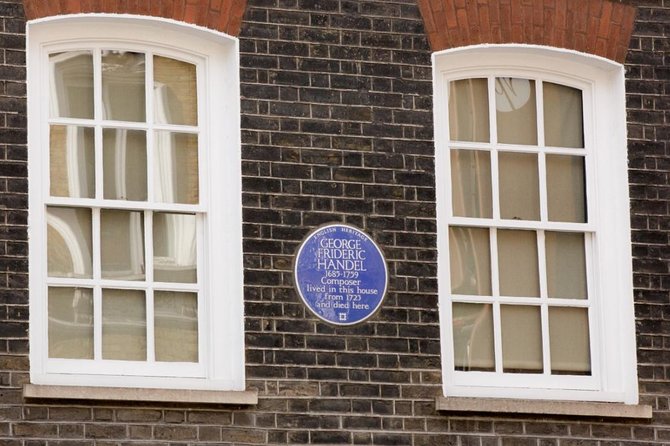
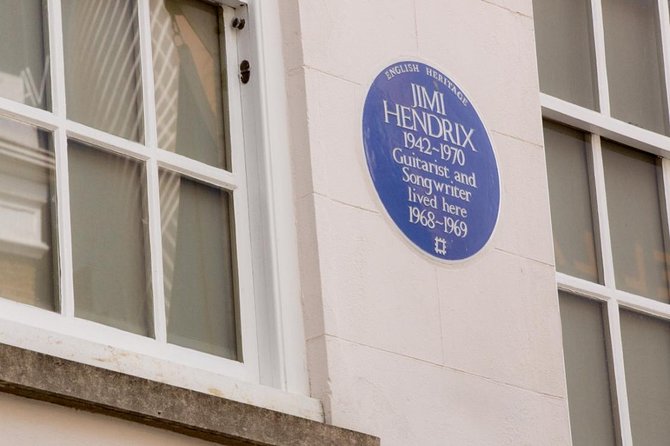
London has a way of stacking time on top of time, and Brook Street is exactly that kind of place. At 25 Brook Street, you get a straight line from the 1700s to the 1960s: Handel’s London home and the later Hendrix flat experience sit side by side.
For me, the value is how the connection is built into the setting. You’re not just reading about famous people—you’re walking in a space where sound and creativity were part of daily life. If you like music history, this is a strong use of your time because it’s one ticket that spans two worlds.
Handel’s House at Your Own Pace
This is a self-paced entry, so you’re free to wander the Handel side when the mood strikes. You’ll arrive at your preferred time during open hours and then explore the rooms in your own order. Expect roughly 1 to 2 hours total if you take your time on both sections.
You’ll start with Handel’s home rooms, including the restored spaces tied to his working life in London from 1723 to 1759. The building is old enough that it feels real in the way only historic homes do—quirks, narrow corners, and details that make it easy to picture someone living and working there.
And yes, there’s a staircase. It’s described as wonky and about 250 years old, which is a fun detail until your legs notice. I’d treat the stairs like part of the attraction: slow down, hold the rail, and give yourself a moment on each landing.
Ascending the 250-Year Staircase Without Feeling Rushed
Handel’s house includes that famous old stair, and it’s one of the easiest ways to understand how different life was then. The rooms aren’t just behind glass; they’re arranged as a lived-in home would be, with movement between levels playing a real role in the experience.
If you’re visiting with someone who walks slower, you can still do this ticket smoothly. Pick a time earlier in the day so you’re not fighting the pressure of the last admission. You’ll also get the most from pausing to read and look closely, instead of racing for the next room.
Practical tip: wear shoes you don’t mind getting a workout. This isn’t a sit-down museum the whole way through.




Windows, Threats, and Messiah: What Makes the Handel Rooms Click
The Handel side is where the museum becomes more than a biography. You’ll see the spaces tied to his creative work and learn how London shaped his career.
One detail I’d flag if you like the dramatic side of art history: you’ll hear about the windows from which Handel reportedly threatened to throw opera stars out when they refused to sing his arias. Even if you take it with a grain of humor, it tells you something important—he wasn’t passive about performance quality. He cared, and he pressed.
The museum also connects Handel’s London writing process to his biggest work, Messiah. In other words, you’re not just learning the title; you’re learning where and how it fit into his working life. That makes the story easier to hold onto after you leave.
Harpsichords and Real Music Energy in a Home Setting
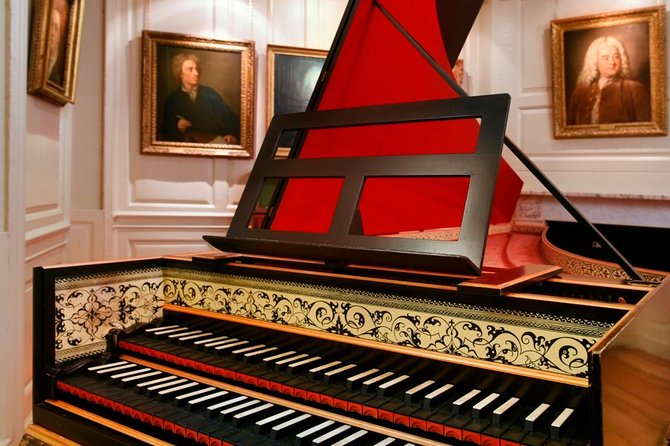
Music history can sometimes feel like it belongs in classrooms. Here, it doesn’t, because the rooms are set up as a home first and a museum second.
There’s an added chance to catch something special: musicians can practice during your visit. You might even hear sounds like harpsichord and strings filtering through the rooms, and on at least some visits, a singer may warm up. I love this because it turns the building into a living instrument rather than a silent exhibit.
Even if nothing is happening in the moment you visit, you’ll still benefit from the layout. Handel’s rooms are built to help you imagine rehearsals, conversation, and the everyday rhythm of making music in London.
The Dressing Room and Bedroom: Where Handel’s Story Ends
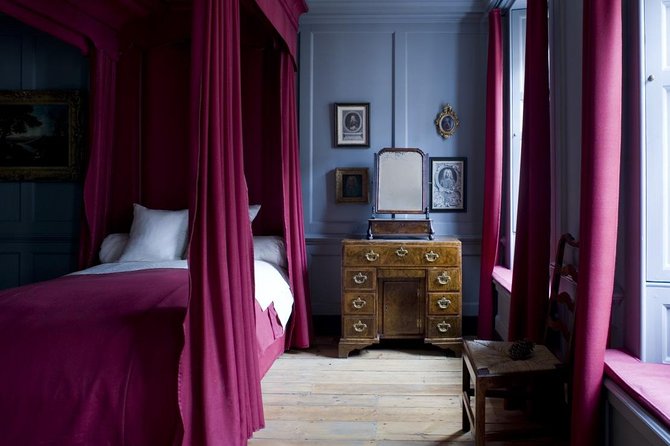
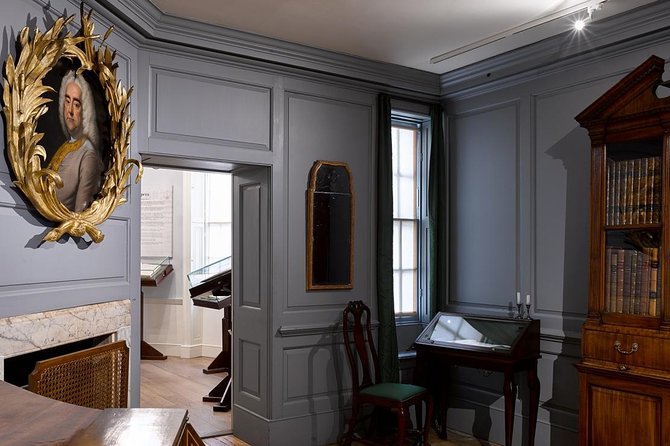
The museum includes the dressing room and bedroom, including the space where Handel died. This part of the visit adds a quieter emotional note, and it helps balance out the more dramatic stories.
You might also see temporary additional exhibitions on Handel’s life and work, plus details about his contemporaries. That matters for repeat value and for people who want more context beyond the core timeline.
If you’re trying to make the most of a limited 1–2 hour visit, I’d spend enough time here to absorb it, then move on to the Hendrix side with a clear mental reset. The emotional tone changes, and it helps the whole visit land better.
Jimi’s Flat on the Third Floor: 60s London Feels Close

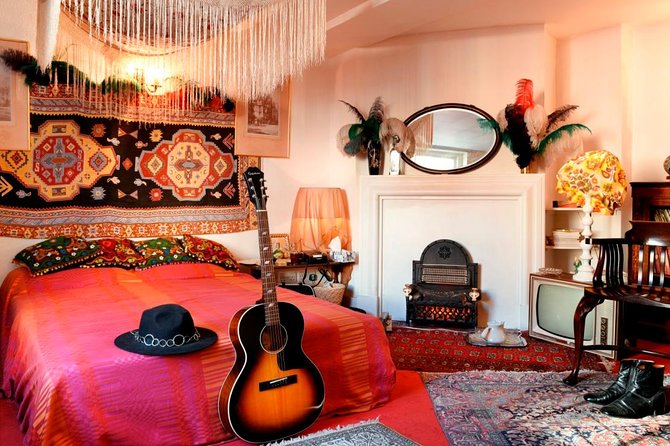
Then you climb to the Hendrix section on the third floor, and the shift is dramatic in the best way. You’re stepping into the late 1960s London vibe, connected to how Jimi described the flat as the first place he truly called home.
The museum ties this directly to the address, including the fact that Hendrix lived there in 1968 to 1969. And while Handel’s world was built around baroque composition, Hendrix’s space reflects a different kind of creativity: playing, shaping sound, and making a home where music lived in the air.
The main room is recreated to match how Jimi had it. You’ll learn how he lived there with his girlfriend Kathy, and you’ll hear that the flat is part of his London story rather than just a display of famous items.
Kathy Etchingham’s Input Makes the Hendrix Side Feel Grounded
One of the strongest details in the Hendrix experience is that the recreated room involved Kathy Etchingham as a consultant. That’s a big deal because it suggests the museum didn’t just guess at aesthetics; it aimed for period accuracy tied to memory and knowledge.
In practical terms, that means the Hendrix side feels like a place he inhabited, not a themed set. If you’re a Jimi fan, that authenticity is what makes the visit satisfying.
And if you’re not a Hendrix superfan, it can still work. The museum uses the setting to explain how London helped shape his rise and why this address mattered to him personally.
Hendrix-Related Displays: Gear Nerds Will Love These
If you care about instruments and sound, the museum delivers beyond simple name-dropping. You’ll find Epiphone acoustic guitar displays and also Roger Mayer’s Octavia.
What makes these moments useful is that you learn why Hendrix used certain effects and what made those sounds possible. That kind of explanation is gold if your brain wants more than nostalgia—it wants mechanics.
Even if you only read a little, these displays help turn Jimi’s reputation into something you can understand as choices about tone and effects, not just legend.
Staff Help: The Human Part of the Experience
In a small museum like this, staff make a noticeable difference. The museum experience is set up so you can wander independently, but when staff are on point, you feel like you’re getting a shortcut through the details.
What I like about this setup is that you’re not forced into a scripted explanation. You can ask questions when you’re curious and then keep moving at your own pace. People with a strong music background may also appreciate conversations that connect performance, composition, and era context.
One example of how this can pay off: you might encounter someone offering extra insight into rooms like Jimi’s bedroom, which adds meaning without taking control away from your visit.
Timing, Tickets, and When to Arrive
This is a mobile ticket experience, and you choose your entry time during open hours. Opening hours are Wednesday to Sunday, 10:00am to 5:00pm, with last admission at 4:00pm.
Because it’s self-paced and you’re moving between levels, I’d plan your arrival with real time pressure in mind. If you arrive late, you’ll feel it—especially with stair navigation and reading time. Starting earlier helps you avoid the sense of rushing at the end.
Also, demand can be real. The average booking lead time is around 18 days, so if you’re traveling during a busy period, booking ahead keeps your options open. The ticket price is $19.98 per person, which is reasonable for a compact, two-figure experience in central London—especially if you’re the type who likes reading and staying longer where the details are.
How to Get the Most Out of 1–2 Hours
You’ll get the best payoff by deciding what kind of music-history person you are before you walk in.
If you love classical music: lean into the Handel side first, and spend extra time in the rooms tied to rehearsal, performance, and composition. Take a moment with the Messiah connection. Then finish with Hendrix so the contrast feels intentional rather than accidental.
If you’re a Hendrix fan: start on the Hendrix third-floor side and give the reconstructed room enough time to sink in. Then come back to Handel with fresh eyes. That switch often makes the Handel details easier to appreciate, because you’re comparing how two very different artists used London.
If you’re into both: you can do it in one smooth loop. Just don’t underestimate how long it takes to read in old buildings. A relaxed 90 minutes becomes 2 hours fast when you’re enjoying the atmosphere.
Who Should Book This Admission?
This ticket is a good match for:
- Music fans who want two eras tied to the same address
- People who enjoy self-guided wandering more than a fast group tour
- Visitors who like instrument or composer context, not just portraits and dates
It may be less ideal if:
- You struggle with stairs and want a fully step-free indoor experience (the visit involves a historic staircase)
- You prefer strictly curated, guided pacing and don’t want to decide what to read when
Quick Practical Notes Before You Go
- Bring comfortable shoes for stairs and older flooring.
- Plan to arrive before the 4pm last admission so you don’t feel cut short.
- The experience is offered in English, so if English is your comfort zone, you’ll have an easier time through the rooms.
- Children need to be accompanied by an adult.
- Service animals are allowed.
Should You Book the Handel Hendrix House General Admission Ticket?
If you’re deciding whether this is worth your time, I’d say yes—with one caveat. The caveat is that you’ll only get maximum value if you actually want to spend time reading and noticing the room details, not just scanning for photos.
For $19.98, you’re getting two real living-history experiences in one visit: Handel’s working home tied to Messiah and the Hendrix flat tied to lived memory, including consultation involvement from Kathy Etchingham. Add the chance of hearing music practice sounds in the rooms, and this becomes more than a stop—it becomes a place where sound feels possible.
If you want something more location-driven than a big museum, and you like the idea of 200 years of music history under one roofline, this ticket is a strong pick.
FAQ
What’s included with Handel Hendrix House general admission?
You get an admission ticket that lets you explore the Handel House at your own pace and visit the next-door Hendrix flat section on the third floor.
How long should I plan for the visit?
Plan for about 1 to 2 hours.
Where is the museum located?
It’s at 25 Brook Street in London.
What are the opening hours and last admission time?
The museum is open Wednesday to Sunday from 10:00am to 5:00pm, with last admission at 4:00pm.
Is the ticket mobile?
Yes, the ticket is mobile.
Is the experience available in English?
Yes, it’s offered in English.
Are there any rules for children or service animals?
Children must be accompanied by an adult, and service animals are allowed.
Is free cancellation available?
Yes. You can cancel up to 24 hours in advance for a full refund.
More Tour Reviews in London
- From London: Harry Potter Warner Bros Studio Tour
★ 4.7 · 26,588 reviews - London: Westminster to Greenwich River Thames Cruise
★ 4.5 · 22,836 reviews - Magical London: Harry Potter Guided Walking Tour
★ 4.7 · 22,044 reviews - London: Madame Tussauds London
★ 4.6 · 20,915 reviews - London: Warner Bros. Studio Harry Potter Tour & Branded Bus
★ 4.7 · 19,194 reviews




