

Reviewed · PRIVATE
Great Artists : Impressionists, Monet & Private Art Studios
Impressionism in London hits different on foot. This private tour turns the city into a living art lesson, linking Monet and other Impressionists to the streets, bridges, and viewpoints they loved. I like how the route is short and focused, and I also like that you get professional artist guidance, not just general sightseeing.
The best part is the way the stories connect places to paintings, so you leave seeing the Thames and central London with new eyes. You’ll likely hear details from guides such as Valery, who can answer extra questions about London along the way. One thing to consider: this is still a walk with several stops in a 3-hour window, so comfortable shoes help if you have any stiffness.
In This Review
- Key points to know before you go
- A 3-hour Impressionist route that actually fits your day
- Meeting at Southbank Centre: the art lesson starts immediately
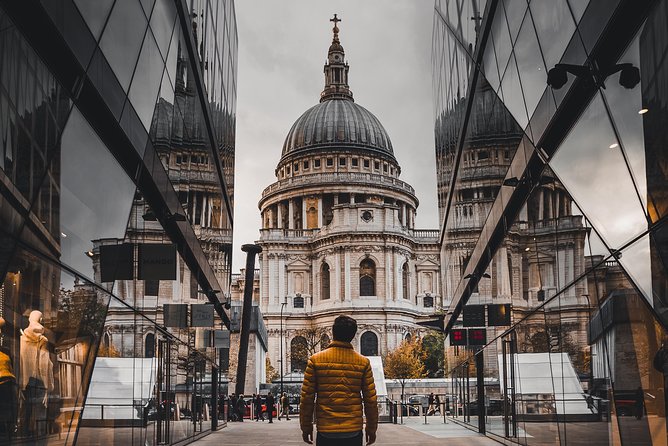
- St Paul’s Cathedral stop: seeing Monet’s world through London’s shell
- Westminster Bridge and the Thames Path: Turner’s fire story and Monet’s river views
- Victoria Embankment: why Impressionists left Paris and found refuge in London
- The Savoy and the Monet Suite question: a short stop with a big payoff
- National Gallery finale: Impressionists who fled the war, plus an Animalier detail
- Price and value: why $929.40 can make sense for the right person
- Who this tour suits best (and who might want a different style)
- Practical tips to make your walk smoother
- Should you book this Impressionists, Monet & Private Art Studios tour?
- FAQ
- Is this a private tour?
- How long is the tour?
- What language is the tour offered in?
- Where do I meet the guide, and where does the tour end?
- Are admission tickets included?
- Can I cancel for a full refund?
Key points to know before you go
- A private, story-led walk that feels more like exploring with a friend than joining a crowd
- Thames Path viewpoints tied to Monet’s London-era subjects and scenes
- Turner’s fire mystery connected to the destruction of the Houses of Parliament
- War-time reasons behind French Impressionists leaving Paris, plus Monet’s London stay
- National Gallery as the finale, with other major Impressionist names like Sisley and Pissarro
- Some admission costs are included, some are not, so you’ll want to plan for that mix
Still deciding? A handful more London outings we rated
- Harry Potter Studios & Private Transfer from Central London
★ 4.5 · 6,134 reviews - The Premier Classic London: Private 4-Hour Tour in a Black Cab
★ 5.0 · 2,737 reviews - Stonehenge Inner Circle Private Tour from London with Bath Visit
★ 5.0 · 1,909 reviews - Private Tour: Black Taxi Tour of London
★ 5.0 · 1,153 reviews
A 3-hour Impressionist route that actually fits your day
For a city as big as London, I like tours that don’t sprawl. This one keeps your time tight at about 3 hours while still covering a strong sequence: St Paul’s area, the river at Westminster, then over to the Savoy area and finally the National Gallery. That matters because Impressionist stories often make more sense when you can move from one place to the next without losing momentum.
You’ll meet at Southbank Centre (SE1) and finish at the National Gallery, Trafalgar Square (WC2). It’s also built for real life: it’s in English, uses a mobile ticket, and runs as a private tour, so only your group participates. If you like asking follow-up questions, private format is a big advantage. You can go at your pace instead of trying to catch a guide while everyone shuffles forward.
The tour is designed for moderate physical fitness. That doesn’t mean it’s a hiking mission, but there is walking between stops and time spent outside while you look around. If you’re bringing young kids, or you’re managing mobility issues, I’d treat that moderate level as a sign to plan for slower pacing.
Meeting at Southbank Centre: the art lesson starts immediately
You begin in a spot that’s easy to reach and easy to orient yourself—Southbank Centre on the south side of the river. From there, the guide frames the walk as a set of art footsteps. The message is simple: London didn’t just get visited by painters; it shaped how they looked, what they painted, and what they found interesting.
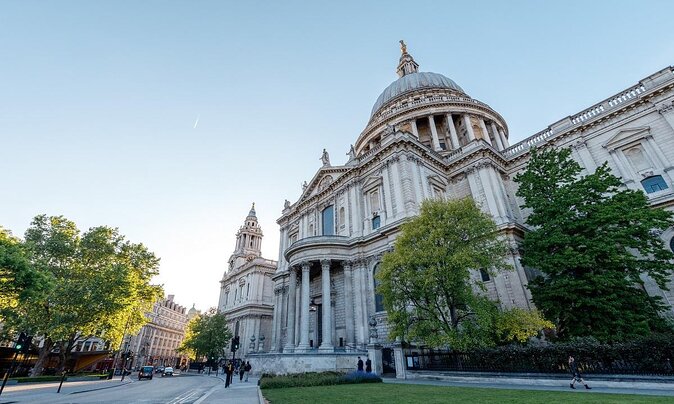
Stop one is St Paul’s Cathedral, with the guide meeting you in front of Southbank Centre and setting you on the path to the cathedral area. Even if you’ve seen St Paul’s before, you’ll likely pause differently here. The guide connects the setting to the broader story of artists moving between styles and countries—especially the cross-channel links that matter for Impressionism. You’re not just admiring a landmark; you’re learning how artists’ lives and artistic interests intersected with London sights.
Admission note at St Paul’s: admission is not included for this stop. So if you want to go inside, plan for that cost separately. If your main goal is the painting stories, you can still get a lot from the outdoor viewing and the guide’s context.
St Paul’s Cathedral stop: seeing Monet’s world through London’s shell
At St Paul’s, the tour sets up a theme that keeps recurring: French artists and art movements weren’t isolated from England. The guide points you toward places that inspired artists, and it’s particularly focused on the French Impressionist line, including Claude Monet, along with Romantic influence tied to J. M. W. Turner.
What I like about this early stage is how it gets you into an art frame fast. If you’ve ever walked past a famous building and forgotten it the next day, this approach is different. You’re given reasons to look: sightlines, the river setting nearby, and the idea that artists responded to modern London as it changed.
Time at this first stop is about 15 minutes, so you don’t feel dragged through a long prelude. Still, it’s long enough to absorb the key story and get your bearings.


Westminster Bridge and the Thames Path: Turner’s fire story and Monet’s river views
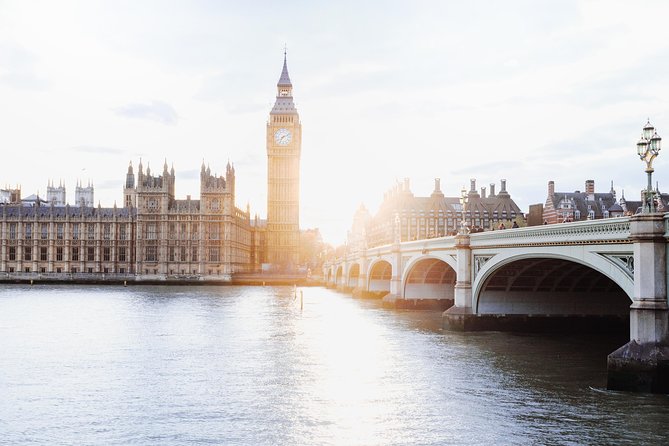
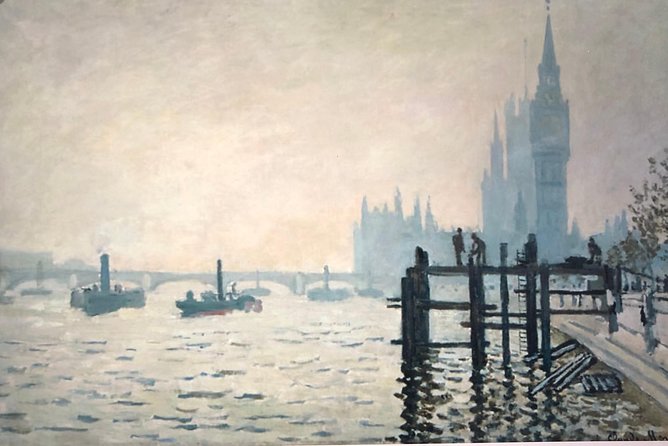
Next, you move to Westminster Bridge, again with a short, purposeful stop. This is where the tour starts feeling like a walk you can remember. The guide escorts you to a spot where you can view the location tied to one of Monet’s important works. Then you retrace steps along the Thames Path, heading toward the St Thomas Hospital viewpoint.
This is a smart way to structure the river segment: it’s not just standing around. You’re moving, and the guide is narrating as the city changes around you. The route is connected to many of Monet’s paintings featuring this stretch of the Thames. Even if you’ve seen Monet in books, you’ll get a stronger sense of scale when you stand near the river and imagine the same view under different light.
Then the guide shifts to Turner, focusing on his paintings of the fire that destroyed the Houses of Parliament. The tour includes the added hook of a mystery that has only recently been solved. That kind of detail is useful because it gives you something to look forward to in your mind, not just a list of facts.
Admission note at Westminster Bridge: an admission ticket is included at this stop. Since the tour structure tells you which stops include admissions, it helps you avoid surprise costs later. Still, do note that admission inclusion is stop-specific, not universal.
Victoria Embankment: why Impressionists left Paris and found refuge in London
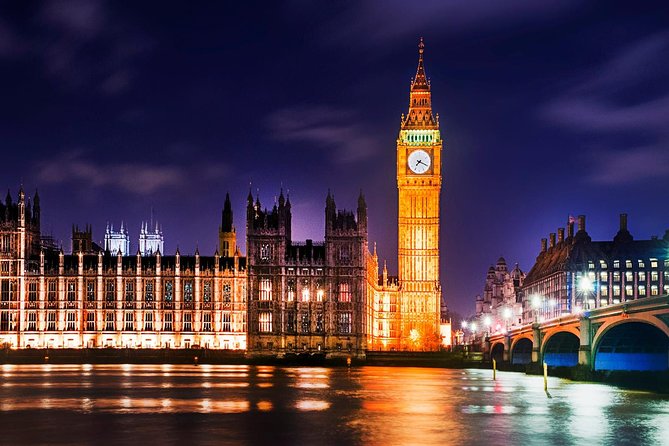
After the Westminster segment, you head toward Victoria Embankment, another about 15-minute stop. This is one of those stops where the art history stops being abstract. You hear why the French Impressionists left Paris and sought refuge during the Franco-Prussian War.
That historical context is more than background. It changes how you interpret the paintings you’ll see later. When artists are displaced, their subjects shift, and so does the mood of the work. London becomes more than a tourist stop; it becomes a place where artists go to work, regroup, and keep painting through hard times.
You also hear the story of Monet’s stay at the Savoy Hotel, which sets up the next stage of the walk. I like that the guide doesn’t jump straight to the National Gallery. It layers context first, so when you arrive at the big museum, the pieces connect to a larger narrative.
Admission note at Victoria Embankment: an admission ticket is included at this stop.
The Savoy and the Monet Suite question: a short stop with a big payoff
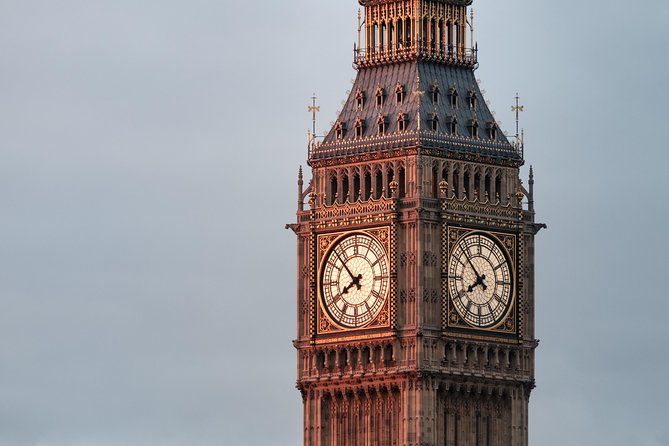
Then you reach The Savoy, another 15-minute stop. This is where the tour plays fair with curiosity. You hear the story about Monet’s stay at the Savoy Hotel and whether he actually resided in what’s often referred to as the Monet Suite.
This kind of question is exactly why a private, guide-led format works. It gives you a reason to care about a detail that might otherwise turn into internet trivia. Even if you don’t know the answer ahead of time, the guide’s explanation makes the uncertainty itself feel meaningful: art history often includes half-legends, changing records, and the fun challenge of sorting fact from repeat stories.
Admission note at The Savoy: this stop is marked as free, so you’re paying only for the tour experience, not another ticket.
National Gallery finale: Impressionists who fled the war, plus an Animalier detail
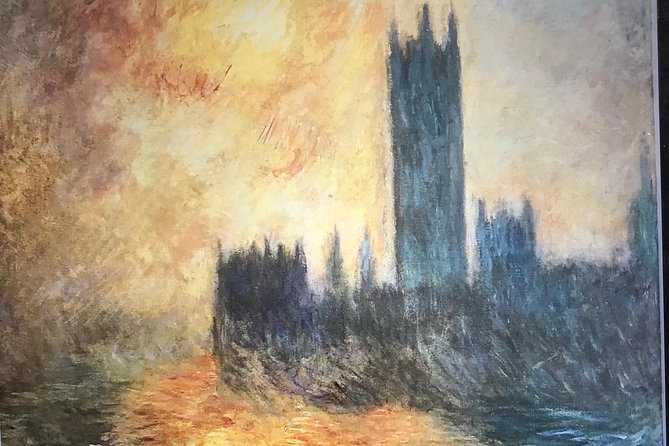
You finish at the National Gallery at Trafalgar Square, with about 1 hour here. This is the natural closing move: museum time gives your brain a place to settle. You can look more closely at the paintings after all that street context.
The tour focuses on Impressionist connections and includes paintings by Sisley and Pissarro, particularly tied to the theme of artists who fled the war. That matters because it’s one thing to know they were in London; it’s another to see their work in a setting that helps you compare styles and subjects.
There’s also a lesser-known angle: the guide points out a lesser-known Animalier who drastically changed London’s cityscape. You don’t need to be an animal-sculpture buff to find this fun. It’s a reminder that London’s look is shaped not just by the big names you already know, but also by specialized artists whose contributions show up every day in public spaces.
At National Gallery, I recommend giving yourself space to linger. The tour gives you about an hour, which is enough to see the featured works and still take breaks if your attention drifts. This is also where you can ask the guide which works link back most strongly to what you saw on the Thames and around Westminster and the Savoy.
Admission note at National Gallery: an admission ticket is included for this stop.
Price and value: why $929.40 can make sense for the right person
At $929.40 per person for a private 3-hour experience, this isn’t a budget-only choice. But it can be good value if you’ll use the guide time efficiently.
Here’s how I’d think about it:
- You’re paying for a professional artist guide plus a route that’s intentionally short and geographically tight.
- You also get specific art-historical storytelling tied to real locations, not generic museum narration.
- Admission handling is partly built in: St Paul’s isn’t included, while Westminster Bridge, Victoria Embankment, and the National Gallery are included, and The Savoy is free.
If you’re traveling with someone who enjoys art but doesn’t want a long all-day museum slog, this format can be a sweet spot. It’s also a strong option if you want answers to questions that pop up while you’re standing in place, like the Turner fire details or the Monet Suite question.
If you’re the type who only wants to see a couple of paintings and doesn’t care about context, you may feel the price more. This tour is best when you want stories, links, and interpretation—not just postcard views.
Who this tour suits best (and who might want a different style)
This tour fits well if you:
- like Impressionist art, especially Monet and the circle around him
- enjoy art history that ties to streets and specific viewpoints
- want a private guide who can answer your questions
- appreciate the “why” behind the scenes, like how the Franco-Prussian War changed artists’ lives and subjects
It may be less ideal if you:
- want a lot of museum time inside galleries (this is heavily location-based, with museum time at the end)
- have limited walking tolerance for short city segments, since you’re moving between stops during the 3-hour window
- expect everything to be fully indoors and fully ticketed (some stops have admissions not included)
Practical tips to make your walk smoother
A few things will make this easier and more rewarding:
- Wear comfortable shoes. The route is short, but it’s still a city walk with several pauses.
- Bring something small for weather changes. London weather can pivot fast, and you’ll be outside more than inside.
- If you’re less into Impressionism, stay anyway. The guide’s Turner story and the war-time context give you entry points that don’t require expert knowledge.
- At National Gallery, don’t try to see everything. Instead, focus on the featured Impressionist threads the guide highlights so the street stories land where they should.
Should you book this Impressionists, Monet & Private Art Studios tour?
I’d book it if you want a focused, guide-led London experience with real art connections—especially if you’re curious how Monet and Impressionists responded to London during a complicated era. The strongest reason to choose it is the way the tour links viewpoints and landmark areas to paintings and to the artists’ lived circumstances, including the Franco-Prussian War backdrop.
I’d skip it if you’re mainly after big museum time or you’re traveling with strict mobility limits. Also, because St Paul’s admission isn’t included, check your expectations if entering the cathedral matters to you.
If your idea of a great tour is “short walk, strong stories, then a focused museum finale,” this one has the right rhythm.
FAQ
Is this a private tour?
Yes. It’s listed as a private tour/activity, and only your group will participate.
How long is the tour?
It runs for about 3 hours.
What language is the tour offered in?
The tour is offered in English.
Where do I meet the guide, and where does the tour end?
You meet at Southbank Centre, London SE1, UK. The tour ends at The National Gallery, Trafalgar Square, London WC2N 5DN, UK.
Are admission tickets included?
Admission is not included for St Paul’s Cathedral. Admission tickets are included at Westminster Bridge and Victoria Embankment, and the National Gallery stop includes admission. The Savoy stop is marked as free.
Can I cancel for a full refund?
Yes. You can cancel for free up to 24 hours in advance of the experience. If you cancel less than 24 hours before, the amount paid is not refunded.
More Private in London
- Harry Potter Studios & Private Transfer from Central London
★ 4.5 · 6,134 reviews - The Premier Classic London: Private 4-Hour Tour in a Black Cab
★ 5.0 · 2,737 reviews - Stonehenge Inner Circle Private Tour from London with Bath Visit
★ 5.0 · 1,909 reviews - Private Tour: Black Taxi Tour of London
★ 5.0 · 1,153 reviews - Private London Arrival Transfer – Airport to Hotel / Accommodation
★ 3.5 · 1,085 reviews
More Tour Reviews in London
- From London: Harry Potter Warner Bros Studio Tour
★ 4.7 · 26,588 reviews - London: Westminster to Greenwich River Thames Cruise
★ 4.5 · 22,836 reviews - Magical London: Harry Potter Guided Walking Tour
★ 4.7 · 22,044 reviews - London: Madame Tussauds London
★ 4.6 · 20,915 reviews - London: Warner Bros. Studio Harry Potter Tour & Branded Bus
★ 4.7 · 19,194 reviews
Just reviewed around London





Private, compared.
 ★ 4.5Harry Potter Studios & Private Transfer from Central LondonFrom $2296,134 reviews
 ★ 5.0The Premier Classic London: Private 4-Hour Tour in a Black CabFrom $5532,737 reviews
 ★ 5.0Stonehenge Inner Circle Private Tour from London with Bath VisitFrom $1881,909 reviews
 ★ 5.0Private Tour: Black Taxi Tour of LondonFrom $3061,153 reviews
 ★ 3.5Private London Arrival Transfer – Airport to Hotel / AccommodationFrom $861,085 reviews
 ★ 5.0British Museum London Guided Tour Semi-Private 8ppl MaxFrom $108984 reviews
 ★ 5.0London Sightseeing Private Black Cab Tour with Hotel Pick UpFrom $441917 reviews
 ★ 4.5VIP Tower of London and Crown Jewels Tour with Private Beefeater Meet & GreetFrom $155849 reviews