
Reviewed · LONDON
English Speaking Course around Dublin
Five days, one small group, lots of talking.
I love how this course keeps you in a max 6-person international group with native speakers ready to help, not just a classroom setup. I also like that your English practice is wrapped into real days out, from a river picnic in Howth to the white cliffs at Seven Sisters. One possible drawback: the course really works best if you’re at least B1 already, and you should expect moderate walking and time outdoors.
Evenings are part of the deal, too. You’re in a private house in a green area just outside London, you eat home-style dinners, and you play games that push you to speak. You’ll also start each day with breakfast at home, then head out for lunch and sightseeing while your guide keeps the momentum going.
Value matters here. For the price, you’re paying for accommodation, transportation, and daily guidance while you practice English constantly in context. If you want a super-flexible, sit-behind-a-desk grammar course, this is probably not your match—but if you want speaking time built into your itinerary, it makes a lot of sense.
In This Review
- Key highlights (the stuff you’ll feel day to day)
- Small-group English practice from a private house outside London
- What your days look like: breakfast at home, lunch out, English at night
- Howth starts the speaking momentum with a river picnic
- Seven Sisters white cliffs and beach-time English practice
- London on foot: Hyde Park, landmarks, hidden streets, and cafes
- Drogheda: university-city atmosphere, river boats, and boat-race energy
- Dublin on the final day: flexible goodbye time and station timing
- Price and value: what $151 really buys for five days
- Who should book this course, and who might want a different format
- Practical tips before you go: pack smart, ask early, and keep it going
- Cancellation and timing: plan your dates around the 5-day flow
- Should you book this English speaking course around Dublin and South England?
- FAQ
- Where does the experience start and end?
- How many people are in the group?
- What English level is recommended?
- What is included in the experience?
- Are tickets delivered digitally?
- What about meals on the days out?
Key highlights (the stuff you’ll feel day to day)
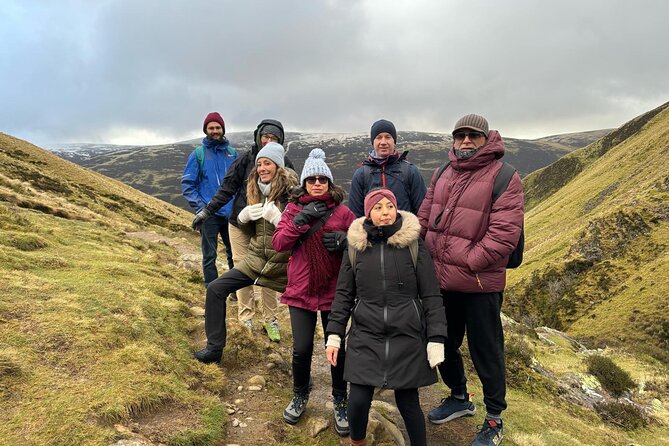
- Max 6 travelers means you actually get chances to talk, not just listen
- Native speakers supporting you daily so questions don’t pile up
- Private house outside London gives you a real “base,” not a hotel shuffle
- Picnics and day trips turn English into something you do, not something you study
- Home-cooked evenings and games help you keep speaking after the sightseeing ends
- South of England + Ireland stops means you see more than one city bubble
Not sure yet? See how a few of London's most-booked trips stack up:
- From London: Harry Potter Warner Bros Studio Tour
★ 4.7 · 26,588 reviews - London: Westminster to Greenwich River Thames Cruise
★ 4.5 · 22,836 reviews - Magical London: Harry Potter Guided Walking Tour
★ 4.7 · 22,044 reviews - London: Madame Tussauds London
★ 4.6 · 20,915 reviews
Small-group English practice from a private house outside London
This course is built around one simple idea: you learn best when you speak, repeatedly, with real people around you. The format is small—no big bus full of strangers. With up to 6 travelers, you’re more likely to get pulled into conversations, share your opinions, and ask for help when you need it.
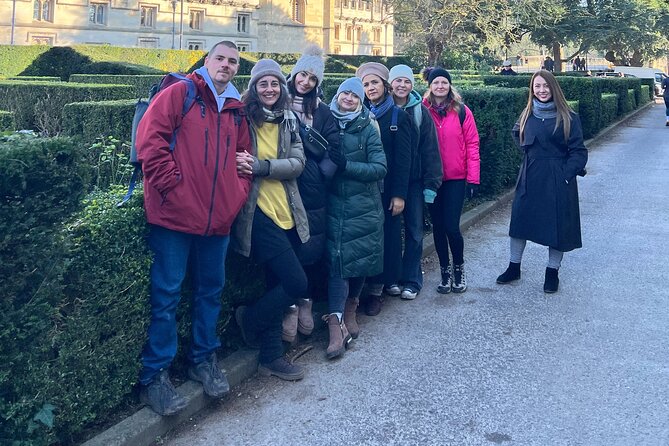
Your “home base” is also a big part of the experience. You stay with teachers in a private house in a green area just outside London. That setup changes the vibe: you’re not only practicing English with strangers during a tour. You’re using it at breakfast, during downtime, and at night when you’re eating together and playing games.
And yes, the course targets practical English. The minimum recommended level is B1. If you’re below that, you might still enjoy the sightseeing, but you could spend too much time waiting for meaning instead of using English to move the day forward.
What your days look like: breakfast at home, lunch out, English at night
A lot of English courses promise conversation. This one schedules it like a daily routine. Each morning starts with breakfast at home, then you head out in an air-conditioned vehicle with your group.
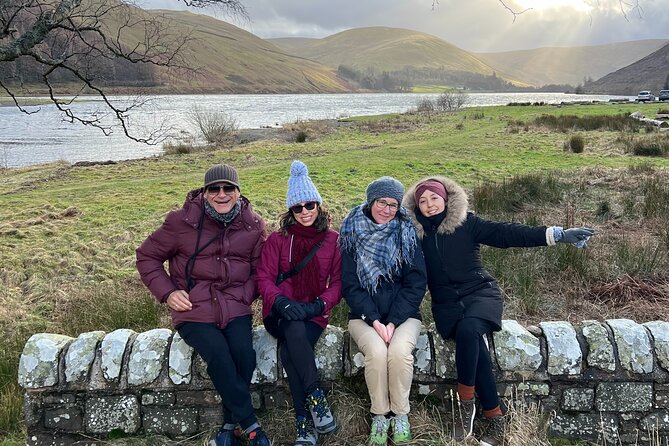
Lunch is treated as an outing, not a chore. The plan is to take lunch out so you get fresh air and views while you eat. That matters because it gives you natural break time to speak—small talk, preferences, questions about what you saw that morning.
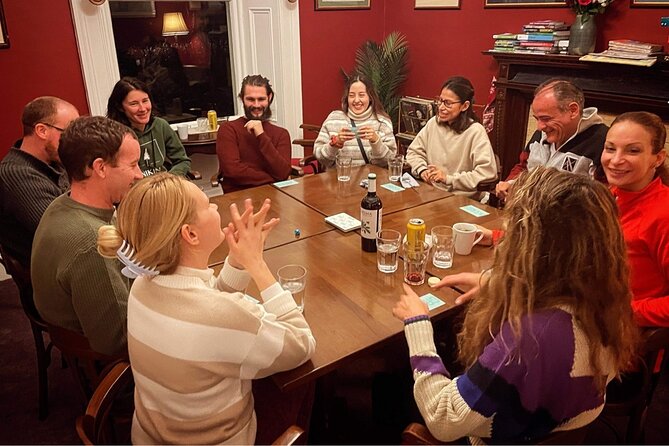
Evenings keep the energy going. You’ll have home-cooked meals, then play fun games. One review described the feeling as English being used continuously, including during evenings and board games. That’s the best kind of immersion: it’s not forced fancy speech; it’s the kind of relaxed practice that makes your speaking confidence grow.
Howth starts the speaking momentum with a river picnic
Howth is a smart first day because it gets you meeting the group quickly and then puts you outside, where language feels easier. You’ll meet your travel mates, get shown around the local town, and then enjoy a picnic by the river. That’s an ideal setup for English practice: you can talk about what you’re seeing, ask casual questions, and get to know people without the pressure of a formal class.
After check-in, there’s a welcome dinner where you discuss what’s ahead. This is the moment that usually makes or breaks these trips. If your group vibes click early, everything else feels smoother. The welcome dinner also gives you a chance to get clarity on expectations—what kind of pace the days will have, what to prepare for outdoor stops, and how to ask for help with English questions.
What to consider: Howth days are only two hours listed for that main portion, so the real experience is how the day flows after you arrive. If you’re the type who gets anxious without a lot of structure, you may want to ask your teachers directly about what the rest of the evening looks like once you’re checked in.



Seven Sisters white cliffs and beach-time English practice
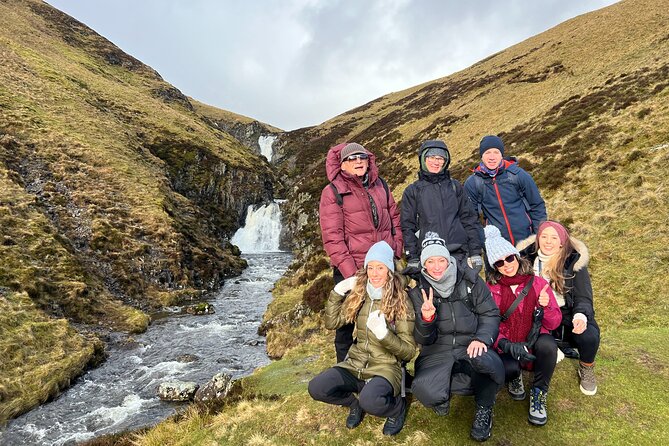
Seven Sisters Country Park is one of those places that helps your English without you even noticing. The plan is a guided walk along the white cliffs with big views. You’ll picnic on the beach, with a chance to swim for the brave ones.
This is a practical choice for an English speaking course. Clifftop walking creates lots of built-in conversation topics: directions, what you notice, and how you feel about the views. A beach picnic is also great for low-stakes talk. You’re not trying to perform. You’re eating, relaxing, and chatting.
There’s also a village stop with time to buy local products. That’s another value booster. When you can hold a small item in your hand—something local you chose—you tend to remember the words you used while discussing it.
What to plan for: expect a moderate walking pace. Also, if swimming is your thing, bring swim gear and something you can change into. If it’s not, you can still participate fully and enjoy the day.
London on foot: Hyde Park, landmarks, hidden streets, and cafes
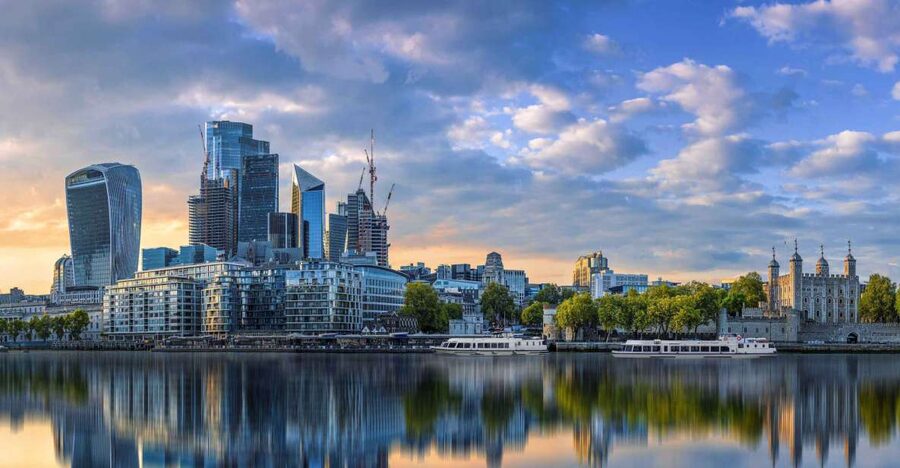
London gets the “classic attractions” treatment, but you also get time for hidden spots. The day starts at Hyde Park, then you move through landmarks, parks, hidden streets, and cafes.
I like this approach for language learners because London offers contrast. You can talk about famous sights, then you can practice describing smaller places you wouldn’t find from a quick checklist. Cafes add a bonus: it’s natural to practice ordering, asking questions, and discussing preferences without it feeling like a test.
The day is listed at about 7 hours. That’s enough time to see a lot, but it’s still realistic if you prepare for walking. You’ll also be with a small group, so it’s easier to keep conversation going rather than getting separated in a crowd.
One consideration: London can be tiring. You’re doing a lot of sightseeing in a single day. If you’re prone to overpacking your schedule at home, keep your energy in check here. Simple strategy: pace yourself early, and don’t save all your questions until you’re exhausted.
Drogheda: university-city atmosphere, river boats, and boat-race energy
Drogheda is where the itinerary shifts from city sightseeing to a more local, lived-in feel. The stop is described as a tour of a university city, with emphasis on architecture and parks and the sense of “magical” atmosphere the itinerary points to. You’ll also see people living on boats on the river, plus boat races.
This kind of stop is great for English practice because it’s visual. When you can see boats and river life right in front of you, it’s easier to describe what you’re noticing and talk about differences between places you’ve lived.
It’s also a nice change of pace from big-city landmarks. You’re not just taking photos. You’re watching activity—river scenes and people competing in boat races. That creates conversation prompts that don’t require perfect grammar.
Watch the timing here: the day portion is listed at about 3 hours. That’s short enough that you’ll probably want to ask your guide for recommendations that fit your interests—architecture, river life, or just getting your bearings.
Dublin on the final day: flexible goodbye time and station timing
Your final day centers on Dublin, built around saying goodbye and getting you to your flight. The plan is to take you to the station just in time. It also lists flexible leaving time, so you can have lunch and go for walks on the last day.
This structure is helpful because it avoids the most stressful kind of end-of-trip rush. Instead of a strict “tour ends, now run,” you get some breathing room for one last conversation with new friends and one last walk through the city.
One thing to keep in mind: because departure is timed for flights, you’ll want to be ready when the day’s schedule turns. Keep your essentials easy to grab—passport, charger, and any day bag stuff—so you’re not hunting around at the worst possible moment.
Price and value: what $151 really buys for five days
$151 for about 5 days sounds low—so you should look closely at what’s included. What you’re getting is not only guided outings. You’re getting accommodation at a private house with the teachers, private transportation by vehicle, plus daily breakfast and home-style dinners (the meals are listed in the inclusions section and also described as part of the routine in the course overview).
You’re also getting a small international group and native speakers supporting you. In many “English courses,” the price covers classes only. Here, the day structure is what you’re paying for: the travel time, the plan for each stop, and the constant practice opportunities.
The “mobile ticket” detail is also a small but real convenience factor. It makes access simpler once you’re on the move.
What’s not included is also clear: flights and the train to Reading are not included. So budget for getting to the starting point and your onward travel. If you’re already paying for transport to London and your flight out, check that this course schedule matches your travel dates well.
Who should book this course, and who might want a different format
This course fits best if you want English practice to happen through real-life days out. It’s ideal for:
- You if you’re B1 level and want to speak more confidently in everyday situations
- You if you like walking, picnics, and outdoor scenery as conversation starters
- You if you want a small group where you can build friendships fast
It may not be ideal if:
- You’re looking for lots of classroom grammar and structured lessons
- You need a fully low-activity schedule
- You prefer a solo travel style without group dynamics
The reviews’ overall pattern (all around 5 stars and 100% recommendation) points to what most people love: speaking with native teachers, visiting multiple destinations, and having a social experience that doesn’t feel like a lecture. One name that comes up in the comments is Gary, along with Beth and Silva, who are described as caring and attentive with details and questions. That matters, because strong guidance is what keeps a small-group English course from turning into random conversation time.
Practical tips before you go: pack smart, ask early, and keep it going
Bring comfy shoes. Your days include walking in parks, cliffs, and city streets. Also, pack a layer. Even if you don’t know the weather in advance, you’ll appreciate something light you can add or remove.
You’ll spend time outdoors, and there’s even a listed chance to swim at Seven Sisters. If you might swim, pack a swimsuit and a towel or at least something dry you can change into.
Language-wise, don’t wait to be perfect. If you feel stuck, ask short questions. Use the built-in moments: at meals, while walking, and during game time. The format is designed so you practice constantly, including evenings. Make use of that.
Also, if you’re nervous about speaking, set a personal goal that’s small but real for each day. Example: ask for one piece of info you actually care about, or share one opinion about what you saw. In a small group, those tiny wins add up fast.
Cancellation and timing: plan your dates around the 5-day flow
The experience runs about 5 days starting at 1:00 pm. If your travel plans are flexible, great. If not, pay attention to the departure timing—especially the day you’re taken to the station for your flight.
Cancellation is offered with a refund window measured in days before start time, with lower refunds closer to departure. If you’re booking far in advance, you’ll usually have more flexibility. If your dates are tight, double-check your schedule before you commit.
Should you book this English speaking course around Dublin and South England?
I’d book it if you want English practice that’s tied to a real trip, not a classroom. The big strengths are the small group size, the native-speaker support, and the fact that speaking happens throughout the day: walking stops, lunch breaks, and even board-game evenings. The destinations are also varied—coastal scenery, London city wandering, a university-city feel, and a final Dublin send-off.
I wouldn’t book it if you want minimal walking, prefer lots of formal instruction, or you’re below the recommended B1 level. The course is set up for people who can already form their own sentences and keep a conversation going.
If your goal is to return home with stronger confidence and new friends, this format is a strong bet.
FAQ
Where does the experience start and end?
It starts in London, UK. It ends back at the meeting point.
How many people are in the group?
The group size is limited to a maximum of 6 travelers.
What English level is recommended?
A minimum level of B1 English is recommended to get the most out of the course.
What is included in the experience?
Accommodation at the private house is included, along with air-conditioned vehicle transportation and private transport. Breakfast and dinner are listed as part of the inclusions, and lunch is also part of the daily plan.
Are tickets delivered digitally?
Yes. The experience uses a mobile ticket.
What about meals on the days out?
You eat breakfast at home each morning, you take lunch out with you during the day, and in the evenings you have a home-cooked meal.
More Tour Reviews in London
- From London: Harry Potter Warner Bros Studio Tour
★ 4.7 · 26,588 reviews - London: Westminster to Greenwich River Thames Cruise
★ 4.5 · 22,836 reviews - Magical London: Harry Potter Guided Walking Tour
★ 4.7 · 22,044 reviews - London: Madame Tussauds London
★ 4.6 · 20,915 reviews - London: Warner Bros. Studio Harry Potter Tour & Branded Bus
★ 4.7 · 19,194 reviews




