
Reviewed · LONDON
Disastrous London: Plague, Fire, and Revolution
London doesn’t do gentle. This walk strings together plague pits, executions, and the Great Fire into one tight, story-led route. Two things I really like: you get big turning points of London’s history in a compact 2 hours, and Shakespeare’s Blackfriars cellar stop turns the grim mood into something you can actually drink to. One drawback to know up front: it’s a gritty theme tour, with lots of violence and mayhem, so it may not suit everyone’s comfort level.
The pace is built for foot travel, with frequent stop-and-start storytelling through historical streets and alleyways. You’ll be listening for connections: how pandemics, politics, and fire shaped what London became. My advice: wear comfortable shoes and bring water, because this is still a walking tour with limited time to sit down.
In This Review
- Key Highlights to Look Forward To
- Starting Where Prayer Met the Plague: Carthusian Priory and a 1123 Church
- The Execution Stop: Protestants, Power, and Why London Felt Dangerous
- 1381 Peasants’ Revolt: Walking a Political Battlefield From the Poll Tax to a Lord Mayor
- The Great Fire of 1666: Pre-Fire Structures and the Last Stand Feel
- St. Paul’s After the Ashes: The Phoenix Moment You Can Actually See
- Shakespeare at Blackfriars: A Cellar Pints Stop and Alleyway Atmosphere
- Walking Practicalities: How to Get the Best Out of a 2-Hour Dark History Route
- Price and Value: Is $26 for Plague to Fire Worth It?
- Should You Book This Tour?
- FAQ
- How long is the tour?
- Where is the meeting point?
- What language is the tour guide?
- Is food or drinks included?
- Can I bring alcohol on the tour?
- What should I bring?
- Is the tour wheelchair accessible?
- Who runs the tour?
- Is there free cancellation?
- Is there a reserve and pay later option?
Key Highlights to Look Forward To

- Carthusian priory roots beside a plague pit, plus the old priory church from 1123
- The execution site tied to Protestant martyr stories, connected in the guide’s storytelling to pop culture
- The 1381 Peasants’ Revolt area, framed like a battlefield walk tied to the poll tax
- Great Fire of 1666 moments and pre-fire structures, including the Duke of York and his 100 men
- Blackfriars and Shakespeare’s cellar, with a pub stop for a pint option on your own
Not sure yet? See how a few of London's most-booked trips stack up:
- From London: Harry Potter Warner Bros Studio Tour
★ 4.7 · 26,588 reviews - London: Westminster to Greenwich River Thames Cruise
★ 4.5 · 22,836 reviews - Magical London: Harry Potter Guided Walking Tour
★ 4.7 · 22,044 reviews - London: Madame Tussauds London
★ 4.6 · 20,915 reviews
Starting Where Prayer Met the Plague: Carthusian Priory and a 1123 Church
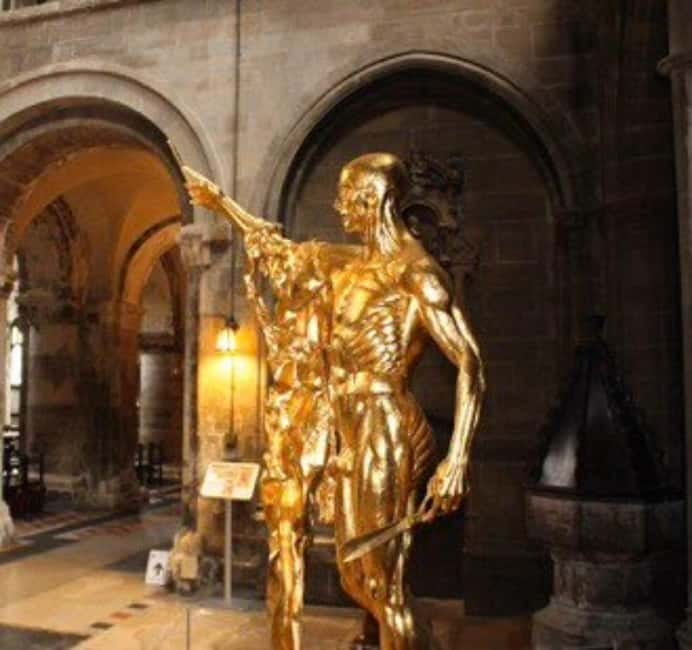
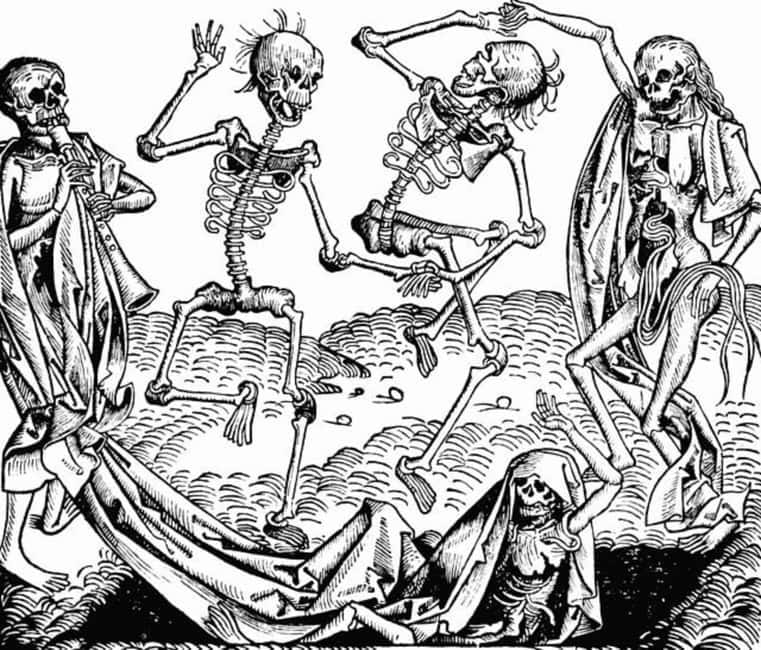
You begin near a former Carthusian priory built right next to a plague pit. That alone sets the tone. It’s one thing to read about London’s outbreaks. It’s another to stand where people once prayed for souls they believed were suffering after death.
From there, the tour gives you a major London anchor: the oldest priory church in London, dating back to 1123. You’ll likely recognize the look from film and TV settings, since this is the kind of place productions keep borrowing. The guide uses that recognition to help you slow down and actually see the building, not just the postcard version.
Why this opening stop works for you: plague history can feel distant. Starting here grounds the story in a physical location, with architecture that refuses to feel like a museum. And because it’s early in the route, you’re still fresh enough to take in the heavier themes without fatigue.
One practical note: you’re not just passing by. You’ll be standing in place and listening, then moving again. So if you’re the type who needs frequent breaks, plan to pace yourself from the start.
The Execution Stop: Protestants, Power, and Why London Felt Dangerous
Next comes the darker hinge of the tour: an execution spot, and not just any one. The guide frames it as the execution location tied to Protestant stories. In the way Andy (Andrew Hallett) tells it, you’ll also hear references that connect the event energy to well-known modern retellings and film cues.
That pop-culture tie-in can be useful, even if you usually roll your eyes at it. It gives your brain a handle for remembering the place and the stakes. You’re not being asked to memorize dates here. You’re learning why authorities punished dissent so publicly, and how that fear shaped daily life.
What I like about this part is the balance between spectacle and meaning. Execution stories can turn into only shock. This tour treats it as political theater, where message matters as much as method. You’ll walk away understanding that these events weren’t random violence. They were power decisions, aimed to deter rebellion.
Possible drawback: if you know you prefer lighter sightseeing, this stop may feel like too much. The tour leans into violence and mayhem as part of the educational point. So choose accordingly.
1381 Peasants’ Revolt: Walking a Political Battlefield From the Poll Tax to a Lord Mayor
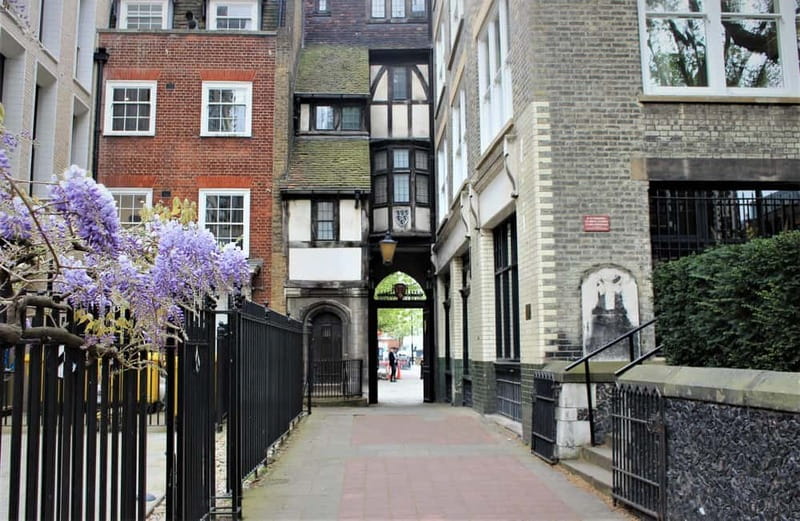
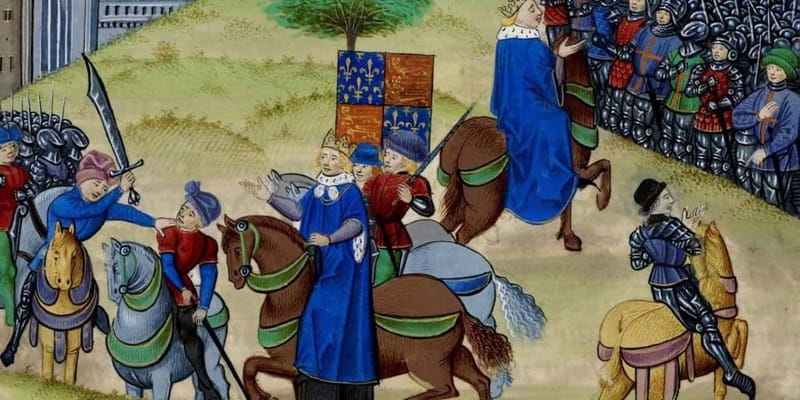
Then the route shifts from punishment to uprising. You’ll visit the site of the 1381 Peasants’ Revolt, which the guide effectively treats like a battlefield walk. This is the part where London feels like it’s holding its breath—because you’re tracing the logic of anger, not just the headline.
The story centers on a poll tax, plus the roles of key figures: a lord mayor, a king, and the revolutionary push that led to chaos. The tour doesn’t sugarcoat the outcome. It ends badly, and the guide makes sure you understand that failure wasn’t just bad luck. It was a clash of resources, authority, and control.
Why you’ll probably enjoy this section: it’s interactive in your head. Instead of only hearing about events, you’re imagining how people moved, where they gathered, and what leaders felt forced to respond to. That’s how it clicks.
Also, it’s not only medieval politics for trivia collectors. It’s a story about how taxation can ignite violence, and how quickly a city can shift from routine to revolt. Once you see that pattern in 1381, it’s easier to spot echoes in other moments of London’s past.
Expect some intensity here too. The guide keeps the momentum going, and questions are welcome, especially from people who want extra context on how the revolt worked.


The Great Fire of 1666: Pre-Fire Structures and the Last Stand Feel
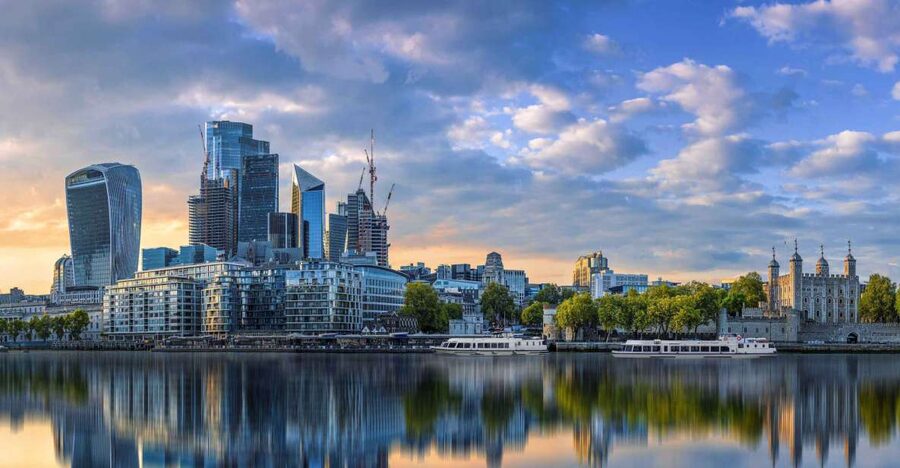
Now you jump forward to 1666 and one of London’s most dramatic events: the Great Fire. This is where the tour earns its name for mixing horror and awe. You’ll see pre-fire structures as you move through the areas linked to the fire’s path, which helps you visualize the city before everything changed.
The guide ties in the Duke of York and 100 men, presented as a poised last stand. The framing is cinematic, but the point is practical: in a city of tight streets and crowded buildings, fire wasn’t a single problem. It was an unstoppable system once it found the wrong conditions.
You’ll also hear about Cock Lane, with the fun detail that it’s exactly what it says on the tin. That bit of humor matters more than it seems. It keeps the walk from becoming one long grim lecture. When the guide adds small levity, you retain the heavier facts better.
A small planning tip: this is a great time to keep an eye on your footing. The stories are moving fast, but your body still needs to stay steady. If you’ve got blisters-prone feet, this is your moment to slow down at the curb and regroup.
St. Paul’s After the Ashes: The Phoenix Moment You Can Actually See
The final big history beat is the recovery: London rebuilt after the Great Fire, and the star of that reset is St. Paul’s. You get a peek at the cathedral as a phoenix rising from the ashes, and the guide makes the symbolism feel earned rather than poetic.
This stop is valuable because it closes the loop. Earlier you experienced plague, execution, and revolt—events that show destruction and fear. Here you see the physical result of survival and rebuild. You’re not just learning facts. You’re seeing how London’s skyline became a memory of catastrophe.
If you’re a photo person, this is where you’ll want to aim for the cleanest view. But don’t rush. The tour’s best moments are the ones where you take a half-step back and let the scale land.
Shakespeare at Blackfriars: A Cellar Pints Stop and Alleyway Atmosphere
After the fire and rebuilding, the mood shifts in a very London way: to stories, street names, pubs, and the kind of atmosphere you can almost smell. You’ll visit Shakespeare’s former home area linked to Blackfriars. The highlight here is the cellar connection—his former cellar is still there, and the guide brings attention to that physical link.
Then comes the thirst option. The tour route includes a pint stop connected to Shakespeare’s cellar. Food and drinks are not included in the price, so you should think of it as a chance to buy a drink if it fits your schedule and your budget. (Also, alcohol and drugs are not allowed on the tour itself, so keep it strictly to what the guide says about timing and rules.)
I like this section because it proves the tour isn’t only about suffering. It uses the same streets that held grim history to show London as lived-in. The guide also highlights historical alleyways and centuries-old architecture, including those cheeky street-name moments that make the whole walk feel human.
If you want authenticity, this is the part that delivers. It’s not just landmark shouting. It’s the texture of the neighborhood—narrow lanes, old stone, and the sense that this city has always had its own sense of humor alongside its violence.
Walking Practicalities: How to Get the Best Out of a 2-Hour Dark History Route
This is a guided walking tour that lasts 2 hours. That duration is the sweet spot if you want an overview with story detail, without losing half your day to sightseeing logistics. But it does mean you should arrive ready to move.
Here’s what you should do so you enjoy it instead of just surviving it:
- Wear comfortable shoes you trust.
- Bring water and use it before you feel thirsty.
- Dress for the weather in comfortable layers, since you’ll spend time outdoors.
You’ll meet outside a Tube station next to a cafe. The exact station isn’t specified here, so I’d confirm the meeting details when you book. Once you’re there, look for the guide and the group rather than guessing based on landmarks.
Also keep your expectations calibrated: this isn’t a hands-off, sit-in-a-chair experience. You’re walking between historical sites, listening to the guide, and taking in the architecture as you go.
Finally, if you’re traveling with a group, remember the tour is specifically framed around violence, mayhem, fire, sedition, sex, and booze. That doesn’t mean it’s vulgar. It means the themes are not shy. If that’s your vibe, you’ll love how quickly it all starts to connect in your head.
Price and Value: Is $26 for Plague to Fire Worth It?
At about $26 per person for a 2-hour, guided route through multiple major London turning points, the value is strong—especially because the ticket covers the storytelling labor.
You’re not paying for one site. You’re getting several: a priory linked to plague pits, an execution location connected to Protestant martyr stories, the Peasants’ Revolt area tied to the poll tax, the Great Fire’s associated spaces including pre-fire structures and the Duke of York’s 100 men moment, and the St. Paul’s payoff. Then you finish with a Shakespeare/Blackfriars stop that includes a cellar pub option.
What you’re not getting is food and drinks. That matters for budgeting. If you want the pint moment, plan to pay for it separately. The good news is you can keep costs under control by treating drinks as a choice, not a mandatory upsell.
So for value: if you enjoy story-driven walking and can handle grim topics, this is the kind of tour that saves you the time of researching connections yourself. If you prefer light sightseeing only, the theme may feel like overkill for the price.
Should You Book This Tour?
I’d book it if you want a short, high-impact walk that explains how London got shaped by pandemic fear, public punishment, revolt, and catastrophe, all threaded through streets and architecture you can see. It’s also a great pick if you like guides who keep the pace brisk and answer questions, because the format rewards attention.
I wouldn’t book it if violence-heavy topics will put you off, or if you need a mostly cheerful sightseeing break. Also, if you’re low on stamina for walking through multiple outdoor stops, consider whether 2 hours of moving and standing will work for you.
If your goal is to get more than the typical London highlight reel, this one delivers. It turns history into a route you can walk—dark, messy, and weirdly memorable in the best way.
FAQ
How long is the tour?
It lasts 2 hours.
Where is the meeting point?
Meet outside the Tube station next to a cafe.
What language is the tour guide?
The live tour guide speaks English.
Is food or drinks included?
No. Food and drinks are not included.
Can I bring alcohol on the tour?
No. Alcohol and drugs are not allowed.
What should I bring?
Bring comfortable shoes, water, and comfortable clothes.
Is the tour wheelchair accessible?
Yes, it’s listed as wheelchair accessible.
Who runs the tour?
The experience provider is Andrew Hallett, and the live guide leads the walk.
Is there free cancellation?
Yes. You can cancel up to 24 hours in advance for a full refund.
Is there a reserve and pay later option?
Yes. You can reserve now and pay later.
More Tour Reviews in London
- From London: Harry Potter Warner Bros Studio Tour
★ 4.7 · 26,588 reviews - London: Westminster to Greenwich River Thames Cruise
★ 4.5 · 22,836 reviews - Magical London: Harry Potter Guided Walking Tour
★ 4.7 · 22,044 reviews - London: Madame Tussauds London
★ 4.6 · 20,915 reviews - London: Warner Bros. Studio Harry Potter Tour & Branded Bus
★ 4.7 · 19,194 reviews




