
Reviewed · BRITISH MUSEUM TOURS
Crash course in archaeology at the British Museum
A museum can feel like chaos. This tour turns the British Museum into a clear timeline of human progress. You get a qualified archaeologist guide plus a fast-moving, story-first route that makes famous objects (and the not-so-obvious context around them) easier to understand. Two things I really like: you learn how discovery and translation shaped what we know, and you get a chronological walkthrough that connects cultures across continents. One drawback to plan for: it’s a long, mostly standing experience, so if you need lots of seating, you’ll want to think ahead.
I also love how the tour isn’t just Egyptology. It spans ancient Egypt, Assyria, Greece, and Rome, then reaches into Vikings and Aztec material while explaining big questions like how hieroglyphs and cuneiform were deciphered. The best part is the human angle: the guide talks about archaeologists, relic-hunters, and explorers who built (and sometimes complicated) museum collections. Still, if your goal is to see every highlight on your first visit, this focused tour won’t give you that coverage.
In This Review
- Key highlights worth planning for
- Entering the British Museum with a crash-course plan
- Rossa and the archaeologist style: stories, finds, and translations
- The timeline you’re walking: Egypt to Assyria to Rome, then beyond
- What you’ll likely see: the museum’s biggest anchors, explained
- Standing, breaks, and how to stay comfortable for 5.5 hours
- Price and value: what your $83.34 actually buys
- Where you meet and how the morning flows
- Who should book this archaeology crash course
- Quick travel tips that make it easier
- Should you book the Crash Course in Archaeology at the British Museum?
- FAQ
- How long is the British Museum archaeology tour?
- Where does the tour start and end?
- What time does the tour begin?
- What is the price, and what does it include?
- Is lunch included?
- Is the tour limited in group size?
- What language is the tour in?
- Do I need a printed ticket?
- Are service animals allowed?
- Is there free cancellation?
Key highlights worth planning for
- Archaeologist-led storytelling that explains why objects matter, not just what they are
- A timeline approach that links Egypt, Assyria, Greece, Rome, Vikings, and Aztecs
- Translation history lessons (how scripts like hieroglyphs and cuneiform were cracked)
- Big-name objects with context such as the Rosetta Stone, Elgin Marbles, and Lewis Chessmen
- Pacing with breaks, plus tips like grabbing a folding chair early
- Morning timing that leaves your afternoon open for other London plans
More among the marbles and mummies
- London: British Museum Guided Tour
★ 4.3 · 1,182 reviews - British Museum London Guided Tour Semi-Private 8ppl Max
★ 5.0 · 984 reviews - London: British Museum Guided Tour with Entrance Tickets
★ 4.9 · 748 reviews - London: Tour of the British Museum
★ 4.1 · 678 reviews
Entering the British Museum with a crash-course plan
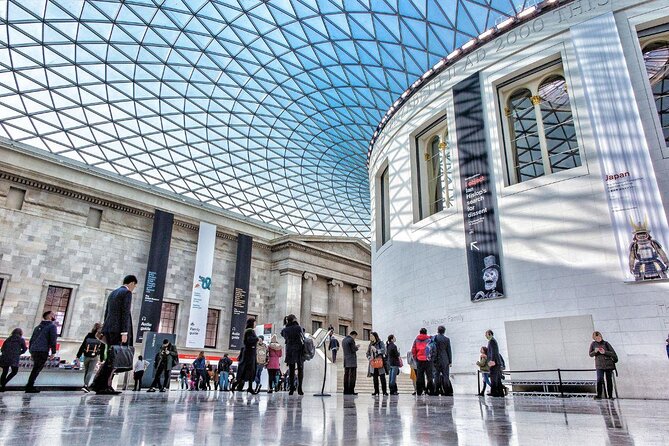
The British Museum can be intimidating even for history fans. It’s huge, spread across multiple floors and wings, and you can burn a day just wandering without getting the bigger picture. This tour is designed to stop that free-for-all. You follow a guided route built around major moments in archaeology and civilization—so you’re not just collecting photos, you’re building a mental map.
What makes it work is the “why” behind the objects. Instead of treating the gallery like a catalog, the guide frames each stop as a chapter: what changed, what was discovered, and how scholars made sense of it. The result is the kind of learning that sticks because it’s tied to stories and discoveries, not memorization.
You also get the benefit of free museum admission as part of the experience flow (your tour ticket covers the guided component). So you’re not paying extra just to get through the doors—you’re paying for expert interpretation and pacing.
Rossa and the archaeologist style: stories, finds, and translations
This tour is led by Rossa, and his approach is built around clarity and momentum. You’re not waiting through long lectures. Instead, he uses short, focused explanations at each stop—then points out details you’d likely miss if you were walking solo.
A big part of what he does well is connecting archaeology to translation. You don’t just look at scripts; you learn how decipherment changed everything. That matters because writing systems are the bridge between objects and history. Once you understand hieroglyphs or cuneiform, you can move from “cool carving” to “a voice from another world.”
Rossa also brings in the messy real world of collecting. The tour discusses the archaeologists and also the relic-hunters and explorers who shaped what ended up in museum cases. That context makes the collection feel less like a polished trophy wall and more like a record of exploration—good, flawed, and historically important.
And yes, the delivery is lively. If you enjoy being pulled along by narrative, you’ll feel like the museum is talking back to you.
The timeline you’re walking: Egypt to Assyria to Rome, then beyond
The tour’s core strength is its timeline approach. It’s not “random highlights.” It’s a journey across time and geography that keeps returning to how humans built knowledge—through tools, cities, writing, and empire.
From the ancient world, you’ll spend time with themes tied to:
- Ancient Egypt, including how Egyptian writing is understood
- Assyria, including the kind of imagery that helps historians read political power
- Greece and Rome, where the museum’s objects help show how culture traveled and changed
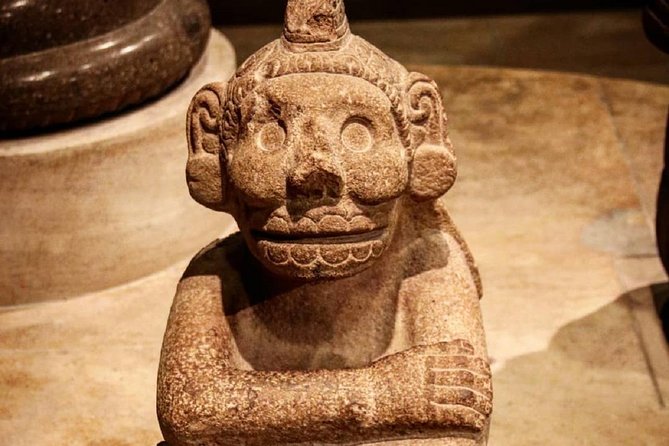
- Vikings and Aztecs, so you get a wider view than the usual tour bubble
The tour also emphasizes turning points: early toolmaking and human development, the growth of agriculture, and the rise of towns and cities. It keeps stretching forward into later periods and even into the story of early Britain and beyond. If you like seeing how one era sets up the next, this pacing will click.
One practical note: this is a museum “highlights with purpose” tour. It’s not trying to show you every object in every wing. That’s why it feels special: you go deep enough to understand why you’re looking at each piece, without trying to conquer the building.
Still deciding? A handful more London outings we rated


What you’ll likely see: the museum’s biggest anchors, explained
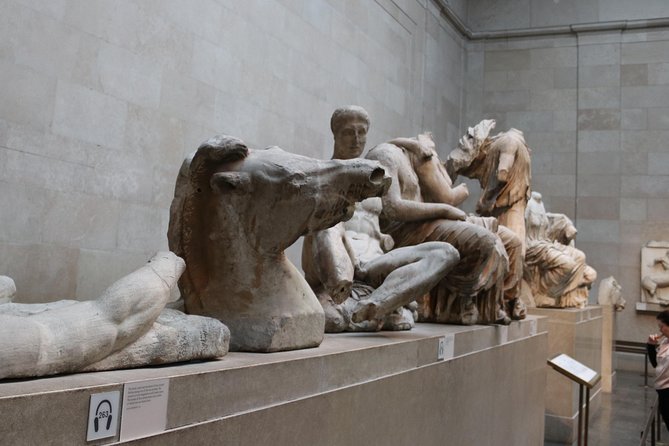
Even though the tour lists a single main stop (the British Museum), the route is built around a set of high-impact exhibits. The examples that come up during the tour include objects that many people recognize at first glance, but don’t usually understand in depth.
Here are the kinds of “anchor” exhibits the guide uses to build the story:
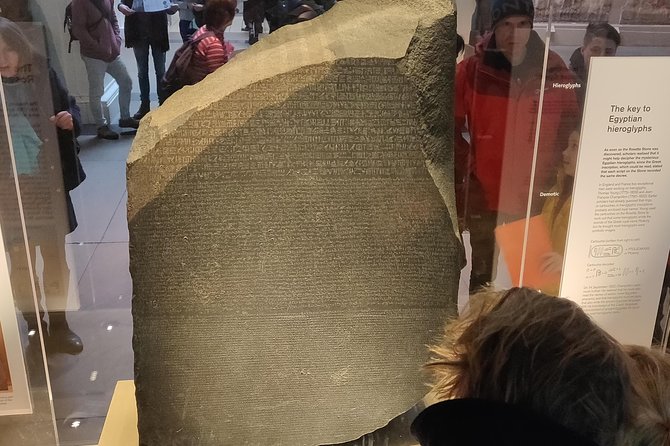
- The Rosetta Stone to show how translation changed access to ancient texts
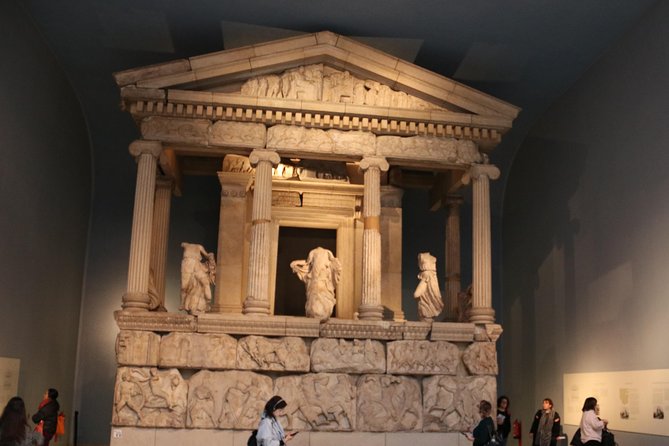
- Elgin Marbles to connect art, empire, and the history of collection
- The Lewis Chessmen as a window into daily life and medieval craftsmanship
- Assyrian sections and reliefs that help you read the language of conquest and administration
- Egyptian and Near Eastern examples that help explain how archaeology turned objects into history
You should expect more than surface descriptions. The guide points out why a piece was found, who found it, and what scholars think it means in human history. That “how we know” angle is exactly what makes this feel like an archaeology lesson rather than a standard museum tour.
Standing, breaks, and how to stay comfortable for 5.5 hours
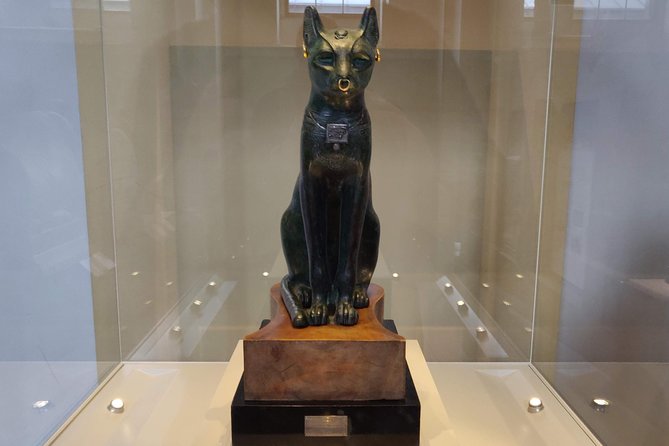
The duration is about 5 hours 30 minutes, and it’s built for a morning start at 9:45 am. This is one reason the tour suits a lot of people: you finish while you still have plenty of daylight for the rest of your London day.
But here’s the reality check: you’ll be standing for stretches. Multiple accounts highlight that you can feel it in your feet if you’re not prepared. The good news is the guide’s pacing includes breaks. There’s also an intentional lunch stop area, but lunch is not included, so you’ll want to plan your own food.
A very practical tip that can make a huge difference: the museum offers little fold-out chairs, and grabbing one early can save your legs later. If you’re the kind of person who needs to sit more often than the average visitor, arrive ready with comfortable shoes and use the first chance you get to secure a chair.
Also, go in knowing the British Museum has a lot of foot traffic. If you want the smoothest experience, aim to arrive near the meeting point time so you’re not rushed at the start.
Price and value: what your $83.34 actually buys
At $83.34 per person, this isn’t a bargain in the “cheap ticket” sense. But it’s also not paying for museum entry. Admission to the museum is free, so the cost is really about what you get on top of that: a guide with an archaeology background, a structured route, and interpretation that connects multiple civilizations.
Here’s the value breakdown that matters:
- You pay for your time with the expert guide, not the ticket price
- You get a route that helps you prioritize what to see (and what to ignore)
- You get explanations that most self-guided visits won’t naturally produce
- You end up with context you can’t easily pull from quick gallery labels
If you love history and want more than the usual “20 objects in 1 hour” pattern, this cost can feel fair. It’s the kind of tour that helps you leave with a clearer timeline and better questions for the rest of your museum visit.
If you only want to wander freely and look at whatever catches your eye, you might decide to skip the paid guide and use a self-paced approach instead. But if you want your museum time to mean something, this is the buy.
Where you meet and how the morning flows
You start at Russell Square, Bernard St, London WC1N 1LJ, and the tour ends at The British Museum, Great Russell St, London WC1B 3DG. The start time is 9:45 am.
You also get a mobile ticket, and confirmation is received at booking. The group size is capped at 25 travelers, which keeps the experience from feeling like a herd. It’s small enough for the guide to manage the pace and keep everyone engaged, but big enough that you’re not stuck in an awkward one-on-one situation either.
London mornings can be crisp, and the museum can be busy once visitors arrive. For an easier start, try to be at the meeting point early, not exactly on the dot.
Who should book this archaeology crash course
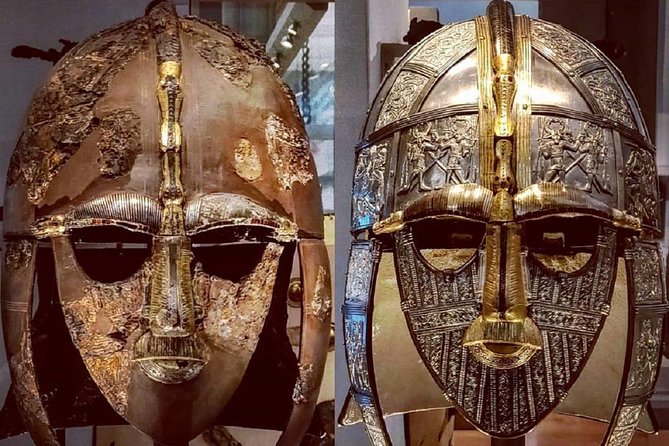
This works best if you’re the type of traveler who:
- Likes explanations, context, and stories
- Enjoys the big connections between civilizations
- Wants to understand how scholars interpret objects (including translation and discovery history)
- Has at least some interest across multiple regions, not only Egypt
It’s also a good pick if you’re visiting for the first time and want a fast way to get bearings. One caveat: this is not a “see everything” tour. If you want to check off every famous gallery in one day, you’ll likely feel like you missed things. If you’re happy with a smart selection that teaches you how to look, you’ll probably feel satisfied.
It’s also a good option when you want structure. The British Museum can turn into random wandering if you don’t plan. This tour gives you a path and a reason for each stop.
Quick travel tips that make it easier
- Bring your own food for lunch since lunch isn’t included and museum options can be limited
- Wear shoes you can stand in, since the tour is long
- Grab a fold-out chair early when you can
- Plan to stay flexible with breaks, since the guide handles pacing and time
Should you book the Crash Course in Archaeology at the British Museum?
I’d book it if you want the British Museum to feel understandable instead of overwhelming. Rossa’s style turns famous objects—like the Rosetta Stone, Elgin Marbles, and Lewis Chessmen—into stepping stones across time. The strongest reason to do it is the way the tour teaches you how we know what we know: discovery, collection history, and decipherment.
I would skip it if you’re determined to see every major highlight on your first visit. This tour selects. It’s learning-first, not checklist-first. And if standing for long stretches is a deal-breaker for you, you’ll need to plan around that with chairs and comfortable footwear.
FAQ
How long is the British Museum archaeology tour?
It lasts about 5 hours 30 minutes.
Where does the tour start and end?
It starts at Russell Square, Bernard St, London WC1N 1LJ and ends at The British Museum, Great Russell St, London WC1B 3DG.
What time does the tour begin?
The start time is 9:45 am.
What is the price, and what does it include?
The price is $83.34 per person and it includes a qualified archaeologist guide. Admission to the museum is listed as free within the tour flow.
Is lunch included?
No, lunch is not included.
Is the tour limited in group size?
Yes. The maximum group size is 25 travelers.
What language is the tour in?
The tour is offered in English.
Do I need a printed ticket?
No. The experience uses a mobile ticket.
Are service animals allowed?
Yes, service animals are allowed.
Is there free cancellation?
Yes. You can cancel up to 24 hours in advance for a full refund. If you cancel less than 24 hours before the experience starts, the amount paid is not refunded.
More Museums in London
- Tower of London and Crown Jewels Exhibition Ticket
★ 4.5 · 6,677 reviews - London: Chelsea Football Club Stadium and Museum Tour
★ 4.8 · 4,576 reviews - Chelsea FC Stadium Tours and Museum
★ 5.0 · 1,908 reviews - London: British Museum Guided Tour
★ 4.3 · 1,182 reviews - Official tickets: Moco Modern & Contemporary Art Museum
★ 4.5 · 1,157 reviews
More Tour Reviews in London
- From London: Harry Potter Warner Bros Studio Tour
★ 4.7 · 26,588 reviews - London: Westminster to Greenwich River Thames Cruise
★ 4.5 · 22,836 reviews - Magical London: Harry Potter Guided Walking Tour
★ 4.7 · 22,044 reviews - London: Madame Tussauds London
★ 4.6 · 20,915 reviews - London: Warner Bros. Studio Harry Potter Tour & Branded Bus
★ 4.7 · 19,194 reviews
The British Museum, Continued
- London: British Museum Guided Tour
★ 4.3 · 1,182 reviews - British Museum London Guided Tour Semi-Private 8ppl Max
★ 5.0 · 984 reviews - London: British Museum Guided Tour with Entrance Tickets
★ 4.9 · 748 reviews - London: Tour of the British Museum
★ 4.1 · 678 reviews - London: British Museum Audio Tour & Priority Entrance Ticket
★ 4.5 · 631 reviews
Just reviewed around London





British Museum Tours, compared.
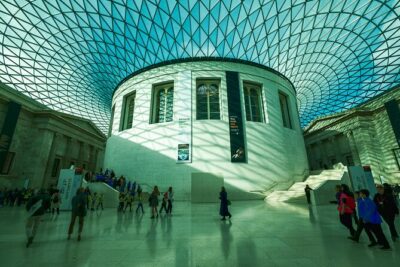 ★ 4.3British Museum Guided TourFrom $231,182 reviews
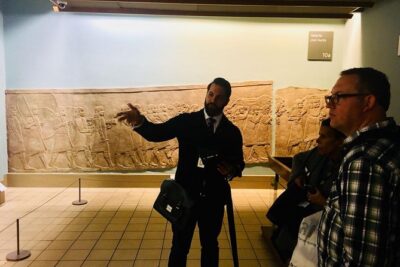 ★ 5.0British Museum London Guided Tour Semi-Private 8ppl MaxFrom $108984 reviews
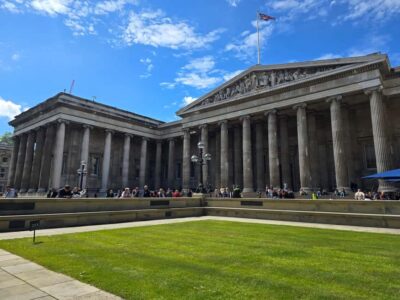 ★ 4.9British Museum Guided Tour with Entrance TicketsFrom $39748 reviews
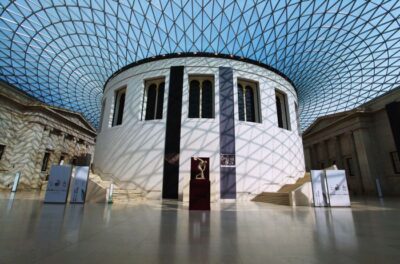 ★ 4.1Tour of the British MuseumFrom $14678 reviews
 ★ 4.5British Museum Audio Tour & Priority Entrance TicketFrom $9631 reviews
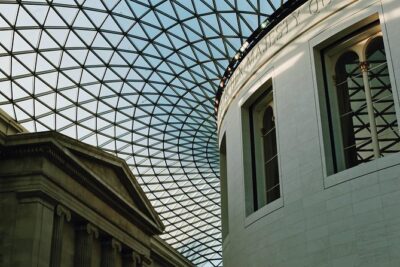 ★ 5.0The British Museum London – Exclusive Guided Museum TourFrom $108555 reviews
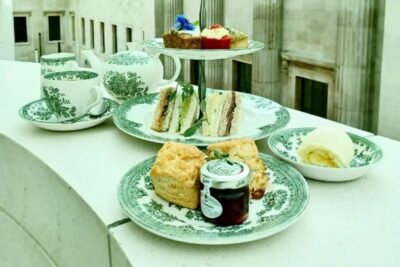 ★ 4.2Afternoon Tea at the British MuseumFrom $58511 reviews
 ★ 4.0British Museum Guided TourFrom $18470 reviews
Browse the lists this tour appears in