
Reviewed · LONDON
Burnings, Butchery & Black Death: London’s Bloody Past
London’s grim past is close by. This two-mile walk through Smithfield takes you from medieval punishments and Black Death cleanup to Dickens’ London slums, with plenty of story twists along the route. You’ll also hear about Charles Dickens, body snatchers, kings, and even an eighteenth-century ghost.
I love how the tour turns street corners into real explanations, especially at Smithfield, where London’s animal and human slaughter were once carried out. I also like the small group size, with a maximum of fifteen, so the guide can actually answer questions instead of talking at you. One drawback to consider: this is not for kids under 13, and the content leans dark enough that you’ll want to choose it on purpose.
In This Review
- Key things to know before you go
- Two hours from Barbican to Ely Place: how the walk works
- Charterhouse Square and the early setup: learning the neighborhood’s logic
- Smithfield Market: where Black Death reality meets medieval punishment
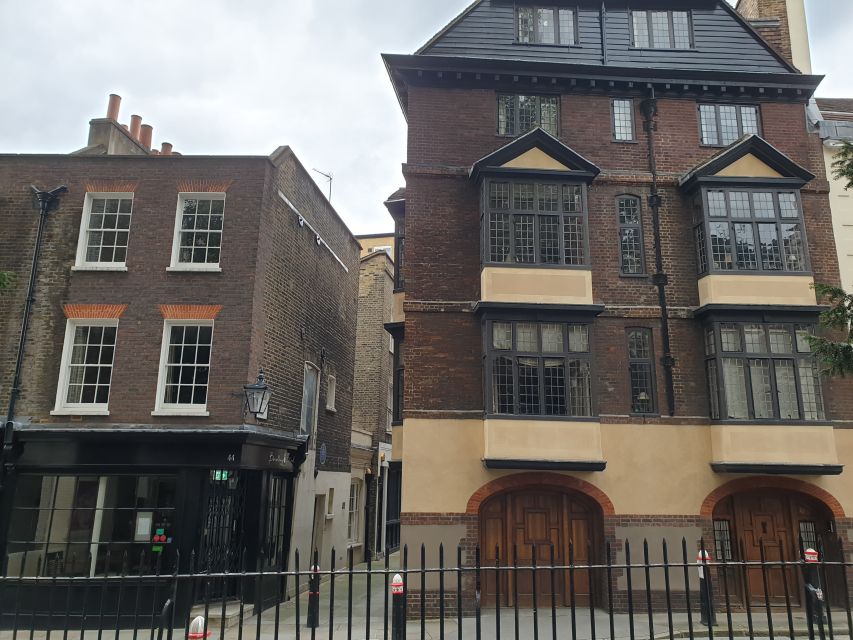
- St John’s Gate and Cloth Fair: learning why the streets got a reputation
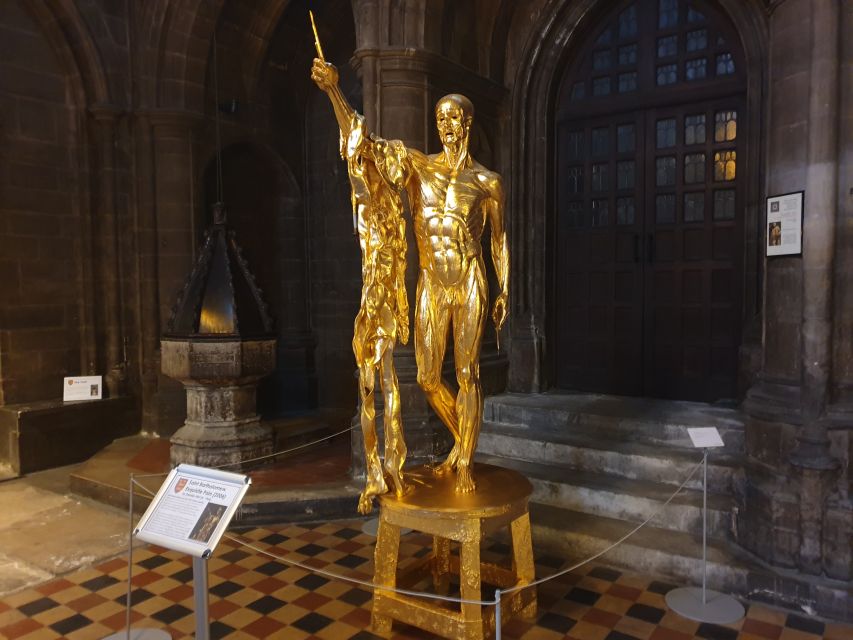
- St Bartholomew the Great: religion, medicine, and the public face of suffering
- Sir William Wallace Memorial: why the guide uses myth against the facts
- St Bartholomew’s Hospital: the Middle Ages to the real-world aftermath
- Golden Boy of Pye Corner: the tour’s spooky pulse without going full gimmick
- London Central Markets and Ely Place: tying the end back to Smithfield
- What you’ll learn (and why it’s worth paying attention)
- Guide performance: why Tom’s delivery seems to work for almost everyone
- Price and value: is $26 fair for a dark-history walking tour?
- Who should book, and who should skip
- Should you book Burnings, Butchery & Black Death?
- FAQ
- FAQ
- Where does the tour start?
- How long is the tour?
- How far do you walk?
- What is the price per person?
- What are the key stops on the route?
- Does the tour include church entry?
- What language is the tour in?
- Is it suitable for children?
- Is there a live guide?
- How big are the groups?
Key things to know before you go
- Smithfield in plain terms: you’ll connect slaughter, public punishment, and plague-era reality to the same place on the map.
- Black Death disposal explained: the guide focuses on how tens of thousands of bodies were handled in the 1300s.
- Medieval executions, not movie versions: you’ll hear about the methods used in the Middle Ages and how brutal the storytelling gets.
- Dickens’ Oliver Twist connection: the area’s later reputation as a slum comes through clearly.
- A guide who keeps pace humane: the tone is entertaining but controlled, with attention to different group needs.
- Easy route on foot: about two miles total, walking from Barbican to near Farringdon/Farringdon-adjacent Ely Place.
Not sure yet? See how a few of London's most-booked trips stack up:
- From London: Harry Potter Warner Bros Studio Tour
★ 4.7 · 26,588 reviews - London: Westminster to Greenwich River Thames Cruise
★ 4.5 · 22,836 reviews - Magical London: Harry Potter Guided Walking Tour
★ 4.7 · 22,044 reviews - London: Madame Tussauds London
★ 4.6 · 20,915 reviews
Two hours from Barbican to Ely Place: how the walk works
The tour starts just outside Barbican Station on Aldersgate Street. Look for your guide holding an Historic London Tours sign, and expect a proper walking pace without sprinting from stop to stop.
At around two hours total and about two miles of walking, it’s a very doable afternoon plan. The route is set up so you’re mostly moving through the City of London edge, then working your way toward the Farringdon area near the end.
Because churches are part of the route, you might step inside if there aren’t services in progress. If a service is running, you’ll still get the main story beat outside, so you won’t feel like you missed the point.
Charterhouse Square and the early setup: learning the neighborhood’s logic
The first real stop is Charterhouse Square, where the guide sets context for why Smithfield mattered so much. You’re not asked to memorize dates for the entire tour, but you will start with the idea that certain London spaces collected certain kinds of events.
This early framing helps you later, because the route isn’t just a list of scary places. It’s about how one district could flip from public systems (markets and punishments) to darker urban problems (slum conditions Dickens later used).
If you like stories that move forward in time, this opening is a good one. If you only want one era, you may still appreciate it because the guide keeps returning to the same thread: what happened here, and why.
Smithfield Market: where Black Death reality meets medieval punishment
Smithfield is the heart of the tour, and the guide spends real time there. You’ll see the connection between centuries of slaughter—both animal and human—and how public violence and commerce coexisted in the same area.
The key topic at Smithfield is the Black Death in the 1300s. You’ll learn how the city disposed of tens of thousands of corpses, and the guide keeps the focus on practical outcomes: what a city did when normal systems failed on a huge scale.
This is also where the title starts to make sense. Burnings and executions aren’t presented as vague folklore; you’ll hear about the execution methods used in the Middle Ages and what that meant for everyday life nearby. The point isn’t to shock you for its own sake—it’s to show how public punishment was part of how authority was performed.
A practical consideration: this part of the story is intense. If you’re squeamish or easily rattled, take it slowly and pace yourself through the darker sections.


St John’s Gate and Cloth Fair: learning why the streets got a reputation
Moving along, you’ll hit St John’s Gate and then Cloth Fair. These stops work like waypoints that connect the main themes—violence, disease, and the way London’s city life reorganized itself over time.
The guide’s approach is to help you understand the logic of the area, not just its labels. Cloth Fair, for example, matters because it fits the broader picture of how Smithfield’s surroundings evolved from formal public spaces toward places known for overcrowding and hardship.
This is the part where you start hearing about the slum side of the story. The tour ties it to how the neighborhood became infamous later on, and how Dickens used the setting in Oliver Twist.
St Bartholomew the Great: religion, medicine, and the public face of suffering
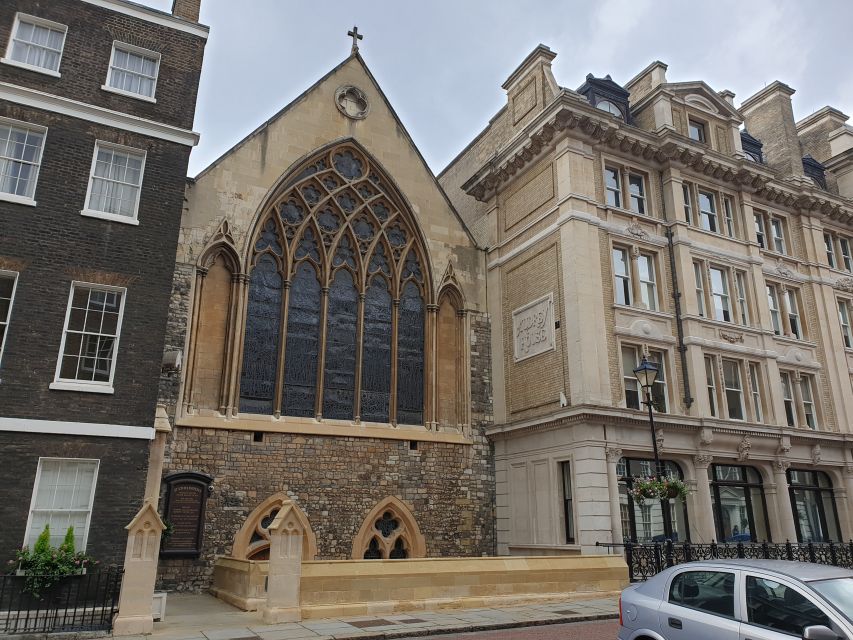
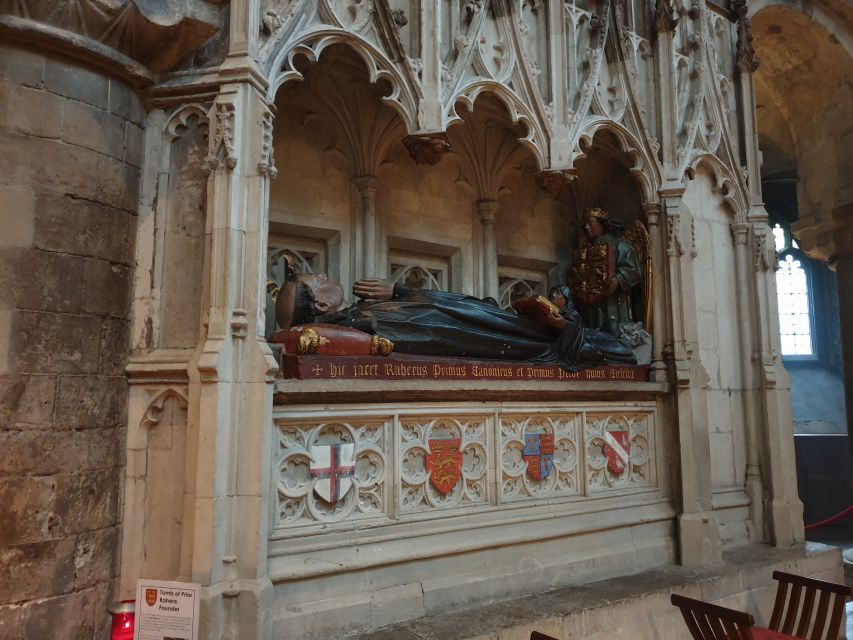
At St Bartholomew the Great, the tone shifts slightly toward institutions and public life. Churches aren’t only backdrops on this walk; they help explain how London processed crises in public view—whether those crises were illness, punishment, or the social fallout afterward.
This stop also sets you up for the next hospital-related location. If you’re curious how a city’s care systems and authority structures overlapped, this is a smart transition.
One thing I like about the pacing here is that the guide doesn’t cram every fact into every minute. You get enough detail to feel grounded, but there’s still room for the story to breathe between stops.
Sir William Wallace Memorial: why the guide uses myth against the facts
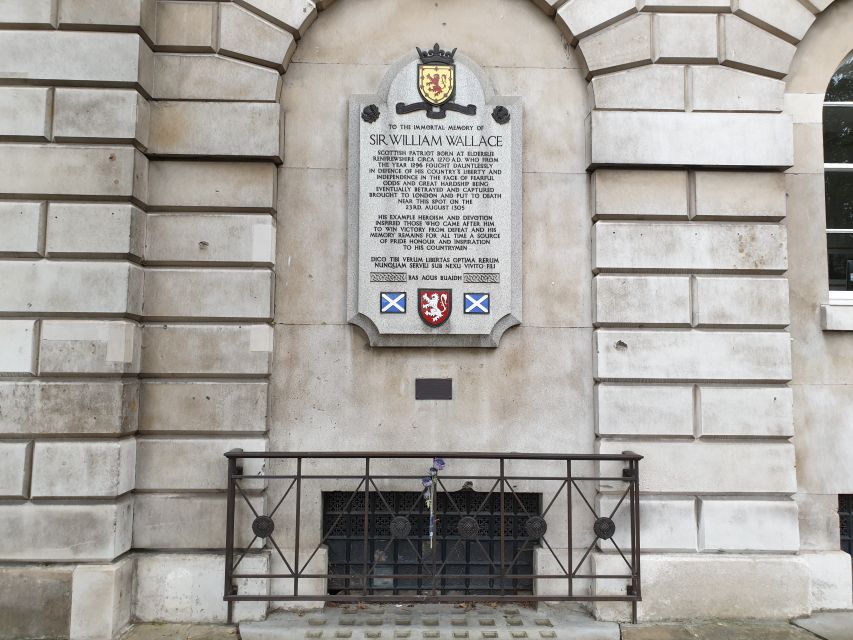
One of the tour’s most memorable segments is the Sir William Wallace Memorial stop. Yes, it nods to Braveheart—but the guide makes sure you don’t treat the movie as the whole truth.
You’ll hear how William Wallace was executed, and the tour makes a point that reality was grim and far from cinematic shouting. That contrast—myth versus what actually happened—gives the story emotional weight without turning it into pure gore.
This is a great moment if you like history that checks pop-culture assumptions. The guide uses humor, but the lesson lands: public violence wasn’t theatrical for the person living it.
St Bartholomew’s Hospital: the Middle Ages to the real-world aftermath
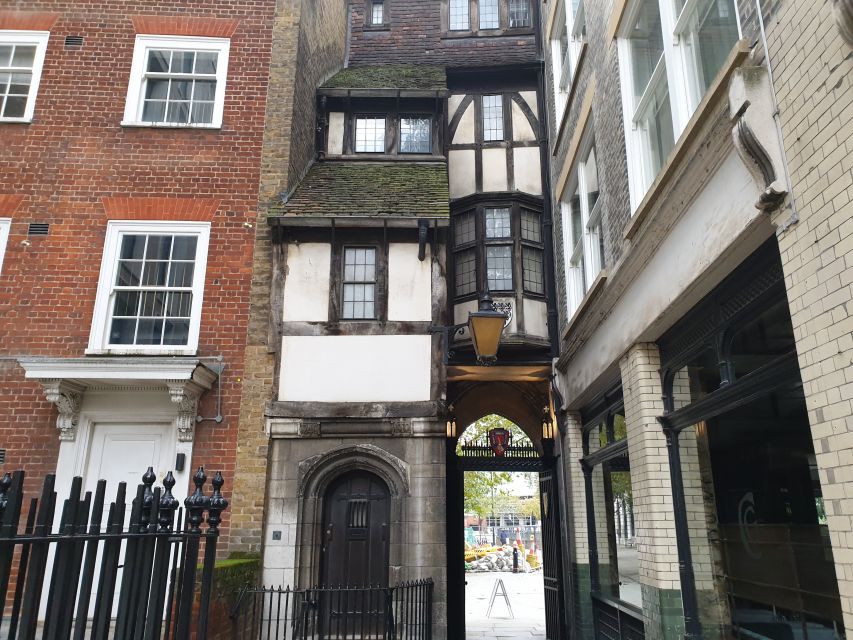
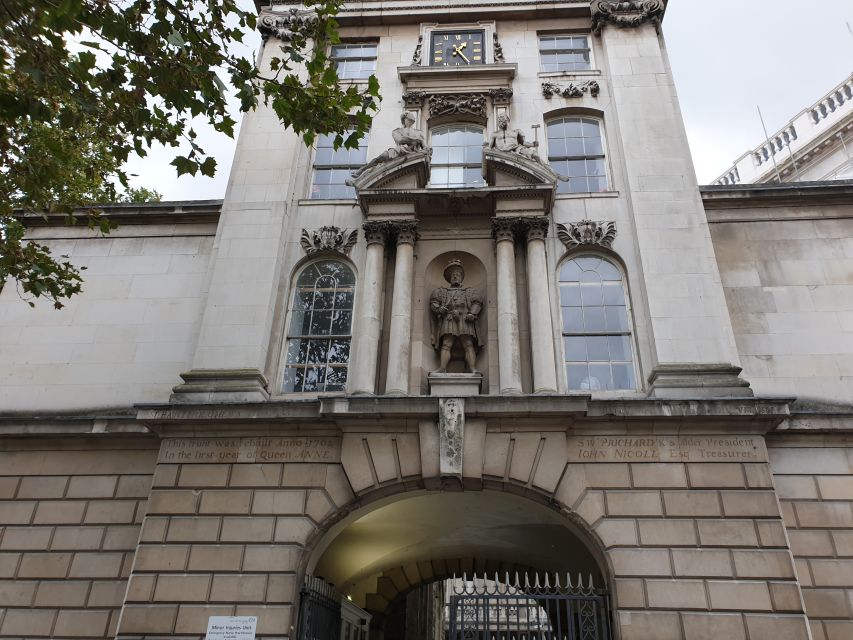
St Bartholomew’s Hospital is another anchor stop, and it connects the tour’s themes of suffering with how London tried to organize help. Even without turning it into a medical lecture, the guide uses this location to show that plague and punishment didn’t stay in the street—they shaped institutions too.
If you’ve ever wondered why certain parts of London feel like they hold layers of social purpose, this stop helps. You get the sense that this district wasn’t only about death; it was also where people built systems to manage the consequences.
Golden Boy of Pye Corner: the tour’s spooky pulse without going full gimmick
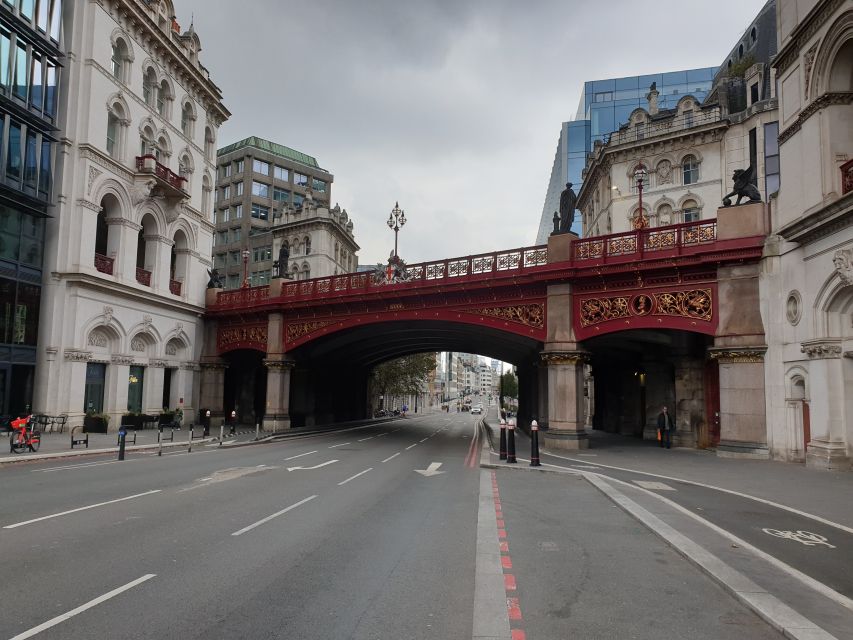
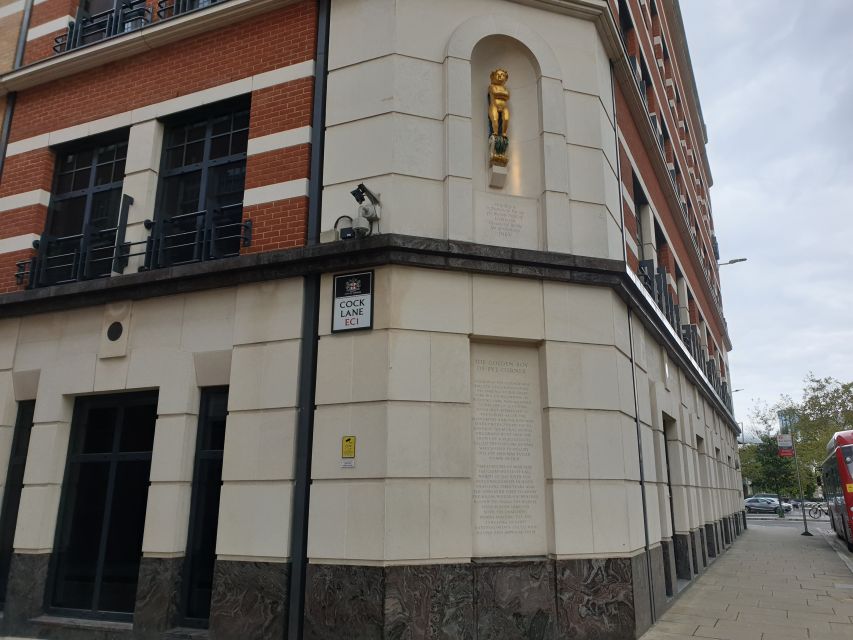
Then comes the Golden Boy of Pye Corner. This is where the tour leans into the ghostly side—there’s an eighteenth-century ghost mentioned in the story, and the guide uses that atmosphere to keep the history moving.
The Golden Boy detail matters because it’s a reminder that London didn’t just deal with disasters and then move on. People absorbed those events into legends, memorials, and small street symbols that lasted long after the worst days.
This section is a nice break from the heaviest factual content. It doesn’t erase the brutality; it frames it through memory and storytelling, which is often what you want at the end of a hard history walk.
London Central Markets and Ely Place: tying the end back to Smithfield
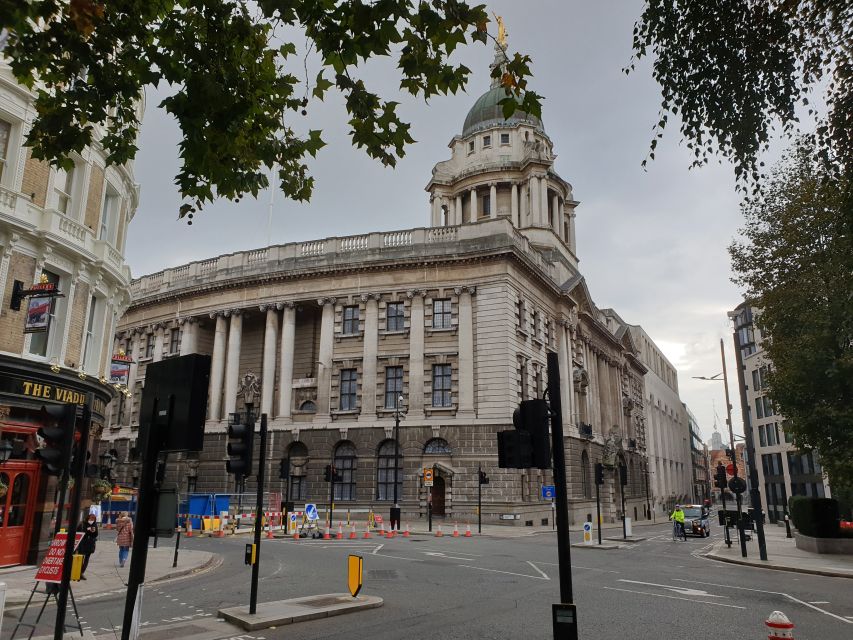
Near the end, you’ll circle back through the Smithfield Market area and then finish at Ely Place. The guide uses this final stretch to link the earlier slaughter-and-plague story to the later urban realities.
You also get one last chance to see how London’s identity keeps reusing certain spaces. Smithfield wasn’t just a single chapter in a book; it kept changing roles as the city changed around it.
The tour ends near Farringdon, which makes it easy to keep your day going afterward. If you’re doing this as part of a longer historic London plan, you can tack on a nearby meal or a museum visit without needing extra transit.
What you’ll learn (and why it’s worth paying attention)
This tour isn’t a scare-walk that stops at shock. It’s built around four ideas you can carry with you afterward.
First, you’ll understand how Smithfield functioned as a public stage. Markets, slaughter, and human punishment shared the same neighborhood over different centuries, which says a lot about how people organized visibility in London.
Second, you’ll get a grounded explanation of Black Death disposal in the 1300s—tens of thousands of corpses handled by a city system under extreme pressure. That’s a different kind of horror: not theatrical, but administrative and real.
Third, you’ll learn about Middle Ages execution methods and how they were part of authority. The tour’s tone stays focused on meaning, not just methods.
Fourth, you’ll see how the area’s reputation shifted into slum conditions later on, and how Dickens turned that atmosphere into literature through Oliver Twist. That’s one of the most valuable takeaways: it helps you see why fiction feels so accurate when the real environment had reasons to be that way.
Guide performance: why Tom’s delivery seems to work for almost everyone
The repeated theme in the experience feedback is the guide’s style, and the name you’ll want to remember is Tom. He’s described as fluent and entertaining, and his timing is often praised as spot-on for a two-hour format.
A detail that really matters for your comfort: Tom is reported as kind and attentive, including when people in the group had elderly parents. That suggests the pace and tone aren’t rigid, and the guide makes the tour feel like a conversation rather than a lecture.
Also, the guide encourages questions, which turns the walk into a back-and-forth. If you like asking why something happened or how one era connects to another, you’ll probably enjoy this more than a one-way storytelling format.
Price and value: is $26 fair for a dark-history walking tour?
At $26 per person for about two hours and roughly two miles, you’re paying for guided interpretation of multiple major sites in a very concentrated area. This isn’t a long “transport around London” trip, and you’re not paying for entry to a single big attraction.
The value comes from the story stitching: Smithfield, plague disposal, executions, Dickens, and even the ghostly layer all connected to one walk. If you normally read about history one fact at a time, a guide like Tom helps you see the pattern in how a neighborhood evolves.
If you want only broad overview facts, you might feel it’s slightly expensive. If you enjoy learning how one street location can carry centuries of meaning, it looks like a solid deal.
Who should book, and who should skip
This works best if you enjoy history with atmosphere and a guide who can keep it moving for two straight hours. It’s also a good fit if you’re combining it with other London stops around Smithfield, St Bartholomew’s area, or the Farringdon corridor.
It’s not suitable for children under 13. Also, because the tour focuses on corpses, executions, and slum conditions, it’s better suited for adults and older teens who can handle dark topics without needing constant reassurance.
If you’re short on time, the two-mile distance is manageable. If you hate walking or struggle with sustained time on your feet, this may feel like more than you want, since the structure relies on moving between several locations.
Should you book Burnings, Butchery & Black Death?
I’d book this if you want a London walking tour that feels specific and connected, not generic. The Smithfield-focused route gives you real context for why that district became a magnet for both public suffering and later literary storytelling.
I’d skip it if you want cheerful history or you’re easily overwhelmed by grim topics. And if you don’t care about how different eras connect on the same streets, you might prefer a lighter-themed tour.
FAQ
FAQ
Where does the tour start?
It begins just outside Barbican Station on Aldersgate Street. Your guide will be standing there with an Historic London Tours sign.
How long is the tour?
The walking tour lasts about 2 hours.
How far do you walk?
The total distance is about 2 miles.
What is the price per person?
The price is $26 per person.
What are the key stops on the route?
You’ll visit areas around Smithfield, including Smithfield Market, St John’s Gate, Cloth Fair, St Bartholomew the Great, St Bartholomew’s Hospital, and Pye Corner with the Golden Boy, finishing at Ely Place.
Does the tour include church entry?
Entry to churches is included, subject to there being no services in progress.
What language is the tour in?
The live tour guide speaks English.
Is it suitable for children?
No. It is not suitable for children under 13.
Is there a live guide?
Yes. This is a live guided walking tour.
How big are the groups?
Ticket sales are limited to fifteen attendees to ensure maximum enjoyment for everyone on the tour.
More Tour Reviews in London
- From London: Harry Potter Warner Bros Studio Tour
★ 4.7 · 26,588 reviews - London: Westminster to Greenwich River Thames Cruise
★ 4.5 · 22,836 reviews - Magical London: Harry Potter Guided Walking Tour
★ 4.7 · 22,044 reviews - London: Madame Tussauds London
★ 4.6 · 20,915 reviews - London: Warner Bros. Studio Harry Potter Tour & Branded Bus
★ 4.7 · 19,194 reviews




